
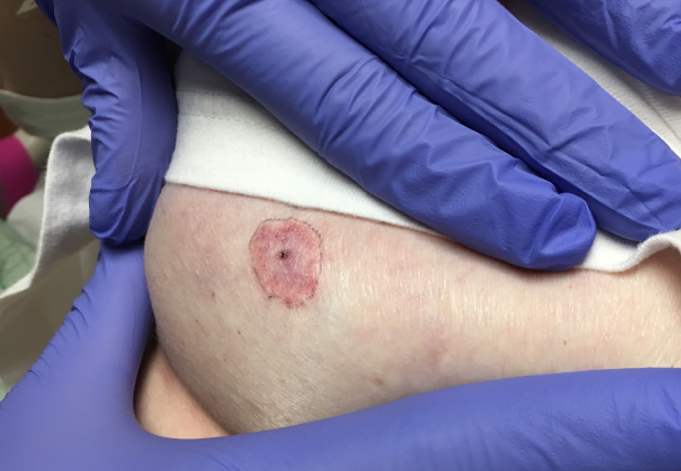
Anaplasmosis is part of a group of diseases that spread through tick bites (tick-borne disease) caused by the bacterium Anaplasma phagocytophilum. Tick bites A. phagocytophilum is primarily spread to people by the bite of an infected tick. It happens most often in the spring and summer months.
Signs and symptoms of anaplasmosis typically begin within 1–2 weeks (incubation period) after the bite of an infected tick. Tick bites are usually painless.
The condition affects people of all ages who are exposed to tick bites.
The condition was first recognized as a human disease in the 1990s.
Blood transfusion infection – In rare cases (A. phagocytophilum has been spread by blood transfusion). Other diseases that spread through tick bites include Lyme disease, babesiosis, and ehrlichiosis. The bacteria that cause anaplasmosis commonly infect the white-footed mouse, deer, and other animals in the wild. When a tick bites one of these animals, the tick becomes infected. An infected tick can spread the bacteria to humans. When a tick bites a person, the bacteria go into the person’s bloodstream. Generally, the tick must stay attached for 24 to 48 hours and become enlarged (engorged) to transmit the infection.
Anaplasmosis is not contagious from person-to-person. In rare cases, one may get it through a blood donation or organ transplant.
Symptoms
Symptoms range from mild to life-threatening, and may include:
- Fever and chills
- Severe headache
- Muscle aches
- Nausea and vomiting
- Cough
- Extreme tiredness (fatigue)
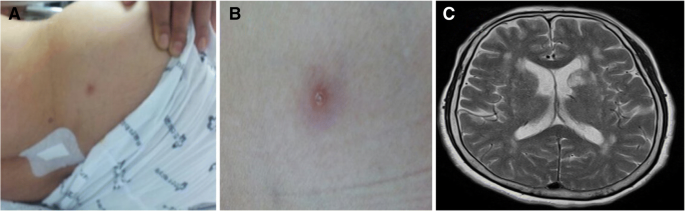
- Rash (less common)
- Confusion.
Late signs
Rarely, if treatment is delayed or if there are other medical conditions present, anaplasmosis can cause severe illness. Prompt treatment can reduce the risk of developing severe illness.
late illness signs and symptoms (severe or late-stage illness) can include:
- Respiratory failure,
- Bleeding problems,
- Organ failure,
- Death.
Risk factors for severe illness:
- Delayed treatment.
- Age (being older puts one at risk).
- Weakened immune system (such as those receiving some cancer treatments, individuals with advanced HIV infection, prior organ transplants, or people taking some allopathic medications) are at risk for severe illness.
Diagnosis
Doctor will perform a physical exam and ask patient about his/her health history and symptoms, ask about any recent tick bite or any outdoor exposure in areas of the country where these ticks are common.
Tests required are:
- Examination of white blood cells.
- Polymerase chain reaction (PCR). This is a method to multiply pieces of the bacteria and detect them chemically. It is more sensitive than looking through a microscope.
- Antibody test. This often does not become positive until many days or a few weeks after the infection and is usually not helpful while patient is first sick.
Allopathic treatment for anaplasmosis
Treatment should be started immediately whenever anaplasmosis is suspected. To prevent complications, treatment is started based on clinical symptoms before the diagnosis is confirmed by lab.
In allopathy, antibiotics are the main treatment. Drug of choice is Doxycycline.
In severe cases, antibiotics should be advised through an IV (intravenous) line at the hospital. Some people with severe anaplasmosis may need supportive care in an intensive care unit.
Homeopathic treatment for anaplasmosis
Prevention
A natural way to immunize against Lyme or Borreliosis Diseases to take the Borrelia-200 (a Homeopathic Lyme disease remedy).
Here are few Homeopathic medicines for anaplasmosis:
Allium sativum
Asthma, periodical. Bronchitis. Catarrhs. Colic. Constipation. Cough. Coxalgia. Dandruff. Diarrhea. Dyspepsia. Fevers. Headache. Hip rheumatism. Hoarseness. Menorrhagia. Ophthalmia. Rheumatism. Salivation. Scurvy. Skin, affections of. Sprains. Whitlow. Worms.
Arctium lappa
Acne. Bunion. Dupuytren’s contraction. Eczema serpigines. Eruptions. Glands, affections of. Gonorrhea. Gout. Impotence. Leucorrhea. Phosphaturia. Rheumatism. Ringworm. Scrofula. Sterility. Ulcers. Uterus, prolapse of.
Urtica Urens
Itching blotches. Urticaria, burning heat, with formication; violent itching. Consequences of suppressed nettle rash. Rheumatism alternates with nettle-rash. Burn confined to skin. Urticaria nodosa. Erythema, with burning and stinging. Burns and scalds. Chickenpox. Angioneurotic edema. Herpes labialis with sensation of heat and itching. Itching and stinging of scrotum.
Rumex acetosella
Borborygmi. Bronchitis. Catarrh. Corns. Coryza. Cough. Diarrhea. Dyspepsia. Epistaxis. Feet, tender. Gastralgia. Heart, pain in; affections of. Indigestion. Irritation. Lichen. Mouth, ulceration of. Phimosis. Phthisis. Prurigo. Rheumatism. Throat, sore ulcerated. Trachea, affections of. Urticaria.
Rumex Obtusifolia, has a reputation among children as the best antidote to the nettle sting.
Rumex crispus, according to Joslin, quoted by Hale, was used by allopath internally and externally for the cure of itch.
Lac Canimum
Arms, varicose of. Breasts, painful. Chancre. Croup. Diphtheria. Dysmenorrhea. Epulis. Eyes, affections of. Gonorrhea. Headache. Ichthyosis. Leucorrhea. Neuralgia. Ovaries, affections of. Ranula. Rheumatism. Sciatica. Spinal irritation. Stomach, affections of. Syphilis. Throat, sore. Ulcers. Uterus, affections of. Vaccines side effects. Varicose veins. Warts. 
Mercurius
Abscess, Anemia, Aphthae, Balanitis, Bone disease and pains, Breathing-offensively, Bronchitis, Bubo, Catarrh, Chicken-pox, Cold, Condylomas, Cough, Diarrhea, Dysentery, Dyspepsia, Ecthyma, e, Emaciation, Excoriation, Gouty inflammations, Fainting, Fevers, Fissures, Glandular swellings, Gout, Gum-boil, Gums unhealthy, Heart affections, Herpes, Hydrophobia, Jaundice, Joints affections, Liver affections, Lumbago, Mania. Measles, Melancholia, Meningitis, Mollities ossium, Mucous patches, Mumps, Noises in the head, Oduor of body offensive, Ovaries affections, Para metritis, Parotitis, Peritonitis. Perspiration abnormal, Phimosis, Pregnancy affections, Purpura, Pyemia, Ranula, Rheumatism, Rickets, Rigg’s disease, Salivation, Scurvy, Smallpox, Stomatitis, Fever, Syphilis, Deafness, Throat soreness, Tremors, Typhus fever, Vomiting.
Thuja Oxydentalis
Angina pectoris. fistula, fissure, Asthma. Balanitis. Catalepsy. Chorea. Clavus. Condylomas. Constipation. Convulsions. Coxalgia. Diarrhea. Dyspareunia, flatus. Dysmenorrhea. Ear polypus, Enuresis. Epilepsy. Epulis. Eyes tumors, eyes granular inflammation. Fatty tumors. Feet, fetid. Ganglion. Gleet. Gonorrhea. Hemorrhage. Hemorrhoids. Headache. Hernia. Herpes zoster. Ichthyosis. Intussusception. Joints cracking. Levitation. Morvan’s disease. Mucous patches. Muscae volitantes. Myopia. Naevus. Neck cracking. Onanism. Ozaena. Neuralgia. Nose, chronic catarrh of; polypus of. Paralysis. Pemphigus. Polypus. Post-nasal catarrh. Ptosis. Ranula. Rheumatism, gonorrheal. Rickets. Sciatica. Seminal emissions, nocturnal. Sycosis. Syphilis. Tongue ulcers, tongue biting. Vaccination. Vaccines side effect. Vaginismus. Warts. Whooping-cough.
Arsenicum Album
Abscess. Acne rosacea. Anemia. Brown-ague. Caecum affections. Carbuncle. Cholera Asiatica. Cholera. Cold. Coldness. Cough. Croup. Delirium tremens. Depression, Diarrhea. Diphtheria. Dropsy. Duodenum. Eczema. Endometritis. Enteric fever. Epithelioma. Erysipelas. Eye affections. Facial eruptions. Fainting. Fever. Gangrene. Glandular swellings.
Gout. Hay-asthma. Headache. Heart, affections of. Hectic. Herpes zoster. Hodgkin’s disease. Hydrothorax. Hypochondriasis. Ichthyosis. Indigestion. Intermittent fever. Irritation. Jaundice. Kidney, diseases of. Lichen. Lips, eruption round; epithelioma of. Locomotor ataxy. Lung affections. Lupus. Malignant pustule. Measles. Melancholia. Menstruation, disorders of. Miliary eruptions. Morphea. Myelitis. Nails, diseased. Nettle-rash. Neuralgia. Neuritis. Nonta pudenda. Numbness.
Peritonitis. Peri typhlitis. Pityriasis. Plethora. Pleurodynia. Pneumonia. Psoriasis. Purpura. Pyohemia. Pyelitis. Remittent fever. Rheumatic gout. Rheumatism. Rickets. Ringworm. Scald Head. Scarlatina. Sciatica. Scrofulous affections. Shivering.
Thirst. traumatic fever. Typhus. Ulcers. Vomiting. Whooping-cough. Worms. Wounds. Yellow fever. Characteristic of this medicine includes a marked weakness and extreme restlessness. Lyme disease when there are tearing pains in the limbs, symptoms gets worse during the night and at rest after exertion. There is a sudden decrease in strength during the second stage of Lyme disease, which is well indicative of this medicine.
Key indications for using Arsenicum Album for Lyme Disease:
– Fatigue
– Extreme Restlessness
– Tearing Pains
Ledum Palustre
Ledum is known for its antiseptic properties and is useful in preventing infections and is a well-indicated remedy for insect stings, including tick bites. It is also indicated for a twitching sensation around skin rash. The area of the tick bite is cold to the touch.
Key indications for using Ledum Palustre for Lyme Disease:
Tick Bite, Twitching Sensation around the rash, Black-eye. Boils. Bruises. Deafness. Ear inflammation. Eczema. Erythema nodosum. Pimples on. Feet pains and tenderness. Gout. Hemoptysis. Hands pains in. Intoxication. Joints affections and/or cracking. Pediculosis. Priapism. Prickly heat. Punctured wounds. Rheumatism. Skin eruptions. Stings. Tetanus. Tinnitus. Tuberculosis. Varicella. Whitlow. 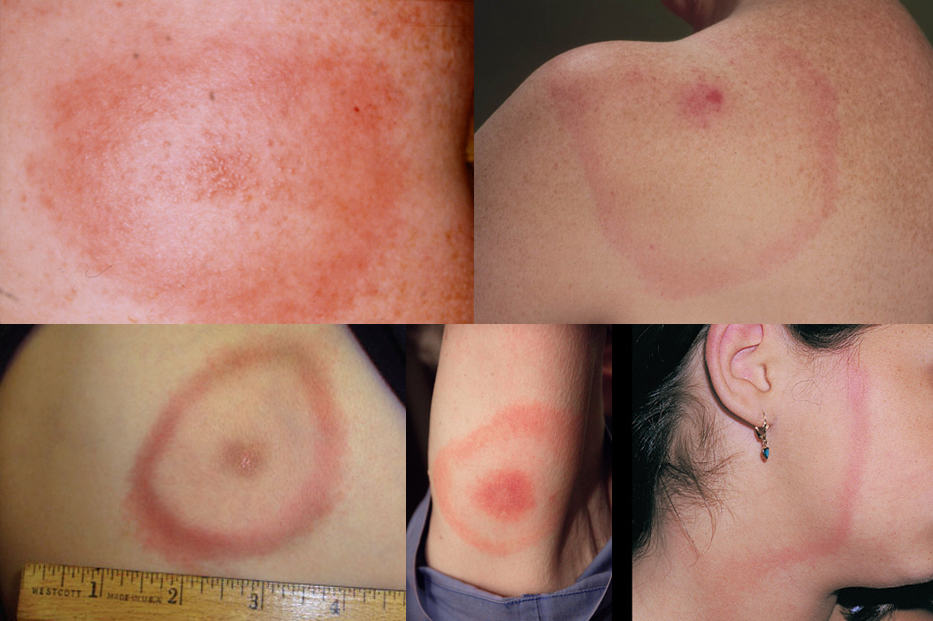 Wounds.
Syphilinum
Their fear will often lead to a profound aversion to dirt or to touching dirty things. Lyme is similar to the Syphilis bacteria. There is an acute phase, dormant phase, and a progressive chronic phase where it gets worse with time. As mentioned above, an acute state of panic and fear of death can also be helped with Aconite. Homeopathy can definitely help with the feelings of despair, depression or even suicidal thoughts that may result from chronic Lyme disease.
Cicuta virosa
Congestion of the brain with vomiting and purging, general convulsions, twitching in fingers and unconsciousness. The head is spasmodically drawn back with stiff neck. Violent jerks in any part of the body. Strangles on drinking, dilated pupils and staring look, trismus. Attacks of semi-lateral cephalalgia, with nausea. Semi-lateral headache, as from congestion to the head. Compression from both sides of the head. Stupefying pressure on the forehead. Affections of the brain, from concussion of the brain. Starting and spasmodic shocks in the head with drawing backward (head inclines forward; is frequently bent back again).
Zincum metallicum
Chorea. Heaviness, lassitude, and excessive weakness of tubercular constitution and due to suppressed eruptions. Febrile disturbance is absent or slight, twitching jerking and hyperesthesia of all the senses and skin, and tremulousness of the feet. At the beginning there are sharp lancinating pains and great exhaustion of nerve force, backache and spinal irritation, brain affections of children, delirium as if frightened, Child repeats everything said to, automatic movements of mouth, arms, and hands, and general restlessness. Pain, which sometimes seems to be between the skin and the flesh. Formication on the skin
Kali Bromatum
Note: Never advise any potassium salt in case of temperatures (Dr Qaisar Ahmed).
General paralysis, severe headache. The headache is constant along with a feeling of heat in the head. The pulse is rapid and wiry. Dullness and weakness along with a loss of appetite is also present. Locomotor ataxia. Unconscious of what is occurring around them; cannot recognize, nor be comforted by, their friends, writing almost unintelligible from omission of words or parts of words, perception slow, answers slow, Hallucinations of sight and sound, with or without mania, precede brain and paralytic symptoms. Delirium, with delusions.
Rhus Toxicodendron
The homeopathic medicine Rhus tox is prepared from poison ivy- a vine-like shrub. This shrub is found naturally all-over North America and belongs to the Anacardiaceae family. The leaves and stalks of this shrub are collected at night to prepare Rhus Toxicodendron. Rhus tox has given tremendous results in arthritis, especially of knee joints in Lyme disease patients. There is stiffness and painful swelling of the knee joint which becomes better by warmth. It is also indicated for joint problems in the elbows and ankles in some instances of Lyme disease. A tingling sensation in feet and other places of the body is also treated with this remedy.
Key Indications for using Rhus Tox for Lyme Disease – Knee Joint Arthritis, Tingling Sensation.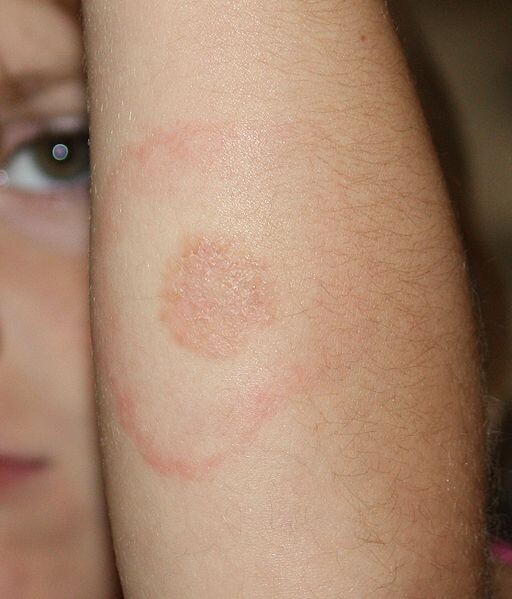
Stramonium
Chorea. Delirium tremens. Diaphragmatic. Ecstasy. Enuresis. Epilepsy. Erotomania. Eyes affections. Headache, pain in head and nausea predominates in cases of meningitis. Hydrophobia. Hysteria. Locomotor ataxia. Mania. Meningeal infection, irritability with screaming, striking with hand feet, and a tendency to strike/bite. Convulsive movement of the limbs. Opisthodomos the body is bent backwards with distorted countenance, attacks of cataleptic stiffness. Spasmodic, drawing, paralytic pains in muscles, Involuntary motions; hydrophobia, Convulsive movements and jerks, Puerperal convulsions. Syncope, with stertorous breathing. Unconscious snoring: jaws hang down; hands and feet twitch; pupils dilated. Trembling of limbs.
Belladonna
Abscess. Acne. Amaurosis. Apoplexy. Bladder weakness. Boils. Brain, affections of. Bronchial glands, disease of. Carbuncle. Colic. Constipation. Convulsions. Cough. Croup. Delirium tremens. Depression. Diarrhea. Dysentery. Ear, affections of. Enteric fever. Epilepsy. Erysipelas. Erythema. Excitement. Eye, affections of. Fear, effects of. Glandular swellings. Goiter. Gout. Hemorrhoids. Headache. Heart, affections of. Hydrocephalus. Hydrophobia. Hyperemia. Influenza. Kidney, affections of. Lung, affections of. Malignant pustule. Mania. Measles. Meningitis. Menstruation. Mouth affections. Mumps. Neuralgia. Nose affections.
Nyctalopia. Nymphomania. Paralysis. Para metritis. Perichondritis. Peri metritis. Peritonitis. Phlegmasia alba dolens. Pleurisy. Pneumogastric paralysis. Pneumonia. Pregnancy, disorders of. Puerperal mania. Rheumatism. Roseola. Scarlatina. Sensitiveness. Sleep, disorders of. Smell, disordered. Strangury. Taste, disordered. Tenesmus. Testicles, affections of. Thirst. Throat, sore. Tongue, affections of. Tuberculosis. Ulcers. Uterine affections. Vaccinia. Vertigo. Whooping-cough. Worm fever.
Kali Phosphoricum
Kali phosphoricum is a well-indicated remedy for patients of Lyme disease where there is mental fatigue from overwork. There is dullness of mind, loss of memory, a lack of interest in talking and the person suffers from forgetfulness. The characteristic symptom of using this remedy is a low, nervous condition with sensitivity. The person is easily fatigued.
Alopecia areata. Amenorrhea. Anemia. Asthma. Atrophy. Brain, concussion of. Brain-fag. Brain-softening. Carbuncle. Chilblains. Cholerine. Diphtheria. Dysentery. Enuresis. Facial neuralgia. Feet, fidgety. Gangrene. Hypochondriasis. Hysteria. Insomnia. Melancholia. Menstrual headaches. Nervous dyspepsia. Neurasthenia. Night-terrors. Noma. Nymphomania. Edema pulmonum. Paralysis. Pneumonia. Ptosis. Puerperal fever. Puerperal mania. Sciatica. Scurvy. Stomach ulcer. Ulcers (dermal). Urticaria. Whitlow.
Helleborus Niger
Produces a condition of sensorial depression. Sees, hears, tastes imperfectly, and general muscular weakness, which may go on to complete paralysis, accompanied by dropsical effusions, fixedness of look on one single point, Inflammation of the brain, with stupefaction, Hydrocephalus with stupefaction, Painful sensitiveness of the exterior of the head extending from nape to vertex.

Pulse, small, slow, almost imperceptible Sinking sensation. Slow in answering. Thoughtless; staring. Involuntary sighing. Complete unconsciousness. Picks lips and clothes. Forehead wrinkled in folds. Cold sweat. Stupefying headache. Rolls head day and night, moaning, sudden screams. Bores head into pillow; beats it with hands. Dull pain in occiput, with sensation of water swashing inside. Headache culminates in vomiting.
Eyeballs turn upwards, squinting, vacant look. Pupils dilated. Eyes wide open, sunken. Suppressed; scanty, dark; coffee-grounds sediment. Frequent urging. Patient cannot urinate. Bladder overdistended. General shivering, with corrugated skin, and tenderness of the scalp when touched, and on moving the head
Aconitum Napellus
Amaurosis. Anger. Apoplexy. Asthma. Blindness, sudden. Bronchitis. Catalepsy. Catheter fever. Chest affections. Chickenpox. Cholera. Cholera infantum. Cold. Coldness. Consumption. Convulsions. Cough. Croup. Cystitis. Dengue fever. Diarrhea. Dropsy. Dysentery. Dysmenorrhea. Ear affections. Enteritis. Erythema nodosum. Excitement. Eye affections. Face flushing. Fear effects. Fever. Fright effect.
Glands swollen. Glossitis. Gonorrhoea. Haemorrhages. Haemorrhoids; strangulated. Headache. Heart, affections of. Hip-joint, diseased. Hodgkin’s disease. Hyperpyrexia. Influenza. Jaundice. Joints affections. Lactation. Laryngitis. Liver inflammation. Lumbago. Lungs affections. Mania. Measles. Meningitis. Menstruation disorders. Miliaria. Miscarriage. Mumps. Myalgia. Myelitis. Nephritis.
Neuralgia. Numbness. Esophagus inflammation. Paralysis. Peritonitis. Phlegmasia alba dolens. Pleurisy. Pleurodynia, Pneumonia. Pregnancy. Puerperal fever. Purpura. Quinsy. Remittent fever. Roseola. Scarlatina. Shivering. Sleeplessness. Smell disorders. Stiff neck. Testicles affections. Tetanus. Tetany. Thirst. Traumatic fever. Urethral spasmodic stricture. Urethral fever. Urine suppression. Uterus prolapsus. Vaccination effects. Vertigo. Whooping-cough. Yawning. Yellow fever.
Veratrum viride
Intense cerebral congestion, rapid pulse, tendency to convulsion, followed by prostration. Elliot considers Veratrum viride in the lower potencies our best remedy in acute meningitis. Coldness of the surface loss of consciousness, dilated pupils, labored, slow, irregular pulse. Pallor with syncope. Tremor. Spasm with violent shrieks; opisthodomos; face dark blue; breath suspended, Pneumonia; Nervous attack with shaking trembling and chilliness; Convulsions. Chorea, movements continuing in sleep, hemorrhage from various organs, crept up arms and legs, Irritative fever with cerebral congestion. Streptococcus fever; rapid and violent alternations of temperature. Ephemeral fevers with nausea and retching. Cerebral-spinal fever.
Conium Maculatum
Asthma. Bladder, inflammation of. Breast, affections of; painful. Bronchitis. Bruises. Cancer. Cataract. Chorea. Cough. Depression of spirits. Diphtheritic paralysis. Dysmenia (membranous). Erysipelas. Eyes, affections of. Galactorrhea. Herpes. Hypochondriasis. Jaundice. Liver, enlarged. Melancholia. Menstruation, disordered. Numbness. Ovaries, affections of. Paralysis; Landry’s. Peritonitis. Phthisis. Pregnancy, painful breasts during. Prostatitis. Ptosis. Scrofula. Spermatorrhea. Sterility. Stomach, affections of. Testicles, affections of. Tetters. Trismus. Tumours. Ulcers. Vertigo. Vision, disordered. Wens.
How to Differentiate from Fibromyalgia?
Fibromyalgia, anaplasmosis and Lyme disease can cause fatigue and pain, but there are many differences between them. 
The cause for fibromyalgia is minerals deficiency and in some cases parasites, often triggered by stress (physical or emotional stress), and associated conditions like osteoarthritis, rheumatoid arthritis, and Ankylosing spondylitis. Fibromyalgia gives rise to widespread pain and tender points, body fatigue, depression, headache, pain, and cramping in the lower abdominal region.
While anaplasmosis and Lyme disease are infectious tick-borne disease caused by the bacteria of borrelia type.
The bacteria penetrate into the bloodstream and trigger symptoms inside the body (headache, chill, fever, swelling of lymph nodes and a rash called Erythema migrans etc). As the condition takes the chronic form, there are chances of developing arthritis, nerve involvement leading to numbness or tingling sensation, depression, anxiety, palpitations and short-term memory loss.
Although symptoms overlap between Fibromyalgia and Lyme disease, these diseases are distinguished by the presence of a rash which is a hallmark of Lyme disease (called Erythema Migrans). There is no such rash in fibromyalgia.
What are possible complications of anaplasmosis?
In rare cases, anaplasmosis can cause serious complications such as:
- Brain problems such as confusion, seizures, or coma,
- Excess bleeding/hemorrhage,
- Heart failure,
- Respiratory failure,
- Kidney failure,
- Septic shock.
These complications are rare in the vast majority of otherwise healthy people. But they are more common in those who have weak immune systems (HIV/AIDS, cancer, organ transplants etc). They may need additional treatments, such as fluids, breathing support, or kidney dialysis. In a small number of people, these complications can lead to death.
P. S: This article is only for doctors and students having good knowledge about Homeopathy and allopathy.

For proper consultation and treatment, please visit our clinic.
 Dr. Sayyad Qaisar Ahmed (MD {Ukraine}, DHMS), Abdominal Surgeries, Oncological surgeries, Gastroenterologist, Specialist Homeopathic Medicines.
Senior research officer at Dnepropetrovsk state medical academy Ukraine.
Location: Al-Haytham clinic, Umer Farooq Chowk Risalpur Sadder (0923631023, 03119884588), K.P.K, Pakistan.
Find more about Dr Sayed Qaisar Ahmed at:
https://www.youtube.com/Dr Qaisar Ahmed
https://www.facebook.com/ahmed drqaisar