
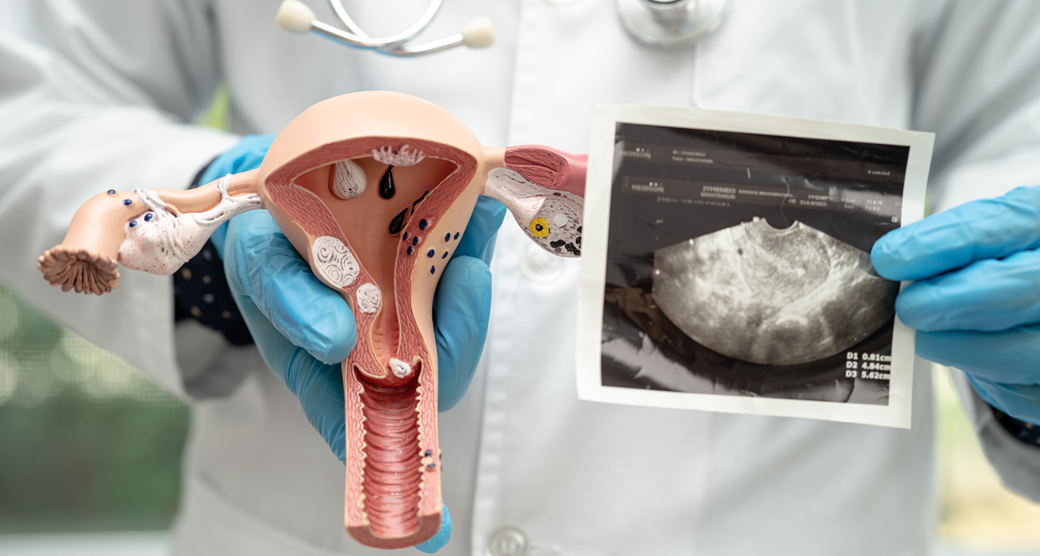
um SanctAn ectopic pregnancy (Tubal Pregnancy) is a condition in which a fertilized egg settles and grows in any location other than the inner lining of the uterus. The vast majority of ectopic pregnancies are so-called tubal pregnancies and occur in the Fallopian tube. However, they can occur in other locations, such as the ovary, cervix, and abdominal cavity.
An ectopic pregnancy occurs in about one in 1%-2% of all pregnancies. A molar pregnancy differs from an ectopic pregnancy in that it is usually a mass of tissue derived from an egg with incomplete genetic information that grows in the uterus in a grape-like mass that can cause symptoms to those of pregnancy. Ectopic pregnancy remains the leading cause of pregnancy-related death in the first trimester of pregnancy.
In rare cases, an ectopic pregnancy may occur at the same time as intrauterine pregnancy. This is referred to as heterotopic pregnancy. The incidence of heterotopic pregnancy has risen in recent years due to the increasing use of IVF (in vitro fertilization – Eggs are retrieved from ovaries and mixed with sperm in a lab dish to form embryos, which are then placed into the uterus) and other assisted  reproductive technologies (ARTs).
ARTs
- IVF: In vitro fertilization – Eggs are retrieved from ovaries and mixed with sperm in a lab dish to form embryos, which are then placed into the uterus.
- Intracytoplasmic Sperm Injection (ICSI): A single healthy sperm is injected directly into an egg to help fertilization.
- Cryopreservation: Eggs, sperm, or embryos are frozen and stored in liquid nitrogen for future family planning.
- Third-Party Assisted ART: Uses donor eggs, donor sperm, or a gestational carrier (surrogate) to complete a pregnancy.
Early and later signs and symptoms of ectopic pregnancy
The woman may not be aware that she is pregnant. The three classic signs and symptoms of ectopic pregnancy include:
- abdominal pain,
- the absence of menstrual periods (amenorrhea), and
- vaginal bleeding or intermittent bleeding (spotting).
However, about 50% of females with an ectopic pregnancy will not have all three signs. These characteristic symptoms occur in ruptured ectopic pregnancies (accompanied by severe internal bleeding) and non-ruptured ectopic pregnancies. However, while these symptoms are typical for an ectopic pregnancy, they do not mean an ectopic pregnancy is necessarily present and could represent other conditions. In fact, these symptoms also occur with a threatened abortion (miscarriage) in non-ectopic pregnancies.
The signs and symptoms of an ectopic pregnancy typically occur six to eight weeks after the last normal menstrual period, but they may occur later if the ectopic pregnancy is not located in the Fallopian tube.
Other symptoms of pregnancy (for example, nausea and breast discomfort, etc.) may also be present in ectopic pregnancy.
- Weakness,
- dizziness, and
- a sense of passing out upon standing can (also termed near-syncope) be signs of serious internal bleeding and low blood pressure from a ruptured ectopic pregnancy and require immediate medical attention.
Unfortunately, some women with a bleeding ectopic pregnancy do not recognize they have symptoms of ectopic pregnancy. Their diagnosis is delayed until the woman shows signs of shock (for example, low blood pressure, weak and rapid pulse, pale skin, and confusion) and often is brought to an emergency department.
Risk factors for ectopic pregnancy
 Here are 10 possible risk factors for ectopic pregnancy.
Age:
Ectopic pregnancy can occur in any woman, of any age, who is ovulating and is sexually active. The highest likelihood of ectopic pregnancy occurs in women aged 35-44 years.
History:
The greatest risk factor for an ectopic pregnancy is a prior history of an ectopic pregnancy.
Fallopian tube abnormalities:
Any disruption of the normal architecture of the Fallopian tubes can be a risk factor for a tubal pregnancy or ectopic pregnancy in other locations.
Previous gynecological surgeries:
Previous surgery on the Fallopian tubes such as tubal sterilization or reconstructive, procedures can lead to scarring and disruption of the normal anatomy of the tubes and increases the risk of an ectopic pregnancy.
Infections:
Infection in the pelvis (pelvic inflammatory disease) is another risk factor for ectopic pregnancy. Pelvic infections are usually caused by sexually transmitted diseases, such as Chlamydia or N. gonorrhoeae, the bacteria that cause gonorrhea.
Non-sexually transmitted bacteria/diseases can also cause pelvic infection and increase the risk of an ectopic pregnancy. The infection causes an ectopic pregnancy by damaging or obstructing the Fallopian tubes. Normally, the inner lining of the Fallopian tubes is coated with small hair-like projections (cilia). These cilia are important to transport the egg smoothly from the ovary through the Fallopian tube and into the uterus. If these cilia are damaged by infection, egg transport becomes disrupted.
The fertilized egg can settle in the Fallopian tube without reaching the uterus, thus becoming an ectopic pregnancy. Likewise, infection-related scarring and partial blockage of the Fallopian tubes can also prevent the egg from reaching the uterus.
Multiple sex partners:
Because having multiple sexual partners increases a woman’s risk of pelvic infections, multiple sexual partners also are associated with an increased risk of ectopic pregnancy.
Gynecological conditions:
Like pelvic infections, conditions such as endometriosis, fibroid tumors, or pelvic scar tissue (pelvic adhesions), can narrow the Fallopian tubes and disrupt egg transportation, thereby increasing the chances of an ectopic pregnancy.
IUD use:
 Approximately half of the pregnancies in women using intrauterine devices (IUDs) will be located outside of the uterus. However, the total number of women becoming pregnant while using IUDs is extremely low. Therefore, the overall number of ectopic pregnancies related to IUDs is very low.
Cigarette smoking:
Cigarette smoking around the time of conception has also been associated with an increased risk of ectopic pregnancy. This risk was observed to be dose-dependent, which means that the risk is dependent upon the individual woman’s habits and increases with the number of cigarettes smoked.
Infertility:
A history of infertility for two or more years also is associated with an increased risk of ectopic pregnancy.
Other causes: Infection, congenital abnormalities, or tumors of the Fallopian tubes can increase a woman’s risk of having an ectopic pregnancy.
Diagnosing ectopic pregnancy
- The first step in the diagnosis is an interview and examination by the doctor.
- The usual second step is to obtain a qualitative (positive or negative for pregnancy) or quantitative (measures hormone levels) pregnancy test. Occasionally, the doctor may feel a tender mass during the pelvic examination.
- If an ectopic pregnancy is suspected, the combination of blood hormone pregnancy tests and pelvic ultrasound can usually help to establish the diagnosis.
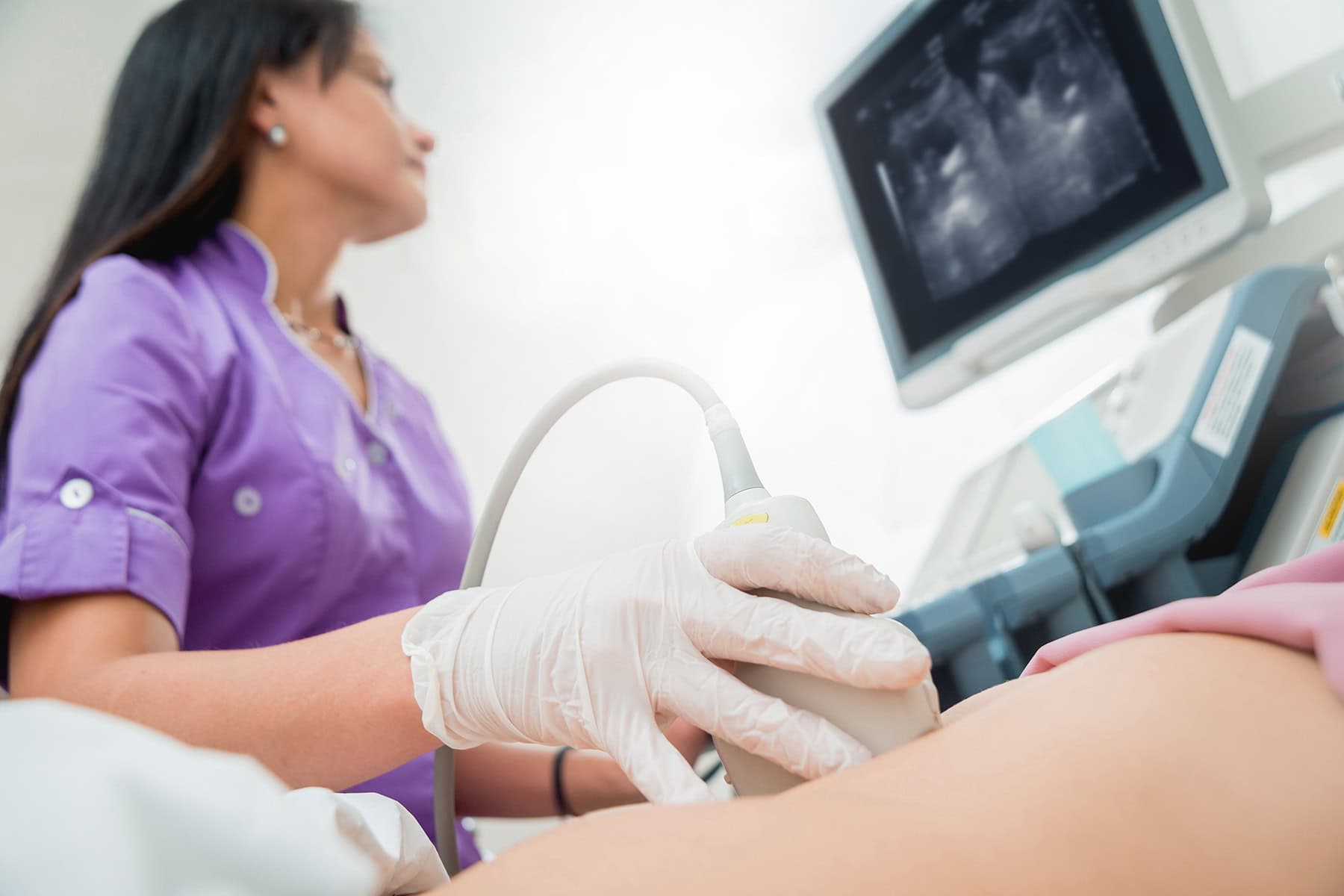
- Transvaginal ultrasound is the most useful test to visualize an ectopic pregnancy. In this test, an ultrasound probe is inserted into the vagina, and pelvic images are visible on a monitor. Transvaginal ultrasound can reveal the gestational sac in either a normal (intrauterine) pregnancy or an ectopic pregnancy, but often the findings are not conclusive. Rather than a gestational sac containing a visible embryo, the examination may simply reveal a mass in the area of the Fallopian tubes or elsewhere that is suggestive of, but not conclusive for, an ectopic pregnancy.
- The ultrasound can also demonstrate the absence of pregnancy within the uterus.
Pregnancy tests are designed to detect specific hormones; the beta subunit of human chorionic gonadotrophin (beta HCG) blood levels are also used in the diagnosis of ectopic pregnancy. Beta HCG levels normally rise during pregnancy. An abnormal pattern in the rise of this hormone can be a clue to the presence of an ectopic pregnancy.
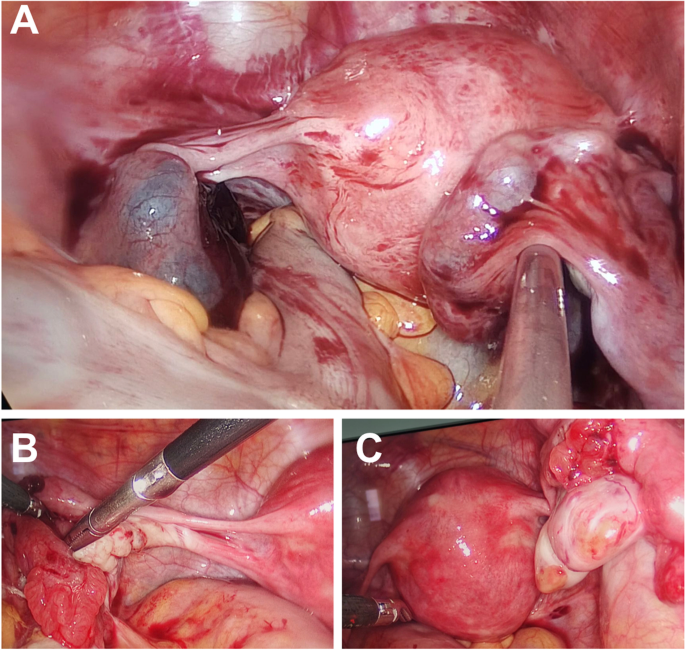
In rare cases, laparoscopy may be needed to confirm a diagnosis of ectopic pregnancy. During laparoscopy, viewing instruments are inserted through small incisions in the abdominal wall to visualize the structures in the abdomen and pelvis, thereby revealing the site of the ectopic pregnancy.
Is an ectopic pregnancy dangerous?
 Some women spontaneously absorb the fetus from the ectopic pregnancy and have no apparent side effects. In these instances, the woman can be observed without treatment. However, the true incidence of spontaneous resolution of ectopic pregnancies is unknown. It is not possible to predict which women will spontaneously resolve their ectopic pregnancies.
The most feared complication of an ectopic pregnancy is rupture, leading to internal bleeding, pelvic and abdominal pain, shock, and even death. Therefore, bleeding in an ectopic pregnancy may require immediate surgical attention. Bleeding results from the rupture of the Fallopian tube or from blood leaking from the end of the tube as the growing placenta erodes into the veins and arteries located inside the tubal wall.
Blood coming from the tube can be very irritating to other tissues and organs in the pelvis and abdomen, and result in significant pain. The pelvic blood can lead to scar tissue formation that can result in problems with becoming pregnant in the future. The scar tissue can also increase the risk of future ectopic pregnancies.
Which specialties of doctors treat ectopic pregnancy?
Allopathic and Homeopathic obstetrician-gynecologists (OB-GYNs) are the specialists who typically treat ectopic pregnancies. However, emergency medicine specialists and surgeons treat ruptured ectopic pregnancies.
Allopathic treatments for ectopic pregnancy
Treatment options in allopathy for ectopic pregnancy include observation, laparoscopy, laparotomy, and medication. The selection of these options is individualized.
Some ectopic pregnancies will resolve on their own without the need for any intervention, while others will need urgent surgery due to life-threatening bleeding. However, because of the risk of rupture and potentially dire consequences, most women with a diagnosed ectopic pregnancy are treated with medications or surgery.
For those who require intervention, the most common treatment is surgery. Two surgical options are available; laparotomy and laparoscopy.
- Laparotomy is an open procedure whereby a transverse (bikini line) incision is made across the lower abdomen.
- Laparoscopy involves inserting viewing instruments into the pelvis through tiny incisions in the skin.
 For many surgeons and patients, laparoscopy is preferred over laparotomy because of the tiny incisions used and the speedy recovery afterward. Under optimal conditions, a small incision can be made in the Fallopian tube and the ectopic pregnancy removed, leaving the Fallopian tube intact.
However, certain conditions make laparoscopy less effective or unavailable as an alternative. These include massive pelvic scar tissue and excessive blood in the abdomen or pelvis. In some instances, the location or extent of the damage may require the removal of a portion of the Fallopian tube, the entire tube, the ovary, and even the uterus.
Allopathic medications for ectopic pregnancy
Allopathic treatment method involves the use of an anti-cancer drug called methotrexate. This drug acts by killing the growing cells of the placenta, thereby inducing miscarriage of the ectopic pregnancy. Some patients may not respond to methotrexate and will require surgical treatment. Methotrexate is gaining popularity because of its high success rate, but it has very heigh and severe side effects.
There are certain factors, including the size of the mass associated with the ectopic pregnancy and the blood beta HCG concentrations that help doctors decide which women are candidates for medical rather than surgical treatment.
The optimal candidates for methotrexate treatment are women with a beta-subunit (HCG) concentration less than or equal to 5000 mIU/mL.
Can an ectopic pregnancy go full term?
Although there have been a few reported cases of women giving birth by cesarean section to live infants that were located outside the uterus, this is extremely rare. The chance of carrying an ectopic pregnancy to full term is so remote, and the risk to the woman so great, that it can never be recommended. It would be ideal if an ectopic pregnancy in the Fallopian tube could be saved by surgery to relocate it into the uterus.
This concept has yet to become accepted as a successful procedure. Overall, there have been great advances in the early diagnosis and treatment of ectopic pregnancy, and the death rate from this condition has decreased dramatically.
Homeopathic treatment for ectopic pregnancy
Treatment options in Homeopathy for ectopic pregnancy include medication to abort fetus. The selection of these options is individualized.
Some ectopic pregnancies could be resolve with Homeopathy without the need for any intervention, while others will need urgent surgery due to life-threatening bleeding. However, because of the risk of rupture and potentially dire consequences, most women with a diagnosed ectopic pregnancy should be treated with Homeopathic medications or surgery.
Here are few Homeopathic medicines/remedies to abort fetus:
Silphium
 Early contraceptive and an abortifacient. Acts best as a contraceptive, abortifacient, for menstrual disorders and as an emmenagogue that would expel the fetus. Best for coughs, chronic coughs or asthma-like congestion, sore throats, fevers and indigestion. It eases symptoms of constipation or mucus in the stool.
Asafoetida
Act absolutely like Silphium: early contraceptive and an abortifacient. Acts best as a contraceptive, abortifacient, for menstrual disorders and as an emmenagogue that would expel the fetus. Best for coughs, chronic coughs or asthma-like congestion, sore throats, fevers and indigestion. It eases symptoms of constipation or mucus in the stool.
Daucus carota (Queen Anne’s lace)
Or wild carrot, when taken orally prevents and terminate pregnancy and recommended. A good female contraceptive, abortifacient, and aphrodisiac. It stimulates menstruation and terminates pregnancies. Diuretic and digestive.
 Alangium Salviifolium/Alangiaceae
In Urdu “Ankol” in Pashtu language – گٔرگٔریی. Stem barks are abortifacient, anti-implantation. Skin cancers by means of local application of the root. It is also used locally for the treatment of snakebite, scorpion bite as well as for dog bite. It reduces blood pressure when taken orally due to its vasodilator activity.
Carica papaya
Leaves for malaria and fever, unripen fruit for digestive disorders, soothe an upset stomach, mild natural laxative (relieve constipation), carminative and wound healing. Roots and seeds have contraception and anti-fertility properties. Expels intestinal worms.
Rosemary (Rosmarinus)
In high, medicinal, or supplement doses, it can increase the risk of uterine contractions.
Ocimum sanctum
Also called “Tulsi” – “The Incomparable One,” “Mother Medicine of Nature” and “The Queen of Herbs”. Late abortifacient, anti- implantation.
 Tulsi (Ocimum sanctum) penetrates the deep tissues and can address physical, chemical, metabolic and psychological stress through a unique combination of pharmacological actions.
Ocimium Sanctu has been found to protect organs and tissues against chemical stress from industrial pollutants and heavy metals, and physical stress from prolonged physical exertion, ischemia, physical restraint and exposure to cold and excessive noise.
Tulsi has also been shown to counter metabolic stress through normalization of blood glucose, blood pressure and lipid levels, and psychological stress through positive effects on memory and cognitive function and through its anxiolytic and anti-depressant properties.
Colocynth (Citrullus)
Colocynth or bitter apple has demonstrated clear antifertility and contraceptive effects in studies. The fruits stop/terminate pregnancy.
Hedeoma Pulegioides
Also called “Mentha Pulegium Lamiaceae or Pennyroyal Mentha”. In form of infusion abortifacient which causes the uterine
muscles to contract. Nervous disturbances. Calculi (red sand in urine). Pain along ureter. Flatulent colic. Gastritis. Everything taken into stomach causes pain. Tongue coated thin white. Nausea. Abdomen distended, sore, and sensitive.
Frequent urging, cutting pains in urine. Dragging pain from kidney to bladder. Burning irritation at neck of bladder causing frequent intense desire to urinate and inability to retain urine for more than few minutes, better urinating.
Bearing-down pains female patients, with much backache (flank pain). Leucorrhea, with itching and burning Ovaries congested and painful; bearing-down spasmodic contractions.
Pain in thumb joint. Pain, coldness, and paretic condition. Twitching, jerking, soreness. Tendo-Achilles painful, sprained and swollen; walking painful.
Abeji Pleioceras barteri Apocynaceae
Bark & seeds Abortifacient. The plant was historically used as an abortifacient and an emmenagogue (to stimulate menstrual flow). Relives pain and fever, malaria, rheumatism etc.
Guaiacum officinale
Also called “Pookwood, Lignum Vitae, holy wood and Tree of life” was historically celebrated as a cure-all.
Guaiacum Officianalis is a good anti-inflammatory. Its medicinal uses are heavily focused on treating venereal diseases, joint inflammation, fibromyalgia (muscle pain), arthritis, rheumatism, gout, syphilis, fevers, skin ailments, tonsillitis, and digestive issues. It possesses strong antifertility properties and can increase the risk of miscarriage or early termination.
Research indicates that the extract can reduce litter sizes and act as an abortifacient, especially when used during the first, second, or third trimesters of pregnancy.
Peganum Harmala
Also called “Syrian rue or Harmel – ہرمل /اسپند ” (in Urdu, Persian and Hindi). Peganum Harmala triggers strong uterine contractions and is considered unsafe and strictly contraindicated during pregnancy. Traditionally used as an abortifacient and emmenagogue (to induce menstruation). It has ant-bacterial and anti-viral properties. Best for joint pain, digestive issues, nervous conditions, insomnia psychoactive and respiratory problems.
Zygophyllaceae Fabago
Also known as Syrian bean-caper, is strictly not recommended during pregnancy, stimulates menstruation or inducing labor. Consuming them during pregnancy carries a high risk of acting as an abortifacient. Aerial parts are abortifacient, diuretic (just like “Lasix” its natural diuretic properties can flush out vital minerals), drops blood pressure drops.
Gossypium hirsutum (Cotton Root)
It contains a compound called gossypol, act as a teratogen which can cause a miscarriage. At the very end of pregnancy, when the intended onset of labor has begun Gossypium stimulate contractions or expel the placenta post-delivery. The cotton plant contains active compounds like gossypol—which has been researched as a male contraceptive. Abortifacient.
P. S: This article is only for doctors and students having good knowledge about Homeopathy and allopathy.

For proper consultation and treatment, please visit our clinic.
 Dr. Sayyad Qaisar Ahmed (MD {Ukraine}, DHMS), Abdominal Surgeries, Oncological surgeries, Gastroenterologist, Specialist Homeopathic Medicines.
Senior research officer at Dnepropetrovsk state medical academy Ukraine.
Location: Al-Haytham clinic, Umer Farooq Chowk Risalpur Sadder (0923631023, 03119884588), K.P.K, Pakistan.
Find more about Dr Sayed Qaisar Ahmed at:
https://www.youtube.com/Dr Qaisar Ahmed
https://www.facebook.com/ahmed drqaisar