

Many people at some point experience spasm-like movements of particular muscles, these movements, known as tics and twitches, often affect the eyelids, face, upper and lower extremities etc, they can, though, occur anywhere in the body. In most instances, tics and twitches are harmless and temporary. In some cases, though, they may be caused by a tic disorder.
What Are Tics and Twitches?
While many people use the terms tic and twitch interchangeably, there are differences between these two forms of movements.
Tics
There are two types of tics — motor tics and vocal tics. These short-lasting sudden movements (motor tics) or uttered sounds (vocal tics) occur suddenly during what is otherwise normal behavior. Tics are often repetitive, with numerous successive occurrences of the same action. For instance, someone with a tic might blink their eyes multiple times or twitch their nose repeatedly.
Motor tics can be classified as either simple or complex. Simple motor tics may include movements such as eye-blinking, nose-twitching, head-jerking, or shoulder-shrugging. Complex motor tics consist of a series of movements performed in the same order. For instance, a person might reach out and touch something repeatedly or kick out with one leg and then the other.
Tics are often classified not as involuntary movements but as unvoluntary movements. This means that people are able to suppress the actions for a time. The suppression, though, results in discomfort that grows until it is relieved by performing the tic. While people of all ages can experience tics, they are most prevalent in children.
The main cause of tics is mineral deficiency in the body especially magnesium and zinc said Dr. Qaisar Ahmed. Stress and sleep deprivation also play a role in both the occurrence and severity of motor tics. Certain allopathic medications, for example to treat attention deficit hyperactivity disorder, induced tics in children that were prone to them.
What is a facial tic disorder?
A number of different disorders can cause facial tics. They occur most often in children, but they can affect adults as well. Tics are much more common in boys than in girls.
Facial tics usually don’t indicate a serious medical condition, and most children outgrow them within a few months. 
Causes a facial tic disorder
Facial tics are a symptom of several different disorders. The severity and frequency of the tics can help determine which disorder is causing them.
What factors can contribute to facial tic disorders?
Several factors contribute to facial tic disorders. These factors tend to increase the frequency and severity of tics.
Contributing factors include:
- stress,
- excitement,
- fatigue,
- heat,
- stimulant medications (allopathic),
- attention deficit hyperactivity disorder (ADHD),
- obsessive-compulsive disorder (OCD).
How is a facial tic disorder diagnosed?
Doctor can usually diagnose a facial tic disorder by discussing the symptoms with patient. They may also refer the patient to a mental health professional who can assess patient’s psychological status.
It’s important to rule out physical causes of facial tics. Doctor should ask about other symptoms to decide whether patient need further testing.
Order an electroencephalogram (EEG) if needed, to measure the electrical activity in the brain. This test can help determine whether a seizure disorder is causing the symptoms.
Also perform an electromyography (EMG), to evaluates muscle or nerve problems.
What is chronic motor tic disorder?
Chronic motor tic disorder is a condition that involves brief, uncontrollable, spasm-like movements or vocal outbursts (called phonic tics), but not both. If both a physical tic and vocal outburst are present, the condition is known as Tourette syndrome.
Chronic motor tic disorder is more common than Tourette syndrome but less common than transient tic disorder. This is a temporary and self-limited condition expressed by tics.
Another type is dystonic tics, which appear as abrupt bursts of movement followed by a sustained contraction.
Chronic motor tic disorder begins before the age of 18 and typically resolves within 4 to 6 years if not treated in-time Homeopathically.
What causes chronic motor tic disorder?
Chronic motor tic disorder may be the result of physical or chemical “abnormalities” in the brain for example minerals and cholesterol deficiency.
Neurotransmitters are chemicals that send signals throughout our brain. They may be misfiring or not communicating correctly. This causes the same “message” to be sent over and over again. The result is a physical tic.
Symptoms of chronic motor tic disorder
People with chronic motor tic disorder may display the following motor tic examples:
- facial grimacing,
- involuntary face and eye movements, such as repeated blinking, nose twitching, or jerking or clenching your jaw,
- muscle jerks of legs, arms, or body, but rarely torso,
- sounds that can include coughs, grunts, sniffling, and throat clearing etc.
Some people have strange bodily sensations before a tic occurs. They’re usually able to restrain their symptoms for short periods of time, but this takes effort. Giving in to a tic brings a sense of relief.
Tics may be made worse by:
- anxiety, distress, or embarrassment,
- lack of sleep,
- fever or illness,
- intense emotions.
Diagnosing chronic motor tic disorders
Tics are typically diagnosed during a regular doctor’s office appointment. Two of the following requirements must be met to receive a chronic motor tic disorder diagnosis:
- be younger than 18 years old when the tics started,
- have one or more motor tics,
- have tics that occur often throughout the day, every day, or on and off for a minimum of a year,
- have not received a diagnosis of Tourette syndrome,
- have tics that are not caused by taking allopathic medication or other drugs and are not caused by other medical issues.
Twitches
Unlike tics, the majority of muscle twitches are isolated occurrences, not repeated actions. Muscle twitches are also known as myoclonic jerks. They are entirely involuntary and cannot be controlled or suppressed. One type of muscle twitch is benign essential blepharospasm (muscles of one or both eyelids twitching uncontrollably). This often occurs repeatedly over a sustained period of time. In extreme cases, benign essential blepharospasm may also involve the eyebrows, mouth, and neck. While an eyelid twitch may mimic an eye-blinking tic, it is different because it cannot be controlled. It also occurs most often in adults.
Experts believe that the eyelid twitching of blepharospasm is caused by the misfiring of certain cells in one area of the brain, according to Dr. Qaisar Ahmed, the root cause of which is minerals deficiency (magnesium and zinc) and lack of cholesterol in the brain circulations. Eyelid twitches may be aggravated by having dry eyes. They may also be worsened by stress, lack of sleep, caffeine, and harsh light conditions. 
What is transient tic disorder?
Every person experiences tics differently. They may suffer from either uncontrolled movements or noises. The most notable tic disorder is Tourette syndrome, in which both physical and verbal tics occur in the same individual, often at the same time. Transient tic disorder also involves both types of tics, but they often occur individually.
What causes transient tic disorder?
Neurotransmitters are chemicals that send signals throughout our brain. They may be misfiring or not communicating correctly. This causes the same “message” to be sent over and over again. The result is a physical tic. Abnormalities in the brain may also be responsible for tic disorders. Such abnormalities are the cause of other mental conditions, such as depression and attention deficit hyperactivity disorder (ADHD).
What are the symptoms of transient tic disorder?
Tic disorders include Tourette syndrome, chronic motor or vocal tic disorder, and transient tic disorder. Doctor may diagnose the tic disorder as nonspecific if patient’s symptoms don’t fall exactly into one of those categories.
Tics are often confused with nervous behavior. They intensify during periods of stress and don’t happen during sleep. Tics occur repeatedly, but they don’t usually have a rhythm.
People with tics may uncontrollably raise their eyebrows, shrug their shoulders, flare their nostrils, or clench their fists. These are physical tics. Sometimes a tic can cause a person to repeatedly clear his throat, click the tongue, or make a certain noise, such as a grunt or a moan.
People with transient tic disorder tend to experience an overwhelming urge to make a certain movement or sound. Tics may include:
- blinking eyes,
- flaring nostrils,
- raising eyebrows,
- opening the mouth,
- clicking the tongue,
- clearing the throat,
- grunting.
How is transient tic disorder diagnosed?
Transient tic disorder is diagnosed when facial tics last for a short period of time. They may occur nearly every day for more than a month but less than a year. They generally resolve without any treatment. This disorder is most common in children and is believed to be a mild form of Tourette syndrome.
Transient tic disorder and other tic disorders are difficult to diagnose, as tics are sometimes associated with other conditions, for example, allergies might be a cause for a repeated sniffing or twitching of the nose. 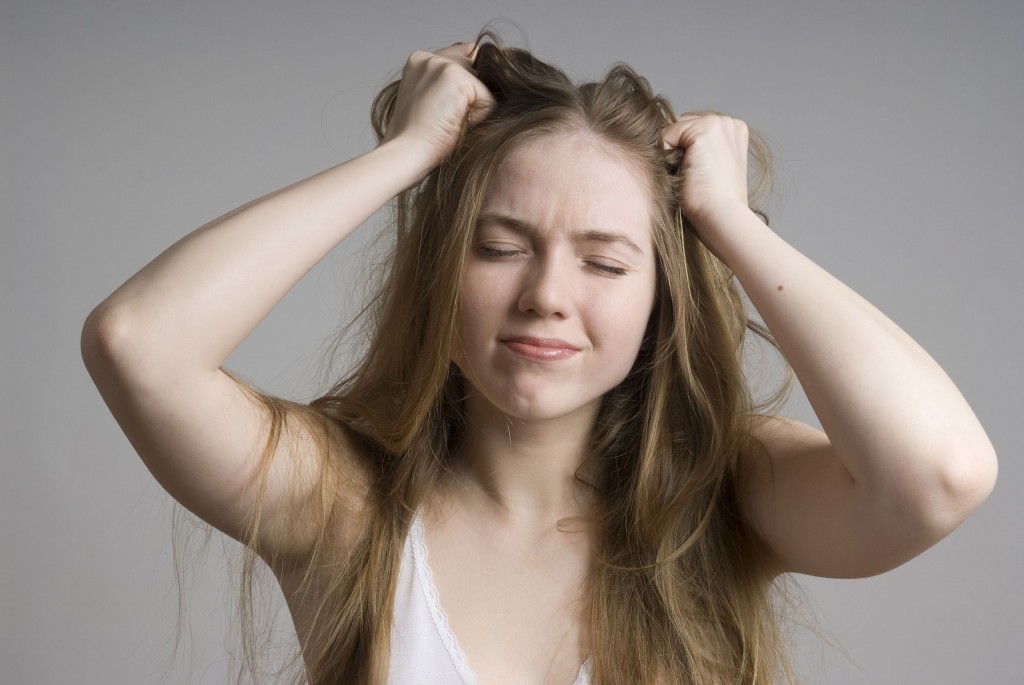
A doctor will begin patient’s medical evaluation by performing a physical exam (especially a neurological exam) and complete medical history. This will help to rule out an underlying medical condition as the cause of patient’s symptoms.
A doctor may need to order other tests, such as brain CT scans and blood tests, to determine if the tics are a symptom of something more serious, such as Huntington disease.
Other tests
Patient must meet all the following conditions to receive a transient tic disorder diagnosis:
- Patient must have one or more motor tics (such as blinking or shrugging the shoulders) or vocal tics (such as humming, clearing the throat, or yelling a word or phrase).
- Tics must occur for less than 12 months in a row.
- Tics must start before 18 years of age.
- Symptoms must not be a result of medication or drugs, or of another medical condition such as Huntington disease or post-viral encephalitis.
- Patient must not have Tourette syndrome or any other chronic motor or vocal tic disorder.
Tourette syndrome
Tourette syndrome, also known as Tourette disorder, typically begins in childhood. On average, it appears at age 7. Children with this disorder may experience spasms in the face, head, and arms.
The tics can intensify and spread to other areas of the body as the disorder progresses. However, the tics usually become less severe in adulthood.
Tics associated with Tourette syndrome include:
- flapping arms,
- sticking the tongue out,
- shrugging shoulders,
- inappropriate touching,
- vocalizing of curse words,
- obscene gestures.
To be diagnosed with Tourette syndrome, patient must experience vocal tics in addition to physical tics. Vocal tics include excessive hiccupping, throat clearing, and yelling. Some patients may also frequently use expletives or repeat words and phrases.
Tourette syndrome can usually be managed with behavioral treatment. Some cases may also require medication.
What conditions may resemble a facial tic disorder?
Other conditions may result in facial spasms that mimic facial tics. They include: 
- hemifacial spasms, which are twitches that affect only one side of the face,
- blepharospasms, which affect the eyelids,
- facial dystonia, a disorder that leads to involuntary movement of facial muscles.
If facial tics start in adulthood, doctor should suspect hemifacial spasms.
Chronic motor or vocal tic disorder
While transient tics disappear within a year, chronic tics can last for a year or more. Chronic tic disorder is characterized by the presence of one or more long-lasting tics. They may be either motor or vocal, but not both. For a diagnosis of chronic tic disorder, symptoms must begin before age 18. Chronic tics occur in less than 5 in 100 children. Tourette’s syndrome. In some instances, what appears to be a chronic tic may be a sign of Tourette’s syndrome. This syndrome is the most severe tic disorder. It is characterized by the presence of both motor tics and vocal tics.
The severity of Tourette’s syndrome often changes over time. There may be periods of reduced tic frequency followed by heightened tic activity. Many people with Tourette’s syndrome find that their condition improves as they get older.
Allopathic treatment for tics and twitches
According to allopathic doctors, most facial tic disorders don’t require treatment. If your child develops facial tics, avoid drawing attention to them or scolding them for making involuntary movements or sounds.
There is no treatment for tics and twitches in allopathy. Allopathic treatment may be needed if the tics interfere with social interactions, schoolwork, or job performance. Allopathic treatment options often don’t completely eliminate tics but help reduce tics. Treatment options can include:
- stress reduction programs,
- psychotherapy,
- behavioral therapy, comprehensive behavioral intervention for tics (CBIT),
- dopamine blocker medications,
- antipsychotic medications like haloperidol (Haldol), risperidone (Risperdal), aripiprazole (Abilify) etc,
- anticonvulsant topiramate (Topamax),
- alpha-agonists like clonidine and guanfacine,
- medications to treat underlying conditions, such as ADHD and OCD,
- botulinum toxin (Botox) injections to temporarily paralyze facial muscles.
Latest allopathic research
Recent studies have shown that deep brain stimulation may help treat Tourette syndrome. Deep brain stimulation is a surgical procedure that places electrodes in the brain. The electrodes send electrical impulses through the brain to restore the brain circuitry to more normal patterns. 
This type of allopathic treatment can help relieve symptoms of Tourette syndrome. However, more research is needed to determine the best area of the brain to stimulate for improvement of Tourette syndrome symptoms.
Cannabis-based medications might also be effective in helping reduce tics. However, the evidence to support this is limited. Cannabis-based medications should not be prescribed to children and adolescents, or to pregnant or nursing women.
Allopathic treatment for Chronic motor tic disorder
The type of allopathic treatment patient receive for chronic motor tic disorder will depend on the severity of the condition and how it affects his/her life.
Allopathic medication
Medication can help manage or reduce tics. Medications that are sometimes prescribed to control tics include:
- haloperidol,
- pimozide,
- risperidone,
- aripiprazole,
- topiramate,
- clonidine,
- guanfacine,
- cannabis-based medications.
There are very limited evidences that the cannabinoid delta-9-tetrahydrocannabinol (dronabinol) helps stop tics in adults. However, cannabis-based products should not be prescribed to children, adolescents, pregnant or nursing mothers.
How is transient tic disorder treated allopathically?
Transient tic disorder in children often goes away without treatment. It’s important that family members and teachers don’t call attention to the tics. This can make the child more self-conscious and aggravate their symptoms. Because stress can make tics worse or more frequent, techniques to control and manage stress are important.
Cognitive behavioral therapy is a useful way to treat tic disorders. During these sessions, a person learns to avoid self-destructive actions by controlling their emotions, behaviors, and thoughts.
Allopathic medication can’t completely cure tic disorders, but it can reduce symptoms for some people. Doctor could prescribe drugs that reduces the dopamine in the brain, such as haloperidol or pimozide. Dopamine is a neurotransmitter that may influence tics.
A doctor could also advise for tic disorder antidepressants. These drugs help treat symptoms of anxiety, sadness, or obsessive-compulsive disorder, and may help with the complications of transient tic disorder.
Homeopathic treatment for tics and twitches and all their types
Secale Cornutum
Contraction of the unstriped muscular fibers, a constringent feeling throughout the whole body.  Anemia, coldness, numbness, petechiae, mortification, gangrene. Shriveled skin-thin, scrawny. Debility, anxiety, emaciation, though appetite and thirst may be excessive. Facial and abdominal muscles twitch. Face pale, pinched, sunken. Cramps commence in face and spread over whole body. Livid spots on face. Spasmodic distortion. Tingling of tip of tongue, which is stiff, swollen, paralyzed. Spinal irritation, tingling of lower extremities. Locomotor ataxia. Formication and numbness. Myelitis.
Sleep profound and long. Insomnia with restlessness, fever, anxious dreams. Insomnia of drug and liquor habitudes. Extremities cold, dry hands and feet of excessive smokers with feeling of fuzziness in fingers. Trembling, staggering gait. Formication, pain and spasmodic movements. Numbness. Fingers and feet bluish, shriveled, spread apart or bent backwards, numb.
Colchicum Autumnale
Itching in ears; sharp, shooting pains below right tragus. Pain in facial muscles, moving about. Tingling and oedematous swelling; cheeks red, hot, sweaty. Very irritable with the pains (Cham). Pain behind angle of right lower jaw. Profuse salivary secretion. Sensation of swelling in vulva and clitoris. Pins and needles in hands and wrists, fingertips numb. Tingling in the finger nails.
Chamomilla
Especially of frequent employment in diseases of children, where peevishness, restlessness, sensitive, irritable, thirsty, hot, and numb. Over sensitiveness from abuse of coffee, chocolate and narcotics. Jerking of tongue and facial muscles. Hoarseness, hawking, rawness of larynx. Irritable, dry, tickling cough; suffocative tightness of chest. 
Magnesium Phosphoricum
The great anti-spasmodic remedy. Cramping of muscles with radiating pains. Involuntary shaking of hands. Paralysis agitans. Cramps in calves. Twitching. General muscular weakness. Increased lachrymation. Twitching of lids. Nystagmus strabismus, ptosis. Eyes hot, tired, vision blurred, colored lights before eyes.
Agaricus Muscarious
arious forms of neuralgia and spasmodic affections, and neurotic skin troubles for example; jerking, twitching, trembling, and itching are strong indications. Anemia, chorea, twitching during sleep. Delirium. General paralysis. Sensation as if pierced by needles of ice. Sensation of cold, numbness and tingling. Twitching of lids and eyeballs. Twitching of muscles about the ear and noises. Lips twitching. Extremities trembling.
Physostyga Venenosum
Contraction of the pupil and of the ciliary muscles. Rigidity of muscles; paralysis. Depresses the motor and reflex activity of the cord and causes loss of sensibility to pain, muscular weakness, followed by complete paralysis, although muscular contractility is not impaired. Paralysis and tremors, chorea. Meningeal irritation, with rigidity of muscles. Tetanus and trismus. Poliomyelitis. Photophobia; contraction of pupils; twitching of ocular muscles. Burning and tingling of nostrils. Burning and tingling in spine. Hands and feet numb. Sudden jerking of limbs on going to sleep. Tetanic convulsions. Locomotor ataxia.
Zincum Metallicum
Defective vitality. Impending brain paralysis. Period of depression in disease. Spinal affections. Twitching. Chorea, from fright or suppressed eruption. Convulsions, with pale face and no heat. Marked anemia with profound prostration. Child repeats everything said to it. Melancholia. Lethargic, stupid. Paresis. Rolls head from side to side. Bores head into pillow. Automatic motion of head and hands. Brain-fag; headaches of overtaxed school children. Rolling of eyes. Throat: Dry; constant inclination to hawk up mucus. Hiccough, nausea, vomiting. Involuntary urination. trembling and twitching of various muscles. Formication of feet and legs as from bugs crawling over the skin.
Belladonna
Face red, bluish-red, hot, swollen, shining; convulsive motion of facial muscles. Splitting hairs. Facial neuralgia with twitching muscles and flushed face. Teeth grinding. Stammering. Imaginary odors. Tingling in tip of nose. Continual inclination to swallow.
Ocular illusions; fiery appearance. Sensation as if eyes were half closed. Eyelids swollen. Fundus congested. Jerking limbs. Spasms. Involuntary limping.
Opium
Lessens voluntary movements, contracts pupils, depresses higher intellectual powers, lessens self-control and power of concentration, judgment; stimulates the imagination. Delirious talking, with wide open eyes. Spasmodic facial twitching, especially corners of mouth. Veins of face distended. Hanging down of lower jaw. Twitching of limbs. Numbness. Jerks as if flexors were overacting. 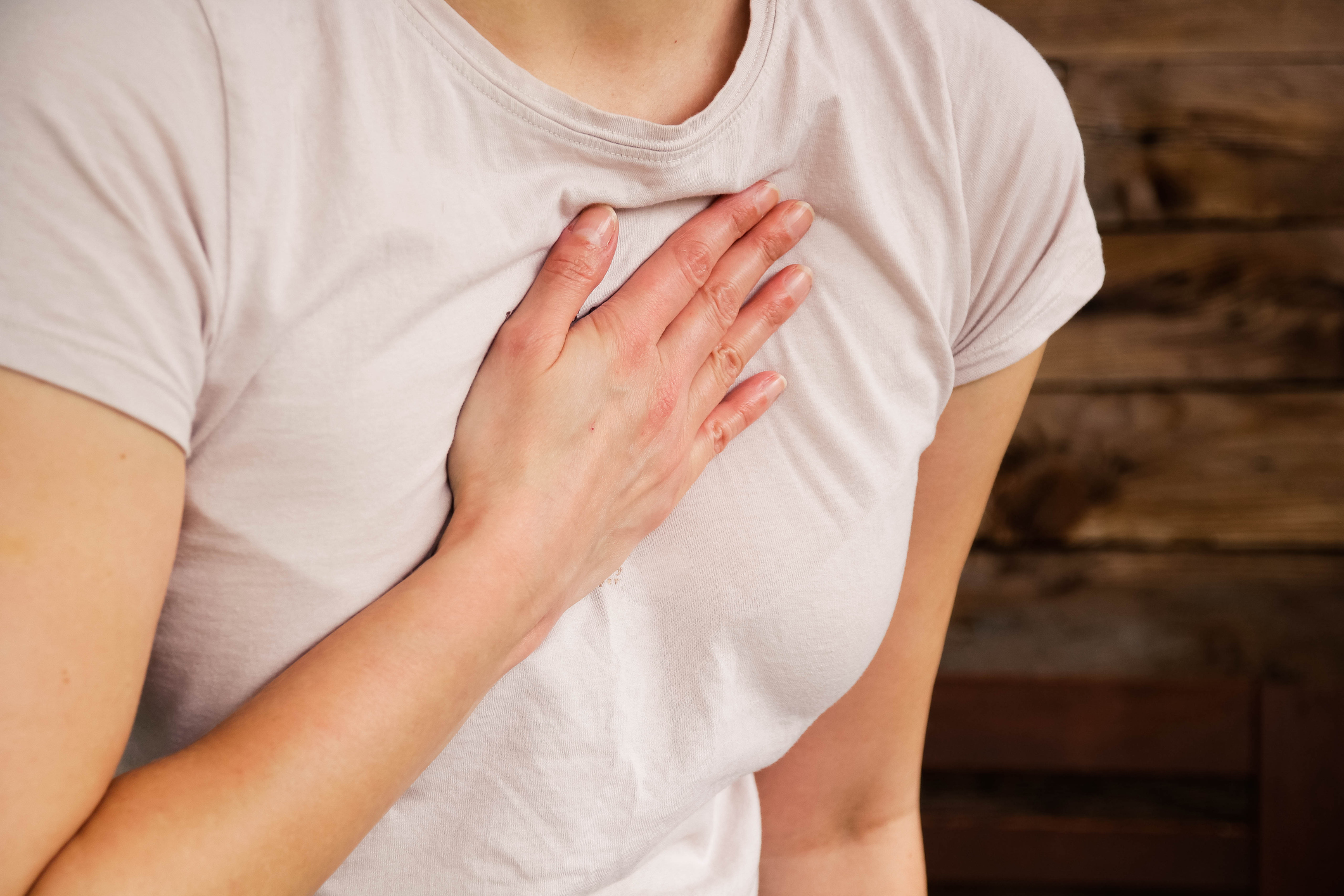
Codeinum
Trembling of whole body. Involuntary twitching of muscles of arms and lower limbs. Itching, with feeling of warmth, numbness and prickling. Diabetes. Involuntary twitching of lids. Short and irritating cough; worse, at night.
Hyoscyamus Niger
Tremulous weakness and twitching of tendons. Subsultus tendinum (involuntary twitching or tremor of muscles). Muscular twitching, spasmodic affections, generally with delirium. Non-inflammatory cerebral activity. Very suspicious. Talkative, obscene, lascivious mania, uncovers body; jealous, foolish. Great hilarity; inclined to laugh at everything. Delirium, with attempt to run away. Low, muttering speech; constant carphologia, deep stupor.
Involuntary micturition. Before menses, hysterical spasms. Excited sexual desire. During menses, convulsive movements. Suffocating fits. Spasm, forcing bending forward. Great restlessness; every muscle twitches.
Conium maculatum
Difficult gait, trembling, sudden loss of strength while walking, painful stiffness of legs. Extremities: Heavy, weary, paralyzed; trembling; bands unsteady; fingers and toes numb. Muscular weakness, especially of lower extremities. Perspiration of hands. Putting feet on chair relieves pain.
Gelsemium Semervirens
Centers its action upon the nervous system, causing various degrees of motor paralysis. General prostration. Dizziness, drowsiness, dullness, and trembling. Slow pulse, tired feeling, mental apathy. Paralysis of various groups of muscles about the eyes, throat, chest, larynx, sphincter, extremities, etc. Post-diphtheritic paralysis. Muscular weakness. Complete relaxation and prostration. Lack of muscular co-ordination. General depression from heat of sun. Orbital neuralgia, with contraction and twitching of muscles. Facial muscles contracted, especially around the mouth. Chin quivers. Lower jaw dropped, paralyzed. Complete relaxation of the whole muscular system. Languor; muscles feel bruised. Every little exertion causes fatigue. Pain in neck. Loss of power of muscular control. Cramp in muscles of forearm.
Ustilago Maydis
Muscular debility, sensation of boiling water along the back. Clonic and tetanic movements. Muscular contractions, especially of lower limbs. Alopecia. Tendency to small boils. Skin dry; eczema; copper-colored spots.
Ignetia Amara
Rapid change of mental and physical condition. Twitching of muscles of face and lips. Changes color when at rest. Tendency to choke, globus hystericus. Jerking of limbs. Pain in tendo-Achillis and calf. Jerking of limbs on going to sleep. 
Plumbum Metallicum
Paralysis of extensors, forearm or upper limb, from center to periphery with partial anesthesia or excessive hyperesthesia, preceded by pain. Localized neuralgic pains, neuritis. Progressive muscular atrophy. Infantile paralysis. Locomotor ataxia. Bulbar paralysis. Symptoms of multiple sclerosis, posterior spinal sclerosis.
Mental depression. Quiet melancholy. Slow perception; loss of memory; amnesic aphasia. Hallucinations and delusions. Intellectual apathy. Memory impaired (Dementia). Paretic dementia. Pupils contracted. Intraocular, suppurative inflammation. Sudden loss of sight after fainting. Tremor of naso-labial muscles.
Paralysis of single muscles. Paralysis from overexertion of the extensor muscles Pains in muscles of thighs; come in paroxysms. Wrist-drop. Cramps in calves. Stinging and tearing in limbs, also twitching and tingling, numbness, pain or tremor. Pain in atrophied limbs alternates with colic. Loss of patellar reflex.
Helleborus Niger
Sees, hears, tastes imperfectly, general muscular weakness, which may go on to complete paralysis, accompanied by dropsical effusions. Slow in answering. Thoughtless; staring. Involuntary sighing. Complete unconsciousness. Picks lips and clothes. Forehead wrinkled in folds. Rolls head day and night; moaning, sudden screams. Bores head into pillow; beats it with hands. Dull pain in occiput, with sensation of water swashing inside. Headache culminates in vomiting.
Eyeballs turn upwards; squinting, vacant look. Pupils dilated. Eyes wide open, sunken. Night-blindness. Dry nostrils. Rubs nose. Smell diminished. Nose pointed. Face wrinkled. Falling of lower jaw. Meaningless picking of lips. Grinding of teeth. Chewing motion. Greedily swallows cold water, though unconscious. Automatic motion of one arm and leg. Limbs heavy and painful. Stretching of limbs. Thumb drawn into palm. Sudden screams in sleep. Sonorous sleep.
Cuprum Metallicum
Spasmodic affections, cramps, convulsions, beginning in fingers and toes, violent, contractive, and intermittent pain. Clonic spasms, convulsions, and epileptic attacks. Chorea brought on by fright. Epilepsy, aura begins at knees, ascends to hypogastrium; then unconsciousness, foaming, and falling. Symptoms disposed to appear periodically and in groups. Complaints begin in left side.
Fixed ideas, malicious and morose. Uses words not intended. Fearful. Empty feeling. Purple, red swelling of head, with convulsions. Meningitis. Giddiness accompanies many ailments, head falls forward on chest. 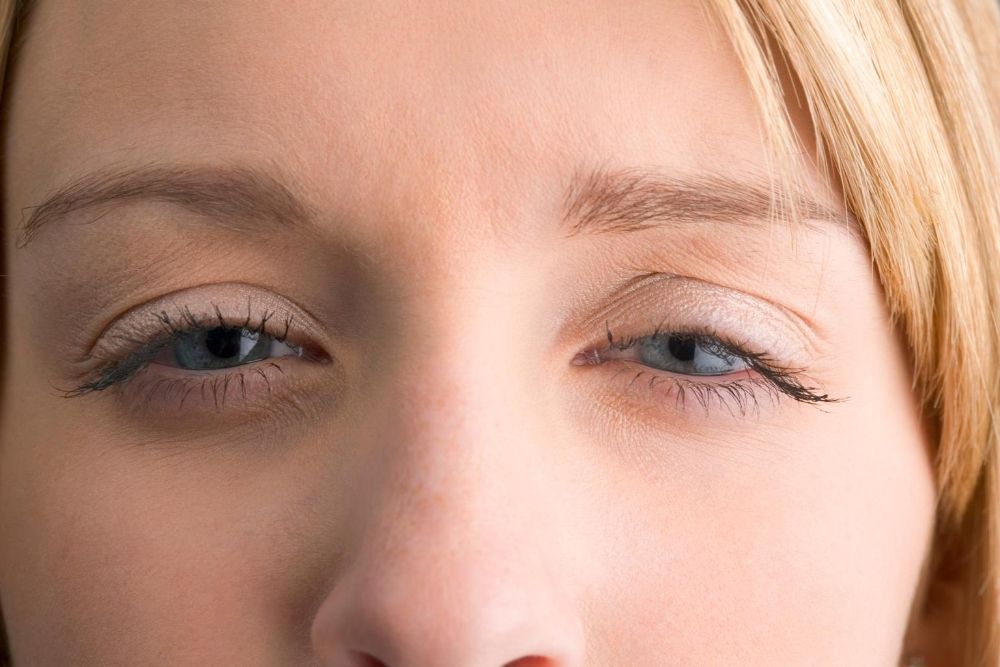
Eyes fixed, stary, sunken, glistening, turned upward. Crossed. Quick rolling of eyeballs, with closed eyes. Jerking, twitching of muscles. Coldness of hands. Cramps in palms. Great weariness of limbs. Cramps in calves and soles. Epilepsy; auro begins in knees. Clenched thumbs. Clonic spasms, beginning in fingers and toes. Constant protrusion and retraction of the tongue. Paralysis of tongue. Stammering speech. Jerking, twitching of muscles. Coldness of hands. Cramps in palms. Great weariness of limbs. Cramps in calves and soles. Clenched thumbs. Clonic spasms, beginning in fingers and toes.
Veratrum Album
A perfect picture of collapse, with extreme coldness, blueness, and weakness. Shock with cold sweat on forehead, pale face, rapid, feeble pulse. Melancholy, with stupor and mania. Sits in a stupid manner; notices nothing; Sullen indifference. Frenzy of excitement; shrieks, curses. Puerperal mania. Aimless wandering from home. Delusions of impending misfortunes. Mania, with desire to cut and tear things. Attacks of pain, with delirium driving to madness. Staring; turned upwards, without luster. Lachrymation with redness. Lids dry heavy.
Veratrum Viride
Pain in back of neck and shoulders. Severe pain in joints and muscles. Violent electric-like shocks in limbs. Convulsive twitching. Acute rheumatism. Paroxysms of auricular fibrillation.
Nux moschata
Tendency to fainting fits. General inclination to become unconscious during acute attacks. Lypothymia. Staggers on trying to walk. Loss of voice from walking against the wind. Mind – changeable; laughing and crying. Confused, impaired memory. Bewildered sense, as in a dream. Thinks she has two heads. Vertigo when walking in open air; aches from eating a little too much. Feeling of expansion, with sleepiness. Pulsating in head. Cracking sensation in head. Sensitive to slightest touch in a draught of air.
Kalium phosphoricum
One of the greatest nerve remedies. Prostration. Weak and tired. Especially adapted to the young. Disturbance of the sympathetic nervous system. Weakness of nerve power, neurasthenia, mental and physical depression. The causes are usually excitement, overwork and worry. Anxiety, nervous dread, lethargy. Indisposition to meet people. Extreme lassitude and depression. Very nervous, starts easily, irritable. Brain-fag; hysteria. Somnambulance (sleepwalking). Loss of memory. Slightest labor seems a heavy task. Great despondency about business. Shyness; disinclined to converse. Drooping of eyelids
Sepia Officinalis
Indifferent. Irritable; easily offended. Dreads to be alone. Very sad. Weeps when telling symptoms. Miserly. Anxious toward evening; indolent. Vertigo, with sensation of something rolling round in head. Prodromal symptoms of apoplexy. Stinging pain from within outward and upward mostly left, or in forehead, with nausea, vomiting; worse indoors and when lying on painful side. Jerking of head backwards and forwards. Muscular asthenopia. Lower extremities lame and stiff, tension as if too short. Heaviness and bruised feeling. Restlessness in all limbs, twitching and jerking night and day. Coldness of legs and feet.
Cimicifuga Racemosa
Muscular and crampy pains, primarily of neurotic origin, occurring in nearly every part of the body. Agitation and pain like electric shocks here and there. Mania following disappearance of neuralgia. Ears sensitive to least noise. Choreic movements, accompanied by rheumatism. Jerking of limbs. Stiffness in tendo-Achilles. Heaviness in lower extremities. Heavy, aching, tensive pain. 
Platinum Metallicum
Strong tendency to paralysis, anesthesia, localized numbness and coldness. Hysterical spasms; pains increase and decrease gradually. Tremulousness. Irresistible impulse to kill. Self-exaltation; contempt for others. Arrogant, proud. Weary of everything. Everything seems changed. Mental trouble pressed menses. Physical symptoms disappear as mental symptoms develop. Twitching of lids. Eyes feel cold. Cramp-like pain in orbits. Roaring and rumbling. Tightness of thighs, as if too tightly wrapped. Numb and weary sensation. Feel paralyzed.
Opium
Opisthotonos. Swollen veins of neck. Painless paralysis. Twitching of limbs. Numbness. Jerks as if flexors were overacting. Convulsions; worse from glare of light; coldness of limbs. Eyes half-closed, dilated; pupils insensible, contracted.
Face red, bloated, swollen, dark suffused, hot. Looks intoxicated, besotted. Spasmodic facial twitching, especially corners of mouth. Veins of face distended. Hanging down of lower jaw. Distorted. Mouth dry, tongue black, paralyzed bloody froth. Intense thirst. Blubbering op lips. Difficult articulation and swallowing.
Podophylum
Rolling of head from side to side, moaning and vomiting and eyelids half closed. Pain between shoulders, under scapula, in loins and lumbar region. Pain in inguinal region; shoots down inner thigh to knees. Paralytic weakness on left side. Grinding the teeth at night; intense desire to press the gums together. Difficult dentition. Tongue broad, large, moist. Foul, putrid taste. Burning sensation of tongue.
Thallium Metallicum
Horrible neuralgic, spasmodic, shooting pains. Muscular atrophy. Tremors. Relieves the violent pains in locomotor ataxia. Paralysis of lower limbs. Pain in stomach and bowels, like electric shocks. Paraplegia. Alopecia following acute, exhausting diseases. Extremities trembling. Paralytic feeling. Lancinating pains, like electric shocks. Very tired. Chronic myelitis. Numbness in fingers and toes, with extension up lower extremities, involving lower abdomen and perineum. Paralysis of lower limbs. Cyanosis of extremities. Formication, beginning in fingers and extending through pelvis, perineum and inner thighs to feet. 
Plectranthus
Sticking and paralytic drawing in all the joints and limbs. Sensation of paralysis in joints of fingers and toes. Violent drawing in upper and lower incisors with swelled cheek. Periodic drawing in teeth extending to temple and ear. Upper incisors sensitive. Tongue coated. Sensation on root of tongue and on soft palate, at first cool, then burning. Opening the mouth became very difficult; ulcers on palate.
Scraping in throat; stitches. Burning as from pepper, from root of tongue to stomach. Tension in pharynx when drinking, with tickling in ears, that obliges frequent hawking. Acute pressure in pharynx, on swallowing became a burning, not affected by external pressure. Dysphagia.
P. S: This article is only for doctors and students having good knowledge about Homeopathy and allopathy.

For proper consultation and treatment, please visit our clinic.
 Dr. Sayyad Qaisar Ahmed (MD {Ukraine}, DHMS), Abdominal Surgeries, Oncological surgeries, Gastroenterologist, Specialist Homeopathic Medicines.
Senior research officer at Dnepropetrovsk state medical academy Ukraine.
Location: Al-Haytham clinic, Umer Farooq Chowk Risalpur Sadder (0923631023, 03119884588), K.P.K, Pakistan.
Find more about Dr Sayed Qaisar Ahmed at:
https://www.youtube.com/Dr Qaisar Ahmed
https://www.facebook.com/ahmed drqaisar