

The most common nail infections are bacterial and fungal infections (Onychomycosis). Fungal nail infections are common and are caused by fungi that live in the environment. They enter through small cracks in our nail or the nearby skin.
In fungal infections, invasive fungi grow in or on our body. Many types of fungi occur naturally in our body in small amounts. Some infections occur when these fungi grow out of control while other infections are caused by types of fungi not normally present in our body.
Nail fungus may happen on the fingernails or toenails, though it’s more common on the toes. People with fungal toenail infections often have an infection like athlete’s foot (tinea pedis) or ringworm between the toes.
What Are the Types of Nail Fungus?
Fungal nail infections are called onychomycosis. Many types of fungi can cause nail infections, but some common types include Trichophyton rubrum and Trichophyton interdigital. 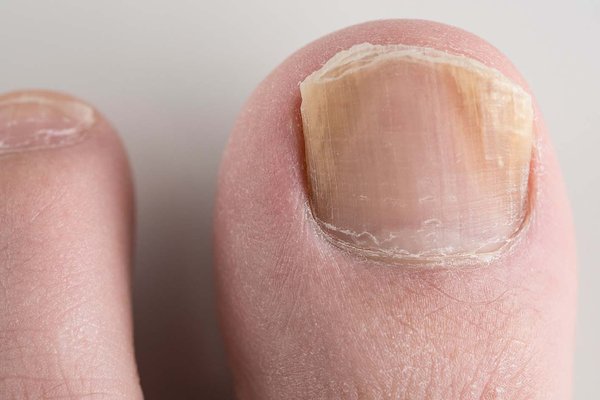
Fungi are organisms that spread via spores. They can be divided into subtypes depending on their particular features. Subtypes include:
Yeasts:
Some yeast species like Candida albicans have been reported as causing nail infections. Yeast infections usually occur on the fingernails.
Molds:
Some nail infections are caused by non-dermatophyte molds, such as:
- Aspergillus species,
- Scopulariopsis species,
- Fusarium species.
Molds are an emerging source of nail infections and seem more common in subtropical and tropical regions.
Dermatophytes:
Onychomycosis caused by dermatophytes is called tinea unguium. It most often affects our toenails but can also affect our fingernails. The most common causes are Trichophyton rubrum and Trichophyton interdigital.
About 90% of toenail fungal infections and 50% of fingernail fungal infections are caused by dermatophytes.
Dermatophytes are responsible for most nail fungal infections. Yeast and mold infections have been reported but aren’t as common.
Bacterial
Staphylococcus aureus bacteria is a common cause of bacterial nail infections. The infection first takes hold in the fold of the skin at the base of the nail and may worsen, leading to inflammation and pus. It is often associated with a fungal infection, particularly when it becomes severe.
Fungal
Fungal infections, such as tinea, are spread from one person to another and can affect the fingernails or toenails. Without treatment, the nail bed itself can become infected. People with diabetes or with compromised immune systems are at higher risk of fungal infection.
Symptoms include white, yellow, or green smelly discharge, thickening of the nail plate, and lifting of the nail plate off the nail bed.
What are common kinds of nail fungus?
Distal subungual infection
Distal subungual infections are the most common type of fungal nail infection and can develop in both  fingernails and toenails. When infected, the outer edge of the nail has a jagged appearance with white and/or yellow streaks across the nail. The infection invades the nail bed and underside of the nail.
White superficial infection
White superficial infections usually affect toenails. A certain type of fungus attacks the top layers of the nail and creates well-defined white spots on the nail. Eventually these white patches cover the entire nail, which becomes rough, soft, and prone to crumbling. Spots on nail may become pitted and flaky.
Proximal subungual infection
Proximal subungual infections are uncommon but can affect both fingernails and toenails. Yellow spots appear at the base of the nail as the infection spreads upward. This infection can commonly occur in people with compromised immune systems. It can also result from minor injury to the nail.
Candida infection
Candida yeasts cause this type of infection. It can invade nails previously damaged by a prior infection or injury. More commonly, Candida affects fingernails. It often occurs in people who frequently soak their hands in water.
These infections usually start by the cuticle around the nail, which becomes swollen, red, and tender to the touch. The nail itself may partially lift off the nail bed or fall off completely.
Nail fungus causes
Common causes of fungal nail infections include:
- skin-to-skin contact with people or animals who have it,
- shared towels, bedsheets, or other objects,
- shared surfaces like locker room floors,
- excessive sweating,
- tight socks and shoes,
- contact sports,
- walking barefoot in public showers or locker rooms.
Nail fungus symptoms
Nail fungal infections often cause no noticeable early symptoms. As the infection gets worse, one may develop symptoms like: 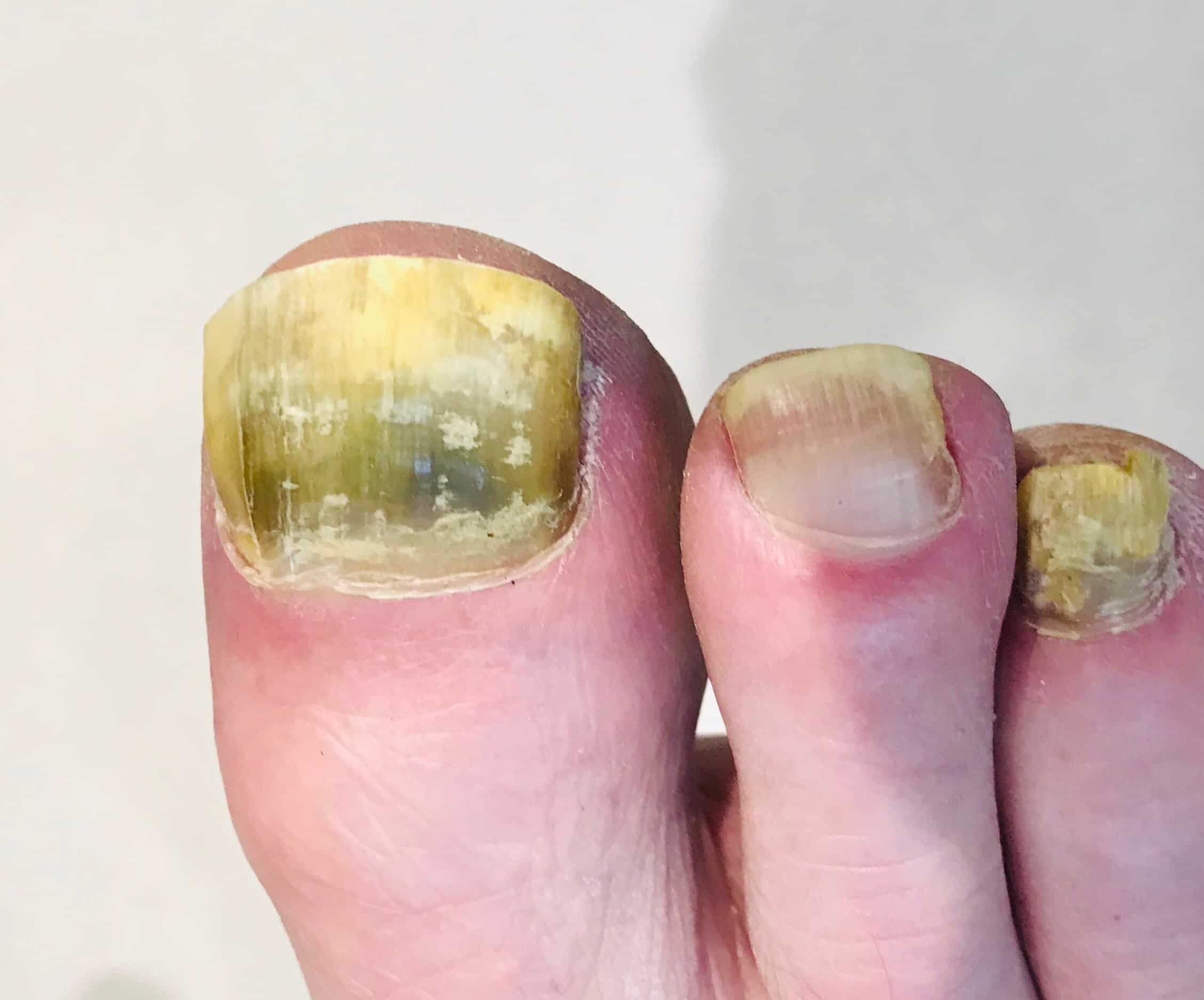
- whitish-yellow, green, or brown discoloration,
- thickening of nail, which may make it difficult to trim,
- pain or discomfort, especially when putting pressure on finger or toe,
- brittle or crumbly nails,
- foul odor coming from nail,
- nail that separates from the skin beneath it.
Sometimes the skin nearby may also become:
- infected,
- itchy,
- cracked,
- red,
- swollen.
Stages of Toenail Fungus Progression
Toenail fungus often starts with mild nail discoloration or lifting. It’s not usually serious, but the nails may thicken, become brittle, or fall off without treatment.
What do the different stages of toenail fungus look like?
Early stage
The earliest stage of toenail fungus typically involves:
- slight yellow, whitish, or brownish nail discoloration,
- subtle nail bed lifting,
- some mild nail thickening.
Moderate stage
In the moderate stage, you (doctor) might notice:
- more intense nail discoloration and thickening,
- brittle or crumbly nails,
- mild pain or discomfort.
Advanced stage
When nail fungus is advanced, patient may have:
- severe nail thickening, discoloration, and structural changes,
- nail crumbling,
- nearly complete nail detachment from the nail bed,
- chronic pain or difficulty walking.
A chronic nail fungus health concern may cause:
- complete nail detachment and damage,
- severe pain,
- a lower likelihood of nail regrowth,
- a higher chance of infection spreading to surrounding nails.
Although some people mistake nail psoriasis for nail fungus, the two conditions are different. Nail psoriasis typically has a pinkish, reddish, or purplish tone.
Rarely, people may mistake melanoma for nail fungus. Although melanoma may be difficult to detect, the nails usually have more extreme pigmentation changes, such as brown or black color bands on the nail.
Timeline of toenail fungus progression
Treating the fungus as soon as possible prevents it from growing and destroying the nail. The timeline of the fungal progression typically looks like this: 
- Early stage: 4 to 6 weeks,
- Moderate stage: 2 to 3 months,
- Advanced stage: occurs after the infection persists for at least 6 months,
- Chronic stage: may start after 1 year.
It may take 12 to 18 months before fresh growth fully replaces the damaged nail. When patient start to see healthy nail growth from the base of the nail (after treatment), it shows that his/her body has cleared the infection.
Infection subtypes
Onychomycosis is divided into subtypes depending on where the infection develops on nail and other features of the infection. Common subtypes include:
| Description | |
|---|---|
| Distal lateral subungual | affects the tip or side of the nail and is the most common subtype |
| Superficial | affects the surface of the nail |
| Endonyx | causes milky white discoloration throughout nail |
| Proximal subungual | affects the base of the nail and often suggests immunosuppression |
| Mixed pattern | has characteristics of multiple types |
| Total dystrophic | is an end-stage infection of distal lateral or proximal subungual |
| Secondary | affects the base of the nail and often suggests immunosuppression |
Allopathic treatment for nail fungus
Allopathic treatment isn’t guaranteed to completely rid patient’s body of the fungal infection and complications from fungal infection are also confirmed. Mild infections may be treatable with topical antifungal medications available over the counter or by prescription. They’re available in forms like:
- ointments,
- creams,
- polishes etc.
These allopathic topical remedies may need to be used for up to 1 year and generally contain the ingredients amorolfine or ciclopirox.
Over-the-counter products aren’t usually recommended to treat nail infections since they don’t provide reliable results in 6-8 months. Instead, your doctor may prescribe an oral antifungal medication, such as:
- terbinafine (Lamisil)
- itraconazole (Sporanox)
- fluconazole (Diflucan)
- griseofulvin (Gris-PEG)
Your doctor may prescribe other antifungal treatments, such as antifungal nail lacquer or topical solutions. These treatments are brushed onto the nail in the same way that you’d apply nail polish.
Depending on the type of fungus causing the infection, as well as the extent of the infection, you may have to use these medications for several months. Topical solutions aren’t generally effective in curing toenail fungal infections. 
Patient may need oral treatment for:
- proximal subungual onychomycosis,
- distant lateral subungual onychomycosis affecting more than 50% of the nail plate surface,
- infections involving 3 or more nails,
- no response to topical treatments after 6 months.
Nail fungus medical treatment
The only way to fully get rid of fingernail fungus is through medical treatments. These can also help prevent the fungus from spreading to other fingernails or parts of your body, as well as to other people.
An allopathic doctor may recommend one of the following treatments for a fungal nail infection:
- Combination therapies: In some cases, a doctor may recommend both topical and oral antifungal medications to help get rid of the fingernail infection.
- Laser therapy: If the infection doesn’t clear up with allopathic medications alone, laser treatments may help destroy fungi via high dose light energy.
- Surgery: In severe cases, and if all allopathic treatments have failed, an allopath may surgically remove the infected nail.
- Nonsurgical removal: A fingernail may also be removed non-surgically with chemicals.
How is a fungal nail infection treated Homeopathically?
Homeopathic Treatment for Nails Infections
There are dozens of well proven medicines in Homeopathy in last seven thousand years; here are very few of them:
Calcarea Flour
A powerful tissue remedy for hard, stony glands, varicose and enlarged veins, and malnutrition of bones. Hard knots in breast. Goiter. Congenital hereditary syphilis. Induration threatening suppuration. Congenital syphilis manifesting itself in ulcerating of mouth and throat, caries and necrosis with boring pains and heat. Arterio-sclerosis. Tuberculosis. 
Used after surgeries, the tendency to adhesions is reduced. Marked whiteness of skin. Scar tissue; adhesions after operations. Chaps and cracks. Fissures or cracks in the palms, nails etc or hard skin. Anal fissure. Suppurations with callous, hard edges. Whitlow {painful, infectious inflammation of the fingertip, most commonly a herpetic whitlow, caused by the herpes simplex virus (HSV)}. Indolent, fistulous ulcers, secreting thick, yellow pus. Hard, elevated edges of ulcer, surrounding skin purple and swollen. Knots, kernels, hardened glands in the female breast.
Calcarea Carbonica
Its chief action is centered in the vegetative sphere, impaired nutrition being the keynote of its action, the glands, skin, and bones. Abscesses in deep muscles; polypi and exostoses. Pituitary and thyroid disfunction. Skin unhealthy; readily ulcerating; flaccid. Small wounds do not heal readily. Nail infections. Fungal infections. Glands swollen. Nettle rash; better in cold air. Warts on face and hands. Petechial eruptions. Chilblains. Boils.
Teucrium Marum Verum
Affection of fingertips and joints of toes. Tearing pains in arms and legs. Pain in toenails, nails grown into flesh. Very dry skin. Suppurating grooves in the nails.
Apis Mellifica
Numbness of hands and tips of fingers. Hives with intolerable itching. Edematous swellings, sore, sensitive, with sensitiveness, rosy hue. Carbuncles, with burning, stinging pain. Nails infections and swellings.
Arsenicum Album
Peripheral neuritis. Diabetic gangrene. Ulcers on heel, in nails. Itching, burning, swellings; edema, eruption, papular, dry, rough, scaly; worse cold and scratching. Malignant pustules. Ulcers with offensive discharge. Anthrax. Poisoned wounds. Fungal infections. Urticaria, with burning and restlessness. Psoriasis. Scirrhous. Icy coldness of body. Epithelioma of the skin. Gangrenous inflammations.
Anthracinum
This nosode has proven a great remedy in epidemic spleen diseases, in septic inflammation, carbuncles and malignant ulcers. In boils and boil-like eruptions, acne. Terrible burning. Induration of cellular tissue, abscess, bubo, and all inflammation of connective tissue in which there exists a purulent focus.
Tissues: Hemorrhages, black, thick, tar-like, rapidly decomposing, from any orifice. Glands swollen, cellular tissues edematous and indurated. Septicemia. Ulceration, sloughing and intolerable burning. Erysipelas. Black and blue blisters. Dissecting wounds. Insect stings. Bad effects from inhaling foul odors. Gangrenous parotitis. Succession of boils. Gangrene. Foul secretions.
Hepar Sulphur
Suits especially scrofulous and lymphatic constitutions, inclined to have eruptions and glandular swellings. Unhealthy skin. Finger-joints swollen; tendency to easy dislocation. Nail of great toe painful on slight pressure. Abscesses: suppurating glands are very sensitive. Papules prone to suppurate and extend. Acne. Chapped skin, with deep cracks on hands, feet and nails. Ulcers, with bloody suppuration and bad smell. Ulcers very sensitive to contact, burning, stinging, easily bleeding. Sticking or pricking in afflicted parts. Putrid ulcers, surrounded by little pimples. Great sensitiveness to slightest touch. Chronic and recurring urticaria. Smallpox. Herpes circinate. Constant offensive exhalation from the body. 
Lachesis Mutus
Purpura, septic states, diphtheria, and other low forms of disease. Skin hot, perspiration, bluish, purplish appearance. Boils, carbuncles, ulcers, with bluish, purple surroundings. Nail infections. Dark blisters. Bed-sores, with black edges. Blue-black swellings. Pyemia; dissecting wounds. Purpura, with intense prostration. Senile erysipelas. Wens. Cellulitis. Varicose ulcers.
Magnatis Polus Australis
Dislocation, easy. Frostbite. Heart, palpitation of. Hernia. In growing toenails. Levitation. Menorrhagia. Varicose. Tingling and throbbing in ends of fingers. Panaritium (a painful, purulent – pus-forming infection of the soft tissues of the finger or toe). Throbbing in nails of feet while walking. Sensibility and pain from a wound in nail. The toenails penetrate the flesh. Lancinating pulsative pains in roots of nails.
Merc Solubilis
Decrepit, inflamed and necrotic wrecks, decomposes wounds. Fungal infections.
Mezereum
Skin symptoms, affections of bones, and neuralgias most important. Eczema; intolerable itching; chilliness with pruritus. Nail ulcers. Ulcers itch and burn, surrounded by vesicles and shining, fiery-red areola. Zona, with burning pain. Bones, especially long bones, inflamed and swollen; caries, exostosis; pain worse night, touch, damp weather. Eruptions ulcerate and form thick scabs under purulent matter exudes
Borex Venata
Feeling as of cobwebs on hands. Itching on back of finger-joints and hands. Throbbing pain in tip of thumb, infections. Burning pain in infections. Eczema of toes and fingers with loss of nails. Psoriasis. Erysipelas in face. Unhealthy skin: slight injuries suppurate. Herpes. Erysipelatous inflammation with swelling and tension. Eruptions on fingers and hands, itching and stinging.
Lycopodium Clavatum
Ulcerates. Abscesses beneath skin, nail infections. Fungal infections. Hives. Violent itching; fissured eruptions. Acne. Chronic eczema; bleeds easily. Skin thick and indurated. Varicose veins, naevi, erectile tumors. Brown spots, freckles. Offensive secretions; viscid and offensive perspiration, especially of feet and axilla. Psoriasis.
Kreosotum
Itching. Burning in soles. Senile gangrene. Fungal infections. Nail infections. Small wounds bleed freely. Pustules and herpes. Ecchymosis; dorsal surface of fingers and hands eczematous.
Crotalus Horridus
Swelling and discoloration, skin tense and shows every tint of color, with excruciating pain. Vesication. Sallow. Yellow color of the whole body. Great sensitiveness of skin. Purpura hemorrhagic. Hemorrhage from every part of body. Bloody sweat. Chilblains, felons. Dissecting wounds. Pustular eruptions. Insect stings. Post-vaccination eruptions. Bad effects of vaccination. Lymphangitis and septicemia. Boils, carbuncles, and eruptions are surrounded by purplish, mottled skin and edema. Toenail infections. Anthrax.
Cantharis Vesicatoria
Dermatitis venenata with bled formation. Secondary eczema, following excessive perspiration. Tendency to gangrene. Eruption with mealy scales. Vesicular eruptions, with burning and itching. Sunburn. Burns, scalds, with rawness and smarting, relieved by cold applications, followed by undue inflammation. Erysipelas, vesicular type, with great restlessness. Burning in soles. 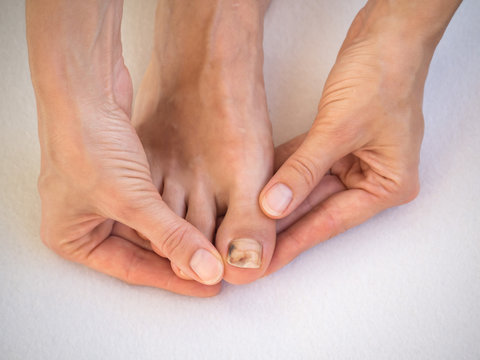
Natrium Sulphuricum
Swelling of axillary glands. Inflammation around root of nails. Burning in soles; edema of feet; itching between toes. Gout. Pain in limbs, compels frequent change in position. Run-arounds. Pain in hip-joints, worse left, worse, stooping. Stiffness of knees, cracking of joints. Rheumatism. Itching while undressing. Jaundiced, watery blisters. Sycotic excrescences; wart-like red lumps all over body.
Sulpher
Dry, scaly, unhealthy; every little injury suppurates. Freckles. Itching, burning; worse scratching and washing. Pimply eruption, pustules, rhagades, hangnails. Fungal nail infections. Excoriation, especially in folds. Feeling of a band around bones. Skin affections after local medication. Pruritus, especially from warmth, is evening, often recurs in springtime, in damp weather.
Alumina
Hot/burning pain in arm and fingers. Staggers on walking. Heels numbed. Soles tender; on stepping, feel soft and swollen. Gnawing beneath fingernails. Brittle nails. Fungal nail infections. Skin chapped and dry tettery. Brittle nails. Brittle skin on fingers.
Antimuonium Crudum
Twitching of muscles. Jerks in arms. Arthritic pain in fingers. Nails brittle; grow out of shape. Fungal nail infections. Horny warts on hands and soles. Inflamed corns. Pain in heels. Eczema. Pimples, vesicles, and pustules. Thick, hard, honey-colored scabs. Urticaria; measle-like eruption. Itching when warm in bed. Dry skin. Warts. Dry gangrene. Scaly, pustular eruption with burning and itching.
Buforana
Panaritium (a painful, purulent (pus-forming) infection of the soft tissues of the finger or toe). Patches of skin lose sensation. Pustules, suppuration from every slight injury. Pemphigus. Bullae which open and leave a raw surface, exuding and ichorous fluid. Blisters on palms and soles. Itching and burning. Carbuncle. Bluish black swelling around nails, followed by suppuration.
Dioscorea Villosa
Nails brittle, deposition to felons; frequent sharp pains in bones of fingers, one finger at a time.
Fluroricum Acidum
Panaritium, onychia with ulceration, sharp, sticking pain at root of right thumb
nail. Nails grow more rapidly, crumpled or longitudinal ridges in them, soreness between toes. in growing toenails. Especially adapted to chronic diseases with syphilitic and mercurial history. Glabella region bloated. Acts especially upon lower tissues, and indicated in deep, destructive processes, bedsores, ulcerations, varicose veins, and ulcers. 
Graphites
Ingrowing toenail: sides and roots of the finger and toenails become sore, ulcerate and smell, violently burning and throbbing. Hypertrophy of nails. ids absorption of cicatricial tissue. Induration of tissue. Cancer of pylorus.
Sepia Officinalis
Itching with shooting, burning, throbbing at intervals or alternately; part dark red and pus visible. White spots on nail. Herpes circinate in isolated spots. Itching; not relieved by scratching; worse in bends of elbows and knees. Chloasma; herpetic eruption on lips, about mouth and nose. Ringworm-like eruption every spring. Urticaria on going in open air; better in warm room. Hyperidrosis and bromhidrosis. Sweat on feet, worse on toes, intolerable odor. Ichthyosis with offensive odor of skin.
Silica Terra
Ingrowing toenail, tearing pain. Nails are corrugated, distorted, thick or brittle and falling out, white spots on nails. Affections of fingernails, especially if white spots on nails. Icy cold and sweaty feet. Offensive sweat on feet, hands, and axillae. Panaritium.
Felons, abscesses, boils, old fistulous ulcers. Delicate, pale, waxy. Cracks at end of fingers. Painless swelling of glands. Rose-colored blotches. Scars suddenly become painful. Pus offensive. Promotes expulsion of foreign bodies from tissues. Every little injury suppurates. Long lasting suppuration and fistulous tracts. Dry fingertips. Eruptions itch. Crippled nails. Indurated tumors. Abscesses of joints. Side effects of vaccination. Bursa. Lepra, nodes, and coppery spots. Keloid growths.
Thuja Occidentalis
Fingernails distorted, crumbling, soft, discolored, toenails brittle and distorted, ingrowing toenails, white spot-on nails. Tips of fingers swollen, red, feel read. Muscular twitching, weakness and trembling. Cracking in joints. Pain in heels and tendo-Achilles.
Skin: Polypi, tubercles, warts epithelioma, naevi, carbuncles; ulcers, especially in Ano-genital region. Freckles and blotches. Perspiration sweetish, and strong. Dry skin, with brown spots. Zona; herpetic eruptions. Tearing pains in glands. Glandular enlargement. Nails crippled; brittle and soft. Eruptions only on covered parts. Sarcoma; polypi.
P. S: This article is only for doctors and students having good knowledge about Homeopathy and allopathy.

For proper consultation and treatment, please visit our clinic.
 Dr. Sayyad Qaisar Ahmed (MD {Ukraine}, DHMS), Abdominal Surgeries, Oncological surgeries, Gastroenterologist, Specialist Homeopathic Medicines.
Senior research officer at Dnepropetrovsk state medical academy Ukraine.
Location: Al-Haytham clinic, Umer Farooq Chowk Risalpur Sadder (0923631023, 03119884588), K.P.K, Pakistan.
Find more about Dr Sayed Qaisar Ahmed at:
https://www.youtube.com/Dr Qaisar Ahmed