

Club drugs are group of psychoactive drugs. They act on the central nervous system and can cause changes in mood, awareness, and behavior. These drugs are most often used by young adults at bars, concerts, nightclubs, and parties. Club drugs, like most drugs, have nicknames that change over time or are different in different areas of the country.
What are the different types of club drugs?
The most commonly used types of club drugs include:
MDMA (Methylenedioxymethamphetamine)
Also called Ecstasy (tablet form) and Molly (crystal form) is a synthetic psychoactive drug with stimulant and minor psychedelic properties. It induces euphoria, increased sociability, and sensory enhancement, but poses serious health risks, including severe overheating, dehydration, cardiovascular issues, and potential death,
GHB (Gamma-hydroxybutyrate)
Also known as G and Liquid Ecstasy. Gamma-Hydroxybutyrate (GHB) is a potent central nervous system depressant and naturally occurring neurotransmitter used recreationally for its euphoric, sedative, and libido-enhancing effects. Known as a “date-rape drug” due to its ability to cause memory loss and unconsciousness, it is highly dangerous at high doses, leading to seizures, respiratory arrest, and death.
Ketamine
Also known as Special K and K. Ketamine is a dissociative anesthetic used legally for medical and veterinary purposes and illegally as a recreational drug. It is known for inducing a “dissociative” state—a feeling of being detached from one’s body and environment—while providing significant pain relief.
Flunitrazepam (Rohypnol)
also known as Roofies. A powerful central nervous system (CNS) depressant that belongs to the benzodiazepine class. It is known for its strong sedative, anti-anxiety, and muscle relaxant effects. While legally prescribed for severe insomnia, it is not approved for medical use and is illegal, where it is classified as a Schedule IV controlled substance. It is widely recognized as a “date rape” drug.
Methamphetamine
Also known as Speed, Ice, and Meth. Methamphetamine – meth for short – is a very addictive stimulant drug. It is a powder that can be made into a pill or a shiny rock (called a crystal). The powder can be eaten or snorted up the nose. It can also be mixed with liquid and injected into your body with a needle. Crystal meth is smoked in a small glass pipe. Meth at first causes a rush of good feelings, but then users feel edgy, overly excited, angry, or afraid. Meth use can quickly lead to addiction. It causes medical problems including: 
-
- Making your body temperature so high that you pass out
- Severe itching
- “Meth mouth” – broken teeth and dry mouth
- Thinking and emotional problems
LSD (Lysergic Acid Diethylamide)
Also known as Acid, is an extremely potent, synthetic, hallucinogenic drug derived from ergot fungus (in homeopathy, ergot fungus—known as Secale Cornutum), designed to produce intense sensory distortions, mood changes, and altered consciousness. Typically taken orally, its effects—known as “trips”—last 7–12 hours, commonly causing hallucinations, synesthesia, and emotional fluctuations. It is non-addictive, has very low toxicity, but induces rapid tolerance.
Some of these drugs are approved for certain allopathic medical uses. Other uses of these drugs are misuse.
What are date rape drugs?
Date rape drugs are any type of drug or alcohol used to make sexual assault easier. Someone could put one in your drink when you are not looking. Or you may be drinking alcohol or taking a drug, and a person may make it stronger without you knowing.
Club drugs are also sometimes used as “date rape” drugs. These drugs are very powerful. They can affect you very quickly, and you might not know that something is wrong. The length of time that the effects last varies. It depends on how much of the drug is in your body and if the drug is mixed with other drugs or alcohol. Alcohol can make the effects of drugs even stronger and can cause serious health problems – even death.
Are there steps I can take to protect myself from date rape drugs?
To try to avoid date rape drugs:
- Never leave your drink unattended
- Don’t accept drinks from other people
- If drinking from a can or bottle, open your drink yourself
- Look out for your friends and ask them to look out for you.
Substance use – amphetamines
Amphetamines are drugs. They can be legal or illegal. They are legal when they are prescribed by a health care provider and used to treat health problems such as obesity, narcolepsy, or attention deficit hyperactivity disorder (ADHD). Using amphetamines can lead to addiction.
Amphetamines are illegal when they are used without a prescription to get high or improve performance. In this case, they are known as street, or recreational drugs, and using them can lead to addiction. This article describes this aspect of amphetamines.
Types of Illegal Amphetamines
There are different kinds of street amphetamines. Common ones and some of their slang terms are:
- Amphetamine: goey, louee, speed, uppers, whiz
- Dextroamphetamine (ADHD medicine used illegally): dexies, kiddie-speed, pep pills, uppers; black beauty (when combined with amphetamine)
- Methamphetamine (crystal solid form): base, crystal, d-meth, fast, glass, ice, meth, speed, whiz, pure, wax
- Methamphetamine (liquid form): leopard’s blood, liquid red, ox blood, red speed.
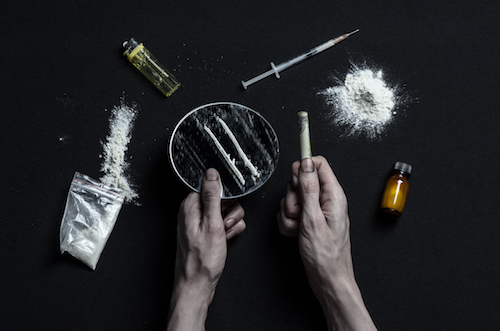
Illegal amphetamines come in different forms:
- Pills and capsules,
- Powder and paste,
- Crystal,
- Liquid.
They can be used in different ways:
- Swallowed,
- Dabbed onto the gums,
- Inhaled through the nose (snorted),
- Injected into a vein (shooting up),
- Smoked.
Amphetamines’ Effects on Your Brain
Amphetamines are stimulant drugs. They make the messages between your brain and body move faster. As a result, you are more alert and physically active. Some people use amphetamines to help them stay awake on the job or to study for a test. Others use them to boost their performance in sports.
Amphetamines also cause the brain to release dopamine. Dopamine is a chemical that is involved with mood, thinking, and movement. It is also called the feel-good brain chemical. Using amphetamines may cause pleasurable effects such as:
- Feeling a sudden sense of euphoria (joy), called a “flash” or “rush”,
- Having less inhibition, similar to being drunk,
- Feeling as if your thinking is extremely clear,
- Feeling more in control, self-confident,
- Wanting to be with and talk to people (more sociable),
- Having increased energy.
How fast you feel the effects of amphetamines depends on how they are used:
- Smoking or injecting into a vein (shooting up): Effects (the “rush”) start right away and are intense and last a few minutes.
- Snorting: Effects (the “high”) start in 3 to 5 minutes, are less intense than smoking or injecting, and last 15 to 30 minutes.
- Taken by mouth: Effects (the “high”) start in 15 to 20 minutes and last longer than smoking, injecting, or snorting, depending on how much is taken.
Harmful Effects of Amphetamines
Amphetamines can harm the body in many ways, and lead to:
- Appetite decrease and weight loss
- Heart problems such as fast heart rate, irregular heartbeat, increased blood pressure, and heart attack
- High body temperature and skin flushing
- Memory loss, problems thinking clearly, and stroke
- Mood and emotional problems such as aggressive or violent behavior, depression, and suicide
- Ongoing hallucinations and inability to tell what is real
- Restlessness and tremors
- Skin sores
- Sleep problems
- Tooth decay (meth mouth)
- Death. 

People who use these drugs, especially methamphetamine, have a high chance of getting HIV and hepatitis B and C. This is from activities such as sharing used needles with someone who is already infected with one of these diseases. Other risky behaviors that can be linked to drug use, such as having unsafe sex, can also increase the chance of becoming infected with one of these diseases.
Amphetamines can cause birth defects when taken during pregnancy. Also, street drugs are not safe during breastfeeding.
Amphetamines can be Addictive
You usually do not get addicted to prescription amphetamines when you take them at the right dosage to treat your health condition.
Addiction happens when you use amphetamines to get high or improve performance. Addiction means your body and mind are dependent on the drug. You are not able to control your use of it and you need it to get through daily life.
Addiction can lead to tolerance. Tolerance means you need more and more of the drug to get the same high feeling. And if you try to stop using the drug, your mind and body may have reactions. These are called withdrawal symptoms, and may include:
- Strong craving for the drug
- Having mood swings that range from feeling depressed to agitated to anxious
- Feeling tired all day
- Not able to concentrate
- Seeing or hearing things that are not there (hallucinations)
- Physical reactions may include headaches, aches and pains, increased appetite, not sleeping well.
Substance use – phencyclidine (PCP)
Phencyclidine (PCP) is an illegal street drug that usually comes as a white powder, which can be dissolved in alcohol or water. It can be bought as a powder or liquid.
PCP can be used in different ways:
- Inhaled through the nose (snorted),
- Injected into a vein (shooting up),
- Smoked,
- Swallowed.
Street names for PCP include angel dust, embalming fluid, hog, killer weed, love boat, ozone, peace pill, rocket fuel, super grass, and wack. 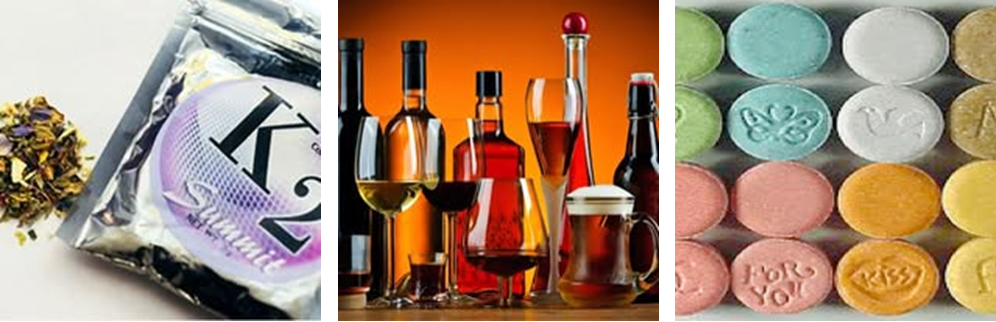
PCP’s Effects on Your Brain
PCP is a mind-altering drug. This means it acts on your brain (central nervous system) and changes your mood, behavior, and the way you relate to the world around you. Scientists think it blocks the normal actions of certain brain chemicals.
PCP is in a class of drugs called hallucinogens. These are substances that cause hallucinations. These are things that you see, hear, or feel while awake that appear to be real, but instead have been created by the mind.
PCP is also known as a dissociative drug. It causes you to feel separated from your body and surroundings. Using PCP may make you feel:
- You are floating and disconnected from reality.
- Joy (euphoria, or “rush”) and less inhibition, similar to being drunk on alcohol.
- Your sense of thinking is extremely clear, and that you have superhuman strength and aren’t afraid of anything.
How fast you feel the effects of PCP depends on how you use it:
- Shooting up. Through a vein, PCP’s effects start within 2 to 5 minutes.
- Smoked. The effects begin within 2 to 5 minutes, peaking at 15 to 30 minutes.
- Swallowed. In pill form or mixed with food or drinks, PCP’s effects usually start within 30 minutes. The effects tend to peak in about 2 to 5 hours.
Harmful Effects of PCP
PCP can also have unpleasant effects:
- Low to moderate doses can cause numbness throughout your body and loss of coordination.
- Large doses may cause you to be very suspicious and not trust others. You might even hear voices that are not there. As a result, you may act strangely or become aggressive and violent.
PCP’s other harmful effects include:
- It can increase heart rate, blood pressure, breathing rate, and body temperature. At high doses, PCP can have an opposite and dangerous effect on these functions.
- Because of the pain-killing (analgesic) properties of PCP, if you get seriously injured, you might not feel pain.
- Using PCP for a long time can cause memory loss, thinking problems, and problems talking clearly, such as slurring words or stuttering.
- Mood problems, such as depression or anxiety can develop. This can lead to suicide attempts.
- A very large dose, usually from taking PCP by mouth, may cause kidney failure, heart arrhythmias, muscle rigidity, seizures, or death.
PCP can be Addictive
People who use PCP can get psychologically addicted to it. This means their mind is dependent on PCP. They are not able to control their use of it and they need PCP to get through daily life.
Addiction can lead to tolerance. Tolerance means you need more and more PCP to get the same high. If you try to stop using, you may have reactions. These are called withdrawal symptoms, and may include:
- Feeling fear, unease, and worry (anx0iety),
- Feeling stirred up, excited, tense, confused, or irritable (agitation), having hallucinations,
- Physical reactions may include muscle breakdown or twitching, weight loss, increased body temperature, or seizures.
Treatment Options
Treatment begins with recognizing there is a problem. Once you decide you want to do something about your drug use, the next step is to get help and support.
Treatment programs use behavior change techniques through counseling (talk therapy). The goal is to help you understand your behaviors and why you use amphetamines. Involving family and friends during counseling can help support you and keep you from going back to using (relapsing).
If you have severe withdrawal symptoms, you may need to stay at a live-in treatment program. There, your health and safety can be monitored as you recover.
At this time, there is no allopathic medicine that can help reduce the use of all these drugs by blocking their effects. But scientists are researching such medicines.
In Homeopathy there are many types of well proven medicines for any type of drug(s) addiction.
Homeopathic Treatment for Drug Addiction
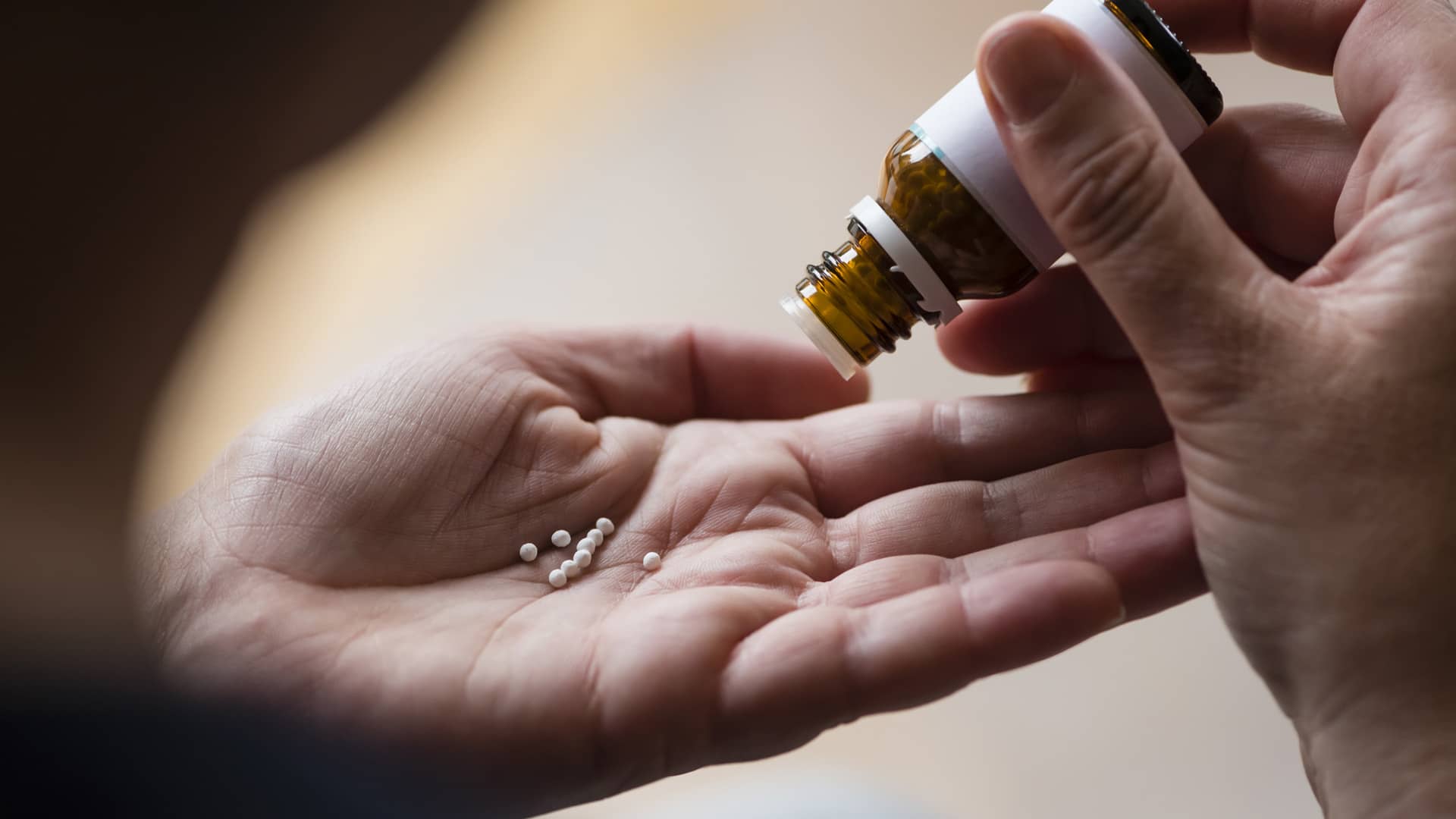
Homeopathy means “like cures like” and can cure drug addiction, mental and physical health along with the side effects of that specific drug in mean time and without any side effects, Homeopathic treatment options can help one overcome an addiction and stay drug-free forever. No long-term follow-up is important (to prevent relapse) with Homeopathic treatment.
Here are very few of medicines for drug addiction in my knowledge:
Avena Sativa
Nervous exhaustion, sexual debility, and the morphine habit. Nerve tremors of the aged; chorea, paralysis agitans, epilepsy. Post-diphtheritic paralysis. Alcoholism. Sleeplessness, especially of alcoholics. Bad effects of Morphine habit. Drug addiction.
Canabes Indiana
Intense exaltation, in which all perceptions and conceptions, all sensations and all emotions are exaggerated to the utmost degree. Drug addiction. Dual personality: apparently under the control of the second self, but, the original self, prevents the performance of acts which are under the domination of the second self. Apparently the two natures cannot act independently, one acting as a check, upon the other.
Hallucinations and imaginations, exaggeration of the duration of time and extent of space. Conception of time, space and place is gone. Extremely happy and contented, nothing troubles. Ideas crowd upon each other. Bes soothing effect on many nervous disorders, like epilepsy, mania, dementia, delirium tremens, and irritable reflexes. Exophthalmic goiter. Catalepsy.
Excessive loquacity; exuberance of spirits. Time seems too long; seconds seem ages; a few rods an immense distance. Constantly theorizing. Anxious depression; constant fear of becoming insane. Mania must constantly move. Very forgetful; cannot finish sentence. Is lost in delicious thought. Uncontrollable laughter. Delirium tremens. Clairvoyance. Emotional excitement; rapid change of mood. Cannot realize her identity, chronic vertigo as of floating off.
Nux Vomica
Nervous, irritable, anxiety. Convulsions, with consciousness. Always seems to be out of tune, inharmonious. Very irritable: sensitive to all impressions. Ugly, malicious. Cannot bear noises, odors, light, etc. Do not want to be touched. Time passes too slowly. Even the least ailment affects her greatly. Disposed to reproach others. Sullen, fault-finding.
Headache in occiput or over eyes, with vertigo; brain feels turning in a circle. Drug addiction. Over sensitiveness. Vertigo, with momentary loss of consciousness. Intoxicated feeling; worse, morning, mental exertion, tobacco, alcohol, coffee, open air. Scalp sensitive. Frontal headache, with desire to press the head against something. Congestive headache, associated with hemorrhoids. Headache in the sunshine. Feels distended and sore within, after a debauch.
Morphinum
Profound depression. Irritable, fault-finding, hysterical. Shock induced by terror. Dream-like state. Vertigo from the least movement of the head. Headache with sensation of being “wound-up”. Bursting pain; head drawn back. Drug addiction. Bluish, drooping lids. Itching of eyes. Delusion of vision on closing eyes. Alternation of tachycardia and bradycardia.
Coffea Cruda
Stimulates the functional activity of all organs, increasing the nervous and vascular activity. Great nervous agitation and restlessness. Extreme sensitiveness characterizes. Neuralgia in various parts; always with great nervous excitability and intolerance of pain, driving to despair. Drug addiction. Unusual activity of mind and body. Bad effects of sudden emotions, surprises, joy, etc. Nervous palpitation. Coffea is especially suited to tall, lean, stooping persons with dark complexions, temperament choleric and sanguine. Skin hypersensitive.
Gaiety easy comprehension, irritability, excited; senses acute. Impressionable, especially to pleasurable impressions. Full of ideas, quick to act. Tossing about in anguish (Acon). Tight pain, worse from noise, smell, narcotics. Seems as if brain were torn to pieces, as if nail were driven in head. Sensitive hearing.
Hyoscyamus Niger
Disturbed the nervous system – as if some diabolical force took possession of the brain and prevented its functions. Mania of a quarrelsome and obscene character. Drug addiction. Inclined to be unseemly and immodest in acts, gestures and expressions. Very talkative, and persists in stripping herself, or uncovering genitals. Is jealous, afraid of being poisoned. Muscular twitching, spasmodic affections, generally with delirium.
Non-inflammatory cerebral activity. Toxic gastritis. Very suspicious. Delirium, with attempt to run away. Low, muttering speech; constant carphologia, deep stupor. Head feels light and confused. Vertigo as if intoxicated. Brain feels loose, fluctuating. Inflammation of brain, with unconsciousness; head is shaken to and fro.
Opium
Drug addiction. Insensibility of the nervous system, the depression, drowsy stupor, painlessness, and torpor, the general sluggishness and lack of vital reaction. Sopor – painless and accompanied by heavy, stupid sleep, stertorous breathing. Sweaty skin. Dark, mahogany-brown face. Serous apoplexy-venous, passive congestion. Opium lessens voluntary movements, contracts pupils, depresses higher intellectual powers, lessens self-control and power of concentration, judgment; stimulates the imagination, checks all secretions except that of the skin. Want of susceptibility to remedies even though indicated. Diseases that originate from fright.
Patient wants nothing. Complete loss of consciousness; apoplectic state. Frightful fancies, daring, gay, bright. Unable to understand or appreciate his sufferings. Thinks he is not at home. Delirious talking, with wide open eyes. Vertigo; lightness of head in old people. Dull, heavy, stupid. Delirium. Vertigo after fright. Pain in back of head; great weight there. Bursting feeling. Complete insensibility; no mental grasp for anything. Paralysis of brain.
Sulphuricum Acid
Tremor and weakness; everything must be done in a hurry. Hot flushes, followed by perspiration, with trembling. Tendency to gangrene following mechanical injuries. Drug addiction. Alcoholism. Gastralgia and hypochlorhydria. Fretful, impatient. Unwilling to answer questions; hurried. 
Passiflora Incarnata
Morphine habit. Delirium tremens. Convulsions; neuralgia. Has a quieting effect on the nervous system. Drug addiction. Insomnia produces normal sleep, no disturbance of cerebral functions, neuroses. Tetanus. Hysteria; puerperal convulsions. Acute mania. Atonic condition. Asthma. Violent headache.
Aconitum Nepallus
State of fear, anxiety; anguish of mind and body. Physical and mental restlessness, fright. Does not want to be touched. Sudden and great sinking of strength. Burning in internal parts; tingling, coldness and numbness. Tension of arteries; emotional and physical mental tension. Drug addiction.
Arsenicum Album
Debility, exhaustion, and restlessness. Great exhaustion after the slightest exertion. Burning pains. Unquenchable thirst. Burning relieved by heat. Fear fright and worry. Drug addiction. Alcoholism, ptomaine poisoning, stings, dissecting wounds, chewing tobacco. Great anguish and restlessness. Changes place continually. Fears, fear of death, of being left alone. Thinks it useless to take medicine. Suicidal. Hallucinations of smell and sight. Despair drives him from place to place. Miserly, malicious, selfish, lacks courage. General sensibility increased. Sensitive to disorder and confusion.
Arnica Montana
Fears touch, or the approach of anyone. Unconscious; when spoken to answers correctly, but relapses. Indifference: inability to perform continuous active work; morose, delirious. Nervous; cannot bear pain; whole body oversensitive. Says there is nothing the matter with him. Wants to be let alone. Agoraphobia (fear of space). After mental strain or shock. Drug addiction.
Head hot, with cold body; confused; sensitiveness of brain, with sharp, pinching pains. Scalp feels contracted. Cold spot-on forehead. Chronic vertigo: objects whirl about especially when walking.
Strychninum Phosphoricum
This drug acts through the Cerebro-spinal system upon muscles, treating twitching, stiffness, weakness, loss of power, regulates pulse. Lack of control, uncontrollable desire to laugh and disinclination to use the brain. Drug addiction. Very irregular, rapid, weak pulse. Tachycardia. Chorea, hysteria, acute asthenia. Anemia of spinal cord; paralysis; burning, aching, and weakness of spine; pain extends to front of chest; tenderness on pressure in mid-dorsal region; cold, clammy feet; hands and axillae covered with clammy perspiration. Atelectasis and break in the compensation of a hypertrophied heart; the beginning of fatty degeneration of the heart muscle. 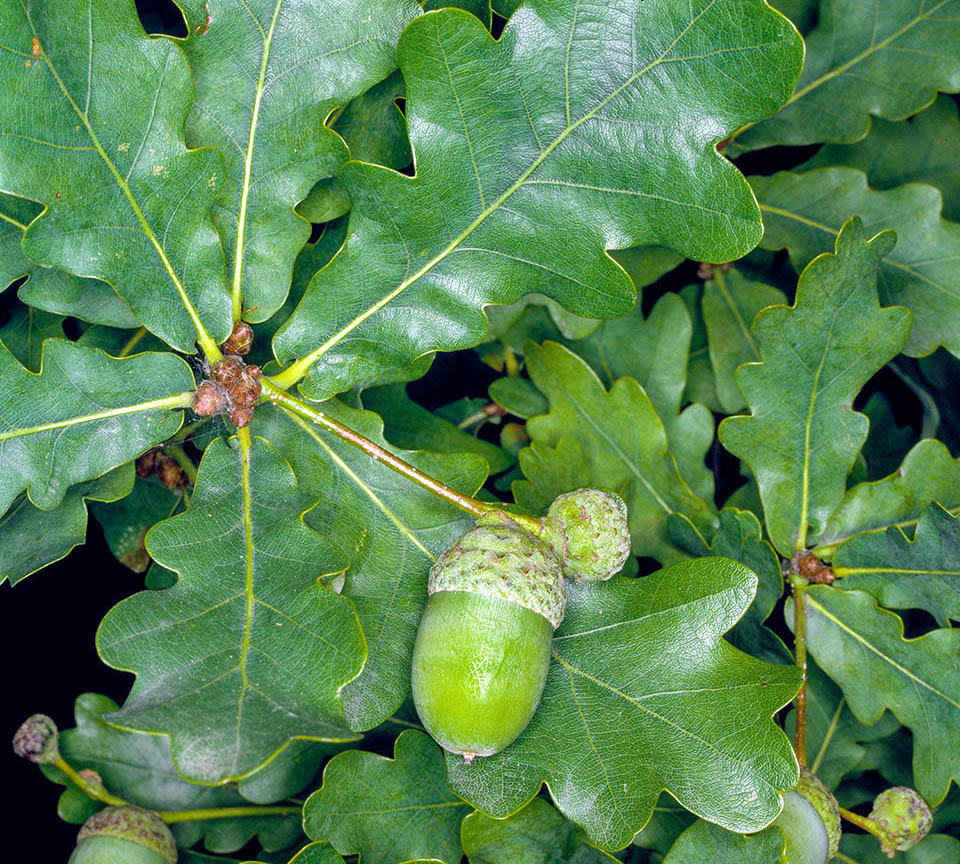
Querccus Gland Spiritus
Chronic spleen affections; spleen-dropsy. Antidotes effects of Alcohol. Vertigo; deafness, with noises in head. Takes away craving for alcoholics; give dose as below for several months. Dropsy and liver affections. Nervous, depressed, glum, taciturn, easily moved to tears; not quite capable of stating his own case. Wheeling vertigo. Vertigo with affections of spleen. Afraid to move for fear an attack of apoplexy or giddiness would come on. Peculiar sensation in head, as when drunk and lasts a minute or two.
Daphnae
Mental dejection. Timidity. During pains irritability, over-excitement, and trembling. Irascibility, absence of mind, and indecision. Drug addiction. Headache, provoked by all kinds of intellectual labor. Pain behind the eyes, from one temple to the other. Sensation of fulness in the head, as if cranium will be going to burst, as if the head were too thick, with shootings in the temples. Sensation as if the external parts of the brain are inflamed and are striking painfully against the cranium. Violent heat in the head, esp. in the vertex. Painful pulsation in the temples, and the gums, sometimes with pain like excoriation on being touched. Exostosis in the cranium. Tuberosities in the vertex.
P. S: This article is only for doctors and students having good knowledge about Homeopathy and allopathy.

For proper consultation and treatment, please visit our clinic.
 Dr. Sayyad Qaisar Ahmed (MD {Ukraine}, DHMS), Abdominal Surgeries, Oncological surgeries, Gastroenterologist, Specialist Homeopathic Medicines.
Senior research officer at Dnepropetrovsk state medical academy Ukraine.
Location: Al-Haytham clinic, Umer Farooq Chowk Risalpur Sadder (0923631023, 03119884588), K.P.K, Pakistan.
Find more about Dr Sayed Qaisar Ahmed at:
https://www.youtube.com/Dr Qaisar Ahmed