

Epilepsy is a group of related disorders in the brain’s electrical systems that are characterized by a tendency to cause recurrent seizures.
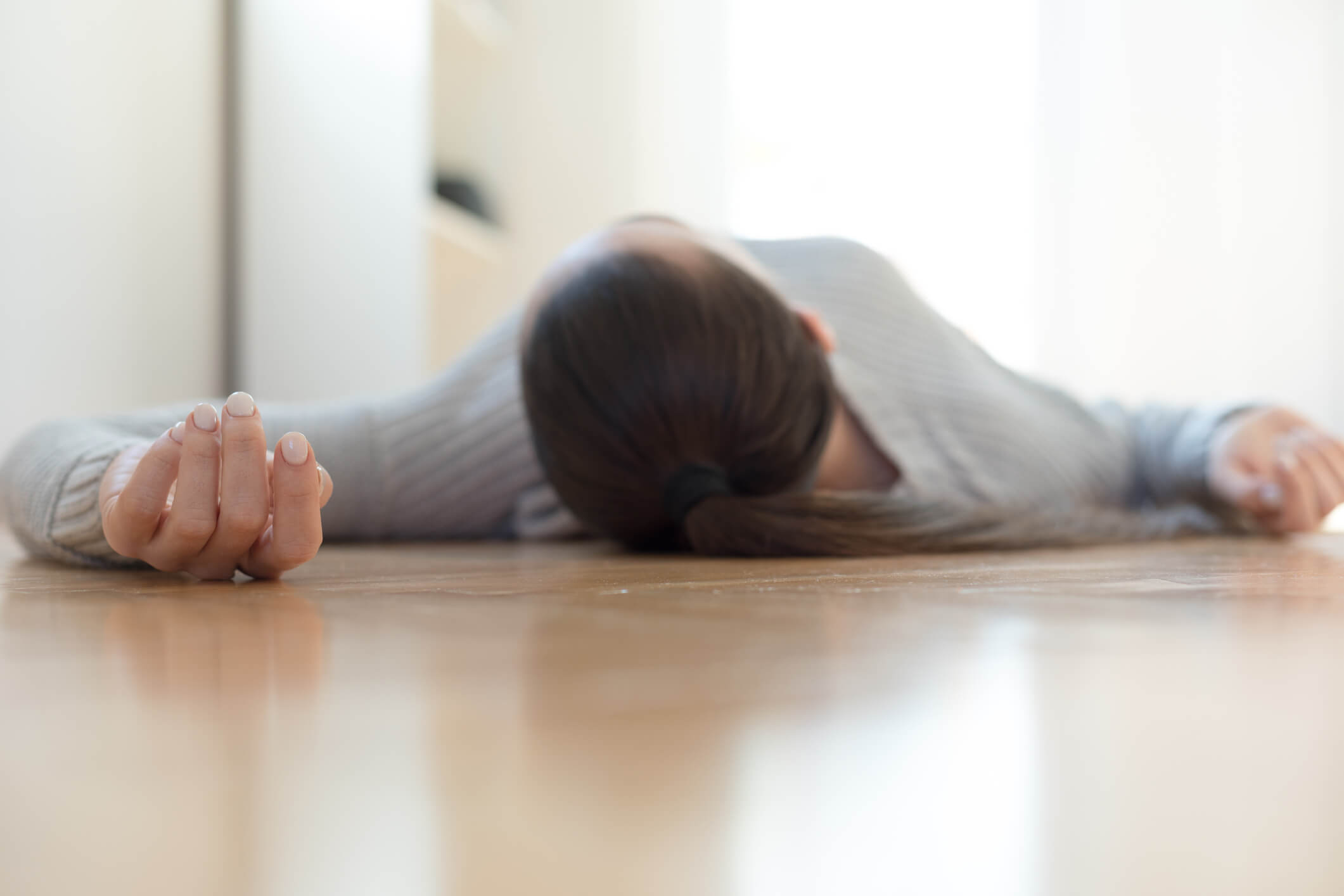
Seizures cause changes in movement, behavior, sensation, or awareness, including loss of consciousness or convulsions, which last from a few seconds to a few minutes.
Symptoms
Most patients equate epilepsy with convulsions, but epileptic seizures can produce many different symptoms; two large groups of seizures are termed partial and generalized. Symptoms may range from whole body convulsions to simply staring into space to barely noticeable muscle twitching.
Types of seizures
Each type of seizure has a distinct set of symptoms; the following are some of these types of seizures and their symptoms:
Absence Seizures
Absence seizures produce symptoms of disconnection from surrounding stimuli; the patient appears “absent from their body” and stares off vacantly for a few seconds and then appears normal and has no memory of the incident. These types of seizures may begin about age 4 to 14; some patients may experience many per day.
Some children and a few adults may have absence seizures for years before they are diagnosed because they last for such a short period of time and caregivers or relatives may not notice the seizures.
Generalized Tonic Clonic Seizures
In contrast to absence seizures, generalized tonic clonic seizures (grand mall seizures) are easily recognized. These seizures usually begin with stiffening of the arms and legs followed by jerking motions of the limbs. Many people may fall from a standing position when the seizure occurs; bladder or bowel control may be lost, and the person may bite their tongue and/or cheek tissue. The convulsions may last up to about three minutes, after which the person may be feel weak and confused.
Tonic clonic seizures that last more than five minutes constitute a medical emergency.
Partial Seizures

This type of seizures involves just one side of the brain. Partial seizures may be classified as simple or complex. Simple seizures usually involve a single part of the brain such as the motor area, sensory area, or others. The symptoms are related to the area affected; for example, the motor area will result in a change in motor activity such as a jerking finger or hand movement, or if in the sensory area, hearing sounds or smelling odors that are not present.
Complex partial seizures occur in the frontal or temporal lobe with the brain and often involve other areas of the brain that affect alertness and awareness.
These seizures result in daydream-like states and sometimes involve unusual activities like picking at the air as if something was there, repeating words or phrases, laughing, or other activities.
Causes of Epilepsy
There are a number of conditions that can result in epilepsy:
- Birth defects,
- Deprivation of oxygen to the brain,
- Strokes,
- Severe head injuries,
- Brain infections,
- Brain tissue alteration (for example Alzheimer’s disease, Parkinson’s disease etc).
Epilepsy in Children
Many children prevent seizures by taking regular medication for few years. Approximately 70% to 80% of children can control their condition completely with medicine as long as they continue the medicine, but patient has seizures that still occur sporadically with medication.
Is Dravet Syndrome a Type of Epilepsy?
Dravet syndrome – formerly known as severe myoclonic epilepsy of infancy, is a genetic epilepsy, characterized by temperature-sensitive/febrile seizures. Severe myoclonic epilepsy or Dravet syndrome is a treatment-resistant (resistant to allopathic drugs only) epilepsy that begins in the first year of life, and differences in childhood development.
Dravet is one particularly severe type of epilepsy. It causes a 300% higher likelihood of an early death.
Diagnosis
EEG
The diagnosis of epilepsy begins with a medical history and physical exam along with a detailed history that describes individual’s seizures. In addition, other tests such as an EEG (electroencephalogram) that records the brain’s electrical activity, and/or a CT or MRI of the brain, and blood tests may also be done.
Brain Scan
Images from the CT or MRI scans are useful because they help identify certain causes of seizures such as tumors or blood clots or they may suggest other causes responsible for the seizures.
Allopathic treatment for Epilepsy
In allopathy, anti-seizure medications are the most common treatment used to reduce or prevent seizure activity.
An allopath physician will likely prescribe one or more drugs to treat the specific type of seizure. This medication may need to be lifelong; patients should not stop taking the medication without first consulting the physician.
VNS (Vagus Nerve Stimulation)
Vagus nerve stimulation is a treatment technique designed to prevent seizures by sending regular, mild pulses of electricity to the brain by stimulating the vagus nerve. Vagus Nerve Stimulation is done by surgically implanting a small device like a pacemaker that stimulates the vagus nerve to send signals to the brain. These signals can reduce or eliminate seizure activity and are usually placed in people that respond poorly to seizure medication.
Epilepsy Surgery
In some patients who have partial or complex partial seizures and don’t respond to allopathic therapy, brain surgery may be a treatment choice for allopath.
The surgery involves removing a single small area of the brain tissue that is responsible for seizure activity. Alternatively, surgery may be done to remove brain tumors that may be stimulating seizure activity.
The allopathic doctors are still researching on epilepsy to provide new medical therapies to increase the number of people who can fully control seizures and to reduce the side effects of treatments.
Treatment for Status Seizures
Prolonged (five minutes or greater) seizures may be termed status epilepticus. This condition is an emergency and requires emergency treatment to avoid hypoxia and other life-threatening problems. Frequently, status epilepticus is treated by intravenous medications and supplemental oxygen. Most patients with status epilepticus require hospital treatment and/or observation in the hospital.
Homeopathic treatment for Epilepsy
According to Homeopathic or Neutracutical theory, treat the disease itself not the symptoms; that’s why every patient has his/her own treatment and treatment duration. Almost all patients can find their absolutely normal life track in very short time period without any lifelong medications and surgeries.
Here are few of Homeopathic or Neutracutical medicines, which are in my (Dr Qaisar Ahmed MD, DHMS) experience are the best option for epilepsies:
Cicuta Maculata
Cicuta Maculata is a very effective homeopathic medicine for epilepsy where convulsions are marked by violent, body distortions, widely dilated pupils. Falls unconscious, tetanic or clonic convulsions. Body covered with sweat, horrific backward bending of the spine, face turn blue and trigger a locked jaw, bloody foam from nose and mouth. Every muscle in the body in powerful clonic spasm. Body and extremities cold. Head injuries. Dizziness. Head hot. Nausea and vomiting; frothy, glairy fluid. Worms.
Cicuta Virosa
Bladder paralysis. Cancer. Catalepsy. Cerebro-spinal meningitis. Attacks of semi-lateral cephalalgia, with nausea, semi-lateral headache. Coccygodynia. Vertigo, and staggering, to the extent of falling. Giddiness, with falling forward. Concussions. Convulsions. Eczema. Epilepsy. Epithelioma. Pupils either much contracted or dilated. Suspension of the sight, with vertigo, on walking. Look fixed, sometimes from a sort of absence of mind. Facial eruption. Pallor and coldness of the face, with coldness of the hands. Hiccough. Hysteria. Suspicion and mistrust. Mania, with dancing, laughing, and ridiculous gestures. Thinks himself a young child. Impetigo. Meningitis. Myelitis. Numbness. Esophagus, stricture of. Paralysis. Psoriasis. Puerperal convulsions. Screaming. Strabismus. Stuttering. Tetanus. Trismus. Waking, weeping on. State of insensibility and immobility, with loss of consciousness and of strength. Attacks of catalepsy, with relaxation of all the muscles, and absence of respiration.
Agaricus Muscarious

Blepharospasm. Encephalomalacia (brain softening). Bunion. Chilblains. Chorea. Coldness. Cough. Cramp. Delirium tremens. Great loquacity: sings, talks, but does not answer questions. Morose, self-willed, stubborn, slow in learning to walk and talk. Enteric fever. Epilepsy (with great exertion of strength). Vertigo, with impulse to fall backward. The bright light of the sun instantly produces a dizziness, so as to occasion falling. General paralysis. Hyperpyrexia. Meningitis. Myopia. Neuralgia. Numbness. Nystagmus. Phthisis. Rheumatism. Sacrum, pains in. Sebaceous tumors. Sexual excess, effects of. Spinal Irritation. Spleen, affections of. Starting. Stitch inside. Tic Convulsive. Brownish spots (like flies) before the eyes. Black motes before the eyes. Myopia. Diplopia. Muscular asthenopia; nystagmus; squint. Clonic spasms.
Cuprum Aceticum
Apoplexy. Brain affections. Memory weak; brain functions decreased. Absent-minded. Fixed ideas. Brow ague. Cerebro-spinal meningitis. Cholera Asiatica. Chorea. Maniacal talk; wakes screaming and scolding; tries to escape. sudden indistinct and double vision (paralysis of abducens nerve). Fear of falling. Vertigo with stupefaction; evacuation of bowels. Violent cephalalgia, with thirst and violent colic. Diarrhea. Eruptions. Erysipelas. Hallucinations. Mania. Maniacal talk; wakes screaming and scolding; tries to escape. Hydrocephalus. Measles. Paralyses. Scarlatina. Inflammation of brain. Tetanic condition of jaws. Strabismus.
Cuprum Arsenicosum
Cholera. Face haggard; expression of great suffering. Violent twitching and jerking of muscles. Cholerine. Chorea. Vertigo, confusion of ideas. Diarrhea. Enteralgia. Paralysis (left side). Tremulousness of whole body, very noticeable on attempting to walk. Quivering, impossible to control. Great prostration Uterine neuralgia. Vomiting.
Cuprum Metallicum
Chlorosis. Cholera. Chorea. Convulsions. Cough. Cramps. Croup. Cyanosis. Dentition. Dyspnea. Emissions. Epilepsy. Melancholy with attacks of extreme anguish. Eruptions. Erysipelas. Fainting. Convulsive laughter. Incoherent, delirious talk. Mildness, alternating with obstinacy. Gastric disturbance. Gout. Hematemesis. Dementia. Loss of sense and thought. Hysteria. Headache, in consequence of an epileptic attack. Inflammations. Larynx spasm. Spasmodic distortion of facial muscles. Mania. Measles. Meningitis. Neuralgia. Palpitation. Paralysis. Pneumonia. Psoriasis. Ringworm. Sleeplessness. Spasms, spasm in the jaw. Spinal irritation.
Artemisia Vulgaris
Best medicine in epileptic conditions, and convulsive diseases of childhood. Petit Mal Epilepsy which are characterized by staring into space, leaning forwards or backward, and stopping a sentence abruptly. It also addresses the fear that triggers epileptic attacks. Epilepsy without aura; after fright and other violent emotions and after masturbation. Several convulsions close together. Somnambulism. Gets up at night and works, remembers nothing in the morning.
Oenanthe Crocata
Epileptiform convulsions; worse, during menstruation and pregnancy. Puerperal eclampsia; uremic convulsions. Complete unconsciousness with terrible convulsions. Epilepsy after nonappearance of menses in young girls, worse at the time when menses should have appeared. There is vomiting, tympanites and semi priapism during the attack. The face is swollen and red with frothing of the mouth. Pains all over head, dizzy. Sudden and complete unconsciousness. Furious delirium, giddiness. Convulsions; opisthotonos.
Stramonium
Devout, earnest, beseeching and ceaseless talking. Loquacious, garrulous, laughing, singing, swearing, praying, rhyming. Sees ghosts, hears voices, talks with spirits. Rapid changes from joy to sadness. Violent and lewd. Delusions about his identity; thinks himself tall, double, a part missing. Religious mania. Cannot bear solitude or darkness; must have light and company. Sight of water or anything glittering brings on spasms. Delirium, with desire to escape.
Bufo Rana
Acts on the nervous system and skin. Uterine symptoms marked. Lymphangitis of septic origin. Symptoms of paralysis agitans. Epileptic attacks occur when patient sleep. Convulsive seizures occur during sleep at night, more or less connected with derangements of the sexual sphere, seem to come within the range of this remedy. Such epileptic attacks are accompanied by experiencing an aura in the genital regions. Seizures during menstruation. Sad, restless. Propensity to bite. Howling; impatient; nervous; imbecile. Desire for solitude. Feeble-minded.
Kali Bromatum

General failure of mental power, loss of memory, melancholia, senselessness of the mucous membranes, especially of eyes, throat, and skin; acne; loss of sexual desire, paralysis. Suicidal mania with tremulousness. Mental dullness, and slowness of expression. Epilepsy (in patients with salt-free diet). Mind profound, melancholic delusion; feeling of moral deficiency; religious depression; delusions of conspiracies against him. Night terrors. Horrid illusions. Active delirium.
Hyoscyamus
Some epileptic fits are followed by a deep sleep. Perfect picture of mania of a quarrelsome and obscene character. Inclined to be unseemly and immodest in acts, gestures and expressions. Very talkative, and persists in stripping herself, or uncovering genitals. Is jealous, afraid of being poisoned. Very suspicious. Talkative, obscene, lascivious mania uncovers body; jealous, foolish. Great hilarity; inclined to laugh at everything. Delirium, with attempt to run away. Low, muttering speech; constant carphologia, deep stupor, fidgeting with bedclothes, fidgeting with fingers, and muscular twitching. Pupils dilated, sparkling, fixed. Eyes open, but does not pay attention; downcast and dull, fixed, spasmodic closing of lids.
Belladonna
Belladonna acts upon every part of the nervous system, producing active congestion, furious excitement, perverted special senses, twitching, convulsions and pain. Hot, red skin, flushed face, glaring eyes, throbbing carotids, excited mental state, hyperesthesia of all senses, delirium, restless sleep, convulsive movements, dryness of mouth and throat with aversion to water, neuralgic pains that come and go suddenly (Oxytropis). Heat, redness, throbbing and burning. Epileptic spasms followed by nausea and vomiting. Scarlet fever and also prophylactic. Vertigo, with falling to left side or backwards. Exophthalmic goiter. Corresponds to the symptoms of “airsickness” in aviators. No thirst, anxiety or fear. Violence of attack and suddenness of onset. Thyroid toxemia. Patient lives in a world of his own, engrossed by specters and visions and oblivious to surrounding realities. Pupils dilated. Eyes feel swollen and protruding, staring, brilliant; conjunctiva red; dry, burn; photophobia; shooting in eyes. Exophthalmos. Ocular illusions.
Nux Vomica
The typical Nux patient is rather thin, spare, quick, active, nervous, and irritable, sensitive to all impressions. Ugly, malicious. Cannot bear noises, odors, light, etc. Does not want to be touched. Time passes too slowly. Even the least ailment affects her greatly. Disposed to reproach others. Sullen, fault-finding. Over sensitiveness. Headache in the sunshine. Photophobia.
Hypericum Perforatum
The great medicine for injuries to nerves. Lockjaw. Epilepsy due to trauma.
Nattum Sulphurcum
Melancholy, with periodical attacks of mania. Suicidal tendency; must exercise restraint. Inability to think. Dislikes to speak, or to be spoken to. Vertigo. Effects of falls and injuries to the head, and mental troubles arising therefrom. Dreams of running water.
Plumbum Metallicum
Epilepsy due to tumors in the brain. Delirium, coma and convulsions. Hypertension and arteriosclerosis. Progressive muscular atrophy. Infantile paralysis. Locomotor ataxia. Excessive and rapid emaciation. Bulbar paralysis. Important in peripheral affections. The points of attack for Plumbum are the neurexins and the anterior horns. Symptoms of multiple sclerosis, posterior spinal sclerosis. Contractions and boring pain. All the symptoms of acute. Nephritis with amaurosis and cerebral symptoms.
Zincum Metallicum
Cerebral depression. Defective vitality. Impending brain paralysis. Convulsions, with pale face and no heat. Anaemia with profound prostration. Very sensitive to noise. Averse to work, to talk. Repeats everything said to… Fears arrest on account of a supposed crime. Melancholia. Lethargic, stupid. Paresis. Feels as if he would fall to left side. Lameness, weakness, trembling and twitching of various muscles. Convulsions, with pale face.
Crataegus Oxyantha
Irritability, crossness, melancholy. Hurried, flurried feeling, with rapid action of heart. An unusual rush of blood to the head with confused feeling; followed by a feeling of quiet and calmness mentally. Apprehensive, despondent. Very nervous and irritable, with pain in back of head and neck. Mental dullness conjunctival irritation nasal discharges.
Ginko Biloba
acts on blood vessels to improve blood flow. Ginkgo biloba may be effective at improving depression, improve symptoms of schizophrenia, prevent or delay cell damage caused by free radicals (harmful, unstable molecules in the body especially brain).
Glonoinum
Confusion, with dizziness. Effects of sunstroke. Brain, congestion of. Convulsions. Epilepsy. Throbbing headache. Angio-spastic neuralgia of head and face. Very irritable. Vertigo on assuming upright position. Cerebral congestion. Head feels enormously large, as if skull were too small for brain. Confusion of ideas; cannot tell where he is; well-known streets seem strange; way home too long; forgets on which side of the street he lives. Great mental agitation (with headache); frantic, attempts to run away; to jump out of window. Cephalic cry. Shocks in head, synchronous with pulse. Headache in place of menses. Rush of blood to head in pregnant women. Threatened apoplexy. Meningitis.
Kalium Iodatum
Half mad all night. Talkative and full of jokes. Sadness. Anxiety. Fright at every trifle; every little noise starting. Apprehensive and lachrymose in evening. Irritable; irascible, esp. towards his children; and excited, quarrelsome. Weeping from slightest cause. Sadness. Anxiety. Dreads the return of dawn, and the trivial details of life seem insupportable. Always troubled. Troublesome and unreasonable impressions easily strengthened into fixed ideas. Loss of memory. Intellectual weakness and paroxysms of dementia, accompanied by headache. Sad, anxious; harsh temper. Irritable; congestion to head, heat and throbbing.
Kalium Bromatum
Suicidal mania with tremulousness. Face flushed. Numb feeling in head. Brain-fag. Epilepsy. General paralysis of insane. Screaming. Sebaceous cysts. Self-abuse. Sensibility, loss of. Sleeplessness. Somnambulism.
Kalium Phosphoricum
Anemia. Cerebral anemia. Brain concussion. Brain-fag. Brain-softening. Hysteria. Insomnia. Melancholia. Morose, irritable; tearful; averse to be talked to; everything is too much; depression. Lethargy. Extreme lassitude and depression. Very nervous, starts easily, irritable. Brain-fag; hysteria; night terrors. Somnambulance. Loss of memory.
Phosphorus
Great lowness of spirits. Easily vexed. Fearfulness, as if something were creeping out of every corner. Clairvoyant state. Great tendency to start. Over-sensitive to external impressions. Loss of memory. Memory. Paralysis of the insane. Ecstasy. Dread of death when alone. Brain feels tired. Insanity, with an exaggerated idea of one’s own importance. Epilepsy. Erotomania. Restless, fidgety. Hypo-sensitive, indifferent. Fits of involuntary laughter.
Heloderma
Very depressed. Sensation as if would fall to right side. Cold band around head; cold pressure within the skull. Eyelids heavy. Base of brain affected. Cerebro-spinal meningitis. Unable to confine his mind to any object. Headache. Heart failure. Locomotor ataxy. Dizziness, with inclination to fall backward. Numbness. Paralysis. Paralysis agitans. Awakened suddenly with a jerking in head.
Acid Picricum
Lack of will-power; disinclined to work. Cerebral softening. Dementia with prostration, sits still and listless. Head pains; relieved by bandaging tightly. Occipital pain; worse, slightest mental exertion. Vertigo and noises in ear. Desire to be alone. Irritable. Low spirits. Indifference, lack of will power to undertake anything. Disinclination for mental or physical work, aversion to talking or movement, with headache. Mental prostration. Brain fag.
Acid Oxalicum
Mania. Aversion to talk; with headache, fulness in face. Sensation of emptiness in head; faint feeling.
Lachesis Mutus
Great loquacity. Amative. Epilepsy. Great anguish, insupportable anxiety and uneasiness. Mental dejection and melancholy. Mistrust, suspicion. Frantic jealousy. Nocturnal delirium with much talking, or with murmuring. Dementia and loss of consciousness.
Naja Tripudians
Broods constantly over imaginary troubles. Suicidal insanity. Depressed. Aversion to talking. Blurred speech. Melancholy. Dreads to be left alone. Fear of rain. Consciousness almost or quite lost. Insensible; and speechless. Comatose.
Graphite
Dejection, sadness and profound melancholy, discouragement, weeping. Unhappy. Agitation, headache, vertigo, nausea, and perspiration. Anxious agitation with inclination to grief, anxiety. Inclined to grieve and cry in evening, whilst in forenoon patient laughed about every trifle, contrary to his/her habit. Weeping without cause, weep at music. Timid disposition. Irresoluteness with excessive cautiousness and hesitation. Tendency to be frightened. Irascibility. Extreme hesitation; unable to make up his/her mind about anything. Absence of mind. Forgetfulness with misapplication of words in speaking or writing.
Fatigue in consequence of intellectual labor. Sensation of numbness in the head. Intoxication and vertigo. Confusion in the head. Attacks of headache.
Physostigma Venenosum
Uncommon mental activity. Foolish actions said it made him crazy. Hysteria. Exhilarated in morning, gloomy towards noon. Nothing was right, too many things in room; continually counting them. Locomotor ataxy. Astigmatism. Glaucoma. Myopia. Paraplegia. Navel inflammation. Paralysis, local; agitans; spinal. Progressive muscular atrophy. Prostration; muscular. Sleeplessness. Spinal irritation. Spinal sclerosis. Stiff neck. Tetanus. Throat, sore; fish-bone sensation. Irritable. Nervous, cannot endure pain. Exhaustion cannot remember anything. Disinclined to work. Difficult thinking; cannot concentrate the mind. General paralysis. Epilepsy.
Argentum Nitricum
Faintish and tremulous. Melancholic; apprehensive of serious disease. Time passes slowly. Memory weak. Locomotor ataxy. Neuralgia. Paralysis. Errors of perception. Impulsive; wants to do things in a hurry. Peculiar mental impulses. Fears and anxieties and hidden irrational motives for actions. Epilepsy. Headache with coldness and trembling. Emotional disturbances cause appearance of hemi-cranial attacks.
Actaea Spicata
Fear of death. Fearful, starts easily; confused. Furious delirium. Effects of exertion of mind; fright mental anxiety. A kind of drunkenness. Dizziness: forehead feels empty when stooping. Twitching in temples. Pressure in forehead. Warm sweat on head.
Actaea Racemosa
Cerebro-spinal meningitis. Chorea. Delirium Tremens. Diaphragm, rheumatism of. Dyspepsia. Epilepsy. Faintness. Headache. Heart, affections of. Hyperpyrexia. Hypochondriasis. Hysteria. Lumbago. Melancholia. Meningitis. Menstruation, disorders of. Myalgia.
Kalium Bichromicum
Anemia. Headache. Epilepsy. Vertigo with nausea. Semi lateral headache in small spots. Smell illusions.
Causticum
Diphtheritic paralysis. Epilepsy. Locomotor ataxy. Paralysis. Facial paralysis. Local paralysis, vocal cords, muscles of deglutition, of tongue, eyelids, face, bladder and extremities. Sensation of empty space between forehead and brain. Least thing makes it cry. Sad, hopeless. Intensely sympathetic. Ailments from long-lasting grief, sudden emotions. Thinking of complaints, aggravates. Paralysis of right side. Warts. Pain in facial bones. Pain in jaws, with difficulty in opening mouth.
Cimicifuga racemosa
Visions of rats, mice, etc. Delirium tremens; tries to injure himself. Mania following disappearance of neuralgia. Wild feeling in brain. Shooting and throbbing pains in head after mental worry, over-study, or reflex of uterine disease. Sensation of a cloud enveloping her. Waving sensation or opening and shutting sensation in brain. Brain feels too large. Pressing-outward pain. Sensation of a cloud enveloping her. Ears sensitive to least noise.
Cedron
Periodicity is the most marked characteristic of this medicine. Neuralgia. Nervous excitement. Restless. Voluptuous disposition, excitable, nervous temperament. Pain in temple, face – crazy feeling from pain. Supra-orbital neuralgia periodic. Cerebro-spinal meningitis. Ciliary neuralgia. Chorea. Epilepsy. Glaucoma. Gout. Hydrophobia. Hysteria.
Lac Defloratum Vaccinum
Loss of memory; listlessness, disinclination. Photophobia. Depression; does not care to live. Faintness and nausea.
Viscum Album
Epilepsy, chorea, and metrorrhagia. Facial muscles in constant agitation. Persistent vertigo.
Moschus
A medicine for hysteria and nervous paroxysms, fainting fits and convulsions, catalepsy, etc. Hysteria. Hysterical epilepsy. Epilepsy. Uncontrollable laughter. Scolding. Anxiety with palpitation; starting as if frightened. Sexual hypochondriasis. Absence of mind, sometimes with confused speech. Very violent anger, raves and scolds till mouth dry, lips blue, eyes staring, face deathly pale, and she falls unconscious.
Medorrhinum
Weak memory (names, words etc.). Loses the thread of conversation. Cannot speak without weeping. Nervous, restless. Fear in the dark and of some one behind her. Melancholy, with suicidal thoughts. Epilepsy.
Calcarea Carbonica
Easy relapses, interrupted convalescence. Epilepsy. Hysteria. Melancholia. Debility. Delirium tremens. Forgetful, confused, low-spirited.
Calcarea Arsenicosa
Epilepsy with rush of blood to the head before attack; aura felt in region of heart; flying sensation. Anger, anxiety. Desire for company. Confusion, delusions, illusions. Great depression. Weekly headache. Depression and anxiety. Delirium, evenings in the dark.
Artemisia Abrotanum
Cross, irritable, anxious, depressed. Myelitis, chronic. Nosebleed. Paralysis. Epilepsy. Lienteries. Marasmus. Myelitis, chronic. Paralysis.
Aethusa Cynapium
The characteristic symptoms relate mainly to the brain and nervous system, connected with gastro-intestinal disturbance. Anguish, crying, and expression of uneasiness and discontent. Restless, anxious, crying. Epilepsy. Hallucination (Sees rats, cats, dogs, etc). Incapacity to think; confused. Loss of comprehension. Unconscious, delirious. Inability to think, to fix the attention. Photophobia; swelling of Meibomian glands. Bad humor; irritability. Rolling of eyes on falling asleep. Eyes drawn downward; pupils dilated. Brain fag. Idiocy may alternate with furor and irritability. Vertigo, with sleepiness.
Bacopa Monnieri
Improves memory, concentration, anxiety, mental fatigue, stress and cognitive function. Nervous debility. Alzheimer s disease. Mental illness. Epilepsy.
Gelsemium Sempervirens
Centers its action upon the nervous system. Various degrees of motor paralysis. General prostration. Dizziness, drowsiness, dullness, and trembling. Slow pulse, tired feeling, mental apathy. Paralysis of various groups of muscles about the eyes, throat, chest, larynx, sphincter, extremities, etc. Post-diphtheritic paralysis. Muscular weakness. Complete relaxation and prostration. Lack of muscular co-ordination. General depression from heat of sun. Desire to be quiet, to be left alone. Dullness, languor, listless. “Discerning are lethargies”. Epilepsy. Paralysis.
Helleborus Niger
Sees, hears, tastes imperfectly, and general muscular weakness, which may go on to complete paralysis, accompanied by dropsical effusions. Slow in answering. Thoughtless; staring. Involuntary sighing. Complete unconsciousness. Depression of spirits. Dropsy. Epilepsy. Headache. Excessive, and almost mortal anguish. Homesickness. Hypochondriacal humor.
Silicea Tera
Yielding, faint-hearted, anxious. Nervous and excitable. Sensitive to all impressions. Brain-fag. Obstinate, headstrong children. Abstracted. Fixed ideas: thinks only of pins, fears them, searches and counts them. Epilepsy. Meningitis. Hydrocele. Discouragement. Moroseness, ill-humor, and despair, with intense weariness of life. Wishes to drown himself. Morose.
Onosmodium
Amblyopia. Paralysis. Presbyopia. Locomotor ataxy. Color-blindness. Diarrhea. Diplopia. Debility. Talkative, but in a disconnected way. Fear: To look down lest she might fall downstairs; that he might fall into a fire when walking by it. Listless, apathetic and forgetful.
Natrium Carbonicum
Unable to think; difficult, slow comprehension. Mental weakness and depression; worries; very sensitive to noise; colds, change of weather. Anxious and restless during thunderstorm; worse from music. Marked gayety. Sensitive to presence of certain individuals. Vertigo from exposure to sun. Hypochondriasis. Hysteria. Dullness and confusion.
Ambra Grisea
Dread of people, and desire to be alone. Cannot do anything in presence of others. Intensely shy, blushes easily. Music causes weeping. Despair, loathing of life. Fantastic illusions. Bashful. Loss of love of life. Restless, excited, very loquacious. Time passes slowly. Thinking, difficult in the morning with old people. Dwells upon unpleasant things.
Slow comprehension. Vertigo, with weakness in head and stomach. Pressure on front part of head with mental depression. Tearing pain in upper half of brain. Senile dizziness. Rush of blood to head, when listening to music. Hearing impaired.
Agnus Castus
Sexual melancholy. Fear of death. Sadness with impression of speedy death. Absentminded, forgetful, lack of courage. Extreme absence of mind; unable to recollect things. Illusion of smell-herrings, musk. Nervous depression and mental forebodings. Pupils dilated. Itching about eyes; photophobia.
Baptisia Tinctoria
Wild, wandering feeling. Inability to think. Mental confusion. Ideas confused. Illusion of divided personality. Thinks he is broken or double and tosses about the bed trying to get pieces together. Hysteria. Delirium, wandering, muttering. Perfect indifference. Falls asleep while being spoken to. Melancholia, with stupor.
Cerasus Laurocerasus
Chorea. Climacteric sufferings. Convulsions. Cough. Cramps. Cyanosis. Diarrhea. Dysmenorrhea. Epilepsy. Mental dullness (insensibility) and loss of consciousness, with loss of speech and motion. Mental dejection. Great anxiety, apprehension and agitation. Inability to collect one’s ideas.
Polygonum
Epilepsy. Gonorrhea. Hysteria. Laryngitis. Neuralgia. Orchitis. Prostatitis. Sciatica. Spermatic cord pain. Dizziness.
Ketogenic Diet
Researchers have found that a “classic” ketogenic diet can reduce or eliminate seizures in some children and a few adults. The diet has been used for about 100 years for people with epilepsy. It is a high fat, low carbohydrate diet that helps your body produce ketones. People who have high ketones are better able to control their seizures. The diet is strict and is often begun in a hospital setting. It has proven successful with some children who do not respond well to medication. It also may be used in conjunction with anti-seizure medication in some people.
PS: This article is only for doctors having good knowledge about Homeopathy and allopathy, for learning purpose(s).
For proper consultation and treatment, please visit our clinic.
Location, address and contact numbers are given below.
None of above-mentioned medicine(s) is/are not the full/complete treatment but just hints for treatment; every patient has his own constitutional medicine along with these mentioned above.
 Dr. Sayyad Qaisar Ahmed (MD {Ukraine}, DHMS); X-senior research officer Dnepropetrovsk state medical academy Ukraine; is a leading Homeopathic physician practicing in Al-Haytham clinic, Umer Farooq Chowk Risalpur Sadder (0923631023, 03119884588), K.P.K, Pakistan.
Find more about Dr. Sayyad Qaisar Ahmed at:
https://www.youtube.com/Dr Qaisar Ahmed
https://www.facebook.com/dr.qaisar.dixecosmetics
Hello! I just would like to give a huge thumbs up for the great info you have here on this post. I will be coming back to your blog for more soon.
Hiya very nice blog!! Man .. Excellent .. Superb .. I’ll bookmark your site and take the feeds additionally?KI’m happy to seek out a lot of helpful info here in the submit, we need work out more strategies in this regard, thanks for sharing. . . . . .