
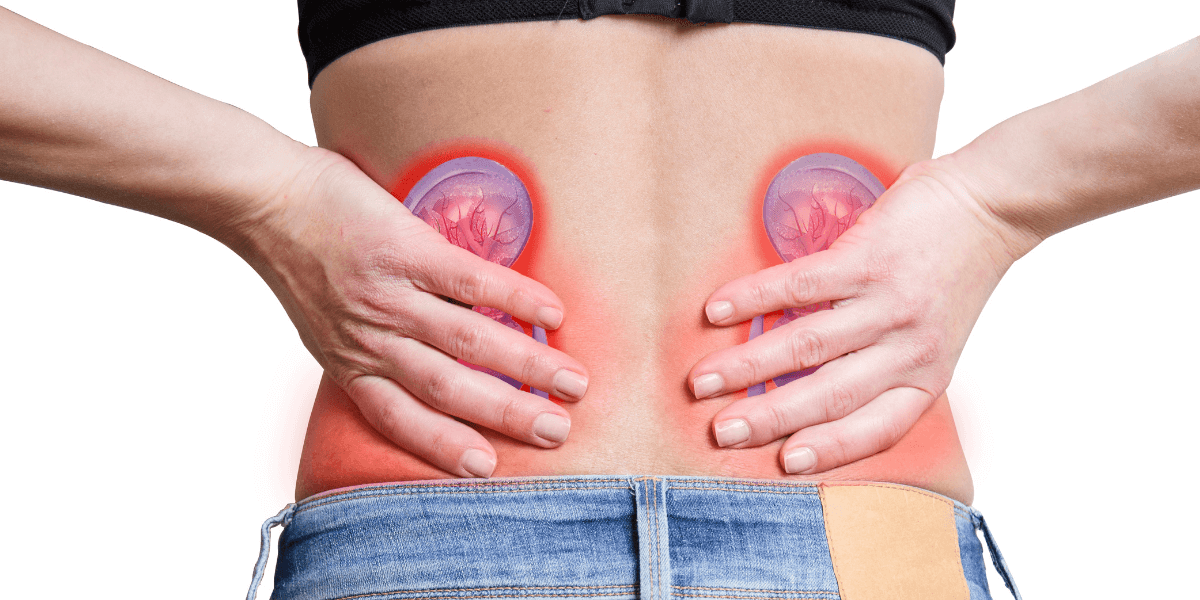
What Is Kidney Disease?
Kidney disease can affect our body’s ability to clean our blood, filter extra water out of our blood, and help control our blood pressure. It can also affect red blood cell production and vitamin D (hormone) metabolism needed for bone health.
When our kidneys are damaged, waste products and fluid can build up in our body. That can cause swelling in our ankles, nausea, weakness, poor sleep, and shortness of breath. Without treatment, the damage can get worse and our kidneys may eventually stop working. That’s serious, and it can be life-threatening.
Kidney Functions
Healthy kidneys:
- Keep a balance of water and minerals (such as sodium, chloride, potassium, phosphorus etc) in our blood,
- Remove waste from our blood after digestion, muscle activity, and exposure to chemicals or medications,
- Make renin, which our body uses to help manage our blood pressure,
- Make a chemical called erythropoietin, which prompts our body to make red blood cells,
- Make an active form of vitamin D, needed for bone health and other bodily functions,
- Filter all the blood in our body every 30 minutes.
Types of Kidney Disease
Chronic kidney disease (CKD)
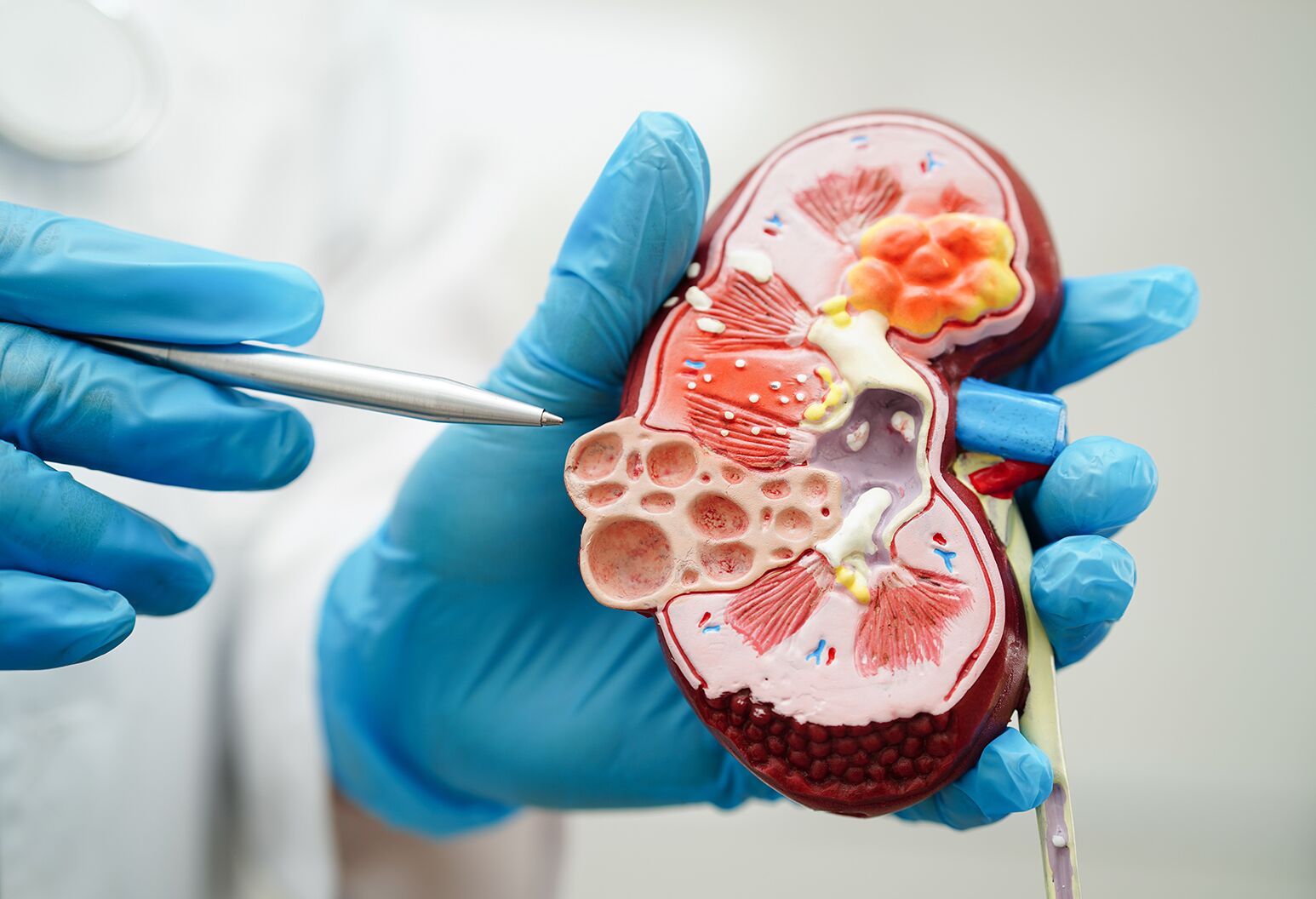
Polycystic kidney disease
This genetic disorder causes cysts (fluid-filled sacs) to grow on our kidneys, limiting their ability to filter waste from our blood.
Lupus nephritis
Lupus is an autoimmune disease, meaning our immune system attacks healthy cells. When our immune system attacks our kidneys, it’s call lupus nephritis.
Interstitial nephritis
This condition happens when we have a bad reaction to a medicine especially allopathic that limits our kidneys’ ability to filter toxins. If you stop the medicine, your kidney health should improve.
Glomerulonephritis (glomerular disease)
Glomeruli are the thousands of tiny filters that remove waste from our blood in our kidneys. This condition damages them, and our kidneys can’t function as well. Inflammation in the glomeruli can happen after a strep infection, as well.
APOL1-mediated kidney disease
Normally, the APOL1 gene helps make an immune system protein, but if you inherit a mutated version of the gene from both parents, you may be more at risk for kidney disease. You may be more likely to have this gene mutation if you identify as Black, African American, Afro-Caribbean, or Latina/Latino.
Long-lasting viral illnesses
HIV and AIDS, hepatitis B, and hepatitis C may cause kidney disease.
Pyelonephritis
This is a urinary tract infection within the kidneys, which can result in scarring as the infection heals. It can lead to kidney damage if it happens several times.
Kidney Disease Causes
Acute kidney disease causes: If your kidneys suddenly stop working, doctors call it acute kidney injury or acute renal failure. The main causes are:
- Not enough blood flow to the kidneys,
- Direct damage to the kidneys (chemicals, allopathic drugs, alcohol etc),
- Urine backed up in the kidneys.
Those things can happen when you:
- Have a traumatic injury with blood loss,
- Are dehydrated or your muscle tissue breaks down, sending too much kidney-toxic protein into your bloodstream,
- Go into shock because of sepsis,
- Have an enlarged prostate or kidney stones that block your urine flow,
- Take certain allopathic drugs or are around certain toxins that directly damage the kidneys,
- Have complications during a pregnancy, such as eclampsia and preeclampsia.
 Autoimmune diseases — when our immune system attacks our body — can also cause an acute kidney injury.
People with severe heart or liver failure commonly go into acute kidney injury as well.
Chronic kidney disease causes:
When our kidneys don’t work well for longer than 3 months, this situation is called “chronic kidney disease”. Patient may not have any symptoms in the early stages, but that’s when it’s simpler to treat.
Alcohol and Kidney Disease
Our kidneys are responsible for filtering harmful substances from our blood, including alcohol. When you drink, your kidneys have to work harder to perform their function.
Kidney Disease Symptoms
Our kidneys are very adaptable. They can compensate for some of the problems that can happen when we have kidney disease. So, if your kidney damage gets worse slowly, your symptoms will reveal themselves slowly over time. In fact, you may not feel symptoms until your disease is advanced.
You might have:
- High blood pressure,
- Nausea and vomiting,
- Loss of appetite,
- A metallic taste in your mouth,
- Fatigue,
- Weakness,
- Trouble thinking,
- Sleep issues,
- Muscle twitches and cramps,
- Swelling in your feet and ankles,
- Itching that won’t go away,
- Chest pain if fluid builds up around the lining of the heart,
- Shortness of breath if fluid builds up in the lungs.
How to Diagnose Kidney Disease
Before physical exam, doctor will start by asking questions about family medical history, which medications patient is taking, and if you (patient) notice that you’re peeing more or less than normal.
Patient also may have:
- Blood tests to see how much waste product is in his/her blood,
- Urine tests to check for kidney failure,
- Imaging tests (ultrasound, X-ray, imaging contrast dyes etc) to see patient’s kidneys,
- A kidney biopsy, where tissue from the kidney is sent to a lab for testing to figure out the cause of kidney issues.
Kidney disease allopathic treatment
With allopathy only some forms of kidney disease are treatable. The goals of these treatments are to ease symptoms, help keep the disease from getting worse, and lessen complications. In some cases, treatment may help restore some of patient’s kidney function. But there is no cure for chronic kidney disease in allopathy.
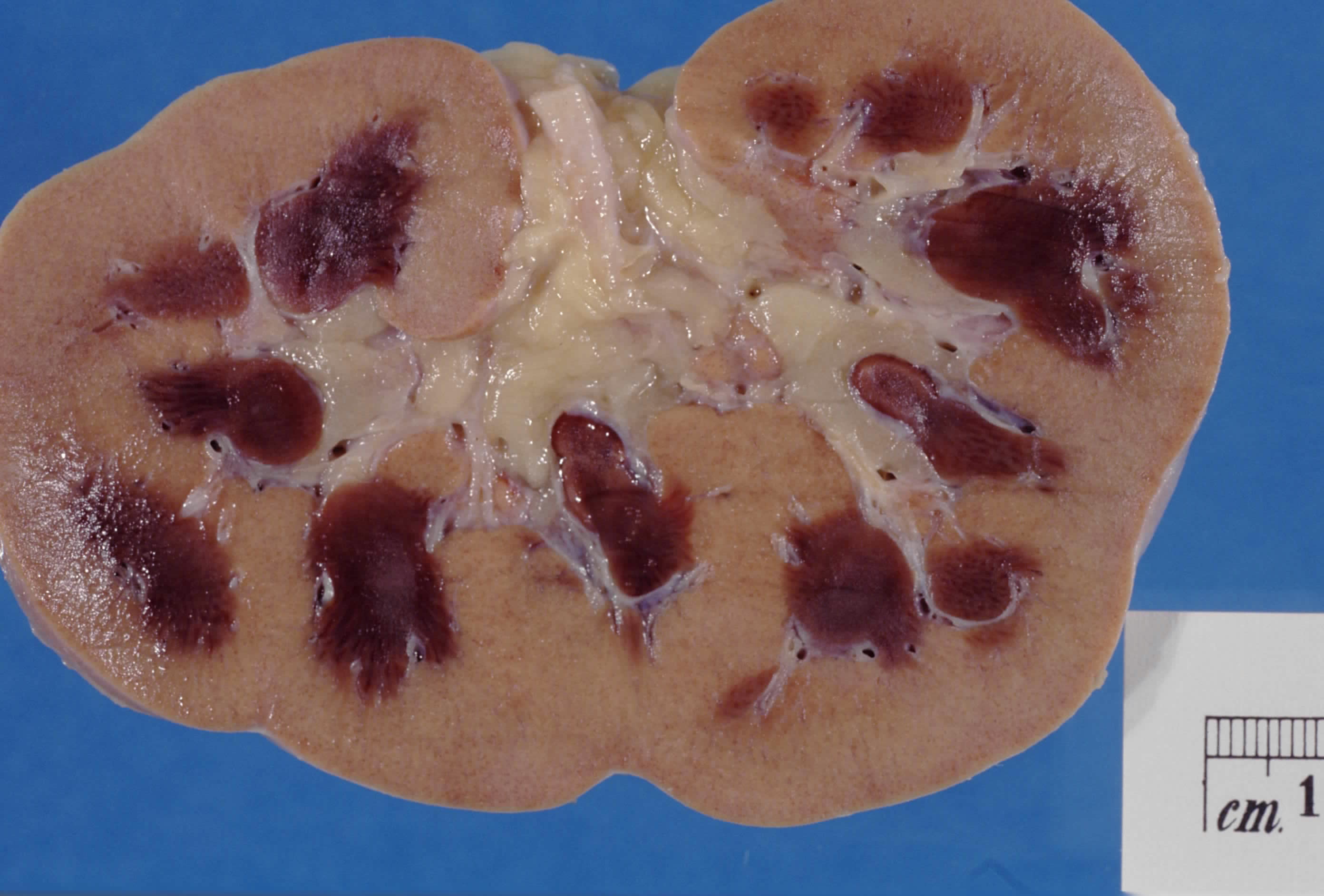 If a condition is “chronic,” that means it’s a long-term condition. If patient have chronic kidney disease, the goal is to slow it down so that kidneys can still do their job.
First, nephrologist will work to find out what caused the kidney disease. For instance, kidney disease can happen if patient have diabetes or high blood pressure.
Patient will take medicines and may need to change the diet. If patient have diabetes, it needs to be managed. If patient’s kidneys don’t work anymore, he/she might need dialysis, and doctor have to talk with patient about whether a kidney transplant would help!
Allopathic medications for kidney disease
High blood pressure makes chronic kidney disease more likely — and kidney disease can affect your blood pressure. So, a doctor may prescribe one of these types of blood-pressure medicines:
Angiotensin-Converting Enzyme Inhibitors (ACE), such as:
- Captopril,
- Enalapril,
- Fosinopril,
- Lisinopril,
- Ramipril etc.
Angiotensin II Receptor Blockers (ARBs) such as:
- Azilsartan,
- Eprosartan,
- Irbesartan,
- Losartan,
- Olmesartan,
- Valsartan etc.
Along with controlling blood pressure, these medicines may lower the amount of protein in urine. That could help diseased kidneys over time.
The diabetes medicines dapagliflozin and empagliflozin have been shown to slow kidney disease even in people without diabetes.
Patient might also need to take a medicine to help body make erythropoietin (to make red blood cells). So, patient might get a prescription for daprodustat, darbepoetin alfa, or epoetin alfa to curb anemia.
Medicines (allopathic) to avoid
If your kidneys don’t work well, check with your doctor before you take any allopathic medications, including over-the-counter drugs (medicines without a prescription).
Your doctor may tell you to avoid certain pain relievers (all NSAIDs) such as aspirin, ibuprofen, naproxen, diclofenac etc.
Many types of antibiotics for example: celecoxib, vancomycin, aminoglycosides, gentamicin, tobramycin, trimethoprim-sulfamethoxazole etc.
Many types of Proton Pump Inhibitors (PPIs) for example: Omeprazole, Esomeprazole, Pantoprazole, Lansoprazole etc.
Imaging Contrast Dyes: Dyes used in medical scans like CTs can cause acute kidney injury, especially in dehydrated individuals.
All types of allopathic supplements for example: weight Loss & gym supplements, energy boosters, Vit-C, Vit-D, magnesium, potassium, calcium etc.
Dialysis
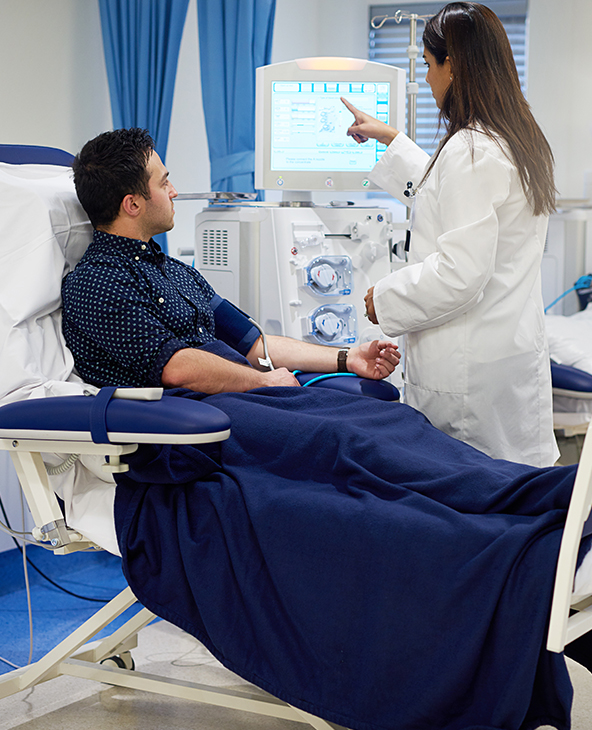 If your kidneys don’t work well anymore, you’ll need dialysis (Hemodialysis) to filter and cleanse the blood.
Before start hemodialysis, patient will need surgery to make a place of access for the machine. A surgeon may connect an artery and vein in patient’s arm through a “fistula.” This is the most common type of access. It needs at least 6 weeks to heal before you can start hemodialysis.
If patient need to start dialysis sooner than that, the surgeon might be able to make a synthetic graft instead of a fistula.
If neither of those options will work — for instance, if patient need to start dialysis right away — patient may get a dialysis catheter that goes into the jugular vein (in the neck).
When patient get hemodialysis, another tube connects the machine to his/her access point so that patient’s blood goes through the dialysis machine to be cleaned and pumped back into the body. This will take several hours.
Peritoneal dialysis
Peritoneal dialysis is a different form of dialysis. It uses the lining of the abdomen, or peritoneal membrane, to help clean the blood.
First, a surgeon implants a tube into patient’s abdominal cavity. Then, during each treatment, a dialysis fluid called dialysate goes through the tube and into patient’s abdomen. The dialysis fluid picks up waste products and drains out after several hours.
Patient will need several cycles of treatment — sending in the fluid (or “instilling” it), time for the fluid to work in abdomen, and drainage — every day. Automated devices can now do this overnight, which may give you more independence and time during the day for usual activities. If you do it during the day, you may need to do the whole cycle several times.
Both types of dialysis have possible problems and risks, including infection, extreme fatigue, muscle cramps, and low blood pressure (hypotension), which can cause dizziness and nausea. Serious risks involve infections at the access site (fistula or catheter) or peritonitis for peritoneal dialysis. Blood clots, blockages from scar tissue, or infections at the access site (fistula or graft) are major risks.
Peritoneal Dialysis (PD) Side Effects & Risks
- Peritonitis: An inflammation and infection of the peritoneum (the lining of the abdomen) caused by bacteria entering the catheter.
- Hernias: The continuous presence of fluid in the abdomen strains the abdominal muscles, increasing hernia risk.
- Weight Gain: The dialysate fluid contains sugar (dextrose), which your body absorbs, making weight management difficult.
Long-Term Health Risks
- Cardiovascular Disease: Long-term dialysis stresses the heart and fluid levels, elevating the risk of irregular heartbeats, hypertension, and heart failure.
- Bone Disease: Imbalances in calcium and phosphorus weaken bones (renal osteodystrophy), increasing fracture risks.
- Anemia: Chronic fatigue is widespread among dialysis patients because the failing kidneys don’t produce enough of the hormone needed to make red blood cells.
Kidney transplant
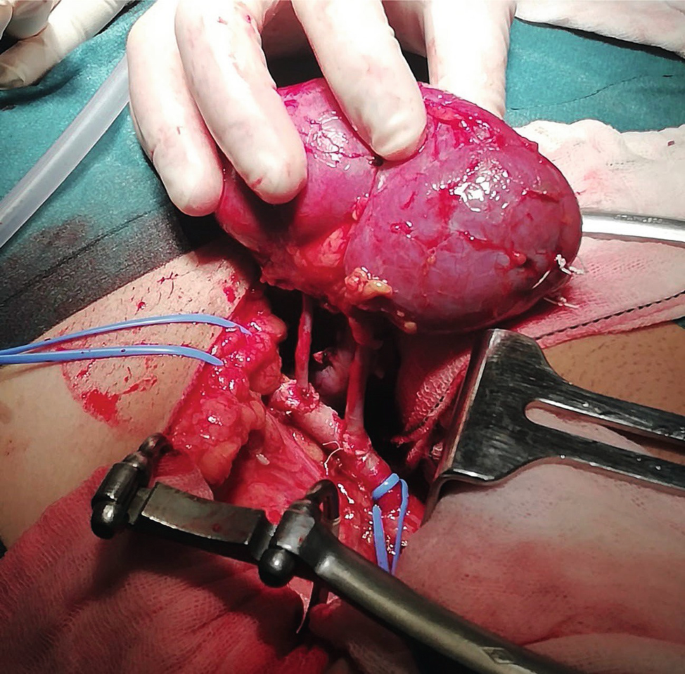 If patient’s kidney disease is advanced, a kidney transplant could be a treatment option. It’s a major surgery.
A “matching” kidney may come from a family member, from someone who isn’t a relative, or from an organ donor who has recently died.
After your transplant, patient will need to take immunosuppressants for lifetime so that his/her body accepts the donated kidney.
A kidney from a living donor will generally last 12 to 20 years. One that’s donated from someone who recently died may last 8 to 12 years.
The plan you and your doctor will decide on will depend on what’s causing your kidney disease. With allopathic treatment, in many cases, even when the cause of condition is controlled, kidney disease will worsen.
Kidney disease Homeopathic treatment
Homeopathy is a holistic form of treatment that claims to improve kidney functioning, reduce dialysis, and cure all symptoms of kidney disorders.
With Homeopathy all forms of kidney disease are curable. The goals of Homeopathic treatments are to ease symptoms, help cure the disease, and also cure complications. Almost in all cases, treatment may help restore patient’s kidney function.
First, Homeopathic doctor will work to find out what caused the kidney disease (diabetes, high blood pressure, side effects of allopathic drugs etc). Even failed kidneys are curable with Homeopathy, patient may not need dialysis or kidney transplant.
Here are very few Homeopathic medicines for kidney diseases:
Phosphorus
Inflamed and degenerative mucous membranes. Serous membranes irritation and inflammation. Paralysis due to spinal cord and/or nervous system’s inflammation. Osteopenia. High cholesterol, varicose. Hemorrhages from even small wounds and scratches, and hematogenous jaundice. destructive metabolism. Liver cirrhosis. Sub-acute hepatitis. Hematuria, especially in acute Bright’s disease. Urine turbid, brown, with red sediment.
Violent heart palpitation with anxiety, while lying on left side. Pulse rapid, small, and soft. Heart dilated, especially right. Feeling of warmth in heart.
Calcarea Carbonicum
Increased local and general perspiration. Glands swelling. Kidneys swelling. High cholesterol, blood clots. Dark, brown, sour, fetid, abundant, with white sediment, bloody. Irritable bladder. Enuresis. Palpitation at night and after eating. Palpitation with feeling of coldness, with restless oppression of chest; after suppressed eruption.
Serum AnguIllae or Eel Serum
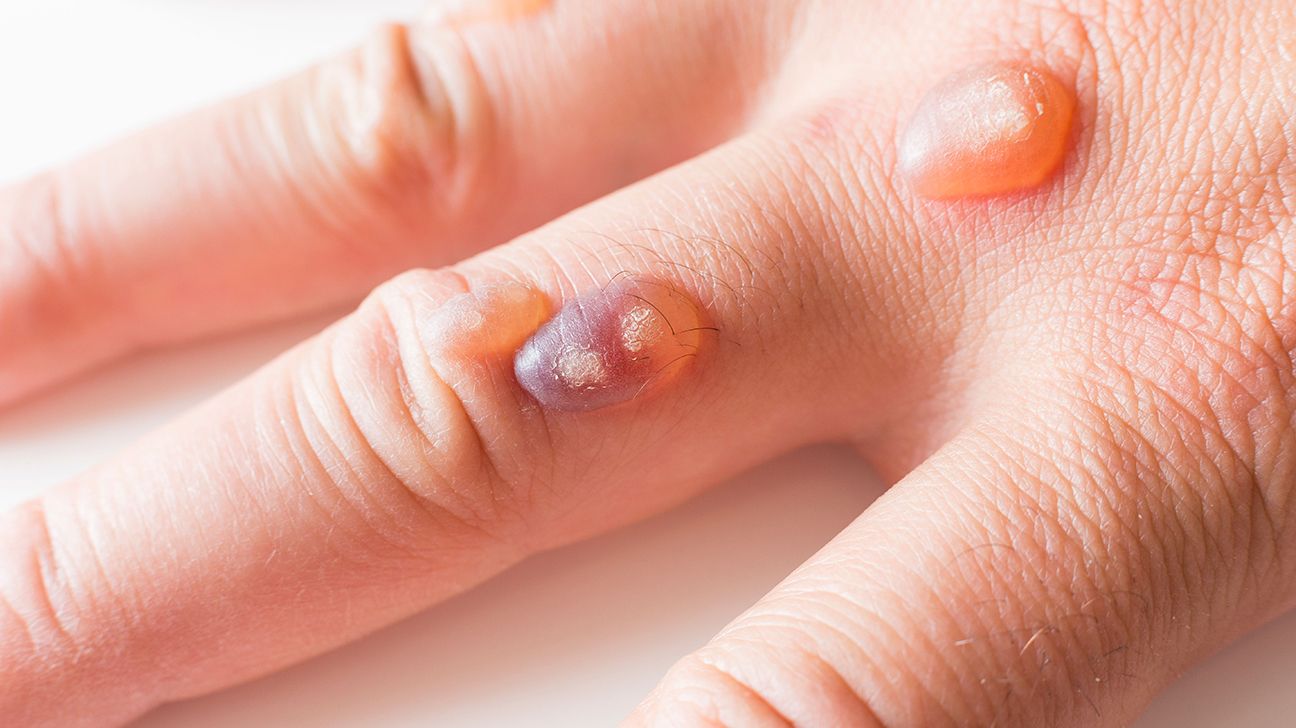
Destroyed globules. Hemoglobinuria, the prolonged anuria (24 and 26 hours), together with the results of the autopsy, plainly demonstrate its elective action on the kidneys. Secondarily, the liver and the heart are affected, and the alterations observed are those usually present in infectious diseases.
From all these facts it is easy to infer, a priori, the therapeutic indications of the serum of the eel. Whenever the kidney becomes acutely affected, either from cold or infection or intoxication, and the attack is characterized by oliguria, anuria and albuminuria, Diuresis, and in rapidly arresting albuminuria. In heart-disease, the kidney should suddenly become affected, and its function inhibited. Cardiac irregularities and a marked state of asystole.
Arterial hypertension oliguria and edema; the serum of the eel seems better adapted to cases of hypertension and oliguria, without edema. We should bear in mind that the elective action of the eel’s serum is on the kidney, and I believe we can well assert that if digitalis is a cardiac, the eel’s serum is a renal remedy. The serum of the eel has very good results in efficacious in cardiac uremia.
Subacute nephritis. Heart diseases, in cases of failure of compensation and impending asystole. In the presence of acute nephritis with threatening uremia. Very efficacious in functional heart diseases. Mitral insufficiency, asystole with or without oedema, dyspnea and difficult urinary secretion.
Lithium Carbonicum
Chronic rheumatism connected with heart lesions and asthenopia offer a field for this remedy. Rheumatic nodes. Uric acid diathesis Whole body is sore. Gout and tophi. Urine tenesmus. Turbid urine, with mucus and red deposit. Pain in region of right kidney. Free and colorless. While urinating, pressure in heart. Cystitis, subacute and chronic.
Rheumatic soreness in cardiac region. Sudden shock in heart. Throbbing, dull stitch in cardiac region. Pains in heart before menses, and associated with pains in bladder, and before urinating; better, after. Trembling and fluttering in heart, extending to back.
Urinary soreness of bladder; pain in right kidney and ureter. Turbid urine with mucus, scanty and dark, acrid; sandy deposit.
Argentum Nitricum
Urine passes unconsciously, day and night. Urethra inflamed, with pain, burning, itching, pain as from a splinter. Urine scanty and dark. Emission of a few drops after having finished. Divided stream. Early stage of gonorrhea; profuse discharge and terrible cutting pains; bloody urine. Palpitation, pulse irregular and intermittent. Painful spots in chest. Angina pectoris, nightly aggravation. Brown, tense, and hard. Drawing in skin – spider-web, or dried albuminoid substance, withered and dried up. Irregular blotches.
Aconite Nepalis
Suppression of urine, with pressure in the bladder and pains in the loins. A frequent desire to urinate, accompanied by anxiety and pain. Flow of urine, with sweat, diarrhea, and colic -Involuntary emission of urine, from relaxation of the neck of the bladder. Enuresis, with thirst. Urine scanty, burning, deep red, and with a sediment of a brick color; suppression of. Bloody sediment in the urine. Scanty, red, hot urine, without sediment. Heat and tenesmus in the neck of the bladder. Stiff neck. Testicles affections. Tetany. Thirst. Throat affections. Tongue affections. Traumatic fever. Urethral spasmodic stricture. Urethral fever. Urine suppression. Uterus prolapses. Vaccination effects. Vertigo. Yellow fever.
Ammonium Carbonicum
Always tired and weary, take cold easily. Malignant scarlatina, with somnolence, swollen glands, dark red sore throat, faintly developed eruption. Uremia. Heaviness in all organs. Uncleanness in bodily habits. Swelling of parts, glands, etc. Acid secretions. Prostration from trifles. Frequent desire to urinate, involuntary at night. Tenesmus of bladder. Urine white, sandy, bloody, copious, turbid and fetid. Audible palpitation with fear, cold sweat, lachrymation, inability to speak, loud breathing and trembling hands. Heart weak, wakes with difficult breathing and palpitation.
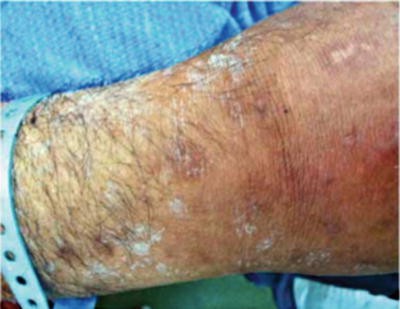
Violent itching and burning blisters. Scarlet rash. Miliary rash. Malignant scarlatina. Faintly developed eruptions from defective vitality. Erysipelas in the aged, with brain symptoms. Eczema. Cold sweat, lachrymation, inability to speak, loud breathing and trembling hands. Heart weak, wakes with difficult breathing and palpitation.
Apis Mellifica
Acts on cellular tissues, edema of skin and mucous membranes. Erysipelatous inflammations, dropsical effusions and anasarca, acute, inflammation of kidneys. Serous inflammation with effusion, membranes of brain, heart, pleuritic effusion, etc. Extreme sensitiveness to touch and general soreness. Constricted sensations. Sensation of stiffness and as of something torn off in the interior of the body. Much prostration. Micturition and soreness when urinating. Suppressed, loaded with casts; frequent and involuntary; stinging pain and strangury; scanty, high colored. Incontinence. Last drops burn and smart.
Rheumatic pain. Tired, bruised feeling. Numbness of hands and tips of fingers. Hives with intolerable itching. Edematous swellings.
Swellings after bites; sore, sensitive. Stinging. Erysipelas, with sensitiveness and swelling, rosy hue. Carbuncles, with burning, stinging pain. Sudden puffing up of whole body.
Apocynum Cannabinum
Increases secretions of mucous and serous membranes, it acts on cellular tissue: edema and dropsy and on skin causing diaphoresis. Acute hydrocephalus. A diminished frequency of the pulse is a prime indication. This is one of our most efficient remedies, in dropsies, ascites, anasarca and hydrothorax, and urinary troubles, especially suppression and strangury.
In the digestive complaints of Bright’s disease, with the nausea, vomiting, drowsiness, difficult breathing. Dropsy with great thirst and gastric irritability. Arrhythmia. Mitral and tricuspid regurgitation. Acute alcoholism. Relaxation of sphincters.
Bladder distended. Turbid, hot urine, with thick mucus and burning in urethra, after urinating. Little expulsive power. Dribbling. Strangury. Renal Dropsy. Tricuspid regurgitation; rapid and feeble, irregular cardiac action, low arterial tension, pulsating jugulars, general cyanosis and general dropsy.
Arsenic Album
Trouble urinating. Uremia, nephritis, urgent need to urinate or urinating without knowing. Great exhaustion after the slightest exertion. Irritable weakness. Burning pains. Unquenchable thirst. Urine scanty, burning, involuntary. Bladder as if paralyzed. Albuminous. Epithelial cells; cylindrical clots of fibrin and globules of pus and blood. After urinating, feeling of weakness in abdomen. Bright’s disease. Diabetes.
Heart – Palpitation, pain, dyspnea, faintness. Irritable heart in smokers and tobacco-chewers. Pulse more rapid in morning. Dilatation. Cyanosis. Fatty degeneration. Angina pectoris, with pain in neck and occiput. Weakness in small of back. Drawing in of shoulders. Pain and burning in back.
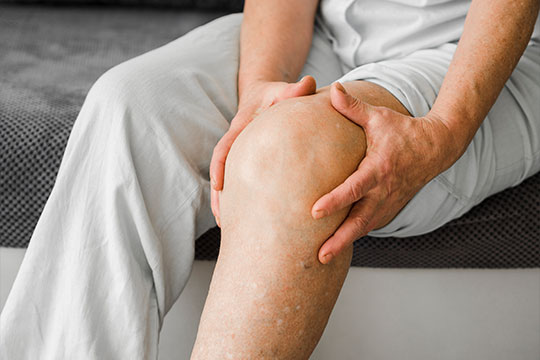
Extremities – Trembling, twitching, spasms, weakness, heaviness, uneasiness. Cramps in calves. Swelling of feet. Sciatica. Burning pains. Peripheral neuritis. Diabetic gangrene. Ulcers on heel. Paralysis of lower limbs with atrophy.
Itching, burning, swellings; edema, eruption, papular, dry, rough, scaly; worse cold and scratching. Malignant pustules. Ulcers with offensive discharge. Anthrax. Poisoned wounds. Urticaria, with burning and restlessness. Psoriasis. Scirrhous. Icy coldness of body. Epithelioma of the skin. Gangrenous inflammations.
Aurum Metallicum
In urine constitutes of mucous-like residue. Debility, exhaustion, and restlessness, with nightly aggravation, are most important. Hopeless, despondent, and great desire to commit suicide (Depression). Every opportunity is sought for self-destruction. Exostosis, caries, nightly bone-pains, especially cranial, nasal, and palatine. Glands swelling. Palpitation and congestions. Ascites often in conjunction with heart affections. Secondary syphilis and effects of mercury.
Aurum metallicum is an anti-venereal and anti-scrofulous medicine. When syphilis is implanted on the scrofulous constitution. Ennui. Ozaena; sexual hyperesthesia. Arteriosclerosis, high blood pressure; nightly paroxysms of pain behind sternum. Sclerosis of liver, arterial system, brain. Pining boys; low spirited, lifeless, weak memory.
Urine turbid, like buttermilk, with thick sediment. Painful retention. Sensation as if the heart stopped beating for two or three seconds, immediately followed by a tumultuous rebound, with sinking at the epigastrium. Palpitation. Pulse rapid, feeble, irregular. Hypertrophy. High Blood Pressure-Valvular lesions of arterio-sclerotic nature. Dyspnea at night. Frequent, deep breathing; stitches in sternum.
Destruction of bones. Pain in bones of head, lumps under scalp, exostosis with nightly pains in bones. Caries of nasal, palatine and mastoid bones. Soreness of affected bones. All the blood seems to rush from head to lower limbs. Dropsy of lower limbs. Orgasm, as if blood were boiling in all veins. Paralytic, tearing pains in joints. Knees weak.
Belladonna
Belladonna has a marked action on the vascular system. Urine retention. Acute urinary infections. Sensation of motion/crawling in bladder. Urine scanty, with tenesmus; dark and turbid, loaded with phosphates. Vesical region sensitive. Incontinence, continuous dropping. Frequent and profuse. Hematuria without any pathological condition. Prostatic hypertrophy.
Heart – violent palpitation, reverberating in head, with labored breathing. Palpitation from least exertion. Throbbing all through body. Dichroism. Heart seemed too large. Rapid but weakened pulse.
Shooting pains along limbs. Joints swollen, red, shining, with red streaks radiating. Tottering gait. Shifting rheumatic pains. Phlegmasia alba dolens. Jerking limbs. Spasms. Involuntary limping. Cold extremities.
Stiff neck. Swelling of glands of neck. Pain in nape. Pressure on dorsal region, painful. Lumbago, with pain in hips and thighs.
Skin dry and hot; swollen, sensitive; burns scarlet, smooth. Eruption like scarlatina, suddenly spreading. Erythema; pustules on face. Glands swollen, tender, red. Boils. Acne rosacea. Suppurative wounds. Alternate redness and paleness of the skin. Indurations after inflammations. Erysipelas.
Fever, high feverish state with comparative absence of toxemia. Burning, pungent, steaming, heat. Feet icy cold. Superficial blood-vessels, distended. Perspiration dries only on head. No thirst with fever.
Benzoicum Acidum
The most marked characteristic pertains to the odor and color of the urine. It has a marked action on metabolism. It produces and cures symptoms of a uric acid diathesis, with urine highly colored and very offensive, and gouty symptoms. Renal insufficiency. Pains suddenly change their locality. Anti-sycotic. Gouty and asthmatic. Urine – changeable color; brown, acid. Enuresis; dribbling, offensive urine of old men. Excess of uric acid. Vesical catarrh from suppressed gonorrhea. Cystitis.
Joints crack on motion. Tearing with stitches. Pain in tendo Achillis. Rheumatic gout; nodes very painful. Gouty deposits. Ganglion; swelling of the wrist. Pain and swelling in knees. Bunion of knee, with severe pain.
Fever. Cold hands, feet, back, knees. Chilliness; cold sweat. Internal heat on awakening. Red spots on skin. Itching in spots.
Berberis Vulgaris
Hepatic, and rheumatic affections, particularly with urinary, hemorrhoidal and menstrual complaints.
Old gouty constitutions. Pain in region of kidneys is most marked, hence its use in renal and vesical troubles, gallstones, and vesical catarrh. It causes inflammation of kidneys with hematuria. Pains may be felt all over body, emanating from small of back. It promotes the flow of bile. Arthritic affections with urinary disturbances. Wandering, radiating pains. Acts well in fleshy persons, good livers, but with little endurance. Spinal irritation. All Berberis pains radiate, are not worse by pressure, but worse in various attitudes, especially standing and active exercise.
Micturition, burning pains. Sensation as if some urine remained after urinating. Urine with thick mucus and bright-red, mealy sediment. Bubbling, sore sensation in kidneys. Pain in bladder region. Pain in the thighs and loins on urinating. Frequent urination: urethra burns when not urinating.
Rheumatic paralytic pain in shoulders, arms, hands and fingers, legs and feet. Neuralgia under fingernails, with swelling of finger-joints. Sensation of cold on outside of thighs. Heels pain. Stitching between metatarsal bones. Pain in heels. Intense weariness and lameness of legs after walking a short distance.
Flat warts. Itching, burning and smarting; worse, scratching; better, cold applications. Small pustules over whole body. Eczema of anus and hands. Circumscribed pigmentation following eczematous inflammation.
Cannabis indica
Urine loaded with slimy mucus. Must strain; dribbling; has to wait some time before the urine flows. Stitches and burning in urethra. Dull pain in region of right kidney.
Palpitation awakes him. Piercing pain, with great oppression. Pulse very slow.
Pain across shoulders and spine; must stoop; cannot walk erect. Thrilling through arms and hands, and from knees down. Entire paralysis of the lower extremities. Pain in soles and calves; sharp pains in knees and ankles; very exhausted after a short walk.
Cantharis

This powerful drug produces a furious disturbance in the urinary and sexual organs, perverting their function, and setting up violent inflammations, and causing a frenzied delirium, simulating hydrophobia symptoms. Puerperal convulsions. Produces most violent inflammation of the whole gastro-intestinal canal, especially lower bowel. Over sensitiveness of all parts. Irritation. Raw, burning pains. Hemorrhages. Intolerable, constant urging to urinate. Gastric, hepatic and abdominal complaints. Gastric derangements of pregnancy. Dysuria. Increases secretion of mucous membranes, tenacious mucus. The inflammations cantharis produces (bladder, kidneys, ovaries, meninges, pleuritic and pericardial membranes) are usually associated with bladder irritation.
Intolerable urging and tenesmus. Nephritis with bloody urine. Violent paroxysms of cutting and burning in whole renal region, with painful urging to urinate; bloody urine, by drops. Intolerable tenesmus; cutting before, during, and after urine. Urine scalds him, and is passed drop by drop. Constant desire to urinate. Membranous scales looking like bran in water. Urine jelly-like, shreddy.
Chelidonium Majus
Polyuria, foaming, yellow urine, like beer dark, turbid. Pain in arms, shoulders, hands, tips of fingers. Icy coldness of tips of fingers; wrists sore, tearing in metacarpal bones. Whole flesh sore to touch. Rheumatic pain in hips and thighs; intolerable pains in heels. Feels paralyzed. Paresis of the lower limbs with rigidity of muscles.
Dry heat of skin; itches, yellow. Painful red pimples and pustules. Old, spreading, offensive ulcers. Wilted skin. Sallow, cold, clammy.
Crotalus horridus
Urinary Organs. Hematuria. Suppression or painful retention of urine. Urine: scanty, dark and red with blood; jelly-like; greenish yellow from much bile; copious and light-colored. Much pain in heart. Palpitation with sore pain in heart; feeling as if heart tumbled over. Pulse hardly perceptible. Phlebitis; varicose; varicocele. Limbs. Painful paralytic sensation. Rheumatic and neuralgic pains. Bruised pain in joints and bones. Heaviness in limbs. Numb pain as after cramp in anterior of fingers and in toes. Contraction of flexors. Skin. Itching stinging all over; urticaria. Skin dry, stiff like thin parchment; usually cold. Yellow color of whole body (hematic rather than hepatic jaundice). Petechiae. Vesicles; herpes; pimples; boils; carbuncles; burns; stings; pemphigus; ulcers; gangrene; felons; anthrax. Old cicatrices break out again. Peliosis rheumatica. Dropsies.
Cuprum Arsenicum
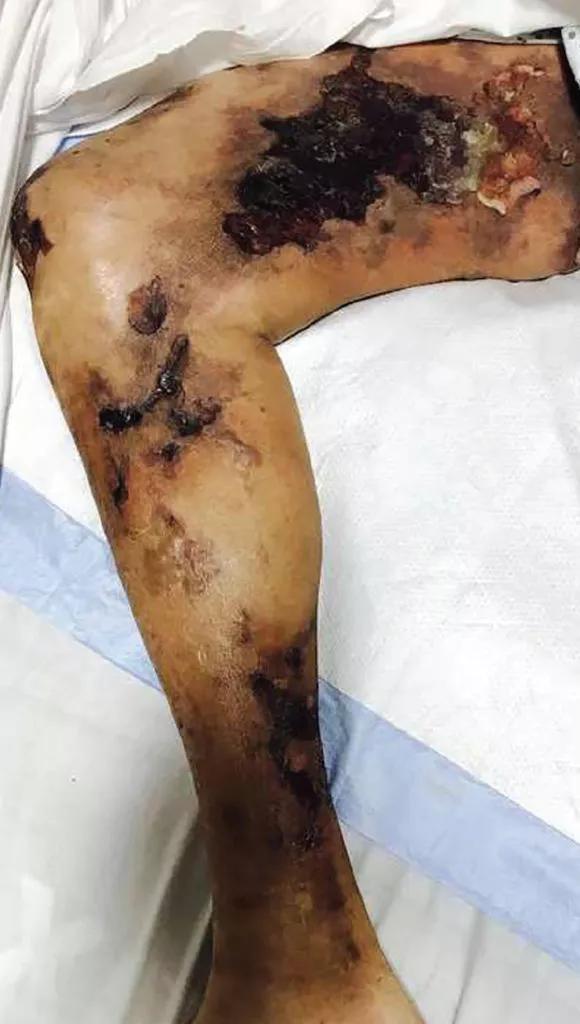
Kidney failure, excruciating urine, and stained urine. Pain in sacral region, with frequent urging to urinate. Dark red urine; burning pain during and after urination. Strong smelling urine; odor of garlic. Heart’s action weak and hurried, pulse small, compressible, weak, and frequent, though quite regular. Sudden debility, long involuntary inspiration. Empty feeling in stomach, with vertigo and confusion of ideas, and headache between temples. Palpitation of heart, with trembling of limbs. Severer cardiac palpitation. Cardiac chorea (bradycardia): at one time heart beats very irregular and feeble, at another time violent and irregular; attacks appear in paroxysms, action being normal in intervals.
Tremulousness of whole body, very noticeable on attempting to walk. Quivering, impossible to control. Severe prostration.
Body covered with cold moisture, skin dirty pale. Icy coldness of whole body, with cramps and obstinate hiccough. Intermittent, cold clammy sweat.
Cuprum Metallicum
Urgent want to make water, with scant emission. Frequent emission of fetid (dark-red, turbid, with yellowish sediment), viscid urine. Burning shootings in the urethra, during and subsequent to the emission of urine. Bed wetting (nocturia). when a person goes through bed-wetting, extremely watery urine, and feels shooting pain in the urethra.
Spasm of heart. Angina pectoris. Palpitation of the heart. Pulse very changeable; imperceptible; small; soft. Pressive tearing or starting in the limbs. Pain in the joints and in the limbs. Aching in the bones. Rheumatic pains. Shaking pains, which traverse the whole body. Dry eruptions, itch, tetters, with yellow scales. Miliary eruptions. Old ulcers; caries.
Digitalis Purpurea
Pulse – weak, irregular, intermittent, abnormally slow, and dropsy of external and internal parts. Weakness and dilatation of the myocardium. Its greatest indication is in failure of compensation and especially when auricular fibrillation has set in. Slow pulse in recumbent posture, but irregular and dicrotic on sitting up. Auricular flutter and fibrillation especially when subsequent to rheumatic fever. Heart block, very slow pulse. Severe weakness and sinking of strength, faintness, coldness of skin, and irregular respiration; cardiac irritability and ocular troubles after tobacco; jaundice from induration and hypertrophy of the liver. Jaundice with heart disease. Faint.
Cyanosis (bluish appearance). Cardiac muscular failure when asystole is present. Prostration from slight exertion. Collapse. Frequent stitches in heart. Irregular heart especially of mitral disease. Very slow pulse. Intermits; weak. Inequality of pulse. Pericarditis, copious serous exudation. Dilated heart, tired, irregular, with slow and feeble pulse. Hypertrophy with dilatation. Cardiac failure following fevers. Cardiac dropsy.
Continued urging to urinate, in drops, dark, hot, burning, with sharp cutting or throbbing pain at neck of bladder. Suppressed. Ammoniacal, and turbid. Urethritis, phimosis, strangury. Full feeling after urination. Constriction and burning. Brick-dust sediment.
Swelling of the feet. Fingers go to sleep easily. Coldness of hands and feet. Rheumatic pain in joints. Shining, white swelling of joints. Muscular debility. Nocturnal swelling of fingers. Continuous sleepiness.
Fever – sudden flashes of heat, followed by great nervous weakness. Erythema, deep red, worse on back, like measles. Blue distended veins, ears, lips and tongue. Dropsical. Itching and jaundiced.
Helonias Dioica
Diabetes mellitus, and insipidus. Constant aching and tenderness over kidneys. kidney irritation, sickliness, cramps and bluntness. Albuminuria. phosphatic; profuse and clear, urine – saccharine.
Kali Carbonicum
Urinary Organs. Frequent want to urinate, scanty emission of fiery urine. The urine discharged slowly. After micturition prostatitis. Urine pale greenish; turbid. Frequent emission of urine. Incisive pains in bladder. Burning sensation in urethra.
Plumbum Metallicum

The blood, alimentary and nervous systems are the special seats of action of Plumbum. Hemostasis is interfered with, rapid reduction in number of red corpuscles, hence pallor, icterus, anemia. Constrictive sensation in internal organs. Delirium, coma and convulsions. Hypertension and arteriosclerosis. Progressive muscular atrophy. Infantile paralysis. Locomotor ataxia. Excessive and rapid emaciation. Bulbar paralysis. Important in peripheral affections.
The points of attack for Plumbum are the neurexins and the anterior horns. Multiple sclerosis, posterior spinal sclerosis. Contractions and boring pain. All the symptoms of acute. Nephritis with amaurosis and cerebral symptoms. Gout. Urinary – frequent, ineffectual tenesmus. Albuminous; low specific gravity. Chronic interstitial nephritis, with great pain in abdomen. Urine scanty. Tenesmus of bladder. Emission drop by drop. Frequent, ineffectual tenesmus. Albuminous; low specific gravity. Chronic interstitial nephritis, with great pain in abdomen. Urine scanty. Tenesmus of bladder. Emission drop by drop.
Cardiac weakness. Pulse soft and small, dichroitic. Wiry pulse, camp-like constriction of peripheral arteries. Spinal cord sclerosed. Lightning-like pains; temporarily better by pressure. Paralysis of lower extremities. Yellow, dark-brown liver spots. Jaundice. Dry. Dilated veins of fore-arms and legs.
Paralysis of single muscles, limited movements. Paralysis from overexertion of the extensor muscles in piano players. Pains in muscles of thighs; come in paroxysms. Wrist-drop. Cramps in calves. Stinging and tearing in limbs, also twitching and tingling, numbness, pain or tremor. Paralysis. Feet swollen. Pain in atrophied limbs alternates with colic. Loss of patellar reflex. Hands and feet cold. Pain in knee, sensitive to touch.
Mercurious Coresive
Destroyed secreting portions of kidneys – glomerulonephritis. Intense burning in urethra. Urine hot, burning, scanty or suppressed; bloody, greenish discharge. Albuminous. Tenesmus of bladder. Stabbing pain extending up urethra into bladder, perspiration after urinating. Destroyed kidney function – Glomerular filtration. Albuminuria in early pregnancy.
Terebinthum
Has a selective affinity for bleeding mucous surfaces. Tympanites and urinary symptoms very marked. Inflammation of kidneys, with hemorrhages-dark, passive, fetid. Bright’s disease preceded by dropsy. Drowsiness and strangury. Coma. Urinary strangury, with bloody urine. Scanty, suppressed, odor of violets. Urethritis, with painful erections. Inflamed kidneys following any acute disease. Constant tenesmus. Pulse rapid, small, thready, intermittent.
Acne. Erythema; itching pustular, vesicular eruption; urticaria. Purpura, ecchymosis, dropsies. Scarlatina. Chilblains; with excessive itching and pulsating pains. Aching soreness of the muscles.
Fever with violent thirst, dry tongue, profuse cold, clammy sweat. Typhoid with tympanites, hemorrhages, stupor, delirium. Prostration.
Urea
Constant urging to urinate, beginning at root of penis. Constant urging, with much sediment in urine. From bladder to groins a fatiguing, tearing pain < standing. Profuse diuresis with rapid diminution of dropsy. Albuminuria; bloody urine; general dropsy; intermittent heart. Delirium, nosebleed, urine brown, very albuminous; oedema of pudenda; ascites; pulse small, slow; attacks of suffocation, polyuria; swelling decreased; albumen disappeared). Diabetes; uremia. Urine thin and of low specific gravity. A hydrogogue diuretic in the treatment of dropsies.
P. S: This article is only for doctors and students having good knowledge about Homeopathy and allopathy.

For proper consultation and treatment, please visit our clinic.
 Dr. Sayyad Qaisar Ahmed (MD {Ukraine}, DHMS), Abdominal Surgeries, Oncological surgeries, Gastroenterologist, Specialist Homeopathic Medicines.
Senior research officer at Dnepropetrovsk state medical academy Ukraine.
Location: Al-Haytham clinic, Umer Farooq Chowk Risalpur Sadder (0923631023, 03119884588), K.P.K, Pakistan.
Find more about Dr Sayed Qaisar Ahmed at:
https://www.youtube.com/Dr Qaisar Ahmed