
The definition and classification of hypertrophic cardiomyopathy (HCM) have varied over the decades; primarily because the phenotypic expression of ventricular hypertrophy can result from a myriad of diseases, especially among children.
Hypertrophic cardiomyopathy (HCM) has been previously called:
- Idiopathic hypertrophic subaortic stenosis (IHSS),
- asymmetric septal hypertrophy (ASH),
- dynamic muscular subaortic stenosis,
- diffuse muscular subaortic stenosis,
- hypertrophic subaortic stenosis,
- teare disease,
- Brock disease,
- and hypertrophic obstructive cardiomyopathy (HOCM).
Type of hypertrophic obstructive cardiomyopathy
At present, the entity of hypertrophic cardiomyopathy is subdivided into obstructive (predominant form) and nonobstructive types, depending upon the presence of left ventricular (LV) outflow tract (OT) obstruction.
HCM is a primary cardiac disorder that results from known or suspected genetic defects in sarcomeric proteins of the cardiac myocyte. The disorder is inherited in an autosomal dominant fashion with variable penetrance and variable expressivity.
The hallmark of hypertrophic cardiomyopathy (HCM) is myocardial hypertrophy that is inappropriate and often asymmetric and that occurs in the absence of an obvious inciting hypertrophic stimulus.
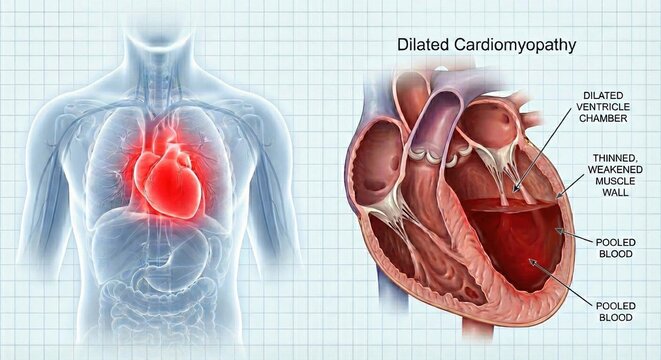
Although any region of the left ventricle (LV) can be affected, hypertrophy frequently involves the interventricular septum, which can result in outflow tract (OT) obstruction.
Patients typically have preserved systolic function with impaired LV compliance that results in diastolic dysfunction, whether or not OT obstruction is present.
HCM has a complex set of symptoms, the clinical presentation and course vary widely; some children are completely asymptomatic, whereas others experience sudden cardiac death. In fact, among adolescent children, HCM is the leading cause of sudden cardiac death during exertion.
Prognosis
About 70-75% of patients with hypertrophic cardiomyopathy (HCM) have LVOT with either a resting or provoked LVOT gradient. Most patients with HCM and LVOT obstruction have anomalies of the mitral valvular and subvalvular apparatus.
The overall mortality is approximately 1% per year. Infants diagnosed with HCM before age 1 year appear to have the highest mortality; a 5-year survival of about 70% was found in the Pediatric Cardiomyopathy Registry. Infants who survive beyond age 1 year or children diagnosed after age 1 year have an overall mortality of 1% per year.
Sudden death is the most common cause of death in children with HCM. A subgroup of children appear to have a higher risk of sudden cardiac death, reportedly as high as 4-6%. Given the overall mortality of 1% per year, it appears that children not in this higher-risk subgroup have very low mortalities, with a possible normal life expectancy.
%2Fcase%2Fdetail_images%2Fc513_22_detail.jpg&w=1080&q=75 "Hypertrophic Cardiomyopathy") The presence of midventricular obstruction has been linked to an elevated risk of ventricular arrhythmias and death. The presence of epicardial coronary artery disease in those with HCM is also linked to more poor outcomes.
The presence of midventricular obstruction has been linked to an elevated risk of ventricular arrhythmias and death. The presence of epicardial coronary artery disease in those with HCM is also linked to more poor outcomes.
Complications
Complications of hypertrophic cardiomyopathy (HCM) may include the following:
-
Infective mitral endocarditis,
-
Atrial fibrillation with mural thrombosis formation,
Patient Education
Individuals with hypertrophic cardiomyopathy (HCM) should be advised to avoid strenuous activity, anaerobic exercise (e.g. weightlifting), and high-level competitive sports. Activity restrictions should be imposed. Patients with HCM should also be counseled about the possibility of HCM genetic transmission, and the reported pathogenicity and identification of any variants should be reconfirmed every 2-3 years.
Family members of persons with HCM should learn cardiopulmonary resuscitation (CPR). Both the patient and the family members should be referred for psychosocial counseling.
History
In the setting of suspected hypertrophic cardiomyopathy (HCM), perform a thorough physical examination and obtain a complete medical and three-generation family history in the initial evaluation.
Patients with HCM may be asymptomatic. When present, manifestations are often associated varying underlying pathophysiologic mechanisms such as diastolic dysfunction, heart failure with preserved or reduced ejection fraction (EF), left ventricular (LV) outflow tract (OT) obstruction with/without significant mitral regurgitation (MR), autonomic dysfunction, ischemia, and arrhythmias. Symptoms may include dyspnea, syncope, presyncope, angina, palpitations, orthopnea, paroxysmal nocturnal dyspnea, congestive heart failure, and dizziness. Some children may present with sudden cardiac death as their first manifestation.
Sudden cardiac death
Sudden cardiac death is the most devastating presenting manifestation and, unfortunately, may be the first clinical manifestation of the disease, even among asymptomatic patients. It has the highest incidence in preadolescent and adolescent children and is typically associated with sports or vigorous exertion. Indeed, HCM has been identified as the most common cause of sudden death in the athlete following physical activity.
 In more than 80% of individuals with HCM, the arrhythmia that causes sudden death is ventricular fibrillation. Many patients with HCM develop ventricular fibrillation after atrial fibrillation, atrial flutter, supraventricular tachycardia associated with Wolff-Parkinson-White syndrome, ventricular tachycardia, or low-cardiac-output hemodynamic collapse.
Early diagnosis is of prime importance if death is to be prevented by prescription of an appropriate level of safe activity, Homeopathic treatment or allopathic medications, surgery, or an implantable cardioverter defibrillator. Because this is an autosomal dominantly inherited disease, screening of first-degree relatives with physical examination, electrocardiography (ECG), and echocardiography is useful to identify additional family members with HCM before the onset of significant symptoms or sudden death.
Dyspnea
Dyspnea is the most common presenting symptom, occurring in as many as 90% of symptomatic patients. It is largely a consequence of elevated left ventricular diastolic filling pressures and transmission of those elevated pressures back into the pulmonary circulation. The elevated left ventricular filling pressures principally result from impaired diastolic compliance as a result of marked hypertrophy of the ventricle.
Syncope
Syncope is a common symptom of HCM, resulting from inadequate cardiac output on exertion or from cardiac arrhythmia (either tachycardia or bradycardia). It is more common in children and young adults with small left ventricular chamber size and evidence of ventricular tachycardia on ambulatory monitoring. Some patients have abnormalities in sinus node function, leading to sick sinus syndrome. Syncope identifies children with HCM who are at significantly increased risk of sudden death and warrants an urgent evaluation and aggressive treatment.
Presyncope
Presyncope refers to “graying out” spells that occur in the erect posture and can be relieved by the individual immediately lying down. These symptoms are exacerbated by vagal stimulation. Presyncope may also occur with nonsustained atrial or ventricular tachyarrhythmias.
Presyncope occurs commonly in patients with HCM and identifies a subgroup of patients who may be at increased risk for sudden death. Like syncope, presyncope warrants a directed evaluation to rule out malignant arrhythmias. However, dizziness and presyncope are common symptoms in teenagers and may simply represent vasodepressor reaction or a common faint. A thorough investigation is warranted to rule out potential malignant etiology of presyncopal symptoms.
Angina
Typical symptoms of angina are seen in children with HCM and occur in the absence of detectable coronary atherosclerosis. Impaired diastolic relaxation and markedly increased myocardial oxygen consumption due to ventricular hypertrophy result in subendocardial ischemia, particularly during exertion.
Palpitations
 Palpitations are common in HCM. They are usually due to arrhythmia, such as premature atrial and ventricular beats, sinus pauses, intermittent atrioventricular (AV) block, atrial fibrillation, atrial flutter, supraventricular tachycardia, or ventricular tachycardia. Nonsustained ventricular tachycardia is another marker for a higher risk of sudden death.
Orthopnea and paroxysmal nocturnal dyspnea
Although orthopnea and paroxysmal nocturnal dyspnea are uncommon in children, these early signs of congestive heart failure are observed in individuals with severe cases of HCM. They occur when impaired diastolic function and elevated left ventricular filling pressure result in pulmonary venous congestion.
Congestive heart failure
Although relatively uncommon in children, congestive heart failure is present in 10% of children at initial presentation, most commonly in infants younger than 1 year. It is observed in individuals with severe cases of HCM. Congestive heart failure may occur as a result of a combination of impaired diastolic function and subendocardial ischemia. Systolic function in children with HCM is almost always well preserved, at least until the late stages of the disease.
Patients with congestive heart failure have a high likelihood of recurrent heart failure, as a consequence of both mitral regurgitation and profound diastolic dysfunction.
Dizziness
Dizziness is common in children with HCM who have elevated pressure gradients across the left ventricular outflow tract. Worsened by exertion, dizziness may be exacerbated by hypovolemia after high levels of exertion or increased insensible fluid loss (eg, during or after exposure to extreme heat).
Dizziness may be caused by medications (especially allopathic) or maneuvers (eg, rapid standing or a Valsalva maneuver during defecation) that decrease preload and afterload and increase the pressure gradient across the left ventricular outflow tract.
Dizziness also may be caused by arrhythmia-related hypotension and decreased cerebral perfusion. Nonsustained arrhythmias often cause symptoms of dizziness and presyncope, whereas sustained arrhythmias more likely lead to syncope, collapse, and sudden cardiac death.
Physical Examination
Most children with hypertrophic cardiomyopathy (HCM) do not have outflow tract obstruction and, therefore, may have completely normal physical examination findings. Abnormalities related to heart sounds, cardiac impulses, or murmurs may, however, be noted.
Heart sounds
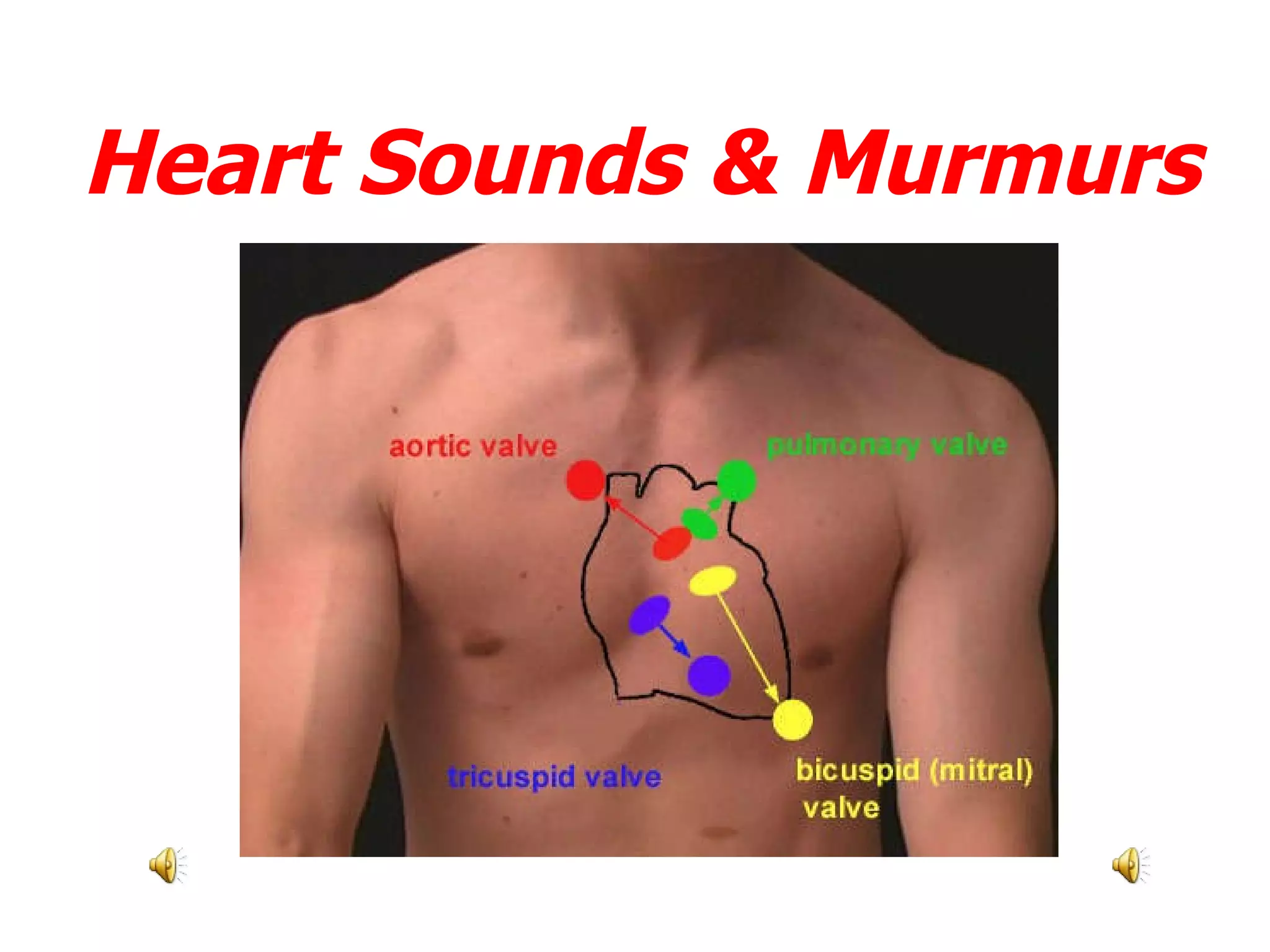 The first heart sound (S1) is normal in patients with HCM. The second heart sound (S2) is usually split; however, in some patients with HCM and extreme outflow gradients, S2 is split paradoxically. A third heart sound (S3) or gallop is common in children with HCM but does not have the same ominous significance as in patients with valvular aortic stenosis or in adults. A fourth heart sound (S4) is frequently heard and is due to the impact of atrial systole against a highly noncompliant left ventricle.
Cardiac impulse
The apical precordial impulse is frequently displaced laterally and is usually abnormally forceful and increased. A double apical impulse, resulting from a forceful left atrial contraction against a highly noncompliant left ventricle, occurs commonly in children with HCM. A triple apical impulse, resulting from a late systolic bulge that occurs when the heart is almost empty and is performing near-isometric contraction, is highly characteristic but is less frequent than a double apical impulse.
Murmur
The outflow murmur typically heard is a systolic ejection, crescendo-decrescendo murmur that is heard best between the apex and left sternal border; it radiates to the suprasternal notch but not to the carotid arteries or neck. The intensity of the murmur directly varies with the subaortic gradient across the left ventricular outflow tract.
Because obstruction is dynamic and directly related to volume status, left ventricular outflow tract obstruction and murmur diminish with any increase in preload (eg, that elicited by a Valsalva maneuver, a Mueller maneuver, or squatting) or increase in afterload (eg, that elicited by a handgrip). The murmur and the gradient increase with any decrease in preload (eg, that elicited by allopathic nitrate medications, diuretics, or standing) or with any decrease in afterload (eg, that elicited by allopathic vasodilators).
A holosystolic murmur of mitral regurgitation is heard at the apex and left axilla in patients with systolic anterior motion of the mitral valve and significant left ventricular outflow gradients.
A diastolic decrescendo murmur of aortic regurgitation is heard in 10% of children with HCM, although mild aortic regurgitation can be detected by Doppler echocardiography in 33% of patients with the disorder.
Other findings
The jugular venous pulse reveals a prominent ‘a’ wave due to diminished right ventricular compliance secondary to massive hypertrophy of the ventricular septum.
A double carotid arterial pulse may occur. The carotid pulse rises quickly because of increased velocity of blood through the left ventricular outflow tract into the aorta. The carotid pulse then declines in mid-systole as the gradient develops, followed by a secondary rise in carotid pulsation during systole.
Differential Diagnoses
-
Danon Disease (idiopathic hypertrophic subaortic stenosis or IHSS),
-
DELETE – Pediatric Ventricular Fibrillation,
-
Fabry Disease,
-
Friedreich Ataxia,
- Type II Glycogen Storage Disease (Pompe Disease),
-
Neonatal Hypertension,
-
Noonan Syndrome,
-
Sub valvar Aortic Stenosis,
-
Wolff-Parkinson-White Syndrome.
How is cardiomyopathy treated with Homeopathy?
The goal of Homeopathic treatment is to help patient’s heart work absolutely healthy/normal and to prevent further damage and loss of function.
Homeopathic treatment also varies depending on how damaged patent’s heart is due to cardiomyopathy and the resulting symptoms.
With Homeopathic treatment you can not only reverse and cure cardiomyopathy, but at the same time you can cure patient’s blood pressure, make the heart rhythm normal, remove/clean blood clots and also cure inflammation with same treatment plane. No need for any surgeries, pacemakers, defibrillators etc.
 Here are few Homeopathic medicines for cardiomyopathy treatment:
Cactus Grandiflorus
Cardiac pain with jerking body, frequently repeated. Pricking and stitches in the heart. Tachycardia, palpitation in small irregular beats (at times frequent, at others slow). Pains in apex of heart, shooting down left arm to ends of fingers; feeble pulse; dyspnea. Endocardial murmurs; excessive impulse; increased precordial dullness; enlarged ventricle. Edema of left hand only. Aneurism. Atheromatous arteries. Edema of the feet. General weakness and prostration of strength.
Crataegus Oxyacantha
Cardiac dropsy. Fatty degeneration. Aortic disease. Extreme dyspnea on least exertion, without much increase of pulse. Pain in region of heart and under left clavicle. Heart muscles seem flabby, worn out. Cough (cardiac cough). First cardiac sound weak. Pulse accelerated, irregular, feeble, intermittent. Valvular murmurs. Cutaneous chilliness, cyanosis; all these symptoms aggravated by exertion or excitement. Sustains heart in infectious diseases. Excessive perspiration. Insomnia of aortic patients.
Glonoinum (Nitro-glycerin)
Tachycardia with heat in the face, accelerated pulse and pulsation of the carotid arteries, distinct pulsation over the whole body. In the heart sensation of fulness, heaviness, and heat, with labored beating of the heart. Severe stitches from the heart, extending into the back. Purring cardiac sounds when lying.
Fainting with consciousness. Great weakness and prostration. Unconscious falling down (low brain blood circulation). Painless throbbing in the whole body. Pulsations, tingling, thrills, and a peculiar sensation of warmth through the body.
Yawning with headache. Insomnia but is difficult to waken. Pulse accelerated, irregular, intermitting, full and hard, small and rapid. Perspiration principally in the face, forehead, chest and after sleeping. Perspiration relieves the nausea.
Naja Tripudians
 Angina pectoris. Endocarditis. Asthma. Dysmenia. Aortic valve stenosis. Cardiac diseases. Spasmodic esophagus.
Uneasiness and dull, heavy pain in chest. Lancinating pains feels better on deep inspiration.
Fluttering and palpitation of heart. Loud audible beating. Pulse slow and irregular in rhythm and force; weak and thread like, scarcely perceptible. Pulse rapid; and full; 120, some beats tolerably full and strong, afterwards 32, irregular in rhythm and force, some of the beats full and bounding.
Gangrene. Body cold and collapsed. Extremities very cold; icy coldness. Burning heat in face. Free perspiration. Flushes of heat in face at different times of day; flushes in face, hands, palms sweating, general sweating.
Digitalis
Angina pectoris. Aortic valve stenosis. Asthma. Bright’s disease. Cyanosis. Delirium tremens. Dropsy. Fever. Gonorrhea. Headache. Heart, affections of. Hydrocephalus. Lung’s congestion. Tinnitus.
Sensation of soreness in the chest. Tachycardia with palpitations that can be heard (with slow pulse), anguish, and contraction in the sternum. On rising up in bed pulse becomes much more frequent and irregular and intermittent, confusion of heart, sudden sensation as though heart stood still, with great anxiety and necessity for holding breath, after dinner; must keep perfectly still.
Peculiar sensation as though heart standing still; single, violent, slow heartbeats, with sudden violent heat in occiput, and transient unconsciousness (the whole lasting only a moment). Oppression must breathe deeper. Heart’s action has lost its force; beats more frequent, intermittent, irregular. Palpitation easily excited on going up slight ascent. Heart seems to dilate slowly; palpitation at each movement of body; slight uneasiness at heart, cold sweats.
Syncope. Attacks of angina. Inexpressible anxiety with fainting; for a moment heart seems to stand still, and then several rapid and violent pulsations occur, with sensation as if heart had torn itself loose and were swaying to and fro by a thin thread.
Rauwolfia Serpentina
Rauwolfia or ‘” Choti Chandan or Sarpa Gandha”, alkaloids work by controlling nerve impulses along certain nerve pathways. As a result, they act on the heart and blood vessels to lower blood pressure.
Rauwolfia q due to its sedative action helps reduce high blood pressure including insanity-produced irritation of the central nervous system and alleviates its associated symptoms such as irregular beats, increased emotional excitability, and mild depression.
Rauwolfia serpentina q is also used as a laxative, diuretic and antidote to snake venom, hallucinations, delusions, and extremely disordered thinking and behavior that impairs daily functioning.
Kalmia Latifolia
Angina pectoris. Blindness. Bright’s disease. Dropsy. Dysmenorrhea. Gastralgia. Globus hystericus. Gout. Headache. Endocarditis, Cardiac diseases. Difficult and oppressed breathing; throat feels swollen, nausea. Oppressed breathing with palpitation, anxiety; with pain (angina pectoris).
Feverish heat with great pain in chest. Shooting through chest above heart into shoulder-blade to left hand. Rheumatism of muscles of thorax and back.
Fluttering of heart. Tachycardia with anxiety, suppressed breathing; with faint feeling; with dyspnea, pain in limbs. Severe pain in cardiac region, slow, small pulse (hypertrophy, dilatation, aortic obstruction), febrile excitement; rheumatic endocarditis, with consequent hypertrophy and valvular disease. Quickened but weak pulse. Pulse slow, weak; arms feel weak; scarcely perceptible, limbs cold. General heat; with burning and pain in back and loins. Cold sweat.
Arsenicum Album
Shortness of breath, difficulty of respiration, choking, dyspnea, and attack of suffocation, endocarditis, sometimes with cold sweat, spasmodic constriction of the chest or of the larynx, anguish, great weakness, body cold, pain in the pit of the stomach, and paroxysm of cough.
Respiration anxious, stertorous, and wheezing. Oppression of the chest on coughing, on walking, and ongoing upstairs. Constriction and compression of the chest, sometimes with great anxiety, inability to speak, and fainting fits. Tension and pressure in the chest. Stitches and pressing in the sternum. Shooting pains in the chest and in the sternum. Chilliness or coldness in the chest. Shivering, or great heat and burning in the chest. Heat, burning, itching in the chest. Yellowish spots on the chest.
Violent and insupportable throbbing of the heart, chiefly when lying on the back. Irregular beatings (bradycardia) sometimes with anguish and cramps. Palpitation and trembling weakness after stool; must lie down. Palpitation after suppressed herpes or foot-sweat. Angina pectoris. Hydropericardium. Fatty degeneration.
Aconitum Napellus
 Convulsions. Deafness. Dyspnea. Landry’s paralysis. Liver enlargement. Neuralgia. Esophagus spasms. General Spasms. Spleen enlargement. Tetanus. Tongue affections. Trismus. Vomiting. Short breathing, chiefly during sleep, and on getting up. Breathing painful, anxious, and attended with groans, rapid and superficial, or full, noisy, and with the mouth open. Breathing slow during sleep, breath hot, fetid. Constriction and anxious oppression of the chest, with difficulty of breathing.
Asthma of Millar. Attack of suffocation, with anxiety. Sensation of heaviness and of compression at the chest which interrupts respiration. Painful pricking in the chest, chiefly when breathing, coughing, and moving (even the arms).
Tachycardia, anxiety, heat of body, chiefly in the face, and great weariness in the limbs. Heart Attack. Shootings in the region of the heart. Sensation of compression and blows in the region of the heart. Inflammation of the heart. Chronic diseases of the heart, with continuous pressure in the left side of the chest, oppressed breathing, stitches in the region of the heart, congestions to the head; attacks of fainting and tingling in the fingers. Fainting with tingling. Pulse full, strong, hard; slow, feeble; threadlike with anxiety; quick, hard, small.
Adonis Vernalis
A heart medicine, after rheumatism or influenza, or Bright’s disease, where the muscles of the heart are in stage of fatty degeneration, regulating the pulse and increasing the power of contractions of heart, with increased urinary secretions. Aortic valve stenosis. Most valuable in cardiac dropsy. Low vitality, with weak heart and slow, weak pulse. Hydrothorax, ascites. Anasarca.
Heart Attack. Mitral and aortic regurgitation. Chronic aortitis, Fatty heart pericarditis. Rheumatic Endocarditis. Precordial pain, palpitation, and dyspnea. Marked venous engorgement. Cardiac asthma. Fatty heart. Myocarditis, irregular cardiac action, constriction and vertigo. Pulse rapid, irregular.
Aspidosperma Quebracho
Asthma, Cardiac asthma. Fever. Heart Attack. Quebracho is a Brazilian fever remedy from which the alkaloid Aspidospermine has been isolated. Respiratory paralysis, slowe heart, and paralysis of extremities. It relieves dyspnea in phthisis and pleurisy, but without influencing the fever.
The 1x relieved asthma with livid face; and dyspnea with cyanosis is frequently relieved by it.
Mitral incompetence and stenosis with severe nocturnal dyspnea. Aortic valve stenosis. Fatty heart (Queb. had no influence on the edema, which was removed by Dig.). Cardiomegaly especially of right side, much dyspnea, and a slight mitral murmur.
Emphysema and severe attacks of asthma. Stool heard, and “pearls” of rounded gelatinous masses were expectorated. Aspidospermine 3x gave more relief than any other remedy.
Terminalia Arjuna
Terminalia Arjuna is useful in both organic and functional diseases of the heart. Heart Attack. Cardiac asthma and bronchodilator. Aortic valve stenosis. An astringent, demulcent, expectorant, cardiotonic, styptic, antidysentery, urinary astringent, and has shown to be useful in fracture, ulcers, leukorrhea, diabetes, anemia, cardiomyopathy, endocarditis and cirrhosis.
This homeopathic medicine improves cardiovascular health, and it strengthens cardiac muscles and prevents any serious illness affecting it, anginal pain, hypertension, congestive heart failure, and dyslipidemia. Helps in improving energy levels and reduces fatigue, reduces risk factors.
Spigelia
Adenoids. Amaurosis. Angina pectoris. Mitral valve stenosis. Ciliary neuralgia. Cold. Constipation. Depression of spirits. Diaphragm, stitches in. Exophthalmic goiter. Eyes pains. Gastric catarrh. Glaucoma. Headache. Cardiac diseases, Endocarditis. Hernia, inguinal. Iritis. Jaw-joint, pain in. Neuralgia. Otalgia. Post-nasal catarrh. Prostatorrhea. Pterygium. Rectum cancer. Rheumatism. Scarlatina. Sigmoid flexure cancer. Stammering. Strabismus. Tinnitus. Tobacco habit. Toothache. Worms.
Contraction of chest, with anguish and obstructed respiration. Stitches in diaphragm with dyspnea. Cardiac regurgitation. Pressure, burning or incisive sensation pain. Sensation of trembling in thorax. Spasmodic sensation in chest, proceeding from pit of stomach and causing choking. Heart Attack. Sensation in heart as if squeezed with hand or as if crushed. Lancinations in region of heart. Stitches in heart sometimes synchronous with the pulse. Sensation of cardiac trembling.
Heartbeat do not correspond with those of the pulse. Pulse weak, irregular, trembling. Visible pulsation of heart. Violent, oppressive action of heart extending to top of head. Tumultuous action of heart in acute rheumatism and other acute disorders.
Needle-like stitches in upper dorsal vertebrae and in right scapula. Sensation in l. scapula as though blood were dripping through a valve, a kind of bubbling, pain in parotid gland.
Veratrum viride
 Amaurosis. Amenorrhea. Aortic valve stenosis. Mitral valve stenosis. Apoplexy. Asthma. Bunions. Inflammation of caecum. Chilblains. Chorea. Convulsions. Endocarditis. Diplopia. Diaphragmitis. Headache, nervous; sick. Heart affections. Congestion of chest with rapid respiration, nausea, vomiting; dull burning in region of heart. Pneumonia and pleurisy: pulse hard, strong, quick, or slow and intermittent; lungs engorged; faint feeling in stomach; high fever, face flushed.
Palpitation and dyspnea. Violent palpitation of heart and faint feeling. Faintness and biliousness. Pulse: slow, soft and weak; irregular, intermittent; suddenly increases and gradually decreases below normal.
Heart Attack. Aching in neck and shoulder. Pallor with syncope. Tremor. Spasm with violent shrieks; opisthotonos; face dark blue; breath suspended; lasting two minutes and recurring after few minutes’ interval. Convulsions. Chorea, movements continuing in sleep. Hemorrhage from various organs.
Body cold but moist skin. Profuse diaphoresis and sense of utter prostration. Bathed in cold sweat. Cold, clammy sweat on forehead.
Amylenum Nitrosum
On inhaling this drug, it rapidly dilates all arterioles and capillaries, producing flushing of face, heat, and throbbing in the head: Superficial arterial hyperemia. Palpitation of the heart. Heart Attack. Dyspnea and asthmatic feelings. Aortic valve stenosis. Great oppression and fullness of chest; spasmodic, suffocative cough. Precordial anxiety. Tumultuous action of heart. Pain and constriction around heart. Fluttering at slightest excitement.
Calcarea Carbonica
Raised blood coagulability (Strontium). Is a definite stimulant to the periosteum. Palpitation at night and after eating. Aortic valve stenosis. Palpitation with feeling of coldness, with restless oppression of chest; after suppressed eruption. Heart Attack. Pain as if sprained; can scarcely rise; from over lifting. Pain between shoulder-blades, impeding breathing. Rheumatism in lumbar region; weakness in small of back. Curvature of dorsal vertebrae. Nape of neck stiff and rigid. Renal colic. Swelling of joints, especially knee. Burning of soles of feet. Sweat of hands. Arthritic nodosities. Soles of feet raw. Feet feel cold and dead at night.
Aurum Metallicum

Anxious palpitation of the heart, from congestion to the chest. Bradycardia sometimes by fits, sometimes with anguish and oppression of the chest. Cardiac pain extending down left arm to fingers. Floundering heart. When walking, the heart seems to shake as if it were loose. Sensation as if the heart stood still. Palpitation compels him to stop.
Pulse small but accelerated. Febrile shivering over the whole body, while in bed in the evening, followed neither by heat nor thirst. Body coldness with bluish color of the nails (capillary blood circulation), nauseous taste with inclination to vomit. Heat of the face, with cold in upper and lower extremities. Copious general morning perspiration; mostly about genitals.
Baryta Carbonica
Dry, suffocative cough. Stitches in chest; worse inspiration. Lungs feel full smoke. Palpitation and distress in region of heart. Aneurysm. Aortic valve stenosis. Mitral valve stenosis Accelerates the heart’s action at first, blood pressure much increased, contraction of blood vessels. Heart Attack. Palpitation when lying on left side, when thinking of it especially; pulse full and hard. Cardiac symptoms after suppressed foot-sweat.
Pain in axillary glands. Cold, clammy feet. Fetid foot-sweats. Numbness of limbs. Numb feeling from knees to scrotum; disappears when sitting down. Toes and soles sore; soles painful when walking. Pain in joints; burning pains in lower limbs.
Rhus Toxicodendron
Tickling behind upper sternum. Oppression of the chest cannot get breath with sticking pains. Cardiac hypertrophy from overexertion. Pulse quick, weak, irregular, intermittent, with numbness of left arm. Heart Attack. Trembling and palpitation when sitting still. Aortic valve stenosis.
Pain between shoulders on swallowing. Pain and stiffness in small of back; better, motion, or lying on something hard; worse, while sitting. Stiffness of the nape of the neck.
Kalium Carbonicum
Cutting pain in chest. Coldness of chest. Sensation as if heart were suspended. Aortic valve stenosis. Palpitation and burning in heart region. Weak, rapid pulse; intermits, due to digestive disturbance. Threatened heart failure. Heart Attack.
Lachesis Mutus
Upper part of windpipe very susceptible to touch. Sensation of suffocation and strangulation on lying down, particularly when anything is around throat; compels patient to spring from bed and rush for open window. Spasm of glottis; feels as if something ran from neck to larynx. Feels he must take a deep breath. Cramp-like distress in precordial region. Breathing almost stops on falling asleep. Larynx painful to touch. Sensation as of a plug which moves up and down, with a short cough.
Heart Attack. Cardiac palpitation, with fainting spells, especially during climacteric. Constricted feeling causing palpitation, with anxiety. Cyanosis. Irregular beats. Aortic valve stenosis.
Strophanthus Hispidus
Strophanthus is a muscle poison; it increases the contractile power of all striped muscles. Acts on the heart; increasing the systole and diminishes the rapidity. Aortic valve stenosis.
Dyspnea, especially on ascending. Lungs congested. edema of lungs. Bronchial and cardiac asthma. Pulse quickened. Heart’s action weak, rapid irregular, due to muscular debility; and insufficiency. Cardiac pain.
Apocynum Cannabinum
Sighing. Heart Attack. Oppression about epigastrium and chest. Aortic valve stenosis. Tricuspid regurgitation; rapid and feeble, irregular cardiac action, low arterial tension, pulsating jugulars, general cyanosis and general dropsy. Increases secretions of mucous and serous membranes and acts on cellular tissue. Edema and dropsy. Hyperhidrosis/diaphoresis. Acute hydrocephalus. A diminished frequency of the pulse.
This is one of our most efficient remedies, in dropsies, ascites, anasarca and hydrothorax, and urinary troubles, especially suppression and strangury. Arrhythmia. Mitral and tricuspid regurgitation. Acute alcoholism. Relaxation of sphincters.
Apis Melifistida
Hydrothorax. Sensation of soreness in the chest. Oppression of the chest, shortness of breath, dull aching pain in the left side of the chest near the middle of the sternum. Expectoration of copious transparent, frothy, bloody mucus.
Sudden pain just below the heart, soon extending toward right chest, with suffocation. Very feeble action of the heart; violent beats, shaking the whole body; intermittent beats. Heart Attack. Region of heart sensitive to least pressure; rasping sounds of systole and diastole unmistakably audible. Palpitation of heart from scanty secretion of urine, perfectly cured by establishing the natural quantity.
Pulse almost imperceptible at wrist; accelerated and full; very frequent and hard; wiry; irregular and slow pulse; intermittent.
Laurocerasus
Apoplexy, threatened. Asphyxia, neonatorum. Asthma. Cholera. Chorea. Climacteric sufferings. Convulsions. Cough. Cramps. Cyanosis. Epilepsy. Heart affections. Liver affections. Palpitation. Anemic.
Spasmodic constriction of the trachea. Little short cough, excited by a tickling and scraping in throat. Abundant gelatinous expectoration, with small specks of blood. Slow, weak, anxious respiration. Rattling, stertorous respiration. Obstruction to respiration in region of stomach. Pressure on chest. Constriction of chest, with oppression. Burning and stitches in chest. Heart Attack.
Pains in region of heart. Slow and irregular beating of heart. The patient puts his hand to his heart, as if there was some trouble there; this may result from running a short distance, which puts him/her completely out of breath; going upstairs, walking, any exercise may bring this on.
Lithium Carbonicum.
Albuminuria. Aneurysm. Angina Pectoris. Gallstones. Gastralgia. Glands swelling. Gout. Headaches. Heart, affections of Hemiopia. Obesity. Ossification of arteries. Prostatitis. Retina’s anemia. Rheumatism. Spleen affections. Pressure in middle of chest. Constriction of chest when walking (after breakfast). Heart Attack. Rheumatic soreness in region of heart. Violent pain in region of heart as he/she bent over bed, morning on rising. Sudden shock in heart. Throbbing; like a dull stitch in region of heart. Pains in heart after pains in bladder. Pains in heart before and at time of commencement of menses. Trembling and fluttering of heart (after mental agitation of a vexatious character). Pains in heart before and at time of urinating. Pressure in region of heart on rising to urinate.
Spongia Tosta.
 Aneurysm. Angina pectoris. Asthma. Catalepsy. Fainting. Goiter; exophthalmic. Heart hypertrophy. Hernia. Jaw-joint, pain in. Rheumatic fever. Rheumatism. Respiration, quick, anxious, and difficult, sometimes with fits of suffocation, and mucous rattling in chest. Short, panting respiration. Spasmodic, constrictive pains in whole chest (and larynx). Dyspnea. Burning sensation, which ascends into chest. Ebullition of blood (congestions) in chest after slightest effort and least movement, with obstructed respiration, anguish, nausea, and weakness, which induces syncope.
Pains and anxiety in region of heart. Constricting, stinging, pressing pain in cardiac region. Tachycardia, with suffocation, violent gasping respiration, pain in heart. Rheumatic affections of valves of heart (fibrous deposit on valves). Violent palpitation of heart, beats rapid (each beat was accompanied by a loud blowing as of a bellows), awakens him after midnight, with a sense of suffocation, loud cough, great alarm, agitation, anxiety, and difficult respiration. Pulse full, hard, and frequent. Heart Attack.
Zincum Metallicum
Alcoholism. Amblyopia. Asthma. Brain fag. Brain paralysis. Chorea. Constipation. Gastralgia. Headache; nervous; chlorotic. Hydrocephalus. Hyperpyrexia, nervous. Hypochondriasis. Hysteria. Inframammary pain. Joints, creaking in. Reaction, defective. Rheumatism. Screaming. Sleepiness. Somnambulism. Spleen neuralgia. Strabismus. Varicose.
Difficult respiration and oppression, with pressive pain in the chest. Constrictive sensation around the chest, with pain in the chest. Spasmodic dyspnea. Shortness of breath, caused by flatulence after a meal. Mucus. Cardiac palpitation. Burning sensation in chest. Pain beneath costal arches.
Tachycardia with or without anguish. Heart Attack. Irregular movements of heart. Shocks in heart and intermittent palpitation, with suffocation. Tension and stitches in the precordial region. Sudden, spasmodic, bursting sensation about heart. Violent pulsations in blood vessels during heat. Rapid pulse.
Interesting Facts
Butter Can Reduce Your Heart Disease Risk
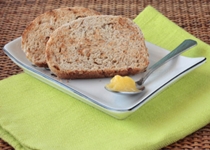 Saturated fats often get a bad rap. Claims over the last 30 years have falsely linked fat and saturated fats to an increased risk of heart disease, obesity, and high cholesterol. But that’s not true. Fat is actually vital to a healthy diet, and the right types of saturated fats can even provide important health benefits. For thousands of years, the ancient traditions of Herbal and Ayurvedic medicine have referred to a particular saturated fat as “liquid gold” with incredible healing powers.
Skin
- Aid digestion
- Enhance memory and intelligence
- Treat anemia, blood disorders, and chronic fevers
Ghee is also high in butyric acid, a short-chain fatty acid that inhibits cancer growth and contains antiviral properties. Butyric acid can also prevent and reverse the effects of weight gain.
Sounds like “liquid gold” to me. But where do you find such a powerful food?
P. S: This article is only for doctors and students having good knowledge about Homeopathy and allopathy.

For proper consultation and treatment, please visit our clinic.
 Dr. Sayyad Qaisar Ahmed (MD {Ukraine}, DHMS), Abdominal Surgeries, Oncological surgeries, Gastroenterologist, Specialist Homeopathic Medicines.
Senior research officer at Dnepropetrovsk state medical academy Ukraine.
Location: Al-Haytham clinic, Umer Farooq Chowk Risalpur Sadder (0923631023, 03119884588), K.P.K, Pakistan.
Find more about Dr Sayed Qaisar Ahmed at:
https://www.youtube.com/Dr Qaisar Ahmed