

Nicotine and vaping both make addictive, so quitting smoking can be difficult. The severity of withdrawal symptoms depends on how long you’ve smoked and how much you smoke daily.
Nicotine can be as addictive as other drugs, including alcohol, cocaine, and morphine. It can cause temporary effects such as:
- boosting mood,
- reducing depression,
- reducing irritability,
- enhancing concentration and short-term memory,
- producing a sense of well-being,
- reducing appetite.
In addition to nicotine, tobacco is thought to contain about 70 carcinogens. These chemicals can result in the development of smoking-related diseases such as lung cancer, heart disease, and stroke.
In an effort to prevent these diseases, millions of smokers attempt to quit each year. Nicotine withdrawal makes it more difficult to quit. Read on to learn how to manage the symptoms that occur when you stop using this addictive substance.
Nicotine addiction
Nicotine is a highly addictive chemical found in the tobacco plant. The addiction is physical, meaning habitual users come to crave the chemical, and also mental, meaning users consciously desire nicotine’s effects. Nicotine addiction is also behavioral. People become dependent on actions involved with using tobacco. They also become accustomed to using tobacco in certain situations, such as after meals or when under stress.
Nicotine is primarily consumed by inhaling the smoke of tobacco cigarettes. Other ways to smoke tobacco include pipes and cigars. Sniff or Quid (smokeless tobacco) is inhaled through the nose as a powder or held in the mouth.
The effects of nicotine addiction
Nicotine creates pleasant feelings in the body and mind. When you use tobacco, your brain releases neurotransmitters such dopamine, the feel-good chemical. This creates a brief feeling of contentment and pleasure. 
But besides nicotine, tobacco cigarettes and smokeless tobacco contain many cancer-causing agents and other harmful chemicals. The nearly 4,000 chemicals found in tobacco have physical, mental, and psychological effects. Using tobacco leads to grave health complications, for example:
- lung cancer
- emphysema
- chronic bronchitis
- cancer, especially in the respiratory system
- leukemia
- heart disease
- stroke
- diabetes
- eye issues, such as cataracts and macular degeneration
- infertility
- impotence
- miscarriage and pregnancy complications
- weakened immune system
- cold, flu, and respiratory infections
- loss of sense of taste or smell
- gum disease and dental issues
- the appearance of premature aging
- peptic ulcer disease
- osteoporosis
Secondhand smoke also increases the risk of lung cancer and heart disease among people close to smokers. People living in homes with secondhand smoke are more likely to have:
- sudden infant death syndrome
- asthma
- respiratory infections
- ear infections etc.
What are the symptoms of nicotine withdrawal?
The symptoms of nicotine withdrawal can begin within 30 minutes of your last use of tobacco and will depend on your level of addiction.
Symptoms of nicotine withdrawal for smokers include:
- intense cravings for nicotine
- tingling in the hands and feet
- sweating
- nausea and abdominal cramping
- constipation and gas
- headaches
- coughing
- sore throat
- insomnia
- difficulty concentrating
- anxiety
- irritability
- depression
- weight gain etc.

Symptoms of withdrawal for people who sniffs/quid/chewing tobacco are quite similar. They include:
- depressed mood
- trouble sleeping
- difficulty concentrating
- feeling restless and jumpy
- irritability
- increased hunger or weight gain
- slower heart rate etc.
Symptoms of nicotine withdrawal typically peak within 2-3 days. Your cravings are caused by nicotine receptors in the brain. These receptors are increased in response to your previous nicotine use. The receptors will make you want to continue smoking. Ignoring those receptors leads to withdrawal symptoms.
However, as you ignore them, they begin to disappear. Withdrawal symptoms often go away in two to four weeks. Some people may experience nicotine withdrawal for several months.
Nicotine Withdrawal
Nicotine can be as addictive as other drugs, including alcohol, cocaine, and morphine. It can cause effects such as:
- boosting mood
- reducing depression
- reducing irritability
- enhancing concentration and short-term memory
- producing a sense of well-being
- reducing appetite
In addition to nicotine, tobacco is thought to contain about 70 carcinogens. These chemicals can result in the development of smoking-related diseases such as lung cancer, heart disease, and stroke.
Symptoms of nicotine withdrawal?
The symptoms of nicotine withdrawal can begin within 30 minutes of your last use of tobacco and will depend on your level of addiction and peak in 2-3 days.
Symptoms of nicotine withdrawal for smokers, for people who sniffs/quid/chewing tobacco include:
- intense cravings for nicotine
- tingling in the hands and feet
- sweating
- nausea and abdominal cramping
- constipation and gas
- headaches
- coughing
- sore throat
- insomnia
- difficulty concentrating
- anxiety
- irritability
- depression
- weight gain
Nicotine withdrawal allopathic treated
There is not any allopathic treatment for nicotine withdrawal. Numerous kinds of smoking cessation aids can help you manage withdrawal. These are known as nicotine replacement therapy (NRT) products and include: 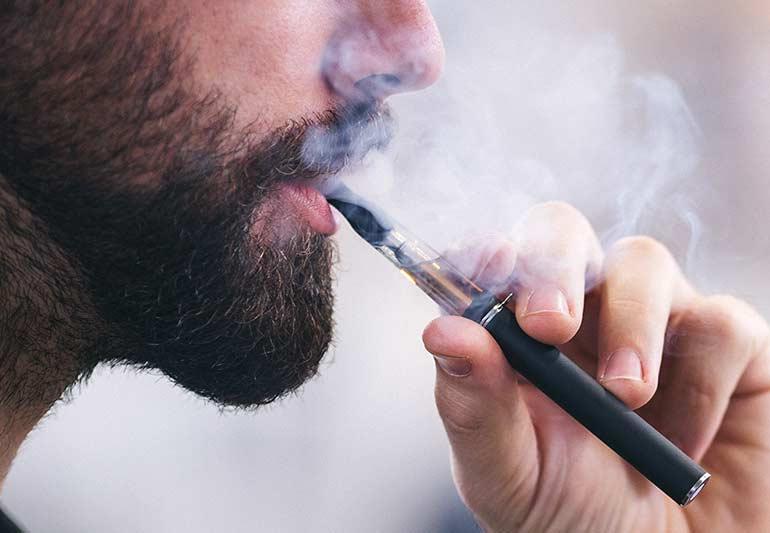
- patches
- lozenges
- inhalers
- gums
- nasal sprays etc.
Bupropion (Zyban) and varenicline (Chantix) prescription drugs used for smoking cessation purposes. However, it’s important to note that another formulation of bupropion recognized by the brand name Wellbutrin is used for depression.
Pros and cons of NRT
NRT products are helpful, but they aren’t a cure-at all. Most people still experience withdrawal symptoms, NRT can’t take that away.
Some common side effects of popular NRT products include:
- dizziness
- trouble sleeping
- nausea
- headaches etc.
NRT products have been associated with increased blood pressure. While some people have experienced heart attacks while using a nicotine patch and smoking at the same time.
Pros and cons of non-nicotine prescription medications
Treatment may also include the use of non-nicotine prescription medications, such as bupropion (Zyban, Wellbutrin SR, Wellbutrin XL, Aplenzin, and Forfivo XL) or varenicline (Chantix, Tyrvaya, Champix).
These can have some serious side effects. For example, bupropion, which is also often prescribed to treat depression, might make it harder to sleep, toxic for liver and spleen, effects circulatory system etc.
Increased appetite and weight gain
When you stop smoking, your taste buds and sense of smell will return to normal. While this is a positive side effect, you may notice that you crave food more often than you did before you began smoking. Additionally, some people begin to crave foods, which can lead to weight gain.
Mental health changes
Some people may also experience mental health issues. People who’ve had episodes of depression in the past may experience a relapse. This may also occur for people who’ve had bipolar disorder or other substance use disorders.
Depression associated with nicotine withdrawal is often temporary and subsides with time. Depression is a treatable condition, but it can be life-threatening if it’s left untreated.
Homeopathic treatment for Nicotine withdrawal
In Homeopathy, there are many well proven medicines/remedies which will not only treats nicotine craving but also treat damages it caused in your body. Here are few of Homeopathic medicines for nicotine withdrawal: 
Daphne Indica
Acts on lower tissues, muscles, lungs, bones and skin. Sudden, lightning jerks in different parts of the body. Craving for tobacco. Burning in stomach. Parts of the body feel separated. Fetid breath, urine, sweat. Feels as if skull would burst (severe headache). Heat in head, especially in vertex. Foul-smelling, ptyalism hot.
Entire inability to sleep; sometimes caused by aching in bones. Dreams, with nightmare. Dreams of cats, black cats. Starting on falling to sleep with chilliness and clamminess.
Baptisia Tinctoria
Septic conditions of the blood, malarial poisoning and extreme prostration. Indescribable sick feeling. Great muscular soreness. Biliousness. Brain softening. Cancer. Consumption. Tuberculosis. Diphtheria. Wild, wandering feeling. Inability to think. Mental confusion. Ideas confused. Illusion of divided personality. Thinks he is broken or double. Delirium, wandering, muttering. Perfect indifference. Falls asleep while being spoken. Melancholia, with stupor. Sewer gas or smoke-poisoning.
Caladium Seguinum
Modifies craving for tobacco. Tobacco heart. Asthma. Asthma alternating with itching. Fluent or stopped coryza. Headaches and mental states of smokers. Very forgetful. Larynx and trachea constricted; impedes deep breathing. Sudden and involuntary cough. Asthma.
Capsicum Annum
Sleeplessness and disposition to suicide. Wants to be let alone. Peppery disposition. Delirium tremens. Bursting headache. Inflammation of Eustachian tube. Sore throat of smokers and drinkers. Smarting in; constriction. Burning constriction.
Plantago Major
Tobacco habit. Depression and insomnia of chronic Nicotinic dependent. Breath putrid. Aphthae/mouth ulcers. Dry, parched throat. Scraping in throat. Soreness and swelling of submaxillary glands on both sides.
Kalmia Latifolia
Weak, slow pulse. Fluttering of heart, with anxiety. Palpitation. Tachycardia, with pain (Thyroid). Tobacco heart. Dyspnea and pressure from epigastrium toward the heart. Sharp pains take away the breath. Frequent pulse. Heart’s action tumultuous, rapid and visible. Paroxysms of anguish around heart. 
Fluoricum Acidum
Itching in the larynx, which causes him to hawk and to swallow. Short frequent cough, mostly dry, white, frothy sputa. Itching under the ribs. Difficult respiration (afternoon and evening). During respiration wheezing (hydrothorax). Alcoholism. Tobacco habit.
Aurum Metallicum
Alcoholism. Tobacco habit/smoking. Angina pectoris. Asthma. Foul breath in girls at puberty. Taste putrid or bitter. Ulceration of gums. High Blood Pressure-Valvular lesions of arterio-sclerotic nature.
Tabacum
The nausea, giddiness, death-like pallor, vomiting, icy coldness, and sweat, with the intermittent pulse. Complete prostration of the entire muscular system. Collapse. Tension and arteriosclerosis of the coronary arteries. Best homeopathic medicine for angina pectoris and high tension. Constriction of throat, chest, bladder, rectum. Pallor, breathlessness, hard-cordlike pulse.
Nasopharyngitis and tracheitis, hemming, morning cough, sometimes with vomiting. Hoarseness of smokers. Tachycardia. Bradycardia. Acute dilatation caused by smoking, shock or violent physical exertion
Lobelia Inflata
Is a vaso-motor stimulant; increases the activity of all vegetative processes; spends its force mainly upon the pneumogastric nerve, producing a depressed relaxed condition with oppression of the chest and epigastrium, impeded respiration, nausea and vomiting.
Bad effects of drunkenness. Diphtheria. Dyspnea from constriction of chest; worse, any exertion. Sensation of pressure or weight in chest. Asthma: attacks, with weakness, felt in pit of stomach and preceded by prickling all over. Cramp, ringing cough, short breath, catching at throat.
P. S: This article is only for doctors and students having good knowledge about Homeopathy and allopathy.

For proper consultation and treatment, please visit our clinic.
 Dr. Sayyad Qaisar Ahmed (MD {Ukraine}, DHMS), Abdominal Surgeries, Oncological surgeries, Gastroenterologist, Specialist Homeopathic Medicines.
Senior research officer at Dnepropetrovsk state medical academy Ukraine.
Location: Al-Haytham clinic, Umer Farooq Chowk Risalpur Sadder (0923631023, 03119884588), K.P.K, Pakistan.
Find more about Dr Sayed Qaisar Ahmed at:
https://www.youtube.com/Dr Qaisar Ahmed