
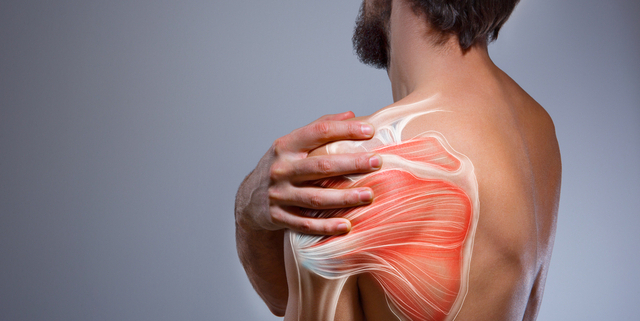
Adhesive capsulitis, or frozen shoulder, is a painful and debilitating condition characterized by progressive stiffness and loss of both active and passive shoulder motion due to fibrotic joint capsule changes. According to old study this condition typically occurs in middle-aged individuals, with a higher prevalence in women, but in my practice, I (Dr. Qaisar Ahmed) found it equally in men and women. The nondominant hand is more often affected. This observation might relate to differential use patterns and compensatory behaviors affecting biomechanics and physiological stress responses.
In severe cases, there may be an observable loss of the natural arm swing during walking and signs of muscle wasting due to disuse or compensatory behavior to avoid pain. Patients will have diffuse tenderness around the joint upon palpation. Despite this tenderness and limited motion, distal neurological function remains intact, helping differentiate adhesive capsulitis from other conditions, such as neurological impairments or more extensive rotator cuff injuries.
According to books adhesive capsulitis develops in 3 stages:
- the painful,
- freezing and
- thawing phase.
Thawing phase can last for months to years, but in my (Dr. Qaisar Ahmed) experience, patient can hardly survive to that stage if he/she is tacking allopathic drugs – that’s why I (Dr. Qaisar Ahmed) think that there is Not any thawing phase.
Risk Factor
Risk factors include spleen diseases/abnormalities, thyroid diseases/disorders, prolonged immobilization, and shoulder injuries.
Diagnosis is primarily clinical, with imaging used to rule out other causes of shoulder dysfunction for example calcifications etc.
Etiology
Adhesive capsulitis is categorized into primary and secondary types based on etiology.
Primary Adhesive Capsulitis
This form occurs without an obvious precipitating factor and is often considered idiopathic and is thought to arise from an intrinsic inflammation leading to fibrotic changes within the shoulder capsule.
Secondary Adhesive Capsulitis
This form results from an external event or condition directly affecting shoulder mobility. Common causes include:
-
Trauma: A significant injury to the shoulder that leads to immobilization can precipitate adhesive capsulitis.
-
Surgery: Postoperative complications, especially shoulder or chest wall surgeries, can lead to the development of adhesive capsulitis.
-
Prolonged immobilization: Extended immobilization after injury or surgery can lead to stiffening of the joint capsule.
- Endocrine diseases (glands malfunctioning). 

Pathophysiology
The exact pathophysiology is not functioning or not proper functioning of specific or of all glands (endocrine disorders), which can predispose individuals to more severe forms of the disease and leads to inflammation, fibrosis, and contracture of the shoulder joint capsule, hormonal imbalances etc. and play a key role – said Dr. Qaisar Ahmed MD, DMS.
Fibrotic changes occur within the joint capsule, particularly the rotator interval, leading to thickening of the coracohumeral ligament and contraction of the joint capsule. These changes are often visualized in imaging studies, demonstrating reduced joint capsule volume and thickening of the synovial lining. The fibrotic process is mediated by various cytokines and growth factors, which contribute to the proliferation of fibroblasts and excessive collagen deposition, further restricting shoulder mobility.
Histopathology
Histologically, adhesive capsulitis is characterized by synovial hyperplasia, angiogenesis, and eventual joint capsule fibrosis. These changes lead to a palpably thickened and contracted joint capsule, significantly restricting both active and passive range of motion. The pathophysiology involves both inflammation and fibrosis, and the condition passes through two stages – an initial inflammatory phase, and fibrotic phase characterized by increasing stiffness and limited range of motion.
The duration of each stage can vary among individuals, and arthroscopic findings provide visual evidence of the pathological changes occurring within the joint. Arthroscopic studies of the affected shoulder show:
-
Subacromial fibrosis: The presence of fibrous tissue and adhesions in the subacromial space leads to restricted movement and impingement of the shoulder structures.
-
Proliferative synovitis: The synovium lining the joint capsule shows signs of excessive proliferation and inflammation, which contributes to the thickening of the synovial tissue.
-
Capsular thickening: The joint capsule thickens and fibroses, leading to shoulder joint stiffness and a loss of range of motion.
Evaluation
The diagnosis of adhesive capsulitis is primarily clinical. A detailed patient history and physical examination are required, and a significant reduction in shoulder mobility in multiple planes is typically observed.
Further evaluation may include:
Routine laboratory testing is not indicated for diagnosing adhesive capsulitis as it is primarily a clinical diagnosis. However, if an underlying systemic or endocrine condition like diabetes (spleen) or thyroid disease is suspected to contribute to the presentation, appropriate blood tests may be conducted. These tests help identify any underlying inflammatory or endocrine conditions that could mimic or exacerbate the symptoms of adhesive capsulitis. 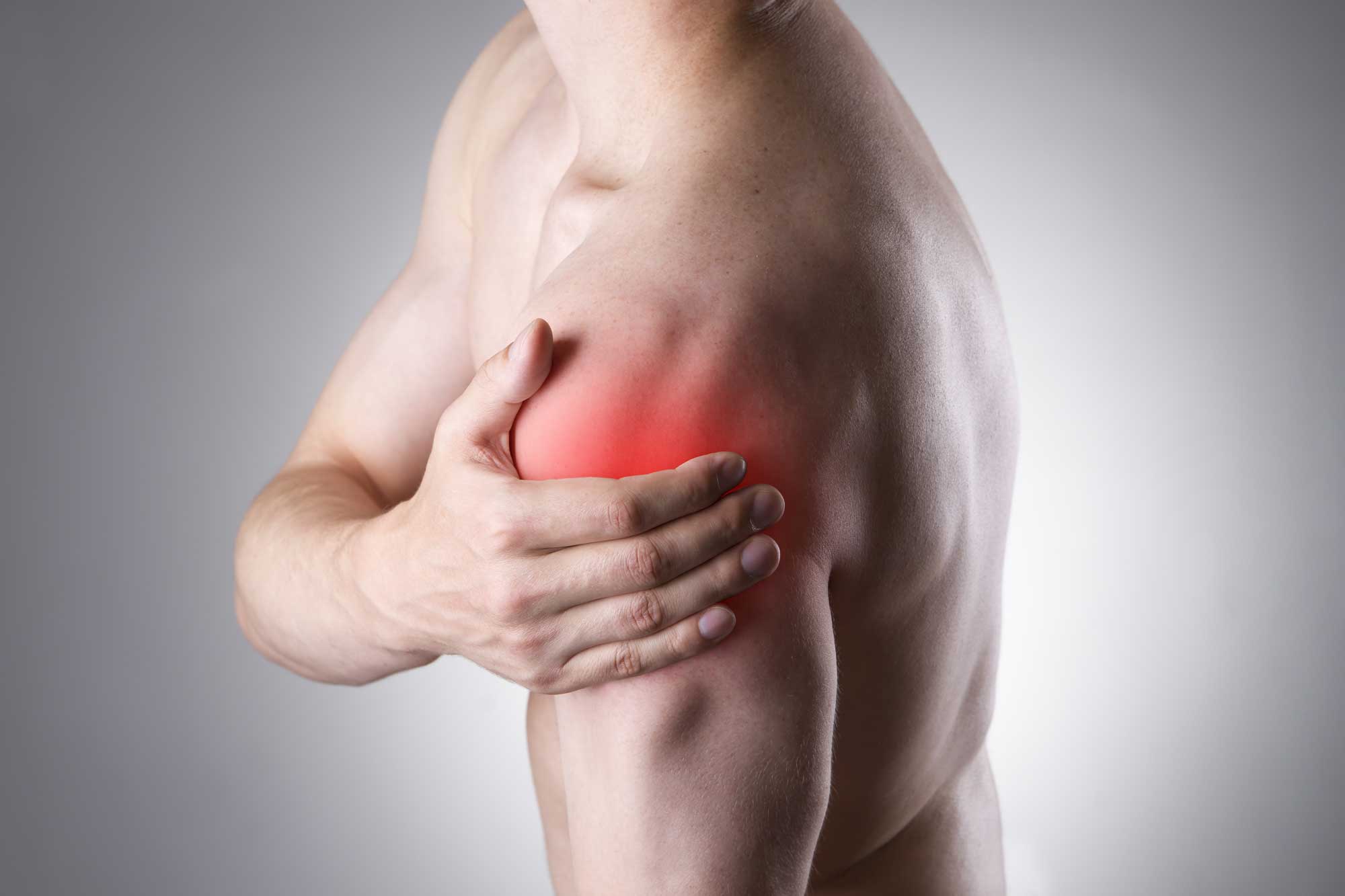
Imaging: A shoulder x-ray is often performed to rule out bony abnormalities. Magnetic resonance imaging may show a thickened coracohumeral ligament, rotator interval synovitis, or a noticeable decrease in the size of the axillary pouch. These findings are not definitive for adhesive capsulitis, but help confirm the diagnosis and assess the severity of intra-articular involvement. Advanced imaging techniques can also assess the efficacy of therapeutic interventions by monitoring changes in the tissue composition of the joint capsule over time.
Diagnostic injection:
Diagnostic injection testing involves administering a local anesthetic, typically 1% or 2% lidocaine, into the subacromial space. This helps differentiate between adhesive capsulitis and other pain sources like subacromial bursitis or rotator cuff tendinopathy. In adhesive capsulitis, the restriction of range of motion persists even after local anesthesia. In other conditions, there may be an improvement in pain and increased range of motion following the anesthesia.
Staging
Disease progression is described in 3 clinical phases. Each varies in duration and is characterized by different symptoms.
The initial phase, known as the freezing phase, is marked by diffuse, disabling shoulder pain that worsens at night with increasing stiffness. The pain intensifies as the range of motion begins to decrease. This phase typically lasts from 2 to 9 months.
The intermediate frozen phase is characterized by reduced pain intensity, and persistent stiffness emerges as the primary concern. Capsular rigidity progressively restricts the shoulder’s range of motion across all planes, significantly impacting functionality. This phase generally lasts between 4 to 12 months.
The thawing phase is characterized by gradual pain reduction and mobility restoration (which I never saw in my 30 years of clinical practice – said Dr. Qaisar Ahmed).
Allopathic treatment for frozen shoulder or adhesive capsulitis
The goals of allopathic treatment for frozen shoulder syndrome (FSS) are to relieve pain and restore movement and shoulder function. According to allopathic philosophy, frozen shoulder syndrome is self-limiting; long-term outcomes are essentially the same, regardless of the treatment used.
Physiotherapy and home exercise are first-line allopathic treatments for all stages of frozen shoulder syndrome. These are often combined with anti-inflammatory medications and glenohumeral joint corticosteroid injection.
Invasive options for refractory cases include the following:
-
Extracorporeal shockwave therapy,
-
Manipulation under anesthesia,
-
Hydrodilatation (hydrodistention),
-
Selective arthroscopic capsular release.
Nonsteroidal anti-inflammatory drugs
Various authors have reported an inflammatory component to frozen shoulder syndrome, especially early in the course of the disease. Therefore, the use of nonsteroidal anti-inflammatory drugs (NSAIDs) may be helpful in patients with recent-onset symptoms. With diminished inflammation and pain, the patient is better able to tolerate physical therapy. Before prescribing any medication, however, the clinician should query the patient about any contraindications to NSAIDs as it has many and serious side effects. 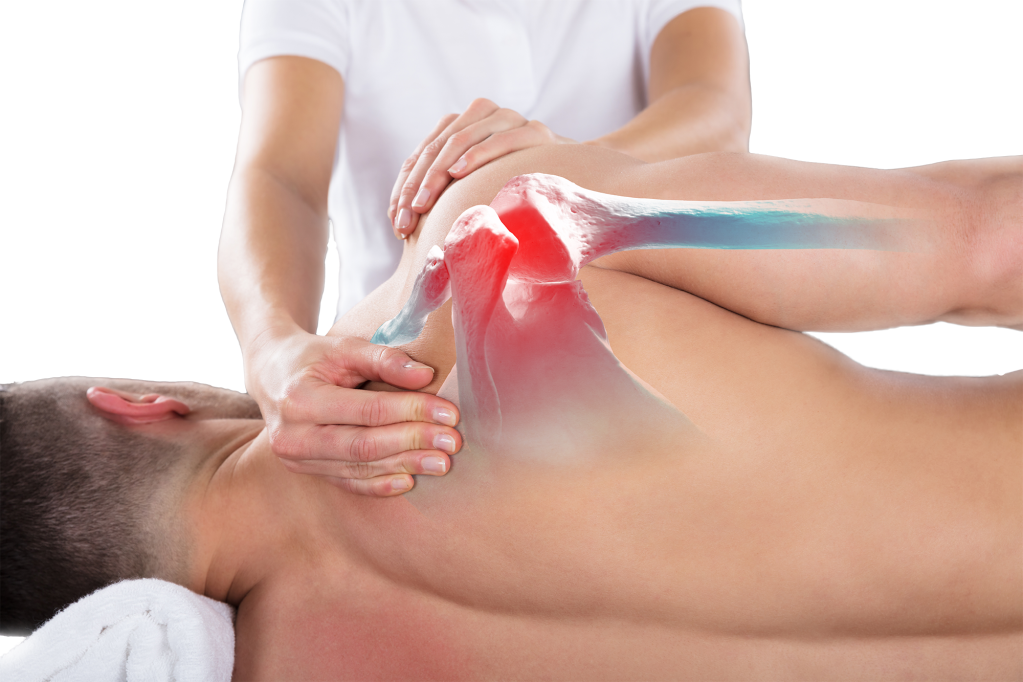
NSAIDs have not demonstrated great efficacy in individuals who present with prolonged symptoms. They have not been shown to improve pain or function compared with placebo.
Oral glucocorticoids
Oral corticosteroids can be prescribed in lieu of NSAIDs, as they provide a stronger anti-inflammatory effect, however they should not be given routinely due to their potential and serious adverse effects. The use of low-dose oral corticosteroids is recommended only in cases of severe refractory frozen shoulder that has either been present for an extended period (ie, longer than 2 months) or is causing significant pain. Although oral corticosteroids provide significant short-term benefits, the effect may not be maintained beyond 6 weeks.
Due to the potential adverse effects of corticosteroids, the patient should be thoroughly questioned regarding past medical history, including diabetes mellitus. Diabetes mellitus is not an absolute contraindication to the use of oral corticosteroids but given the potential hyperglycemic effects of corticosteroids due to its effects on spleen, these agents should be used judiciously and the patient’s blood glucose should be closely monitored.
Oral steroids are typically given in a 3-week tapered course of prednisone, although treatment may range from 2-6 weeks. See Table, below:
Table:
Prednisone Dosing in Patients with Refractory Frozen Shoulder Syndrome:
| Week | Dose | |
| 1 (Days 1-7) | 40 mg/d | |
| 2 (Days 8-14) | 30 mg/d | |
| 3 (Days 15-18) | 20 mg/d | |
| 4 (Days 19-21) | 10 mg/d | |
| 5 (Day 22) | Discontinue | |
| Note: Before oral corticosteroid medication is prescribed, the patient should be extensively questioned about pertinent medical problems that may be contraindications to taking the medicine. | ||
Corticosteroid injections
A local corticosteroid injection can be used in conjunction with oral NSAIDs or oral corticosteroids. Studies have shown 20 mg triamcinolone as an optimal dose. The corticosteroid may be combined with a local anesthetic (eg, lidocaine). Intra-articular or subacromial injections have equal efficacy. Corticosteroid injections provide rapid relief that typically lasts for 6 weeks.
A randomized trial that compared ultrasound (US)-guided injection with blind injection found that by the second week postinjection, improvement in pain intensity, range of motion, and shoulder function score was significantly greater in the ultrasound-guided injection group than in the blind injection group. Beyond the third week, however, there were no further significant differences in the improvement between the 2 groups.
Adverse effects must be considered. In patients with HIV infection whose antiretroviral regimen includes a protease inhibitor (eg, ritonavir), drug-drug interaction with triamcinolonone injections can result in Cushing syndrome. Administer injections with caution in patients who have diabetes.
Extracorporeal Shockwave Therapy
Extracorporeal shockwave therapy (ESWT) shows promise as a therapy for adhesive capsulitis. ESWT compared favorably with oral steroids as a short-term treatment for primary adhesive capsulitis in a prospective, randomized, controlled, single-blind clinical trial by Chen et al in 40 patients. From the fourth week of treatment, the ESWT group showed significant improvement superior to that in the steroid group; at the sixth week, improvement in activities of daily living (ADL) achieved significance and was better than that in the steroid group. 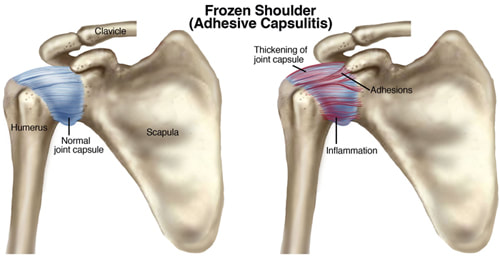
Results of an observational study by Santoboni and colleagues suggest that ESWT may offer a safer alternative to steroid injections or surgery for treatment of adhesive capsulitis in patients with diabetes. In their study, which included 50 consecutive patients with an overall mean pain duration of 15.7 months, significant functional improvements compared with baseline were evident at 2 months, with further amelioration at 4 and 6 months.
All patients received ESWT once a week for 3 weeks, with 2400 shots in an anterior-to-posterior direction on the anterior shoulder joint using a low/moderate-energy flux density (0.06–0.14 mJ/mm2, depending on individual pain tolerance). Further experiments are currently being conducted on this.
Surgical Therapy
A subgroup of patients with frozen shoulder syndrome fail to improve despite allopathic treatment with aggressive nonsurgical therapy and medication. These patients frequently are referred to as having a refractory or recalcitrant frozen shoulder. Specifically, these patients demonstrate minimal improvement in shoulder pain and motion over a 3-month period, despite the use of aggressive nonoperative measures, including allopathic medications and physical therapy. In these refractory cases, more invasive techniques (eg, manipulation under anesthesia, hydrodilatation, surgical release) may be needed. In almost all cases of frozen shoulder syndrome allopathic doctors advise surgery.
Manipulation under anesthesia
Manipulation of frozen shoulders under general anesthesia is intended to rupture the contracted capsule, and in some studies, it has been shown to accelerate healing. This technique has been combined with other modalities, including local corticosteroid injection, hydrodistention, and limited capsular release. Significant complications have been reported, ranging from humeral shaft fractures to rotator cuff tears and transient brachial plexus injuries.
Hydrodilatation
Hydrodilatation (also termed hydrodistention and distention arthrography) involves the ultrasound-guided injection of a large volume of saline—typically along with a corticosteroid, local anesthetic, and contrast medium—into the joint space. The therapeutic effect of hydrodilatation was initially attributed to rupture of the capsule, but capsular distention may in fact be the mechanism.
Studies of hydrodilatation have yielded conflicting results, especially with regard to patients with diabetes mellitus. For example, a systematic review and meta-analysis concluded that hydrodilatation has only a small, clinically insignificant effect on adhesive capsulitis. On the other hand, the largest single study, in 109 shoulders, concluded that hydrodilatation is not too much effective, patients with severe cases and those with diabetes tended to respond very poor in the long term.
Arthroscopic capsular release
Ogilvie-Harris et al and Warner et al have demonstrated the efficacy of arthroscopic capsular release for the refractory frozen shoulder. Based on these reports and work by others, a selective arthroscopic capsular release is recommended for patients with refractory frozen shoulder. 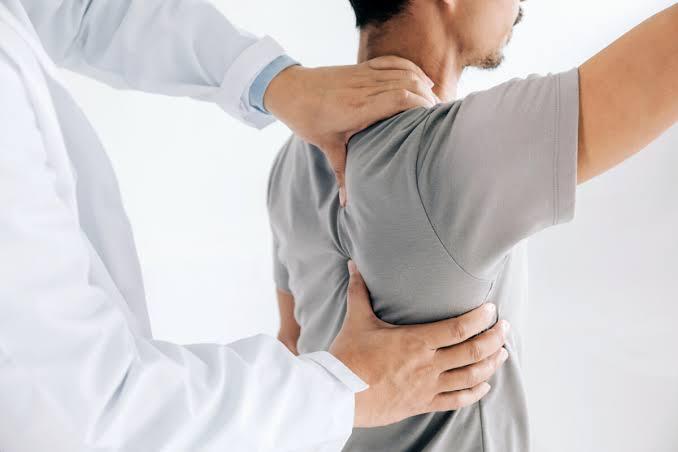
Once the patient is under anesthesia, a detailed preoperative assessment of the affected and unaffected shoulder’s passive range of motion (ROM) is performed. Typically, the affected shoulder exhibits global loss of motion, with the contracture affecting the entire capsule.
Standard arthroscopic shoulder portals are established. Based on the preoperative examination, the glenohumeral joint capsule is released with electrocautery, as seen in the image below. Typically a circumferential capsular release is performed. Ahn et al developed an ultrasound-guided interventional release of the rotator interval using a round needle designed specifically for this procedure. All 13 patients experienced significant improvement. Care is taken to avoid any release of the intra-articular subscapularis tendon. Before the patient is taken from the operating room, the shoulder ROM is documented and compared with the presurgical ROM.
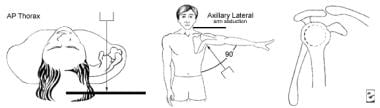 True anteroposterior view of the glenohumeral joint (left); axillary lateral view (middle); supraspinatus outlet view (right)
With 24-48 hours of postoperative pain relief provided by a preoperative interscalene block, ROM exercises should be initiated on the day of surgery. An interscalene catheter can be placed when performing the interscalene block to allow for an extended period of pain relief. A 2-week course of oral corticosteroids also should be initiated on the day of surgery.
A review by Miyazaki et al of surgical treatment in 56 shoulders with FSS concluded that that inferior capsulotomy yields the not bad results. In addition, these authors reported lower reoperation rates in patients who receive interscalene catheter anesthetic infusion for postoperative rehabilitation. Additional experiments on this are still required.
Homeopathic treatment for frozen shoulder or adhesive capsulitis
The clinical course of adhesive capsulitis varies significantly among individuals and is influenced by personal factors and treatment efficacy. Frozen shoulder or adhesive capsulitis is completely curable with Homeopathic medication, some patients regain full range of motion within 30-90 days, while taking allopathic treatment may experience a protracted course lasting up to 3-5 years with no results.
Here are some Homeopathic medicines proven best in my practice:
Natrium Muriaticum
The prolonged taking of excessive salt causes profound nutritive changes to take place in the system for example: anemia, chlorosis, disturbances of the alimentary tract and skin, sever debility, morning sickness, coldness, emaciation (most notable in neck, constrictive sensation throughout the body, sever weakness and weariness, oversensitive to all sorts of influences, hyperthyroidism, goiter, Addison’s disease, diabetes, depression, irritable, awkward, etc. Severe headaches. Eyelids heavy. Muscles weak and stiff. Stricture of lachrymal duct with suppuration.
Tinnitus. Difficult breathing. Numbness, tingling of tongue, lips, and nose. Impotence with retarded emission. Irregular and/or profuse menses. Uterine prolapsus. Shortness of breath. Tachycardia. Sensation of coldness of heart. Heart and chest feel constricted. Fluttering, palpitating; intermittent pulse. Heart’s pulsations shake body.
Lumbago with desire for some firm support. Hyperhidrosis. Joints weak and turn easily. Painful contraction of hamstrings. Cracking in joints on motion.
Aurum Metallicum
Aurum develops organism (the blood, glands, flash and bones), Arterio-sclerosis, high blood pressure, nightly paroxysms of pain. Sclerosis of liver, arterial system, brain. Pining boys; low spirited, lifeless, weak memory. Induration of testicles. Violent erections. Atrophy of testicles. Uterus enlarged and prolapsed. Sterility; vaginismus. Cardiac hypertrophy. Hypertension. Dyspnea. Frequent, deep breathing. Paralytic, tearing pains in joints. Knees weak. 
Rhus Toxicodendron
Rhus affects fibrous tissue markedly-joints, tendons, sheaths-aponeurosis etc. Jaws crack when chewing. Easy dislocation of jaw.
Causticum
Manifests its action mainly in chronic rheumatic, arthritic and paralytic affections, indicated by the tearing, drawing pains in the muscular and fibrous tissues, with deformities about the joints, progressive loss of muscular strength, tendinous contractures. Broken down senile. This weakness progresses until gradually appearing paralysis. Local paralysis, vocal cords, muscles of deglutition, of tongue, eyelids, face, bladder and extremities. Children are slow to walk.
Emaciation due to disease, worry, etc. Burning, rawness, and soreness are characteristic. Paralysis of muscles. Burning in joints. Slow in walk. Unsteady walking and easily falling. Restless legs at night. Cracking and tension in joints; stiffness in hollow of joints. Itching on dorsum of feet.
Acid Picricum
Acts upon the generative organs probably through the lumbar centers of the spinal cord. Degeneration of the spinal cord, with paralysis. Prostration, weakness and pain of back, pins and needle sensation in extremities. Neurasthenia. Muscular debility. Kyphoscoliosis and scoliosis. Myelitis with spasms and prostration. Writer’s palsy. Progressive, pernicious anemia. Uremia with complete anuria.
Lack of will-power; disinclined to work. Cerebral softening. Dementia with prostration, sits still and listless. Burning along spine. Severe spinal weakness. Tired, heavy feeling all over body, especially limbs; worse, exertion. Feet cold. Cannot get warm. Acute descending paralysis.
Sepia Officianalis
Acts specially on the portal system, with venous congestion. Stasis, ptosis of viscera and weariness and misery. Weakness, yellow complexion. Easy fainting. Extremities lame and stiff, tension as if too short. Heaviness and bruised feeling. Restlessness in all limbs, twitching and jerking. Hyperidrosis and bromhidrosis.
Argentum Metallicum
The chief action is centered on the articulations and their component elements, bones, cartilages, and ligament’s. Emaciation, a gradual drying up. Severe backache; must walk bent, with oppression of chest. Legs weak and trembling. Involuntary contractions of fingers, partial paralysis of forearm. Eroded spongy cervix. Leucorrhea foul, excoriating. Palliative in scirrhous.
Argentum Nitricum
This medicine’s neurotic effects are very marked on many brain and spinal symptoms. Incoordination, loss of control and want of balance everywhere, mentally and physically, trembling in affected parts. Kyphoscoliosis and scoliosis. Explosive belching especially in neurotics. Upper abdominal affections brought on by undue mental exertion. Paraplegia Myelitis and disseminated sclerosis of brain and spinal cord. Intolerance of heat. Sensation of a sudden pinch. Anemia.
Spine sensitive with nocturnal pains, paraplegia; posterior spinal sclerosis. Trembling, with general debility. Paralysis, with mental and abdominal symptoms. Rigidity and debility in calves. Walks and stands unsteadily. Numbness of arms. Post-diphtheritic paralysis. Emotional disturbances cause appearance of hemi-cranial attacks – bones of head feel as if separated.
Phosphorus
Produces a picture of destructive metabolism. Irritation, inflammation and degeneration of mucous membranes, serous membranes, inflames spinal cord and nerves, causing paralysis. Destroyed bones, disorganized blood: fatty degeneration of blood vessels and every tissue and organ of the body, hemorrhages, and hematogenous jaundice. Pseudo-hypertrophic paralysis. Ataxia and adynamia. Osteo myelitis. Bone fragility. Ascending sensory and motor paralysis from ends of fingers and toes. 
Stitches in elbow and shoulder joints. Burning of feet. Weakness and trembling, from every exertion. Can scarcely hold anything with hands. Tibia inflamed and became necrosed. Arms and hands become numb. Can lie only on right side. Post-diphtheritic paralysis, with formication of hands and feet. Joints suddenly give way.
Antimuonium Crudum
Cramp-like drawing in the muscles of the neck and of the nape of the neck. Red vesicles on the arms, with itching. Painful inflammation in tendons. Painful sensibility of the skin under the nails, and slow growth of the nails themselves. A horny growth under the nail. Crushed fingernails grow in splits, with horny spots.
Sensation of drawing in limbs. Lumps, with red rings. Violent pain in extremities. Numbness of the legs. Shooting pain in knee, in tibia in knees in lower parts Tumor. Sensibility of the soles of the feet, when walking on the pavement. Inflammation of the muscles. Heaviness of all the limbs. General weakness, morning sickness. Emaciation. Severe obesity. Anasarca. Marasmus.
Lycoodium Clavatum
Ailments – gradually developing, functional power weakening. Failures of the digestive powers. Liver is seriously disturbed. Atony. Malnutrition. Mild temperaments of lymphatic constitution, with catarrhal tendencies; older persons, yellowish spots on skin, earthy complexion, uric acid diathesis, etc. Weak muscular power. Deep-seated, progressive, chronic diseases. Carcinoma. Emaciation. Debility in morning. Pre-senility. Ascites. Thin patients, weak immune system, poor circulation, cold extremities.
Fagopyrum Esculentum
Pain around heart, better lying on back. Throbbing in all arteries. Stiffness and bruised sensation in neck muscles, with sensation as if nape of neck could not support head. Pain in shoulder, with pain along fingers. Vehement itching in arms and legs. Feet numb and pricking. Streaking pains in arms and legs.
Itching of knees and elbows and hairy portions. Itching of hands, deep in. Vesicular, pustular, phlegmonous dermatitis. Skin hot, swollen.
Calcarea Carbonica
Its chief action is centered in the vegetative sphere, impaired nutrition being the keynote of its action, the glands, skin, and bones, being instrumental in the changes wrought. Increased local and general perspiration, swelling of glands, scrofulous and rachitic conditions generally offer numerous opportunities for the exhibition of Calcarea. Incipient phthisis.
Abscesses in deep muscles; polypi and exostoses. Pituitary and thyroid disfunction. Raised blood coagulability. Is a definite stimulant to the periosteum. Easy relapses, interrupted convalescence.
Pain as if sprained; can scarcely rise; from overlifting. Pain between shoulder-blades, impeding breathing. Rheumatism in lumbar region; weakness in lower back. Curvature of dorsal vertebrae. Nape of neck stiff and rigid. Renal colic.
Rheumatoid pains. Sprains. Sour foot-sweat. Weakness of extremities. Swelling of joints, especially knee. Burning of soles of feet. Sweat of hands. Arthritic nodosities. Soles of feet raw. Tearing in muscles.
Thuja Occidentalis
Acts on skin, blood, gastro-intestinal tract, kidneys, and brain. Its relation to the production of pathological vegetations condylomate, warty excrescences, spongy tumors is very important. Moist mucous tubercles. Bleeding fungus growths. Naevus. Excess of vinosity.
Limbs feel as if made of wood or glass and would break easily. Tips of fingers swollen, red, feel read. Muscular twitching, weakness and trembling. Cracking in joints. Pain in heels and tendo-Achilles. Nails brittle. Ingrowing toe nail.
Perspiration sweetish, and strong. Glandular enlargement. Nails crippled; brittle and soft. Eruptions only on covered parts; worse after scratching. Very sensitive to touch. Coldness of one side. Sarcoma; polypi. Brown spots on hands and arms. 
Graphite
Constriction of chest; spasmodic asthma, suffocative attacks wake from sleep; must eat something. Pain in middle of chest, with cough, scraping and soreness. Pain in nape of neck, shoulders and back and limbs. Spinal pains. Pain in small of back with severe weakness. Excoriation between thighs. Arms numb, feel asleep; finger-nails thick, black, and rough, matrix inflamed. Toenails crippled. Stiffness and contraction of toes. Nails brittle and crumbling, deformed, painful, sore, thick, and crippled. Cracks or fissures in ends of fingers. Offensive perspiration of feet.
Alumen
The clinical application of this remedy points to its bowel symptoms, both in obstinate constipation and in hemorrhage from bowels in the course of typhoid-one phase of the paralytic weakness of the muscles in all parts of the body. Tendency to induration, low form of tissue-making. Hardening of tissues; ulcers with indurated base. Bronchial catarrhs. Sensation of dryness and constriction. Mental paresis; dysphagia especially to liquids. Tendency to induration, Scirrhous of the tongue. Hemoptysis, great weakness of chest; difficult to expel mucus. Weakness of all muscles, especially arms and legs. Constricted feeling around limbs.
Alumina
A very general condition corresponding to this drug is dryness of mucous membranes and skin, and tendency to paretic muscular states.
Pain in arm and fingers. Arms feel paralyzed. Legs feel asleep. Staggers on walking. Heels feel numb. Soles tender; on stepping, feel soft and swollen. Pain in shoulder and upper arm. Gnawing beneath fingernails. Brittle nails. Inability to walk, except when eyes are open or in daytime. Spinal degenerations and paralysis of lower limbs.
Old people, with lack of vital heat, or prematurely old, with debility. Pain along cord, with paralytic weakness. Delicate children, products of artificial foods. Lids dry, burn, smart, thickened, chronic conjunctivitis. Ptosis. Strabismus. Paretic bladder muscles.
Silica Tera
Imperfect assimilation and consequent defective nutrition. It goes further and produces neurasthenic states in consequence, and increased susceptibility to nervous stimuli and exaggerated reflexes. Diseases of bones, caries and necrosis. Organic changes: it is deep and slow in action. Periodical states; abscesses, quinsy, headaches, spasms, epilepsy, feeling of coldness before an attack. Keloid growth. Scrofulous, rachitic children.
Platinum Metallicum
Strong tendency to paralysis, anesthesia, localized numbness and coldness are shown. Hysterical spasms: pains increase and decrease gradually. Tremulousness.
Numbness, with headache. Objects look smaller than they are. Prosoplasia, with numb feeling in malar bones. Coldness, creeping, and numbness, in whole one side of face. Pains increase and decrease gradually.
Fermentation, much flatulence; constriction; ravenous hunger; persistent nausea, with anxiety and weakness. Sexual organs hypersensitive. Tingling internally and externally. Ovaries sensitive and burn. Manses too early, too profuse, dark-clotted, with spasms and painful bearing-down, chilliness, and sensitiveness of parts. Vaginismus. Nymphomania. Tightness of thighs, as if too tightly wrapped. Numb and weary sensation. Feel paralyzed.
Stannum Metallicum
Debility is very marked when Stannum is the medicine. Weak feeling in the throat and chest. Pains that come and go gradually. Paralytic weakness; spasms; paralysis. Bearing-down sensation. Prolapses, weak sinking feeling in stomach. Manses early and profuse. Pain in vagina, upward and back to spine. Leucorrhea, with debility. Paralytic weakness; drops things. Ankles swollen. Limbs suddenly give out when attempting to sit down. Dizziness and weakness when descending. Spasmodic twitching of muscles of forearm and hand. Fingers jerk when holding pen. Neuritis.
Agaricus Muscarious
Jerking, twitching, trembling, and itching are strong indications. Incipient phthisis, anemia, chorea, twitching ceases during sleep. Cerebral excitement rather than congestion. General paralysis. Sensation as if pierced by needles of ice. Sensitive to pressure and cold air. Violent bearing-down pains. Pains are accompanied by sensation of cold, numbness and tingling.
Twitching of muscles. Nervous disturbances, with spasmodic contractions, hiccough. Stiff all over. Pain over hips. Weakness in loins. Uncertain gait. Trembling. Itching of toes and feet as if frozen. Cramp in soles of feet. Pain in shinbone. Neuralgia in locomotor ataxia. Paralysis of lower limbs, with spasmodic condition of arms. Numbness of legs on crossing them. Paralytic pain in left arm followed by palpitation. Tearing painful contractions in the calves.
Zincum metallicum
Defective vitality. Impending brain paralysis. Period of depression in disease. Spinal affections. Twitchings. Pain, as if between skin and flesh. Great relief from discharges. Chorea, from fright or suppressed eruption. Convulsions, with pale face and no heat. Marked anaemia with profound prostration. It causes a decrease in the number, and destruction of red blood corpuscles. Repercussed eruptive diseases. In chronic diseases with brain and spinal symptoms, trembling, convulsive twitching and fidgety feet are guiding symptoms. Pterygium.
Tearing in facial bones. Teeth loose. Gums bleed. Pain after a light meal. Involuntary urination when walking, coughing or sneezing. Falling off of hair. Drawing in testicles up to spermatic cord. Irregular menses. Asthmatic bronchitis, with constriction, of chest. Dyspnea.
Pain in small of back. Tension and stinging between shoulders. Spinal irritation. Dull aching about the last dorsal or first lumbar vertebrae. Burning along spine. Nape of neck weary from writing or any exertion. Tearing in shoulder-blades. Lameness, weakness, trembling and twitching of various muscles. Chilblains. Feet in continued motion; cannot keep still. Large varicose veins on legs. Sweaty. Convulsions, with pale face. Transverse pains, especially in upper extremity.
Magnesium Phosphoricum
The great anti-spasmodic remedy. Cramping of muscles with radiating pains. Neuralgic pains relieved by warmth. Especially suited to tired, languid, exhausted subjects. Indisposition for mental exertion. Goiter. Parkinson’s disease. Paralysis agitans. Cramps in calves. Sciatica; feet very tender. Darting pains. Twitching. Chorea. Writers’ and players’ cramp. Tetanic spasms. Weakness in arms and hands, finger-tips stiff and numb. General muscular weakness.
Sulpher
Difficult respiration. Dyspnea. Trembling of hands. Rheumatic pain in left shoulder. Heaviness; paretic feeling. Rheumatic gout, with itching. Burning in soles and hands at night. Sweat in armpits, smelling like garlic. Drawing and tearing in arms and hands. Stiffness of knees and ankles. Cannot walk erect; stoop shouldered. Ganglion.
Conium Maculatum
Conium is an excellent medicine for kyphoscoliosis and scoliosis, difficult gait, trembling, sudden loss of strength while walking, painful stiffness of joints of legs. debility, hypochondriasis, urinary troubles, weakened memory, sexual debility. Dorsal pain between shoulders. Ill effects of bruises and shocks to spine. Coccydynia. Dull aching in lumbar and sacral region.
Extremities heavy, weary, paralyzed; trembling; bands unsteady; fingers and toes numb. Muscular weakness, especially of spine and lower extremities. Perspiration of hands.
Causticum
Manifests its action mainly in chronic rheumatic, arthritic and paralytic affections, indicated by the tearing, drawing pains in the muscular and fibrous tissues, with deformities about the joints, progressive loss of muscular strength, tendinous contractures. Broken down senile.
Kyphoscoliosis and scoliosis. Weakness progresses until patient gradually appears paralysis. Local paralysis, vocal cords, muscles of deglutition, of tongue, eyelids, face, urinary bladder and extremities. Stiffness in spine, between shoulders, dull pain. 
Sciatica, with numbness. Paralysis of single parts. Heaviness and weakness. Tearing joints. Unsteadiness of muscles of spine, lower extremities, forearm and hand. Numbness; and loss of sensation in hands. Contracted tendons. Burning in joints.
Cuprum Metallicum
Jerking, twitching of muscles. Coldness of hands. Cramps in palms. Great weariness of limbs. Cramps in calves and soles. Epilepsy: aura begins in knees. Clenched thumbs. Clonic spasms, beginning in fingers and toes. Kyphoscoliosis and scoliosis.
Angina pectoris. Slow pulse; or hard, full and quick. Palpitation, precordial anxiety and pain. Fatty degeneration. Suffocative attacks, spasmodic asthma.
Curare
Muscular paralysis without impairing sensation and consciousness. Paralysis of respiratory muscles. Reflex action diminished. Kyphoscoliosis and scoliosis. Debility of the aged and from loss of fluids. Catalepsy. Nervous debility. Trismus. Glycosuria with motor paralysis.
Paralysis of respiration on falling asleep. Short breath. Short dry cough, distressing dyspnea. Tired pain up and down spine. Arms weak, heavy. Cannot lift the fingers. Weakness of hands and fingers in pianists. Legs tremble; give way in walking. Debility; paralysis. Catalepsy. Favors development of corns. Reflexes lessened or abolished.
Gelsemium Sempervirens
Centers its action upon the nervous system, treating various degrees of motor paralysis, general prostration, dizziness, drowsiness, dullness, and trembling. Slow pulse, tired feeling, mental apathy. Paralysis of various groups of muscles. Kyphoscoliosis and scoliosis. Post-diphtheritic paralysis. Muscular weakness. Complete relaxation and prostration. Lack of muscular co-ordination. General depression from heat of sun. Sensitive to a falling barometer; cold and dampness brings on many complaints.
Desire to be quiet, to be left alone. Dullness, languor, listless. Delirious on falling to sleep. Dull, heavy pain. Complete relaxation of the whole muscular system. Languor: muscles feel bruised. Every little exertion causes fatigue. Pain in neck, especially upper sterno-cleido muscles. Dull aching in lumbar and sacral region, passing upward. Pain in muscles of back, hips, and lower extremities, mostly deep-seated.
Extremities: Loss of power of muscular control. Cramp in spinal muscles. Professional neuroses. Writer’s cramp. Excessive trembling and weakness of all limbs. Hysteric convulsions. Fatigue after slight exercise. Slowness of breathing, with great prostration. Oppression about chest.
Kalium Carbonicum
Great exhaustion. Stitches in spine and scapula. Back feels weak, stiffness and paralytic. Burning in spine. Severe backache during pregnancy, and after miscarriage. Hip-disease. Pain in nates and thighs and hip joint. Lumbago with sudden sharp pains extending up and down back and to thighs. Kyphoscoliosis and scoliosis.
Backs and legs give out – uneasiness heaviness and tearing in limbs and jerking. Swelling of knee. Tearing in arms, shoulder and spine. Paralysis from dropsical affections. Limbs go to sleep easily. Tips of toes and fingers painful. Soles very sensitive. Itching of great toe, with pain. Pain from hip to knee. Pain in knees.
Guaco
Acts on nervous system and female organs. Bulbar paralysis. Syphilis. Kyphoscoliosis and scoliosis. Spinal irritation. Spinal symptoms most marked and verified. Larynx and trachea constricted, difficult deglutition. Tongue feels heavy, difficult to move.
Urine increased, cloudy, phosphatic. Pain over region of bladder. Pain between scapulae, extending to forearm. Burning in nape of shoulders. Pain along spine; worse, bending. Weariness through hips and lumbar region. Pain in deltoid, shoulders, elbows, arms, and fingers. Pain about hip joint. Legs heavy. Pain in ankle-joints and soles. Paralysis of lower extremities. 
Lathyrus Sativus
Affects the lateral and anterior columns of spinal cord. No pain but reflexes always increased. Paralytic affections of lower extremities; spastic paralysis; lateral sclerosis; Beri-beri. Athetosis. Infantile paralysis. Kyphoscoliosis and scoliosis.
Depressed; hypochondriacal. Vertigo when standing with eyes closed. Tips of fingers numb. Tremulous, tottering gait. Excessive rigidity of legs; spastic gait. Knees knock against each other when walking. Cramps in legs. Rheumatic paralysis. Gluteal muscles and lower limbs emaciated. Legs blue; swollen, if hanging down. Stiffness and lameness of ankles and knees, toe do not leave the floor, heels do not touch floor, Muscles of calves very tense. Patient sits or stands bent forward, straightens with difficulty.
Nux Vomica
Backache in lumbar region. Burning in spine. Cervical-brachial neuralgia. Bruised pain below scapulae. Sitting and standing is painful. Kyphoscoliosis and scoliosis. Arms and hands go to sleep. Paresis of arms, with shocks. Legs numb; feel paralyzed; cramps in calves and soles. Partial paralysis, from overexertion. Cracking in all joints during motion. Drags his feet when walking. Sensation of sudden loss of power of arms and legs in the morning.
Strychninum Purum
Its primary function is to stimulate the motor centers and the reflex action of the spinal cord. Spasms of muscles, cramps from an undue reflex excitability of the cord, spasms of the bladder, etc. Kyphoscoliosis and scoliosis.
Stimulates the central nervous system, mental activities, special senses rendered more acute. Respiration increased. All reflexes are made more active. Stiffness in muscles, spine, face and neck. Opisthotonos – tetanic convulsions. Explosive nervousness. The pains and sensations come suddenly and return at intervals.
Spasm of muscles about larynx. Excessive dyspnea. Sharp, contractive pains in muscles of chest. Rigidity of cervical muscles. Sharp pain in nape and down spine. Back stiff, violent jerks in spinal column. Icy sensation down spine. Limbs stiff. Rheumatism with stiff joints. Violent jerking, twitching, and trembling. Shocks in the muscles.
Oxalicum Acidum
Numb, weak, tingling. Pains start from spine and extend through extremities. Motor paralysis. Backache; numb, weak, Myelitis. Spinal cord miss shaped. Muscular prostration. Lower extremities blue, cold, insensible. Sensation of numbness. Multiple cerebral and posterior spinal sclerosis. Lancinating pains in various parts; jerking pains. Kyphoscoliosis and scoliosis. Heart symptoms alternate with aphonia, angina pectoris; sharp, lancinating pain in lung coming on suddenly, depriving of breath. Precordial pains which dart to shoulder. Aortic insufficiency.
Plumbum Metallicum
The great drug for general sclerotic conditions. Lead paralysis is chiefly of extensors, forearm or upper limb, from center to periphery with partial anesthesia or excessive hyperesthesia, preceded by pain. Localized neuralgic pains, neuritis. Kyphoscoliosis and scoliosis. Hemostasis is interfered with, rapid reduction in number of red corpuscles (hence pallor, icterus, anemia). Constrictive sensation in internal organs. Spinal cord sclerosed. Lightning-like pains; temporarily better by pressure. Paralysis of lower extremities.
Delirium, coma and convulsions. Hypertension and arteriosclerosis. Progressive muscular atrophy. Infantile paralysis. Locomotor ataxia. Excessive and rapid emaciation. Bulbar paralysis. Important in peripheral affections. Multiple sclerosis, posterior spinal sclerosis. Contractions and boring pain. Nephritis with amaurosis and cerebral symptoms. Gout. Paralysis of single muscles. Stinging, tearing, numbness and pain in limbs; pain or tremor. Paralysis. Feet swollen. Hands and feet cold.
Oxytropis Lamberti
Marked action on nervous system. Trembling, sensation of emptiness. Walks backwards. Congestion of spine and paralysis. Kyphoscoliosis and scoliosis. Pains come and go quickly. Staggering gait. Reflexes lost. Desires to be alone. Disinclined to work or talk. Worse, thinking of symptoms – depression.
Urging to urinate when thinking of it. Profuse flow. Pain in kidneys. Impotency. Pain in testicles and along spermatic cord and down thighs. Pain along ulnar nerve. Numb feeling about spine. Staggering gait. Loss of co-ordination. Patellar tendon reflex lost. Pains come and go quickly, but muscles remain sore and stiff. 
Secale Cornutum
Produces contraction of the unstriped muscular fibers. Anemic condition, coldness, numbness, petechiae, mortification, gangrene. Debility, anxiety, emaciation, though appetite and thirst may be excessive. Facial and abdominal muscles twitch. Passive, congestive pain (rises from back of head), with pale face. Head drawn back. Falling of hair; dry and gray. Nosebleed, dark, oozing.
Deformed spinal cord. Spinal irritation, kyphoscoliosis and scoliosis, tingling of lower extremities; can bear only slightest covering. Locomotor ataxia. Formication and numbness. Myelitis. Cold, dry hands and feet, feeling of fuzziness in fingers. Trembling, staggering gait. Formication, pain and spasmodic movements. Numbness. Fingers and feet bluish, shriveled, spread apart or bent backwards, numb. Violent cramps. Icy coldness of extremities. Violent pain in fingertips, tingling in toes.
Silieea Tera
Imperfect assimilation and consequent defective nutrition. It goes further and produces neurasthenic states in consequence, and increased susceptibility to nervous stimuli and exaggerated reflexes. Diseases of bones, caries and necrosis. Weak spine; very susceptible to draughts on back. Kyphoscoliosis and scoliosis. Pain in coccyx. Spinal irritation after injuries to spine; diseases of bones of spine. Potts’ disease.
Stannum Metallicum
Chief action is centered upon the nervous system and respiratory organs. Debility. Tuberculosis basis. Kyphoscoliosis and scoliosis. Pains that come and go gradually, call unmistakably for Stannum. Paralytic weakness; spasms; paralysis. Paralytic weakness; drops things. Ankles swollen. Limbs suddenly give out when attempting to sit down. Dizziness and weakness when descending. Spasmodic twitching of muscles of forearm and hand. Fingers jerk. Parkinson’s diseases. Neuritis. Typewriters’ paralysis.
Veratrum Viride
Tiegel’s contracture, Thompson’s Disease, athetosis and pseudo-hypertrophic muscular paralysis present a symptomatology. Kyphoscoliosis and scoliosis. Difficult breathing. Aching pain in back of neck and shoulders. Severe pain in joints and muscles. Violent electric-like shocks in limbs. Convulsive twitching. Acute rheumatism.
Calcare Flouricum
A powerful tissue remedy for hard, stony glands, varicose and enlarged veins, and malnutrition of bones. Hard knots in breast. Goiter. Congenital hereditary syphilis. Induration threatening suppuration. Kyphoscoliosis and scoliosis. Arterio-sclerosis; threatened apoplexy. Tuberculosis. Chronic lumbago; aggravated on beginning to move and ameliorated on continued motion. Osseous tumors. Rachitic enlargement of femur in infants. Pain lower part of back, with burning. 
Ganglia or encysted tumors at the back of the wrist. Gouty enlargements of the joints of the fingers. Exostoses on fingers. Chronic synovitis of knee joint.
Cimicifuja Racemosa
Has a wide action upon the cerebrospinal and muscular system, as well as upon the uterus and ovaries. Especially useful in rheumatic, nervous subjects with ovarian irritation, uterine cramps and heavy limbs. Its muscular and crampy pains, primarily of neurotic origin, occurring in nearly every part of the body, are characteristic. Agitation and pain indicate it. Pains like electric shocks here and there. Migraine. Symptoms referable to the pelvic organs prominent. “It lessens the frequency and force of the pulse soothes pain and allays irritability”.
Irregular, slow, trembling pulse. Tremulous action. Angina pectoris. Numbness of left arm; feels as if bound to side. Heart’s action ceases suddenly, impending suffocation. Left-sided infra-mammary pain. Spine very sensitive. Stiffness and contraction in neck and back. Intercostal rheumatism. Rheumatic pains in muscles of back and neck. Pain in lumbar and sacral region, down thighs, and through hips. Crick in back. Kyphoscoliosis and scoliosis.
Uneasy, restless feeling in limbs. Aching in limbs and muscular soreness. Rheumatism affecting the belly of muscles, especially large muscles. Chorea like movements, accompanied by rheumatism. Jerking of limbs. Stiffness in tendo-Achilles. Heaviness in lower extremities. Heavy, aching, tensive pain.
Hecla lava
Marked action upon the jaws. Nodosities, caries of bone, kyphoscoliosis and scoliosis, osteitis, periostitis, osteosarcoma; rachitis etc. Tumors in general. Bone necrosis. Necrosis and sinus after mastoid surgery. Enlargement of maxillary bone. Cervical glands enlarged and indurated.
Arnica Montana
Angina pectoris; pain especially severe in elbow of left arm. Stitches in heart. Pulse feeble and irregular. Cardiac dropsy with distressing dyspnea. Extremities distended, feel bruised and sore. Fatty heart and hypertrophy. Gout. Great fear of being touched or approached. Pain in back and limbs. Sprained and dislocated feeling. Soreness after overexertion. Kyphoscoliosis and scoliosis. Deathly coldness of forearm. Cannot walk erect, on account of bruised pain in pelvic region. Rheumatism begins low down and works up.
Ledum Paluster
Gouty pains shoot all through the foot and limb, and in joints, but especially small joints. Swollen, hot, pale. Throbbing in right shoulder. Pressure in shoulder, worse motion. Cracking in joints; worse, warmth of bed. Gouty nodes. Kyphoscoliosis and scoliosis. Rheumatism begins in lower limbs and ascends. Ankles swollen. Soles painful, can hardly step on them. Easy spraining of ankle.
Opium
Opisthotonos – Kyphoscoliosis and scoliosis. Swollen veins of neck. Painless paralysis. Twitching of limbs. Numbness. Jerks as if flexors were overacting. Convulsions; worse from glare of light; coldness of limbs.
Tarentula Hispanica
Weakness of legs; chorea like movements. Numbness of legs. Multiple sclerosis, with trembling. Twitching and jerking. Yawning with uneasiness of legs, must move them constantly. Extraordinary contractions and movements. Kyphoscoliosis and scoliosis.
Phosphorus
Burning in back; pain as if broken. Heat between the shoulder-blades. Weak spine.
Extremities: Ascending sensory and motor paralysis from ends of fingers and toes. Stitches in elbow and shoulder joints. Burning of feet. Weakness and trembling, from every exertion. Can scarcely hold anything with his hands. Tibia inflamed and became necrosed. Arms and hands become numb. Can lie only on right side. Post-diphtheritic paralysis, with formication of hands and feet. Joints suddenly give way.
Ruta Gravenolense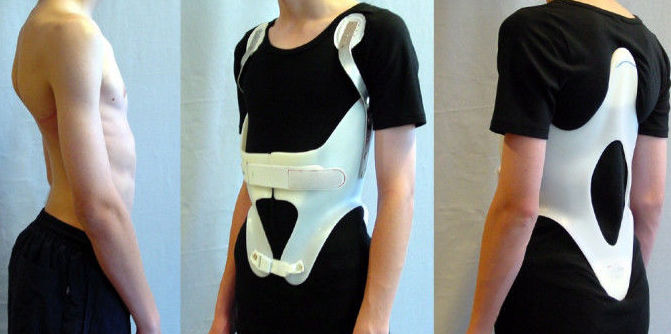
Acts upon the periosteum and cartilages, eyes and uterus. Complaints from straining flexor tendons especially. Tendency to the formation of deposits in the periosteum, tendons, and about joints, especially wrist. Overstrain of ocular muscles. Lameness after sprains. Jaundice. Feeling of intense lassitude, weakness and despair. Injured “bruised” bones.
Pain in nape, back and loins. Backache better pressure. Lumbago worse morning before rising. Spine and limbs feel bruised. Small of back and loins pain. Kyphoscoliosis and scoliosis. Legs give out on rising from a chair, hips and thighs so weak. Contraction of fingers. Pain and stiffness in wrists and hands. Ganglia. Sciatica; worse, lying down at night; pain from back down hips and thighs. Hamstrings feel shortened. Tendons sore, aching pain in tendo-Achilles. Thighs pain when stretching the limbs. Pain in bones of feet and ankles. Great restlessness.
P. S: This article is only for doctors and students having good knowledge about Homeopathy and allopathy.

For proper consultation and treatment, please visit our clinic.
 Dr. Sayyad Qaisar Ahmed (MD {Ukraine}, DHMS), Abdominal Surgeries, Oncological surgeries, Gastroenterologist, Specialist Homeopathic Medicines.
Senior research officer at Dnepropetrovsk state medical academy Ukraine.
Location: Al-Haytham clinic, Umer Farooq Chowk Risalpur Sadder (0923631023, 03119884588), K.P.K, Pakistan.
Find more about Dr Sayed Qaisar Ahmed at:
https://www.youtube.com/Dr Qaisar Ahmed