
Hantavirus pulmonary syndrome (HPS) is a rare but deadly viral infection.
Hantaviruses are a family of viruses which can cause serious illnesses and death. These viruses cause diseases like hantavirus pulmonary syndrome (HPS) and hemorrhagic fever with renal syndrome (HFRS). It is spread by mice and rats. They shed the virus in their urine, droppings, and saliva. Tiny droplets with the virus can enter the air.
The Andes virus is the only type of hantavirus that is known to spread person-to-person. This spread is usually limited to people who have close contact with the ill person. People can get the disease if they breathe infected air or come into contact with rodents or their urine or droppings. You cannot catch it from people. It can also spread through a bite or scratch by a rodent, but this is rare.
Early symptoms of HPS include:
- Fatigue,
- Fever,
- Fibromyalgia (muscle aches, especially in the thighs, hips and back,
- Headaches,
- Chills,
- Dizziness,
- Nausea, vomiting, diarrhea or abdominal pain,
- Severe shortness of breath.
In allopathic medicine, there is no specific treatment, cure, or vaccine for Hantavirus pulmonary syndrome (HPS). Patients may do better if it is recognized early and they get medical care in an intensive care unit. Allopathic doctors often need to use a breathing machine and have oxygen therapy. On the other side in Homeopathy, there are many medicines well proven for the treatment and prevention of Hantavirus infection (see below). 
What Hantavirus can cause?
Hantaviruses cause two syndromes. Hantaviruses found in the western hemisphere, including United States, can cause hantavirus pulmonary syndrome (HPS); the most common hantavirus that causes HPS in western hemisphere is spread by the deer mouse.
Hemorrhagic fever with renal syndrome (HFRS) is a group of clinically similar illnesses caused by hantaviruses found mostly in Europe and Asia. However, Seoul virus, a type of hantavirus that causes hemorrhagic fever with renal syndrome (HFRS), is found worldwide, including in the western hemisphere.
Signs and symptoms
Hantavirus pulmonary syndrome (HPS)
HPS is a severe and potentially deadly disease that affects the lungs. Symptoms of HPS usually start to show 1 to 8 weeks after contact with an infected rodent.
Early symptoms can include:
About half of all HPS patients also experience:
- Headaches,
- Dizziness,
- Chills,
- Abdominal problems, like nausea, vomiting, diarrhea, and abdominal pain.
Four to 10 days after the initial phase of illness, the late symptoms of HPS appear. These symptoms include coughing and shortness of breath. Patients might experience tightness in the chest, as the lungs fill with fluid.
Thirty-eight percent of people who develop respiratory symptoms may die from the disease if not treated with Homeopathy.
Hemorrhagic fever with renal syndrome (HFRS)
HFRS is a severe and sometimes deadly disease that affects the kidneys. Symptoms of HFRS usually develop within 1 to 2 weeks after exposure. In rare cases, they may take up to 8 weeks to develop. Initial symptoms begin suddenly and include: 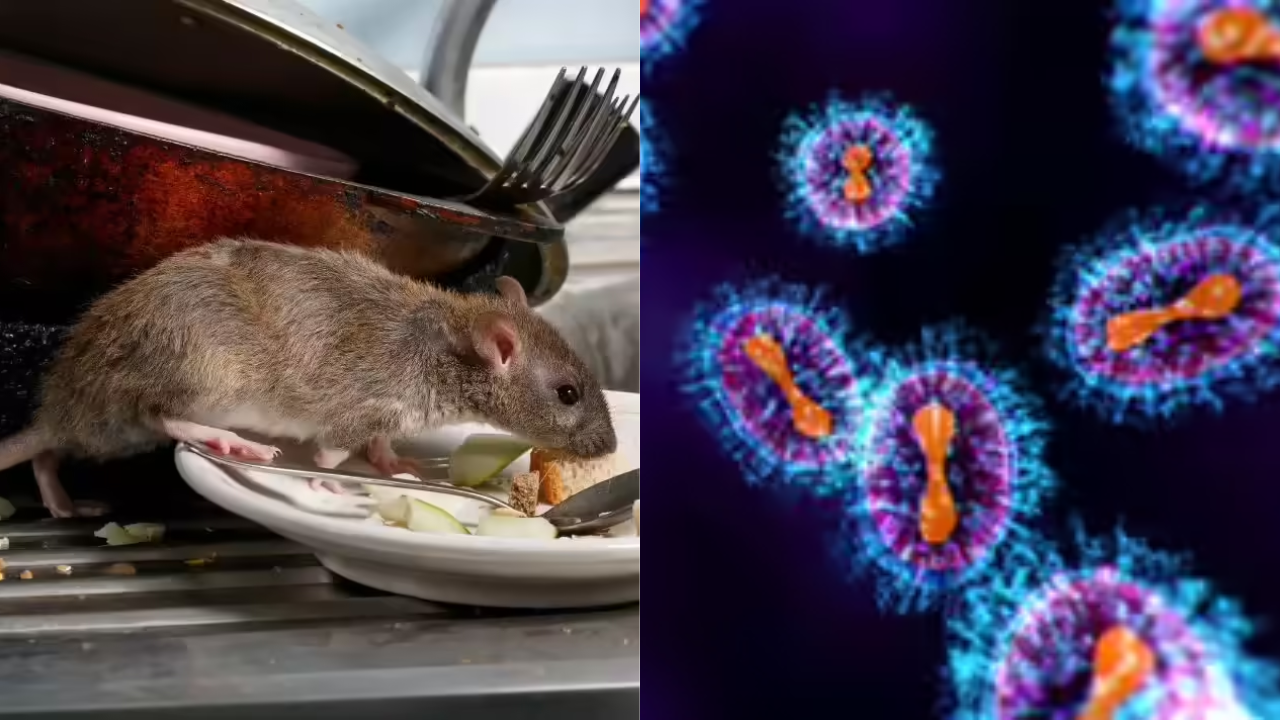
- Intense headaches
- Back and abdominal pain
- Fever/chills
- Nausea
- Blurred vision
People may have flushing of the face, inflammation or redness of the eyes, or a rash. Later symptoms can include:
- Low blood pressure
- Lack of blood flow (acute shock)
- Internal bleeding (vascular leakage)
- Acute kidney failure, which can cause severe fluid overload
The severity of the disease varies depending on the virus causing the infection. Hantaan and Dobrava virus infections usually cause severe symptoms where 5-15% of cases are fatal. In contrast, Seoul, Saaremaa, and Puumala virus infections are usually more moderate with less than 1% dying from the disease. Complete recovery can take several weeks to months.
Reducing risk
Eliminate or minimize contact with rodents in your home, workplace, or campsite to reduce your risk of exposure to hantaviruses. Seal holes and gaps in your home or garage to keep rodents from entering these spaces. Place traps in and around your home to decrease rodent infestation. Clean up any easy-to-get food that might attract rodents.
Diagnosis
Diagnosing hantavirus in a person who has been infected less than 72 hours is difficult. If the initial test is done before the virus can be found, repeat testing is often done 72 hours after symptom start. Early symptoms such as fever, headache muscle aches, nausea, and fatigue are easily confused with influenza.
Assessing patients for hantavirus can be difficult early in the infection because symptoms are non-specific and resemble many other viral infections like influenza, legionnaire’s, leptospirosis, mycoplasma, and Q fever. Because hantavirus resembles these infections, a blood test is often the only way to officially diagnose it.
Tests required are:
Testing
Enzyme-linked immunosorbent assay (ELISA) to detect IgM antibodies and diagnose acute infections with hantaviruses. This diagnostic method is used to diagnose both HPS and HFRS. (IgM positive, IgG positive with rising titers, Immunohistochemistry positive or PCR positive).
While there are some differences in the progression of the illness, the same diagnostic methods are used to diagnose both HPS and hemorrhagic fever with renal syndrome (HFRS). 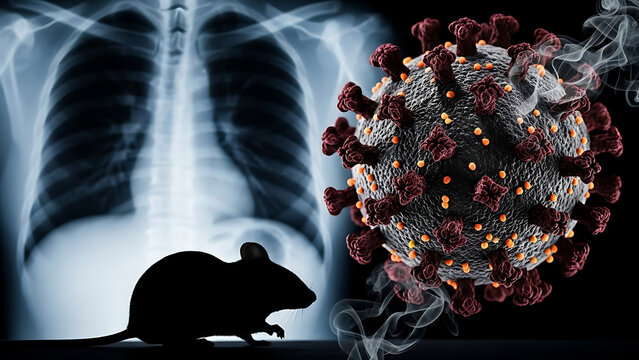
Allopathic treatment
There is no specific allopathic treatment for hantavirus infection. Patients should receive supportive care, including rest, hydration, and treatment of symptoms.
HPS can cause breathing difficulties, and patients may need breathing support, such as intubation. Intubation is a medical procedure where a tube is placed in the lungs from the mouth to help the patient get oxygen.
HFRS can disrupt kidney function. Patients with HFRS may need dialysis to remove toxins from the blood and maintain the right balance of fluids in the body when the kidneys aren’t working well.
Homeopathic Treatment for Hantavirus
My (Dr. Qaisar Ahmed) common treatment for above three mentioned diseases is:
Agaricus Muscarius
Violent attacks of coughing that can be suppressed by effort of will, worse eating, pain in head while cough lasts. Spasmodic cough at night after falling asleep, with expectoration of little balls of mucus. Labored, oppressed breathing. Cough ends in a sneeze.
Pain, with sensitiveness of spine to touch, worse in dorsal region. Pneumonia SARS or coronavirus. Lumbago; worse in open air. Crick in back. Twitching of cervical muscles. Very sensitive to cool air. Violent attacks of heat in evening. Copious sweat. Burning spots.
Ipecacuanha
Dyspnea, constant constriction in chest. Asthma. Yearly attacks of difficult shortness of breathing. Continued sneezing; coryza; wheezing cough. Pneumonia SARS or coronavirus – Cough incessant and violent, with every breath. Chest seems full of phlegm but does not yield to coughing. Bubbling rales. Suffocative cough: child becomes stiff, and blue in the face. Whooping-cough, with nosebleed, and from mouth. Bleeding from lungs, with nausea; feeling of constriction; rattling cough. Croup. Hemoptysis from slightest exertion. Hoarseness, especially at end of a cold. Complete aphonia.
Ambra Grisea
Pneumonia SARS or coronavirus – Asthmatic breathing with eructation of gas. Nervous, spasmodic cough, with hoarseness and eructation, on waking in morning; worse in presence of people. Tickling in throat, larynx and trachea, chest oppressed, gets out of breath when coughing. Hollow, spasmodic, barking cough, coming from deep in chest. Choking when hawking up phlegm. Palpitation, with pressure in chest as from a lump lodged there, Palpitation in open air with pale face.
Ammonium Carbonicum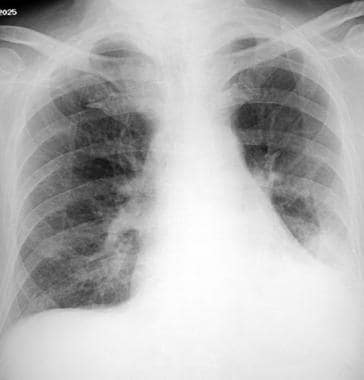
Hoarseness. Cough every morning. Emphysema. Burning in chest. Asthenic Pneumonia. Rattling pulmonal sounds. Slimy sputum and specks of blood. Pulmonary edema. Pneumonia SARS or coronavirus.
All symptoms worse in warm, especially in morning (warm room/bed).
Pulsatilla Pratensis
Capricious hoarseness; comes and goes. Dry cough in evening and at night; must sit up in bed to get relief; and loose cough in the morning, with copious mucous expectoration. Pressure upon the chest and soreness. Great soreness of epigastrium. Urine emitted with cough. Pain as from ulcer in middle of chest. Expectoration bland, thick, bitter, greenish. Short breath, anxiety, and palpitation when lying on left side. Smothering sensation on lying down.
Cina Maritima
Gagging cough in the morning. Whooping-cough. Pneumonia SARS or coronavirus. Violent recurring paroxysms, as of down in throat. Cough ends in a spasm. Cough so violent as to bring tears and sternal pains; feels as if something had been torn off. Periodic; returning spring and fall. Swallows after coughing. Gurgling from throat to stomach after coughing. Child is afraid to speak or move for fear of bringing on paroxysm of coughing. After coughing, moaning, anxious, gasps for air and turns pale.
Light chill. Much fever, associated with clean tongue. Much hunger; colicky pains; chilliness, with thirst. Cold sweat on forehead, nose, and hands.
Causticum
Hoarseness with pain in chest; aphonia. Larynx sore. Cough, with raw soreness of chest. Expectoration scanty; must be swallowed. Cough with pain in hip, especially left worse in evening; better, drinking cold water; worse, warmth of bed. Sore streak down trachea. Mucus under sternum, which he cannot quite reach. Pain in chest, with palpitation. Cannot lie down at night. Voice re-echoes. Own voice roars in ears and distresses. Difficulty of voice of singers and public speakers. Pneumonia SARS or coronavirus.
Antimonium Tartaricum
Rattling of mucus with little expectoration with drowsiness, debility and sweat, trembling of whole body, great prostration and faintness. Hoarseness. Rattling of mucus, but hard to expectorate. Burning sensation in chest. Cough excited by eating, with pain in chest and larynx. Edema and impending paralysis of lungs.
Coldness, trembling, and chilliness. Intense heat. Copious perspiration. Cold, clammy sweat, with great faintness. Intermittent fever with lethargic condition.
All symptoms worse, in evening; from lying down at night; from warmth; in damp cold weather; from all sour things and milk. Better, from sitting erect; from eructation and expectoration.
Chamomilla
Hoarseness, hawking, rawness of larynx. Irritable, dry, tickling cough; suffocative tightness of chest, with bitter expectoration in daytime. Rattling of mucus in child’s chest.
Kali Sulph
Rattling of mucus in chest. Post-grippe cough, especially in children. Bronchial asthma, with yellow expectoration. Cough; worse in evening and in hot atmosphere. Croupy hoarseness.
Belladonna 
Drying in nose, fauces, larynx, and trachea. Tickling, short, dry cough; worse at night. Larynx sore. Tonsillitis. Respiration oppressed, quick, unequal. Cheyne-Stokes respiration. Hoarse; loss of voice. Painless hoarseness. Pneumonia SARS or coronavirus – cough with pain in left hip. Barking cough, whooping cough, with pain in stomach before attack, with expectoration of blood. Stitches in chest when coughing. Larynx very painful; feels as if a foreign body were in it, with cough. High, piping voice. Moaning at every breath.
Pulsatilla Nigricans
Capricious hoarseness. Dry cough in evening and at night; must sit up in bed to get relief; and loose cough in the morning, with copious mucous expectoration. Expectoration bland, thick, bitter, greenish. Short breath, anxiety, and palpitation when lying on left side.
Heper Sulph
Cough troublesome when walking. Dry, hoarse cough. Cough excited whenever any part of the body gets cold or uncovered, or from eating anything cold. Croup with loose, rattling cough; worse in morning. Choking cough. Rattling, croaking cough; suffocative attacks; has to rise up and bend head backwards. Anxious, wheezing, moist breathing, asthma worse in dry cold air.
Phosphorus
Cough from tickling in throat; worse, cold air, reading, laughing, talking, from going from warm room into cold air. Sweetish taste while coughing. Hard, dry, tight, racking cough. Congestion of lungs. Burning pains, frothy or blood-stained sputum. The phlegm may be salty or sweet to taste. Strong odors may trigger a cough. Pneumonia, with oppression.
Arsenic Album
Asthma worse midnight. Burning in chest. Suffocative catarrh. Cough worse after midnight; worse lying on back. Expectoration scanty, frothy. Darting pain through upper third of right lung. Wheezing respiration. Hemoptysis with pain between shoulders; burning heat all over. Cough dry.
Throat: Swollen, edematous, constricted, burning, unable to swallow. Diphtheritic membrane looks dry and wrinkled.
Bryonia Alba
Soreness in larynx and trachea. Hoarseness; worse in open air. Dry, hacking cough from irritation in upper trachea. Cough, dry, at night; must sit up; worse after eating or drinking, with vomiting, with stitches in chest, and expectoration of rust-colored sputa. Frequent desire to take a long breath; must expand lungs. Difficult, quick respiration; worse every movement; caused by stitches in chest. Cough, with feeling as if chest would fly to pieces; presses his head on sternum; must support chest.
Pneumonia SARS or coronavirus – croupous and pleuro-pneumonia. Expectoration brick shade, tough, and falls like lumps of jelly. Tough mucus in trachea, loosened only with much hawking. Coming into warm room excites cough. Heaviness beneath the sternum extending towards the right shoulder. Cough worse by going into warm room.
Throat: Dryness, sticking on swallowing, scraped and constricted. Tough mucus in larynx and trachea, loosened only after much hawking, worse coming into warm room.
Sambucus Nigra
Chest oppressed with pressure in stomach, and nausea Hoarseness with tenacious mucus in larynx. Paroxysmal, suffocative cough, coming on about midnight, with crying and dyspnea. Spasmodic croup. Dry coryza. Sniffles of infants; nose dry and obstructed. Loose choking cough. When nursing child must let go of nipple, nose blocked up, cannot breathe. Child awakes suddenly, nearly suffocating, sits up, turns blue. Cannot expire. Millar’s asthma. Pneumonia SARS or coronavirus.
Dry heat while sleeping. Dreads uncovering. Profuse sweat over entire body during waking hours. Dry, deep cough precedes the fever paroxysm.
Conium Maculatum 
Pneumonia SARS or coronavirus – dry hacking cough, almost continuous; worse, evening and at night, when lying down, talking or laughing, and during pregnancy. Expectoration only after long coughing.
The patient has a cough at night on lying down. They are restless at night and tend to sit up many times due to coughing spells. A tickling sensation in the throat pit may be prominently present. A few individuals may complain of an unusually dry spot in the larynx. In some cases, a headache on coughing may arise.
Hippozaeninum
Hoarseness. Pneumonia (any type), Pneumonia SARS or coronavirus. Noisy breathing; short, irregular. Cough, with dyspepsia. Excessive secretion. Suffocation imminent. Bronchitis in the aged, where suffocation from excessive secretion is imminent. Tuberculosis.
Mephitis Putorius
Sudden contraction of glottis, when drinking or talking. Food goes down wrong way. False croup; cannot exhale. Spasmodic and whooping-cough. Few paroxysms in daytime, but many at night; with vomiting after eating. Asthma, as if inhaling Sulphur; cough from talking; hollow, deep, with rawness, hoarseness, and pains through chest. Violent spasmodic cough; worse at night.
Senega
Hoarseness. Hurts to talk. Bursting pain in back on coughing. Catarrh of larynx. Loss of voice. Hacking cough. Thorax feels too narrow. Pneumonia SARS or coronavirus – cough often ends in a sneeze. Rattling in chest. Chest oppressed on ascending. Bronchial catarrh, with sore chest walls; much mucus; sensation of oppression and weight of chest. Difficult raising of tough, profuse mucus, in the aged. Asthenic bronchitis of old people with chronic interstitial nephritis or chronic emphysema. Old asthmatics with congestive attacks. Exudations in Pleura. Hydrothorax. Pressure on chest as though lungs were forced back to spine. Voice unsteadies, vocal cords partially paralyzed.
Throat: Catarrhal inflammation of throat and faucets, with scraping hoarseness. Burning and rawness. Sensation as if membrane had been abraded.
Mercurius Sulphuricus
Throat. Heat and sensation of constriction in throat. Dryness of tongue and throat. Burning in mouth and throat. Respiratory Organs. Roughness in throat and hoarseness. Sensation of heat in larynx. Increased expectoration of mucus from larynx” and trachea. Dyspnea; in children; hydrothorax.
Cina
Cina is best proven for Pneumonia SARS or coronavirus. Gagging cough in the morning. Whooping-cough. Violent recurring paroxysms, as of down in throat. Cough ends in a spasm. Cough so violent as to bring tears and sternal pains; feels as if something had been torn off. Periodic; returning spring and fall. Swallows after coughing. Gurgling from throat to stomach after coughing. Child is afraid to speak or move for fear of bringing on paroxysm of coughing. After coughing, moaning, anxious, gasps for air and turns pale.
Coccus Cacti
Constant hawking from enlarged uvula; coryza, with inflamed faucets; accumulation of thick viscid mucus, which is expectorated with great difficulty. Tickling in larynx. Sensation of a crumb behind larynx, must swallow continually; brushing teeth causes cough. Faucets very sensitive. Suffocative cough: worse, first waking, with tough, white mucus, which strangles.
Pneumonia SARS or coronavirus – spasmodic morning cough. Whooping cough attacks end with vomiting of this tough mucus. Chronic bronchitis complicated with gravel; large quantities of aluminous, tenacious mucus, are expectorated. Walking against wind takes breath away.
Nux Vomica 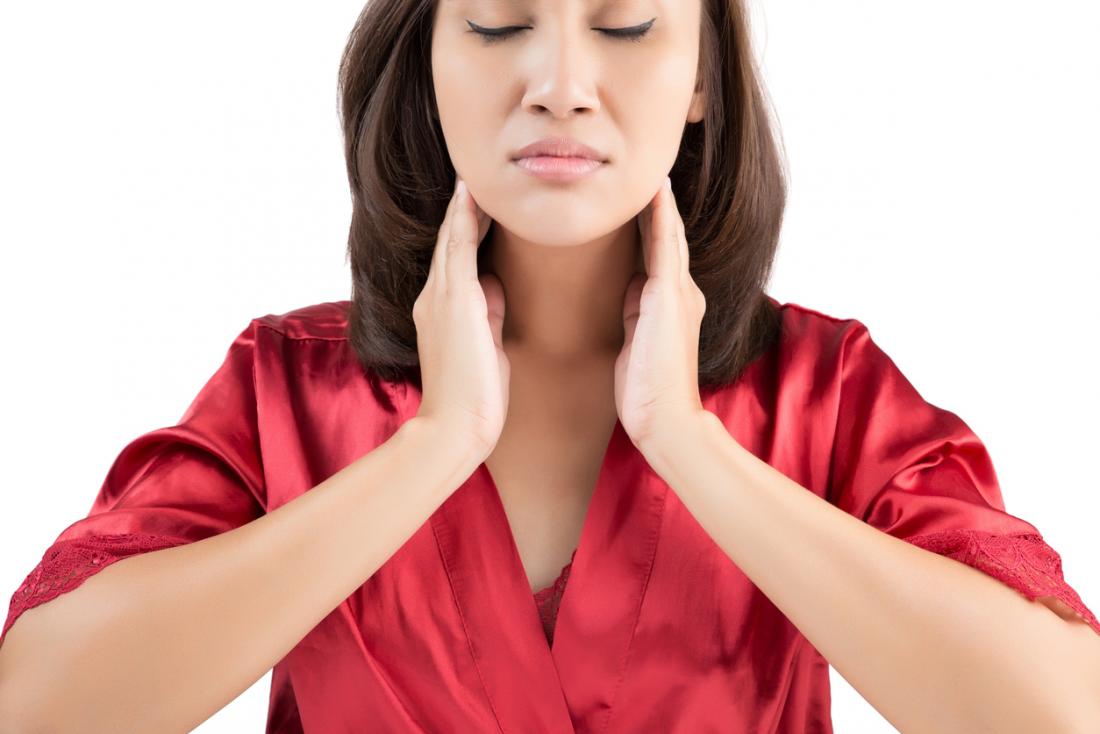
Catarrhal hoarseness, with scraping in throat. Spasmodic constriction. Asthma, with fullness in stomach, morning or after eating. Cough, with sensation as if something were torn loose in chest. Shallow respiration. Oppressed breathing. Tight, dry hacking cough; at times with bloody expectoration. Cough brings on bursting headache and bruised pain in epigastric region. Pneumonia SARS or coronavirus.
Throat: Rough, scraped feeling. Tickling after waking in morning. Sensation of roughness, tightness, and tension. Pharynx constricted. Uvula swollen. Stitches into ear.
Spongia Tosta
A remedy especially marked in the symptoms of the respiratory organs, cough, croup, thyroid gland swollen. stitches and dryness in throat, burning stinging and sore throat etc. Tickling causes cough. Clears throat constantly. Laryngeal phthisis. Goiter.
Great dryness of all air-passages. Hoarseness: larynx dry, burns, constricted. Cough, dry, barking, croupy; larynx sensitive to touch. Croup; worse, during inspiration and before midnight. Respiration short, panting, difficult; feeling of a plug-in larynx. Cough abates after eating or drinking, especially warm drinks. Wheezing asthmatic cough, worse cold air and lying, head low and in warm, with profuse expectoration and suffocation. Oppression and heat of chest.
Swelling and induration of glands; also, exophthalmic; cervical glands swollen with tensive pain on turning head, painful on pressure; Goiter. Itching; measles.
Viola Odorata
Pneumonia. Viral pneumonia. Dry short spasmodic cough and dyspnea; worse in daytime. Oppression of chest. Pertussis, with hoarseness. Dyspnea during pregnancy. Difficult breathing, anxiety and palpitation, with hysteria.
Corallium Rubrum
whooping and spasmodic coughs, especially when the attack comes on with a very rapid cough, and the attacks follow so closely as to almost run into each other. Often preceded by sensation of smothering, followed by exhaustion. Profuse, nasal catarrh. Cough that results from PND (postnasal dripping). Hawking of profuse mucus. Throat very sensitive, especially to air.
Pneumonia SARS or coronavirus – the cough appears in quick, short attacks that follow each other in quick succession, hysterical cough. Dry, spasmodic, suffocative cough; very rapid cough, short, barking, whooping-cough. Extreme exhaustion is felt along with the cough. A vital symptom that attends the above symptoms are extremely sensitive air passages to air (inhaled air feels cold).
Millefolium
Millefolium is and antiviral medicine. Cough with bloody sputum or in any lung disease with accompanying cough. Shortness of breath, difficulty in breathing, oppression of chest. Hemoptysis after injury or following violent exertion.
Natrum Muriaticum
Cough from a tickling in the pit of stomach, accompanied by stitches in liver and spurting of urine. Stitches all over chest. Cough, with bursting pain in head. Shortness of breath. Whooping-cough with flow of tears with cough and with salty sputum.
Gaultheria Procumbens
Reduces pain and inflammation. slow and laborious breathing, insensibility and hot skin. Pleurodynia. Severe pain in the chest. Nasal discharge. Laryngeal edema.
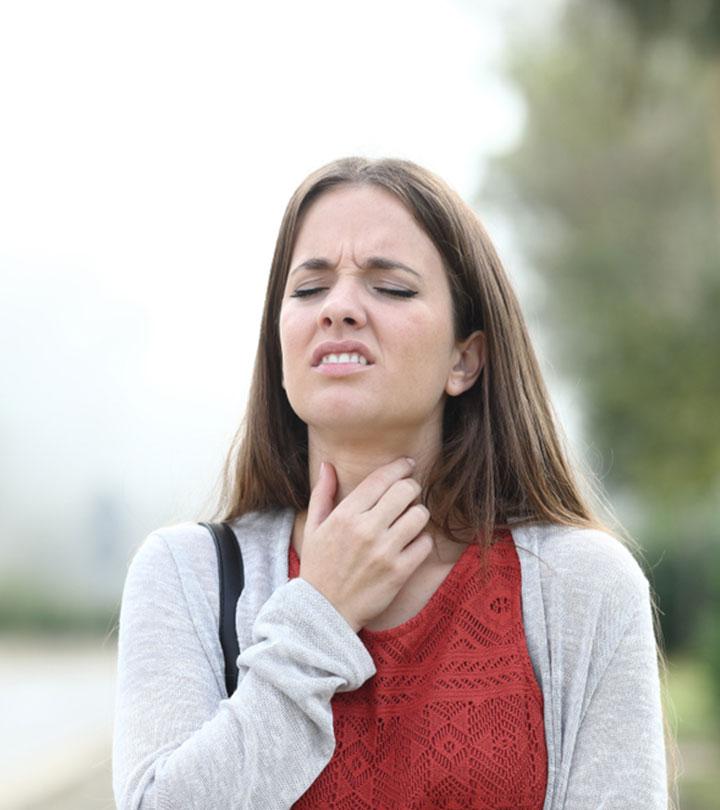
Kali Bichrom
Voice hoarse. Metallic hacking cough. Profuse yellow expectoration, very glutinous and sticky, coming out in long, stringy, and very tenacious mass. Tickling in larynx. Brassy sound cough. True membranous croup, extending to larynx and nares. Cough, with pain in sternum, extending to shoulders. Pain at bifurcation of trachea on coughing; from mid-sternum to back.
Drosera Rotundfolia
Markedly for the respiratory organs. Principal remedy for whooping-cough. Drosera can break down resistance to tubercle. Pneumonia SARS or coronavirus. Phthisis pulmonary; vomiting of food from coughing with gastric irritation and profuse expectoration. Spasmodic, dry irritative cough, whooping cough. yellow expectoration, with bleeding from nose and mouth, laryngitis. Rough, scraping sensation deep in the faucet and soft palate.
Gastrointestinal tract/GIT
According to individual symptoms, should be in lower potencies.
Fatigue, boost immune system with:
Moringa Oriflora-30/Q. Ashwagandha. Kali Phose. Acidum Phose, Conium maculat etc.
Advise medicines for just ten days and on 8th/9th day revise laboratory tests…where doctor will find nothing accept Good News.
Homeopathic treatment for hemorrhagic kidney disease
Homeopathy is a holistic form of treatment that claims to improve kidney functioning, reduce dialysis, and treat the diseases and symptoms of kidney disorders.
Phosphorus
Inflamed and degenerative mucous membranes. Serous membranes irritation and inflammation. Paralysis due to spinal cord and/or nervous system’s inflammation. Osteopenia. High cholesterol, varicose. Hemorrhages from even small wounds and scratches, and hematogenous jaundice. destructive metabolism. Liver cirrhosis. Sub-acute hepatitis. Hematuria, especially in acute Bright’s disease. Urine turbid, brown, with red sediment.
Violent heart palpitation with anxiety, while lying on left side. Pulse rapid, small, and soft. Heart dilated, especially right. Feeling of warmth in heart.
Calcarea Carbonicum
Increased local and general perspiration. Glands swelling. Kidneys swelling. High cholesterol, blood clots. Dark, brown, sour, fetid, abundant, with white sediment, bloody. Irritable bladder. Enuresis. Palpitation at night and after eating. Palpitation with feeling of coldness, with restless oppression of chest; after suppressed eruption.
Serum AnguIllae or Eel Serum
Destroyed globules. Hemoglobinuria, the prolonged anuria (24 and 26 hours), together with the results of the autopsy, plainly demonstrate its elective action on the kidneys. Secondarily, the liver and the heart are affected, and the alterations observed are those usually present in infectious diseases.
From all these facts it is easy to infer, a priori, the therapeutic indications of the serum of the eel. Whenever the kidney becomes acutely affected, either from cold or infection or intoxication, and the attack is characterized by oliguria, anuria and albuminuria, Diuresis, and in rapidly arresting albuminuria. In heart-disease, the kidney should suddenly become affected, and its function inhibited. Cardiac irregularities and a marked state of asystole.
Arterial hypertension oliguria and edema; the serum of the eel seems better adapted to cases of hypertension and oliguria, without oedema. We should bear in mind that the elective action of the eel’s serum is on the kidney, and I believe we can well assert that if digitalis is a cardiac, the eel’s serum is a renal remedy. The serum of the eel has very good results in efficacious in cardiac uremia.
Subacute nephritis. Heart diseases, in cases of failure of compensation and impending asystole. In the presence of acute nephritis with threatening uremia. Very efficacious in functional heart diseases. Mitral insufficiency, asystole with or without edema, dyspnea and difficult urinary secretion.
Lithium Carbonicum
Chronic rheumatism connected with heart lesions and asthenopia offer a field for this remedy. Rheumatic nodes. Uric acid diathesis Whole body is sore. Gout and tophi. Urine tenesmus. Turbid urine, with mucus and red deposit. Pain in region of right kidney. Free and colorless. While urinating, pressure in heart. Cystitis, subacute and chronic.
Rheumatic soreness in cardiac region. Sudden shock in heart. Throbbing, dull stitch in cardiac region. Pains in heart before menses, and associated with pains in bladder, and before urinating; better, after. Trembling and fluttering in heart, extending to back.
Urinary soreness of bladder; pain in right kidney and ureter. Turbid urine with mucus, scanty and dark, acrid; sandy deposit.
Argentum Nitricum
Urine passes unconsciously, day and night. Urethra inflamed, with pain, burning, itching, pain as from a splinter. Urine scanty and dark. Emission of a few drops after having finished. Divided stream. Early stage of gonorrhea; profuse discharge and terrible cutting pains; bloody urine. Palpitation, pulse irregular and intermittent. Painful spots in chest. Angina pectoris, nightly aggravation. Brown, tense, and hard. Drawing in skin – spider-web, or dried albuminous substance, withered and dried up. Irregular blotches.
Aconite Nepalis
Suppression of urine, with pressure in the bladder and pains in the loins. A frequent desire to urinate, accompanied by anxiety and pain. Flow of urine, with sweat, diarrhea, and colic -Involuntary emission of urine, from relaxation of the neck of the bladder. Enuresis, with thirst. Urine scanty, burning, deep red, and with a sediment of a brick color; suppression of. Bloody sediment in the urine. Scanty, red, hot urine, without sediment. Heat and tenesmus in the neck of the bladder. Stiff neck. Testicles affections. Tetany. Thirst. Throat affections. Tongue affections. Traumatic fever. Urethral spasmodic stricture. Urethral fever. Urine suppression. Uterus prolapsus. Vaccination effects. Vertigo. Yellow fever.
Ammonium Carbonicum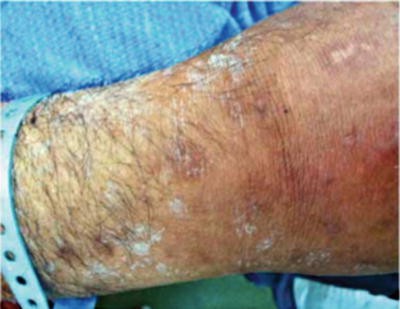
Always tired and weary, take cold easily. Malignant scarlatina, with somnolence, swollen glands, dark red sore throat, faintly developed eruption. Uremia. Heaviness in all organs. Uncleanness in bodily habits. Swelling of parts, glands, etc. Acid secretions. Prostration from trifles. Frequent desire to urinate, involuntary at night. Tenesmus of bladder. Urine white, sandy, bloody, copious, turbid and fetid. Audible palpitation with fear, cold sweat, lachrymation, inability to speak, loud breathing and trembling hands. Heart weak, wakes with difficult breathing and palpitation.
Violent itching and burning blisters. Scarlet rash. Miliary rash. Malignant scarlatina. Faintly developed eruptions from defective vitality. Erysipelas in the aged, with brain symptoms. Eczema. Cold sweat, lachrymation, inability to speak, loud breathing and trembling hands. Heart weak, wakes with difficult breathing and palpitation.
Apis Mellifica
Acts on cellular tissues, edema of skin and mucous membranes. Erysipelatous inflammations, dropsical effusions and anasarca, acute, inflammation of kidneys. Serous inflammation with effusion, membranes of brain, heart, pleuritic effusion, etc. Extreme sensitiveness to touch and general soreness. Constricted sensations. Sensation of stiffness and as of something torn off in the interior of the body. Much prostration. Micturition and soreness when urinating. Suppressed, loaded with casts; frequent and involuntary; stinging pain and strangury; scanty, high colored. Incontinence. Last drops burn and smart.
Rheumatic pain. Tired, bruised feeling. Numbness of hands and tips of fingers. Hives with intolerable itching. Edematous swellings.
Swellings after bites; sore, sensitive. Stinging. Erysipelas, with sensitiveness and swelling, rosy hue. Carbuncles, with burning, stinging pain. Sudden puffing up of whole body.
Apocynum Cannabinum
Increases secretions of mucous and serous membranes, it acts on cellular tissue: oedema and dropsy and on skin causing diaphoresis. Acute hydrocephalus. A diminished frequency of the pulse is a prime indication. This is one of our most efficient remedies, in dropsies, ascites, anasarca and hydrothorax, and urinary troubles, especially suppression and strangury.
In the digestive complaints of Bright’s disease, with the nausea, vomiting, drowsiness, difficult breathing. Dropsy with great thirst and gastric irritability. Arrhythmia. Mitral and tricuspid regurgitation. Acute alcoholism. Relaxation of sphincters.
Bladder distended. Turbid, hot urine, with thick mucus and burning in urethra, after urinating. Little expulsive power. Dribbling. Strangury. Renal Dropsy. Tricuspid regurgitation; rapid and feeble, irregular cardiac action, low arterial tension, pulsating jugulars, general cyanosis and general dropsy.
Arsenic Album
Trouble urinating. Uremia, nephritis, urgent need to urinate or urinating without knowing. Great exhaustion after the slightest exertion. Irritable weakness. Burning pains. Unquenchable thirst. Urine scanty, burning, involuntary. Bladder as if paralyzed. Albuminous. Epithelial cells; cylindrical clots of fibrin and globules of pus and blood. After urinating, feeling of weakness in abdomen. Bright’s disease. Diabetes.
Heart – Palpitation, pain, dyspnea, faintness. Irritable heart in smokers and tobacco-chewers. Pulse more rapid in morning. Dilatation. Cyanosis. Fatty degeneration. Angina pectoris, with pain in neck and occiput. Weakness in small of back. Drawing in of shoulders. Pain and burning in back.
Extremities – Trembling, twitching, spasms, weakness, heaviness, uneasiness. Cramps in calves. Swelling of feet. Sciatica. Burning pains. Peripheral neuritis. Diabetic gangrene. Ulcers on heel. Paralysis of lower limbs with atrophy.
Itching, burning, swellings; edema, eruption, papular, dry, rough, scaly; worse cold and scratching. Malignant pustules. Ulcers with offensive discharge. Anthrax. Poisoned wounds. Urticaria, with burning and restlessness. Psoriasis. Scirrhous. Icy coldness of body. Epithelioma of the skin. Gangrenous inflammations.
Aurum Metallicum
In urine constitutes of mucous-like residue. Debility, exhaustion, and restlessness, with nightly aggravation, are most important. Hopeless, despondent, and great desire to commit suicide (Depression). Every opportunity is sought for self-destruction. Exostosis, caries, nightly bone-pains, especially cranial, nasal, and palatine. Glands swelling. Palpitation and congestions. Ascites often in conjunction with heart affections. Secondary syphilis and effects of mercury.
Aurum metallicum is an anti-venereal and anti-scrofulous medicine. When syphilis is implanted on the scrofulous constitution. Ennui. Ozaena; sexual hyperesthesia. Arteriosclerosis, high blood pressure; nightly paroxysms of pain behind sternum. Sclerosis of liver, arterial system, brain. Pining boys; low spirited, lifeless, weak memory.
Urine turbid, like buttermilk, with thick sediment. Painful retention. Sensation as if the heart stopped beating for two or three seconds, immediately followed by a tumultuous rebound, with sinking at the epigastrium. Palpitation. Pulse rapid, feeble, irregular. Hypertrophy. High Blood Pressure-Valvular lesions of arterio-sclerotic nature. Dyspnea at night. Frequent, deep breathing; stitches in sternum.
Destruction of bones. Pain in bones of head, lumps under scalp, exostosis with nightly pains in bones. Caries of nasal, palatine and mastoid bones. Soreness of affected bones. All the blood seems to rush from head to lower limbs. Dropsy of lower limbs. Orgasm, as if blood were boiling in all veins. Paralytic, tearing pains in joints. Knees weak.
Belladonna
Belladonna has a marked action on the vascular system. Urine retention. Acute urinary infections. Sensation of motion/crawling in bladder. Urine scanty, with tenesmus; dark and turbid, loaded with phosphates. Vesical region sensitive. Incontinence, continuous dropping. Frequent and profuse. Hematuria without any pathological condition. Prostatic hypertrophy.
Heart – violent palpitation, reverberating in head, with labored breathing. Palpitation from least exertion. Throbbing all through body. Dichroism. Heart seemed too large. Rapid but weakened pulse.
Shooting pains along limbs. Joints swollen, red, shining, with red streaks radiating. Tottering gait. Shifting rheumatic pains. Phlegmasia alba dolens. Jerking limbs. Spasms. Involuntary limping. Cold extremities.
Stiff neck. Swelling of glands of neck. Pain in nape. Pressure on dorsal region, painful. Lumbago, with pain in hips and thighs.
Skin dry and hot; swollen, sensitive; burns scarlet, smooth. Eruption like scarlatina, suddenly spreading. Erythema; pustules on face. Glands swollen, tender, red. Boils. Acne rosacea. Suppurative wounds. Alternate redness and paleness of the skin. Indurations after inflammations. Erysipelas.
Fever, high feverish state with comparative absence of toxemia. Burning, pungent, steaming, heat. Feet icy cold. Superficial blood-vessels, distended. Perspiration dries only on head. No thirst with fever.
Benzoicum Acidum
The most marked characteristic pertains to the odor and color of the urine. It has a marked action on metabolism. It produces and cures symptoms of a uric acid diathesis, with urine highly colored and very offensive, and gouty symptoms. Renal insufficiency. Pains suddenly change their locality. Anti-sycotic. Gouty and asthmatic. Urine – changeable color; brown, acid. Enuresis; dribbling, offensive urine of old men. Excess of uric acid. Vesical catarrh from suppressed gonorrhea. Cystitis.
Joints crack on motion. Tearing with stitches. Pain in tendo Achillis. Rheumatic gout; nodes very painful. Gouty deposits. Ganglion; swelling of the wrist. Pain and swelling in knees. Bunion of knee, with severe pain.
Fever. Cold hands, feet, back, knees. Chilliness; cold sweat. Internal heat on awakening. Red spots on skin. Itching in spots.
Berberis Vulgaris
Hepatic, and rheumatic affections, particularly with urinary, hemorrhoidal and menstrual complaints.
Old gouty constitutions. Pain in region of kidneys is most marked, hence its use in renal and vesical troubles, gallstones, and vesical catarrh. It causes inflammation of kidneys with hematuria. Pains may be felt all over body, emanating from small of back. It promotes the flow of bile. Arthritic affections with urinary disturbances. Wandering, radiating pains. Acts well in fleshy persons, good livers, but with little endurance. Spinal irritation. All Berberis pains radiate, are not worse by pressure, but worse in various attitudes, especially standing and active exercise.
Micturition, burning pains. Sensation as if some urine remained after urinating. Urine with thick mucus and bright-red, mealy sediment. Bubbling, sore sensation in kidneys. Pain in bladder region. Pain in the thighs and loins on urinating. Frequent urination: urethra burns when not urinating.
Rheumatic paralytic pain in shoulders, arms, hands and fingers, legs and feet. Neuralgia under fingernails, with swelling of finger-joints. Sensation of cold on outside of thighs. Heels pain. Stitching between metatarsal bones. Pain in heels. Intense weariness and lameness of legs after walking a short distance.
Flat warts. Itching, burning and smarting; worse, scratching; better, cold applications. Small pustules over whole body. Eczema of anus and hands. Circumscribed pigmentation following eczematous inflammation.
Cannabis indica
Urine loaded with slimy mucus. Must strain; dribbling; has to wait some time before the urine flows. Stitches and burning in urethra. Dull pain in region of right kidney.
Palpitation awakes him. Piercing pain, with great oppression. Pulse very slow.
Pain across shoulders and spine; must stoop; cannot walk erect. Thrilling through arms and hands, and from knees down. Entire paralysis of the lower extremities. Pain in soles and calves; sharp pains in knees and ankles; very exhausted after a short walk.
Cantharis

This powerful drug produces a furious disturbance in the urinary and sexual organs, perverting their function, and setting up violent inflammations, and causing a frenzied delirium, simulating hydrophobia symptoms. Puerperal convulsions. Produces most violent inflammation of the whole gastro-intestinal canal, especially lower bowel. Over sensitiveness of all parts. Irritation. Raw, burning pains. Hemorrhages. Intolerable, constant urging to urinate. Gastric, hepatic and abdominal complaints. Gastric derangements of pregnancy. Dysuria. Increases secretion of mucous membranes, tenacious mucus. The inflammations cantharis produces (bladder, kidneys, ovaries, meninges, pleuritic and pericardial membranes) are usually associated with bladder irritation.
Intolerable urging and tenesmus. Nephritis with bloody urine. Violent paroxysms of cutting and burning in whole renal region, with painful urging to urinate; bloody urine, by drops. Intolerable tenesmus; cutting before, during, and after urine. Urine scalds him, and is passed drop by drop. Constant desire to urinate. Membranous scales looking like bran in water. Urine jelly-like, shreddy.
Chelidonium Majus
Polyuria, foaming, yellow urine, like beer dark, turbid. Pain in arms, shoulders, hands, tips of fingers. Icy coldness of tips of fingers; wrists sore, tearing in metacarpal bones. Whole flesh sore to touch. Rheumatic pain in hips and thighs; intolerable pains in heels. Feels paralyzed. Paresis of the lower limbs with rigidity of muscles.
Dry heat of skin; itches, yellow. Painful red pimples and pustules. Old, spreading, offensive ulcers. Wilted skin. Sallow, cold, clammy.
Crotalus horridus
Urinary Organs. Hematuria. Suppression or painful retention of urine. Urine: scanty, dark and red with blood; jelly-like; greenish yellow from much bile; copious and light-colored. Much pain in heart. Palpitation with sore pain in heart; feeling as if heart tumbled over. Pulse hardly perceptible. Phlebitis; varicosis; varicocele. Limbs. Painful paralytic sensation. Rheumatic and neuralgic pains. Bruised pain in joints and bones. Heaviness in limbs. Numb pain as after cramp in anterior of fingers and in toes. Contraction of flexors. Skin. Itching stinging all over; urticaria. Skin dry, stiff like thin parchment; usually cold. Yellow color of whole body (hematic rather than hepatic jaundice). Petechiae. Vesicles; herpes; pimples; boils; carbuncles; burns; stings; pemphigus; ulcers; gangrene; felons; anthrax. Old cicatrices break out again. Peliosis rheumatica. Dropsies.
Cuprum Arsenicum
Kidney failure, excruciating urine, and stained urine. Pain in sacral region, with frequent urging to urinate. Dark red urine; burning pain during and after urination. Strong smelling urine; odor of garlic. Heart’s action weak and hurried, pulse small, compressible, weak, and frequent, though quite regular. Sudden debility, long involuntary inspiration. Empty feeling in stomach, with vertigo and confusion of ideas, and headache between temples. Palpitation of heart, with trembling of limbs. Severer cardiac palpitation. Cardiac chorea (bradycardia): at one time heart beats very irregular and feeble, at another time violent and irregular; attacks appear in paroxysms, action being normal in intervals.
Tremulousness of whole body, very noticeable on attempting to walk. Quivering, impossible to control. Severe prostration.
Body covered with cold moisture, skin dirty pale. Icy coldness of whole body, with cramps and obstinate hiccough. Intermittent, cold clammy sweat.
Cuprum Metallicum
Urgent want to make water, with scant emission. Frequent emission of fetid (dark-red, turbid, with yellowish sediment), viscid urine. Burning shootings in the urethra, during and subsequent to the emission of urine. Bed wetting (nocturia). when a person goes through bed-wetting, extremely watery urine, and feels shooting pain in the urethra.
Spasm of heart. Angina pectoris. Palpitation of the heart. Pulse very changeable; imperceptible; small; soft. Pressive tearing or starting in the limbs. Pain in the joints and in the limbs. Aching in the bones. Rheumatic pains. Shaking pains, which traverse the whole body. Dry eruptions, itch, tetters, with yellow scales. Miliary eruptions. Old ulcers; caries.
Digitalis Purpurea
Pulse – weak, irregular, intermittent, abnormally slow, and dropsy of external and internal parts. Weakness and dilatation of the myocardium. Its greatest indication is in failure of compensation and especially when auricular fibrillation has set in. Slow pulse in recumbent posture, but irregular and dicrotic on sitting up. Auricular flutter and fibrillation especially when subsequent to rheumatic fever. Heart block, very slow pulse. Severe weakness and sinking of strength, faintness, coldness of skin, and irregular respiration; cardiac irritability and ocular troubles after tobacco; jaundice from induration and hypertrophy of the liver. Jaundice with heart disease. Faint.
Cyanosis (bluish appearance). Cardiac muscular failure when asystole is present. Prostration from slight exertion. Collapse. Frequent stitches in heart. Irregular heart especially of mitral disease. Very slow pulse. Intermits; weak. Inequality of pulse. Pericarditis, copious serous exudation. Dilated heart, tired, irregular, with slow and feeble pulse. Hypertrophy with dilatation. Cardiac failure following fevers. Cardiac dropsy.
Continued urging to urinate, in drops, dark, hot, burning, with sharp cutting or throbbing pain at neck of bladder. Suppressed. Ammoniacal, and turbid. Urethritis, phimosis, strangury. Full feeling after urination. Constriction and burning. Brick-dust sediment.
Swelling of the feet. Fingers go to sleep easily. Coldness of hands and feet. Rheumatic pain in joints. Shining, white swelling of joints. Muscular debility. Nocturnal swelling of fingers. Continuous sleepiness.
Fever – sudden flashes of heat, followed by great nervous weakness. Erythema, deep red, worse on back, like measles. Blue distended veins, ears, lips and tongue. Dropsical. Itching and jaundiced.
Helonias Dioica
Diabetes mellitus, and insipidus. Constant aching and tenderness over kidneys. kidney irritation, sickliness, cramps and bluntness. Albuminuria. phosphatic; profuse and clear, urine – saccharine.
Kali Carbonicum
Urinary Organs. Frequent want to urinate, scanty emission of fiery urine. The urine discharged slowly. After micturition prostatitis. Urine pale greenish; turbid. Frequent emission of urine. Incisive pains in bladder. Burning sensation in urethra.
Plumbum Metallicum

The blood, alimentary and nervous systems are the special seats of action of Plumbum. Hemostasis is interfered with, rapid reduction in number of red corpuscles, hence pallor, icterus, anemia. Constrictive sensation in internal organs. Delirium, coma and convulsions. Hypertension and arteriosclerosis. Progressive muscular atrophy. Infantile paralysis. Locomotor ataxia. Excessive and rapid emaciation. Bulbar paralysis. Important in peripheral affections.
The points of attack for Plumbum are the neurexins and the anterior horns. Multiple sclerosis, posterior spinal sclerosis. Contractions and boring pain. All the symptoms of acute. Nephritis with amaurosis and cerebral symptoms. Gout. Urinary – frequent, ineffectual tenesmus. Albuminous; low specific gravity. Chronic interstitial nephritis, with great pain in abdomen. Urine scanty. Tenesmus of bladder. Emission drop by drop. Frequent, ineffectual tenesmus. Albuminous; low specific gravity. Chronic interstitial nephritis, with great pain in abdomen. Urine scanty. Tenesmus of bladder. Emission drop by drop.
Cardiac weakness. Pulse soft and small, dichroitic. Wiry pulse, camp-like constriction of peripheral arteries. Spinal cord sclerosed. Lightning-like pains; temporarily better by pressure. Paralysis of lower extremities. Yellow, dark-brown liver spots. Jaundice. Dry. Dilated veins of forearms and legs.
Paralysis of single muscles, limited movements. Paralysis from overexertion of the extensor muscles in piano players. Pains in muscles of thighs; come in paroxysms. Wrist-drop. Cramps in calves. Stinging and tearing in limbs, also twitching and tingling, numbness, pain or tremor. Paralysis. Feet swollen. Pain in atrophied limbs alternates with colic. Loss of patellar reflex. Hands and feet cold. Pain in knee, sensitive to touch.
Mercurious Coresive
Destroyed secreting portions of kidneys – glomerulonephritis. Intense burning in urethra. Urine hot, burning, scanty or suppressed; bloody, greenish discharge. Albuminous. Tenesmus of bladder. Stabbing pain extending up urethra into bladder, perspiration after urinating. Destroyed kidney function – Glomerular filtration. Albuminuria in early pregnancy.
Terebinthum
Has a selective affinity for bleeding mucous surfaces. Tympanites and urinary symptoms very marked. Inflammation of kidneys, with hemorrhages-dark, passive, fetid. Bright’s disease preceded by dropsy. Drowsiness and strangury. Coma. Urinary strangury, with bloody urine. Scanty, suppressed, odor of violets. Urethritis, with painful erections. Inflamed kidneys following any acute disease. Constant tenesmus. Pulse rapid, small, thready, intermittent.
Acne. Erythema; itching pustular, vesicular eruption; urticaria. Purpura, ecchymosis, dropsies. Scarlatina. Chilblains; with excessive itching and pulsating pains. Aching soreness of the muscles.
Fever with violent thirst, dry tongue, profuse cold, clammy sweat. Typhoid with tympanites, hemorrhages, stupor, delirium. Prostration.
Urea
Constant urging to urinate, beginning at root of penis. Constant urging, with much sediment in urine. From bladder to groins a fatiguing, tearing pain < standing. Profuse diuresis with rapid diminution of dropsy. Albuminuria; bloody urine; general dropsy; intermittent heart. Delirium, nosebleed, urine brown, very albuminous; oedema of pudenda; ascites; pulse small, slow; attacks of suffocation, polyuria; swelling decreased; albumen disappeared). Diabetes; uraemia. Urine thin and of low specific gravity. A hydrogogue diuretic in the treatment of dropsies.
P. S: This article is only for doctors and students having good knowledge about Homeopathy and allopathy.

For proper consultation and treatment, please visit our clinic.
 Dr. Sayyad Qaisar Ahmed (MD {Ukraine}, DHMS), Abdominal Surgeries, Oncological surgeries, Gastroenterologist, Specialist Homeopathic Medicines.
Senior research officer at Dnepropetrovsk state medical academy Ukraine.
Location: Al-Haytham clinic, Umer Farooq Chowk Risalpur Sadder (0923631023, 03119884588), K.P.K, Pakistan.
Find more about Dr Sayed Qaisar Ahmed at:
https://www.youtube.com/Dr Qaisar Ahmed