
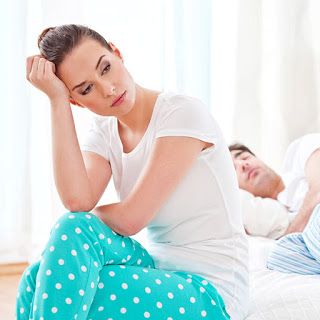
Hypoactive Sexual Desire Disorder (HSDD) is a persistent lack or absence of sexual thoughts, fantasies, and desire for sexual activity, causing significant personal distress or relationship problems, not due to another medical/psychiatric issue or substance.
It’s a common female sexual dysfunction, but can affect anyone, stemming from biological (hormones, meds), psychological (stress, trauma, depression), or relational factors.
What is the difference between asexual and hyposexual?
The term “asexual” is used to describe people who lack sexual attraction toward individuals of any gender. But they do not experience distress or any negative feelings because of it. But hyposexual refers to people who experience low sexual desire and are distressed by it.
Symptoms of Hypoactive Sexual Desire Disorder?
Symptoms of desire and arousal disorders may include:
- Low or no libido,
- No sexual fantasies or sexual thoughts,
- Avoiding sex or genital contact with your spouse,
- Distress at the thought of having sex,
- Trouble getting aroused, even during sexual activity,
- Vaginal dryness or pain during sex,
- Less or no pleasure or orgasms during sex most of the time.
Before diagnosing a desire disorder, your doctor will ask you if:
- You were satisfied with your level of desire at one time.
- Your desire is lower than it was in the past.
- Your lack of desire causes you distress.
- Your lack of libido or sexual activity causes problems in your family life.
Distress about the lack of libido and sexual activity is an important symptom. If your lack of interest in sex doesn’t concern you or your spouse, it’s not a disorder.
Men who have MHSDD may first see their doctors for erectile dysfunction (ED), which is trouble getting and keeping an erection. The two conditions aren’t the same, though you can have both at the same time. ED affects only erections, not desire.
Who Gets Hypoactive Sexual Desire Disorder?
Desire disorders can affect people of any gender, sexuality, or age. But they’re more common in women (including trans women), 32% of women and 15% of men may have a loss of desire.
What Are the Causes and Risk Factors of Hypoactive Sexual Desire Disorder?
Many common physical or psychological conditions might cause or add to a lack of sexual desire: 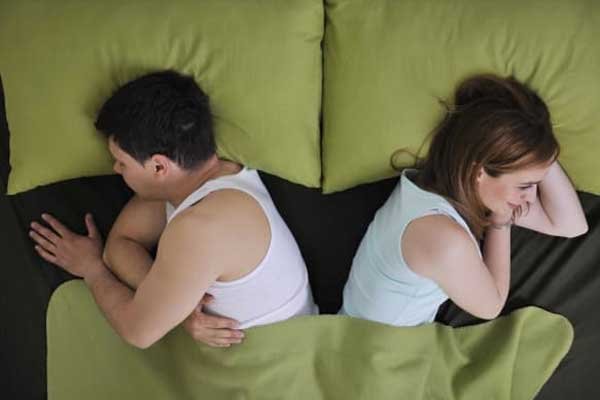
Mood disorders
Anxiety, depression, stress, body image issues, or low self-esteem can all affect desire.
Sleep disorders
These can make you feel too tired for sex.
Medication side effects
Loss of desire may be a side effect of allopathic drugs for example: antidepressants, anti-anxiety medications, anti-seizure drugs, pain treatments, antipsychotic medications, chemotherapy, blood pressure medicine, medications for some digestive diseases, and hormone-suppressing cancer drugs.
Neurological disorders
Levels of brain chemicals (neurotransmitters) may be off, which can disrupt sexual desire and function. This may happen because of multiple sclerosis (MS) or Parkinson’s disease.
Digestive illnesses
Inflammatory bowel disease (IBD), including Crohn’s disease and ulcerative colitis (UC), can affect desire.
Other physical illnesses
Conditions such as diabetes, cancer, urinary incontinence, heart disease, thyroid disease, Addison’s disease, Cushing’s disease, temporal lobe brain lesions, kidney failure, stroke, and HIV can affect sexual desire.
Hard Life
Some life situations also play a role:
Relationship problems
Fighting with your spouse or a lack of trust in them can lead to a desire disorder.
Motherhood
Pregnancy, labor and delivery, or breastfeeding can also affect sexual desire. A hysterectomy doesn’t cause desire disorder.
Aging
Some people lose their desire to have sex in older age. Studies show that the effect of age on desire is complex in women. Older women may have vaginal dryness and pain during sex, which can affect desire.
Fatigue or stress
These issues can make you less interested in sex.
Allopathic treatment Options for Hypoactive Sexual Desire Disorder
A physician can suggest or prescribe treatments or refer you to a therapist or counselor. If they think your desire issues are a side effect of medication(s) especially allopathic, they can try different allopathic drugs or different dosages. 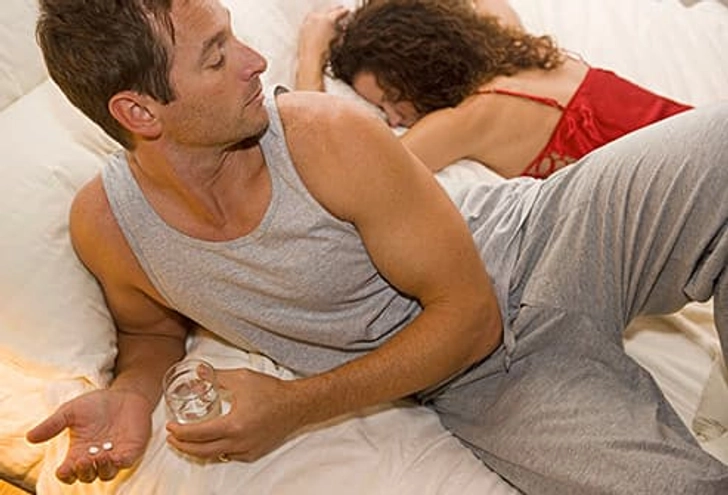
Here are some ways to treat or manage desire and arousal issues:
Therapy
Various types of therapy may treat desire disorders caused by mental health or relationship problems for example:
Psychotherapy, couples therapy, or sex therapy
These therapies allow you to talk about your symptoms with a professional who can help you address mental health issues. Your therapist may suggest sexual foreplay or sexual techniques to help you and your spouse have a more satisfying sex life.
Cognitive behavioral therapy (CBT)
This may be used to treat desire disorders caused by depression, anxiety, or other mental health conditions. Your therapist helps you focus on negative thoughts related to sex and learn to deal with them.
Medications
Certain allopathic drugs and hormone treatments can help treat desire disorder symptoms, increase your libido, or improve sexual function.
Two newer medications to treat desire disorder in premenopausal women:
- Bremelanotide (Vyleesi). You inject this medication under your skin at least 45 minutes before you plan to have sex (every time). It temporary improves desire and eases the distress linked to desire disorder.
- Flibanserin (Addyi). This is a pill you take once a day (lifetime). Flibanserin rebalances certain neurotransmitters, or brain chemicals, to restore sexual excitement and desire.
Other medications
Stimulants such as amphetamine or the antidepressant bupropion, a norepinephrine and dopamine reuptake inhibitor (NDRI), could temporarily increase sexual desire. A hormonal vaginal insert called prasterone (Intrarosa), and pills called ospemifene (Osphena) may help if vaginal dryness and painful sex affect your desire levels.
Estrogen
If you’ve been through menopause, using estrogen creams, rings, or tablets inserted into your vagina can improve muscle tone, flexibility, blood flow, and lubrication for more comfortable or pleasurable intercourse. Estrogen may also make your clitoris or vagina more sensitive and improve arousal.
Testosterone
Men with low testosterone may temporally benefit from testosterone in gel, skin patch, injection, or slow-release tablets. A boost in testosterone may help increase sexual desire or thoughts. Testosterone has also been studied in postmenopausal women, but results are unsatisfactory.
What about supplements?
Some early studies have shown that supplements containing the hormone dehydroepiandrosterone (DHEA) could increase sex drive in older women. But it needs much more research into its effectiveness.
Homeopathic treatment for low Sexual Desire Disorder
Yohimbinium
Acts mainly on the nervous system. Classified as an alpha-2 adrenergic receptor antagonist. Increases 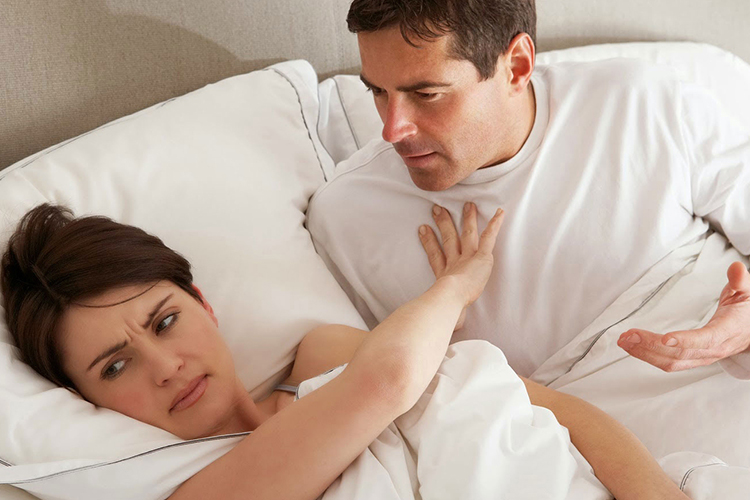 nerve signals and blood flow. Improves erectile function. Increases sexual desire (libido). Increases blood flow to genital organs. Improves peripheral blood circulation. It helps mobilize stubborn fat by Blocks alpha-2 receptors → increases fat breakdown and increases metabolism. Improves alertness. Reduces fatigue. Have good antidepressant effects. It increases norepinephrine activity in brain. Improves pelvic blood flow, urinary weakness and sexual exhaustion.
Ashwagandha (Withania somnifera)
A good adaptogen, nerve tonic. Good for stress & Anxiety. Reduces cortisol (stress hormone). Calms the nervous system. Improves sleep quality. Increase energy & strength, increases stamina. Reduces fatigue and weakness. Improves physical endurance. Improves libido (both men & women). Enhances sperm count and motility. Helps erectile weakness caused by stress. Normalizes hormonal Balance. Supports testosterone in men. Helps thyroid balance. Useful in hormonal fatigue. Best for brain & memory, improves focus and memory. I have good neuroprotective effects.
Shilajit (Mineral Resin)
Rejuvenator mineral tonic. Best for energy and a best anti-fatigue tonic. Improves mitochondrial energy (ATP). Excellent for chronic tiredness. Enhances physical performance and sexual health. Increases libido. Improves erectile strength. Enhances sperm quality. Best choice for male vitality. Supports testosterone production. Improves muscle strength. It slows down aging and improves brain. Improves mental clarity. Anti-aging (rich in fulvic acid). Antioxidant protection. Best choice for bone & joint health. Improves mineral absorption. Useful in weakness and recovery.
Chlorophytum Borivilianum (Safed Musli)
Aphrodisiac, nutritive tonic. It increases sexual Strength. Improves libido naturally. Enhances erection quality. Reduces premature weakness. Best choice for male and female Semen, eggs & Fertility. Improves sperm count and vitality. Nourishes reproductive tissues. Medicine of choice for general Weakness. Excellent for underweight or malnourished patients. Increases physical strength. Best for women’s Health. Helps post-partum weakness. Supports lactation. Improves immunity and improves resistance to illness.
Ginseng (Panax ginseng)
A good stimulant adaptogen. Improves energy & alertness. Boosts mental and physical energy. Improves work performance. Improves brain function. Enhances memory. Improves focus and concentration. Improves sexual function. Increases libido. Improves erectile function. Immune Support: strengthens immune response. Reduces frequency of infections. Blood Sugar & Metabolism. Helps regulate glucose. Supports metabolism.
Maca Root (Lepidium Meyenii)
A Hormonal adaptogen, nutritive root. Best for libido & sexual desire. Improves sexual desire of both men & women. Very affective in balancing hormones levels. Helps PMS and menopause symptoms. Supports fertility effectively. Improves energy and mood. Improves stamina. Increase time. Reduces mild depression and fatigue. Best choice for male and female fertility. Improves sperm count & motility. Enhances reproductive vitality. Best for bone Health, supports bone density.
Sepia Officinalis
Sepia woman is highly irritable, sensitive, and angry, easily offended and miserable due to weak uterine problems. 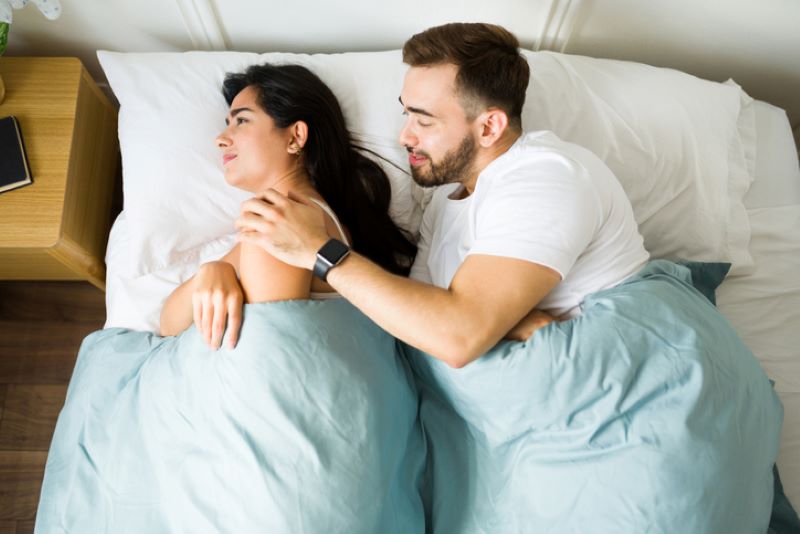
Low sex drive is due to the relaxation of pelvic muscles, bearing down sensation as if everything would escape through vagina.
Aversion to coition due to prolapsed of uterus and vagina wall.
Frigidity from childbirth after weaning or hormone pills. Nausea and irritability on thought of sex. Great weakness after sex. Aversion to whom she loved best and other family members.
Agnus Castus
Sexual desire almost absent. Sexual thrill absent due to excessive masturbation. Aversion to sex, sexual melancholy. Relaxation of genitals with leucorrhea. Great sadness, depression. Diminished sexual desire with complete prostration and general debility.
Berberis Vulgaris
Berberis vulgaris is suitable to listless, apathetic and indifferent woman. Sexual desire absent due to pain during coition. Cutting, stitching pains during coition. Vaginismus. Vagina very sensitive, pinching constriction in mons veneris, contraction and tenderness of vagina. Burning and soreness in vagina after intercourse. Enjoyment absents during sex. Great prostration after sex. Neuralgia of ovaries and vagina are other factors for low sex drive.
Onosmodium
Sexual desire completely absent due to uterine pain and bearing down pains. Soreness of ovaries with rectum, have low power of concentration and coordination, early and prolonged menses. Great prostration, weak, timid. Often suffers from migraine. Sexual neurasthenia, weariness, tiredness in legs.
Staphysagria
Aversion to sex due to past history of rape or sexual abuse. Vaginismus- sensitive to touch. Ovarian pain, going into thighs, worse pressure or sex. Prolapse with sinking feeling in the abdomen. Staphysagria patient often prefers solitude. Frequent urinary infection, worse from intercourse.
Ignatia Amara
Sexual desire absents, especially in hysterical woman. They are moody, emotional, sensitive and easily excited. Aversion to sex due vaginismus (sensitive). Intense pain at the entrance of vagina during coition with burning heat. Sexual desire absents after grief, shock, disappointment, frustration, and worry. Patient is worse after coition, etc. 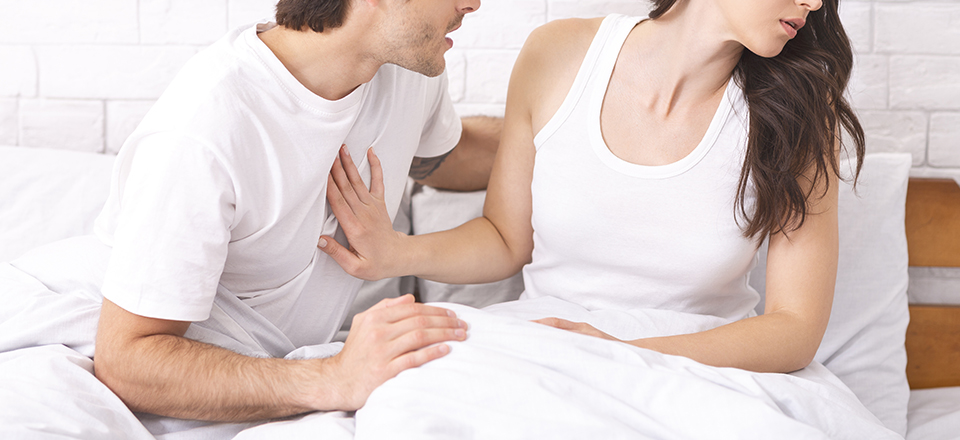
Some especial Homeopathic medicines:
When they always need MORRRRE….
Agnus Castus:
Agnus Castus is used in cases where there is complete inability to attain penile erection during the sexual act. The genitalia remain relaxed and flaccid while having sex. Coldness of sexual organs. Has a mental aversion to indulge in sex, along with decreased physical strength.
Patient has neither the desire for sex, nor the physical power to perform the sexual act.
This medicine is also used when there is Erectile Dysfunction with a history of Gonorrhea.
Caladium
Erectile Dysfunction – unable to have an erection despite having libido (a sexual desire or urge). The male requiring Caladium does not seem to have an erection even on caressing or after an embrace. The penis remains in a relaxed condition- no erection. Depression, anxiety. Smokers – Craving for tobacco.
Selenium
The erection is too weak and slow rather than the complete inability to have an erection. The erection is insufficient and remains for a very short period. Irritability and excessive weakness after the sexual act. Involuntary emission of seminal discharge during sleep. Complain of dribbling of semen while passing stool or poop.
Lycopodium Clavatum
Erectile Dysfunction resulting from excessive masturbation or increased indulgence in sexual activity.
In elderly people, Lycopodium is the remedy when the desire to indulge in a sexual act is present, but the erection is not adequate (sometimes due to prostate enlargement). At times, it is accompanied by premature ejaculation.
Avena Sativa
Avena Sativa is a tonic for enhancing the sexual power of males. This medicine will help in removing extreme exhaustion and deficient erections. Overindulgence in sexual activity or masturbation.
Natrium Muriaticum
Aversion to sex, which is painful from dryness of vagina. Burning smarting in vagina during sex. Natrum mur patient is weak, chlorotic and has palpitation after little exertion. Craving for excess salt.
Tribulus Terrestris
The main indication for Tribulus Terrestris is the presence of urinary troubles along with Erectile Dysfunction. The sexual organs are weak and pain while urinates. 
Nuphar Luteum
The desire to indulge in sexual activity is totally absent- no sexual desire with relaxed genitalia. Seminal discharges during passing stool or poop and in some cases while passing urine. The use of Nuphar Luteum can treat Erectile Dysfunction with zero desire for sex.
Yohimbinum
Yohimbinum – best remedy for Neurasthenic Impotency. The neurasthenic state covers various aspects like lack of interest in sexual activity, deficient erection, extreme weakness, irritability and sadness.
Acid Phosphoricum
Acid Phos is good for males with Diabetes Mellitus. The sexual power is very weak. The genitals are relaxed. Nocturnal emissions. Extreme physical debility and mental exhaustion.
GRAPHITES
Graphites is suitable to fat, chilly and timid woman who suffer from constipation with late menses. Music makes her weep. Great aversion to sex. The vagina is dry, hot, or cold.
HELONIAS
Loss of sexual power with or without sterility. Genitals red, hot, swollen, burn and itch terribly. Diminished sexual desire with profound melancholy, mental depression, but feels better when she is kept busy. A dragging down feeling in pelvis, prolapsed uterus. Great languor, prostration and tired feeling in back.
Damiana
Sexual neurasthenia; impotency. Sexual debility from nervous prostration. Incontinence of old people. Chronic prostatic discharge. Renal and cystic catarrh; frigidity of females. Aids the establishment of normal menstrual flow in young girls.
Sabal Serrulata
Sabal Serrulata is the best medicine to treat decreased penile erections along with the enlargement of prostate gland.
Urinary troubles like frequent passing of urine and difficulty in passing urine always accompany Erectile Dysfunction.
As it is a sensitive subject and because youngsters could harm their health that’s why I (Dr. Qaisar Ahmed) didn’t show any potency and intake method. 
Sulphur
Stitches in penis. Involuntary emissions. Itching of genitals when going to bed. Organs cold, relaxed and powerless.
Female: Pudenda itches. Vagina burns. Much offensive perspiration. Manses too late, short, scanty, and difficult; thick, black, acrid, making parts sore. Manses preceded by headache or suddenly stopped. Leucorrhea, burning, excoriating. Nipples cracked, smart and burn.
Conium Maculatum
Recommended for suppressed sexual desire in men and women, often following trauma, grief, or hormonal changes. Excitement causes mental depression. Depressed, timid, averse to society, and afraid of being alone. No inclination for business or study; takes no interest in anything. Memory weak; unable to sustain any mental effort. Desire increased; power decreased. Sexual nervousness, with feeble erection. Effects of suppressed sexual appetite. Testicles hard and enlarged.
Dysmenorrhea, with drawing-down thighs. Mammae lax and shrunken, hard, painful to touch. Stitches in nipples. Wants to press breast hard with hand. Manses delayed and scanty, parts sensitive. Breasts enlarge and become painful before and during menses. Rash before menses. Itching around pudenda. Unready conception. Induration of os and cervix. Ovaritis: ovary enlarged, indurated; lancinating pain. Ill effects of repressed sexual desire or suppressed menses, or from excessive indulgence. Leucorrhea after micturition.
P. S: This article is only for doctors and students having good knowledge about Homeopathy and allopathy.

For proper consultation and treatment, please visit our clinic.
 Dr. Sayyad Qaisar Ahmed (MD {Ukraine}, DHMS), Abdominal Surgeries, Oncological surgeries, Gastroenterologist, Specialist Homeopathic Medicines.
Senior research officer at Dnepropetrovsk state medical academy Ukraine.
Location: Al-Haytham clinic, Umer Farooq Chowk Risalpur Sadder (0923631023, 03119884588), K.P.K, Pakistan.
Find more about Dr Sayed Qaisar Ahmed at:
https://www.youtube.com/Dr Qaisar Ahmed