
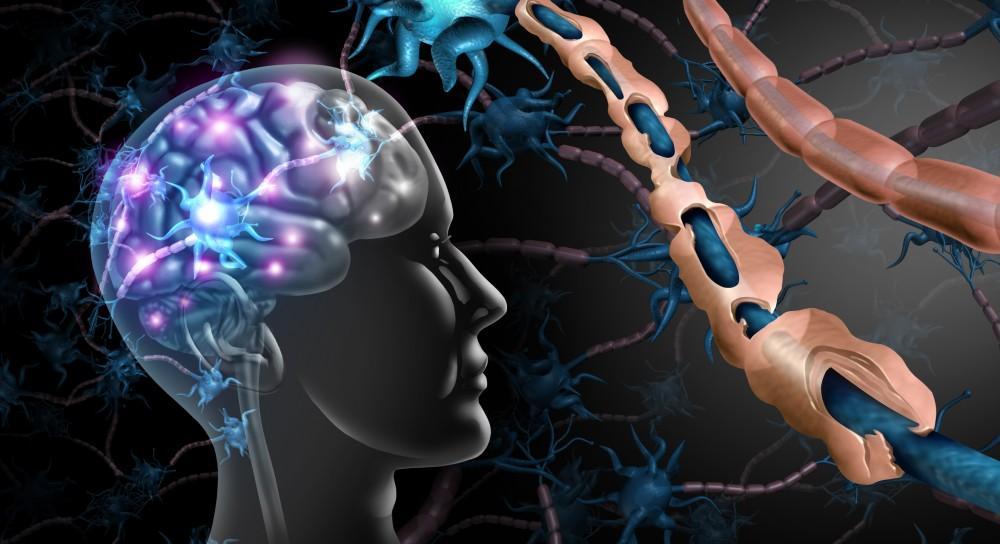
Multiple sclerosis (MS) is a chronic condition involving our central nervous system (CNS). With multiple sclerosis, our immune system attacks myelin (protective layer around our nerve fibers).
MS symptoms usually begin in young adults, between ages 20 and 40.
MS affects people differently. A small number of people with MS will have mild symptoms with little disability, but others will experience worsening symptoms that will lead to increased disability over time. Most people with MS have short periods of symptoms that resolve fully or partially after they appear. These periods are followed by long stretches without noticeable symptoms. Most people with MS have a normal life expectancy.
Myelin and the immune system
According to allopathic theory, in MS, the immune system attacks myelin in the central nervous system (brain and the spinal cord); while according to my research, MS is due to the deficiency of cholesterol and sodium chloride in the body.
Myelin is a mixture of protein and fatty acids (cholesterol) that makes up the protective cover (known as the myelin sheath) that coats nerve fibers (axons). Myelin is what gives the brain’s white matter its whitish appearance, it is made of 99% cholesterol and helps with communication between neurons.
In addition to causing damage to the myelin sheath, MS also damages the nerve cell bodies, which are found in the brain’s gray matter, as well as the axons themselves. As the disease progresses, the outermost layer of the brain (cerebral cortex), shrinks. This process is known as cortical atrophy. The way that cortical atrophy happens in MS may connect it with some neurodegenerative disorders.
Sclerosis is a medical term for the distinctive areas of scar-like tissue (also called plaques or lesions) that result from inflammation. These areas are visible on an MRI (magnetic resonance imaging) scan. The patches of scar-like inflamed tissue can be as small as the head of a pin or as large as a golf ball.
The symptoms of MS depend on the severity of the inflammation(s) and damages as well as the location and size of the plaques.
Who is more likely to get multiple sclerosis?
Women are more likely to get MS than men. People of all races and ethnicities can get MS, but it’s most common in White people. Having a parent or sibling with MS increases the chances of a person getting MS, although MS itself isn’t an inherited disorder. 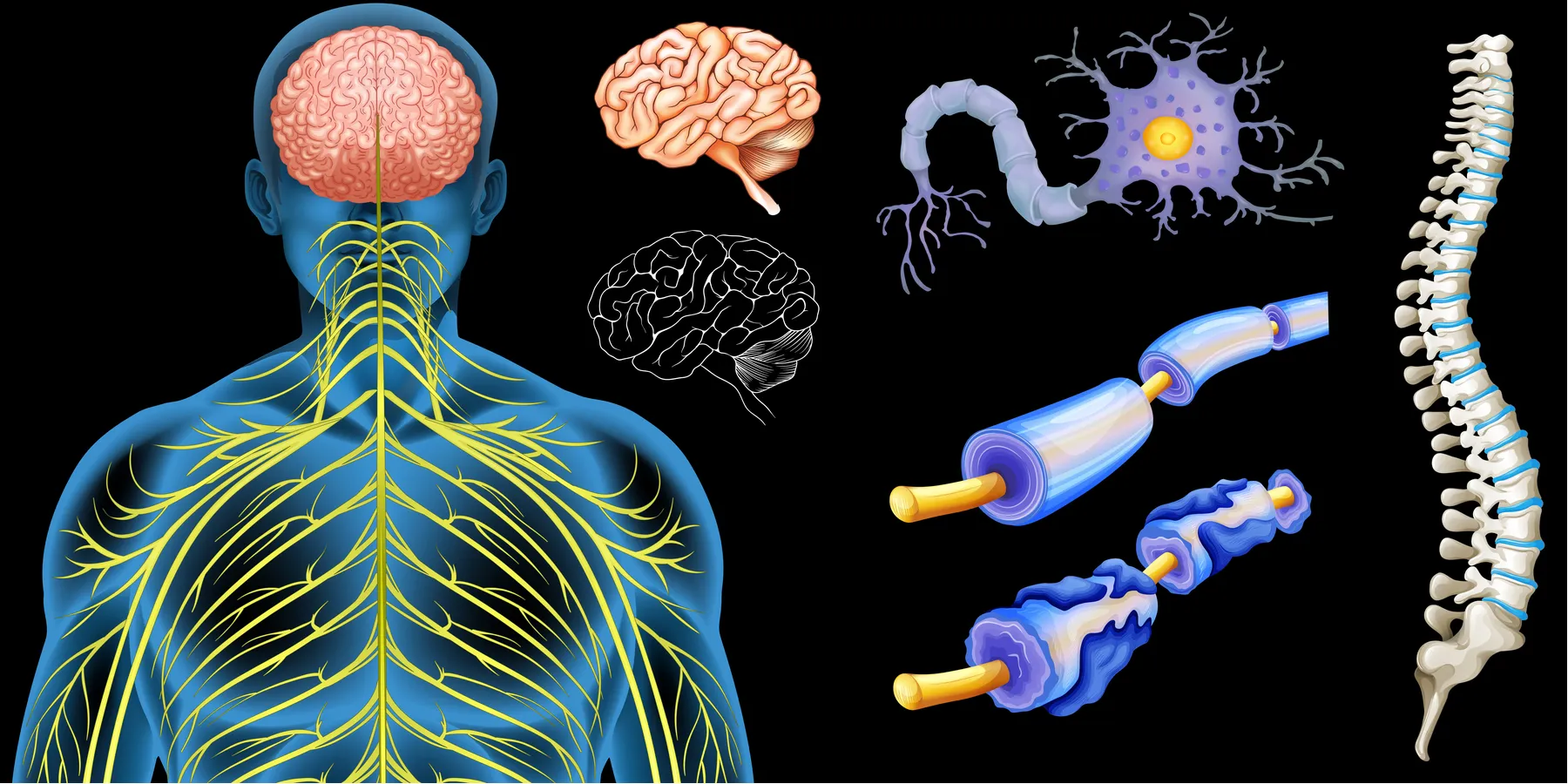
Some of the known genes are like those that have been identified in people with other autoimmune diseases, such as inflammatory bowel disease, celiac disease, type 1 diabetes, rheumatoid arthritis, or lupus.
Several viruses have been found in patients with MS, but the virus most consistently linked to the development of MS is the Epstein-Barr virus (EBV) which causes infectious mononucleosis. Almost everyone has been infected by EBV at some point in their lives. Only about 5% of the population hasn’t been infected, and these people are at a lower risk for developing MS than those who have been infected. People who got EBV during childhood are at a lower risk of getting MS than people infected with EBV in adolescence or adulthood. But the vast majority of people who get infected with EBV aren’t going to develop MS.
Research indicates people who spend more time in the sun, and those with relatively higher levels of vitamin D, are less likely to develop MS than those who don’t, or they have a less severe course of disease and fewer relapses.
Bright sunlight helps human skin produce vitamin D (it’s means that sunlight improves the health of glands, which are responsible for making hormones for example vit-D). Researchers believe vitamin D may help regulate the immune system in ways that reduce the risk of MS and autoimmune disorders in general.
Types of multiple sclerosis
The course of MS is different for each person, which makes it difficult to predict how a person will do with the disease. While many different courses or progressions of MS have been used over the years, these are changing as the scientific and medical community better understands different ways the disease can progress.
Currently, the five courses used to describe MS are:
Clinically isolated syndrome:
Symptoms come from a single attack (also called “exacerbation” or “relapse”) followed by complete or near-complete recovery. MRI and other tests, such as a spinal tap or electrical vision tests, may show “silent” damage in other places in the central nervous system. If this damage is identified, it could allow a full diagnosis of MS even after a single attack.
Relapsing-remitting MS:
Symptoms come in the form of recurrent attacks with total or partial recovery. The periods of disease inactivity between MS attacks are referred to as remission. Weeks, months, or even years may pass before another attack happens, followed again by a period of inactivity. Treatment with disease-modifying therapies can reduce the frequency of attacks or eliminate them entirely. Most people with MS are initially diagnosed with this form.
Secondary-progressive MS:
Relapsing-remitting MS can gradually evolve into secondary-progressive MS. Attacks become less and less common but may still happen, and people gradually develop steady symptoms with deteriorated functioning over time. Secondary-progressive MS with attacks is called “active,” whereas secondary-progressive MS without attacks is called “non-relapsing.” Disease-modifying therapy for relapsing-remitting MS can delay and sometimes prevent secondary progressive MS, but the transition can happen even with treatment.
Primary-progressive MS:
This course of MS is less common and has progressively worsening symptoms from the beginning, with no noticeable acute attacks. But there may be temporary or minor relief from symptoms.
Radiologically isolated syndrome:
This is the rarest course of MS where a person has abnormal MRI results that look like MS, but doesn’t have MS symptoms. MS symptoms (attacks or progression) may happen in the future.
Rare multiple sclerosis
Three rare MS variants include:
- Tumefactive multiple sclerosis. A characterization of this variant of MS is the formation of large areas of demyelination in brain, which may appear similar to tumors. Often, a sample of brain tissue is needed to differentiate this from other issues, like brain cancers.
- Balo’s concentric sclerosis. A characteristic of this variant of MS is lesions with the appearance of concentric rings (in the shape of a target) of myelin damage appearing on an MRI, which gives this condition its name.
- Marburg variant multiple sclerosis. This is a very rare and aggressive form of MS characterized by rapid progression, which may result in death when left untreated.
Symptoms of multiple sclerosis
Early MS symptoms often include: 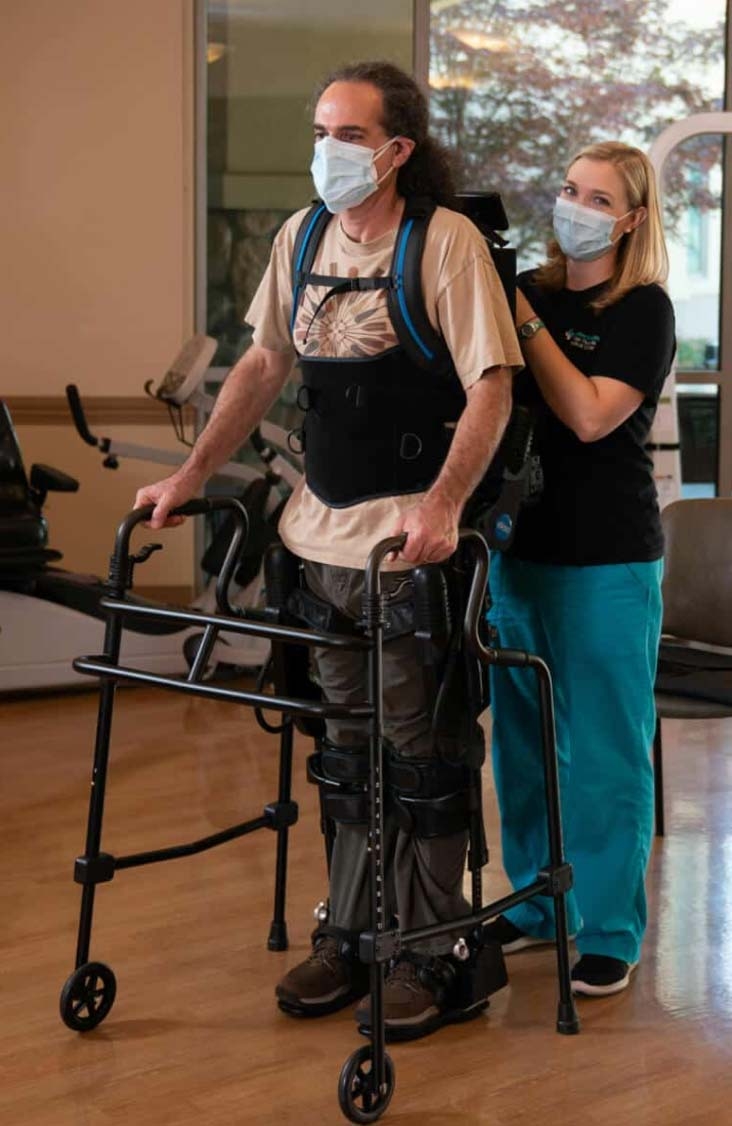
- Vision problems, such as double vision or optic neuritis (inflammation of the optic nerve), which causes pain with eye movement and vision loss,
- Muscle weakness, often in the arms and legs, and muscle stiffness with painful muscle spasms,
- Tingling, numbness, or pain in the arms, legs, trunk, or face,
- Clumsiness, especially difficulty staying balanced when walking,
- Bladder control problems,
- Intermittent or constant dizziness.
MS may also cause other symptoms, such as:
- Mental or physical fatigue,
- Mood changes such as depression or difficulty with emotional expression or control,
- Cognitive changes—including problems concentrating, multitasking, thinking, or learning, or difficulties with memory or judgment.
Muscle weakness, stiffness, and spasms may be severe enough to affect walking or standing. In some cases, MS leads to partial or complete paralysis.
Many people with MS find that their symptoms are worse when they have a fever or are exposed to heat or following common infections.
Pain is rarely the first sign of MS, but pain often happens with optic neuritis and trigeminal neuralgia. Painful limb spasms and sharp pain shooting down the legs or around the abdomen can also be symptoms of multiple sclerosis.
How is multiple sclerosis diagnosed?
Diagnosing MS
There’s no single test to diagnose multiple sclerosis. Doctors use different tests to rule out or confirm the diagnosis. In addition to a complete medical history, physical examination, and a detailed neurological examination, a doctor may recommend MRI scans of the brain and spinal cord to look for the characteristic lesions of multiple sclerosis. Gadolinium contrast may be injected into a vein to improve the brain images.
A doctor may also recommend:
- Lumbar puncture (spinal tap) to obtain a sample of cerebrospinal fluid (CSF) and examine it for proteins and inflammatory cells associated with the disease. This can also test for diseases that may look like MS.
- Evoked potential tests, which use electrodes placed on the skin and painless electric signals to measure how quickly and accurately the nervous system responds to stimulation.
- MRI of the optic nerves, optic coherence tomography (OCT), or visual evoked potentials to detect optic nerve lesions.
In most cases, doctors can diagnose MS by considering someone’s symptoms and identifying characteristic MS signs on an MRI.
Allopathic treatment for multiple sclerosis
There’s no cure for MS in allopathy, but there are some methods that can reduce the number and severity of relapses—and delay the long-term progression of the disease.
Doctors can prescribe corticosteroids, such as methylprednisolone, for three to five days—they’re usually injected into a vein. Corticosteroids quickly suppress the immune system and reduce inflammation for few hours. They may be followed by a progressively smaller dose of oral corticosteroids. Clinical trials have shown that these medicines don’t alter the long-term outcome of the disease.
Homeopathic treatment for multiple sclerosis
More than 7000 years old health (Homeopathic) system can treat MS very easy and forever, different research companies identified that rate of effectiveness of current and future Homeopathic therapies many times. 
I (Dr. Qaisar Ahmed) think that MS is a simple nutritional (cholesterol) and mineral (sodium chloride) deficiency and could be treated accordingly. Here are very few medicines for multiple sclerosis:
Zincum Metallicum
Cerebral depression. Tissues are worn out faster than they are repaired the nervous symptoms of most importance. Defective vitality. Impending brain paralysis. Period of depression in disease. Spinal affections. Twitching. Pain, as if between skin and flesh. Chorea, anemia with profound prostration. Decrease number, and destruction of red blood corpuscles. Chronic diseases with brain and spinal symptoms, trembling, convulsive twitching and fidgety feet.
Constriction and cutting in chest. Hoarseness. Debilitating, spasmodic cough. Grasps genitals during cough. Asthmatic bronchitis, with constriction, of chest. Burning along spine. Lameness, weakness, trembling and twitching of various muscles. Varicose veins, especially of lower extremities. Formication of feet and legs as from bugs crawling over the skin, preventing sleep.
Weak memory. Very sensitive to noise. Averse to work, to talk. Melancholia. Lethargic, stupid. Paresis. Feels as if he would fall to left side. Hydrocephalus. Rolls head from side to side. Bores head into pillow. Occipital pain, with weight on vertex. Automatic motion of head and hands, Alzheimer’s disease. Brain-fag.
Pterygium; smarting, lachrymation, itching. Itching and soreness of lids and inner angles. Ptosis. Rolling of eyes. Blurring of one-half of vision; worse, allopathic stimulants. Squinting. Tearing, stitches, and external swelling in ears. Discharge of fetid pus.
Constant inclination to hawk up tenacious mucus. Rawness and dryness in throat and larynx. Pain in muscles of throat when swallowing. Can only void urine when sitting bent backwards. Hysterical retention. Involuntary urination when walking, coughing or sneezing.
Ignnatia Amara
Melancholic, sad, tearful. Not communicative. Sighing and sobbing. After shocks, grief, disappointment. Asthenopia, with spasms of lids and neuralgic pain about eyes. Flickering zigzags. Twitching of muscles of face and lips. Changes color when at rest. Easily bites inside of cheeks. Constantly full of saliva. Feeling of a lump in throat that cannot be swallowed. Tendency to choke, globus hystericus. Dry, spasmodic cough in quick successive shocks. Spasm of glottis. Jerking of limbs. Jerking of limbs on going to sleep. 
Plumbum Metallicum
Paralysis is chiefly of extensors, forearm or upper limb, from center to periphery with partial anesthesia or excessive hyperesthesia, preceded by pain. Localized neuralgic pains, neuritis. Cardiac weakness. Pulse soft and small, dichroitic. Wiry pulse, camp-like constriction of peripheral arteries.
Spinal cord sclerosed. Lightning-like pains. Paralysis of lower extremities, of single muscles. Paralysis from overexertion of the extensor muscles. Pains in muscles of thighs; come in paroxysms. Wrist-drop. Cramps in calves. Stinging and tearing in limbs, also twitching and tingling, numbness, pain or tremor. Feet swollen. Pain in atrophied limbs alternates with colic. Loss of patellar reflex. Hands and feet cold.
Delirium, coma and convulsions. Hypertension and arteriosclerosis. Progressive muscular atrophy. Infantile paralysis. Locomotor ataxia. Excessive and rapid emaciation. Bulbar paralysis. Symptoms of multiple sclerosis, posterior spinal sclerosis. Contractions and boring pain. Nephritis with amaurosis and cerebral symptoms. Gout.
Depression. Fear of being assassinated. Quiet melancholy. Slow perception; loss of memory; amnesic aphasia. Hallucinations and delusions. Intellectual apathy. Memory impaired. Paretic dementia. Delirium. Pupils contracted. Yellow. Optic nerve inflamed. Intraocular, suppurative inflammation. Glaucoma, especially if secondary to spinal lesion. Optic neuritis, central scotoma. Sudden loss of sight after fainting. Tongue tremulous, paralyzed.
Argentum Metallicum
Hoarseness Aphonia. Raw, sore feeling when coughing. Severe backache; must walk bent, with oppression of chest. Rheumatic affections of joints, especially elbow and knee. Legs weak and trembling, worse descending stairs. Involuntary contractions of fingers, partial paralysis of forearm; writer’s cramp. Swelling of ankles. Crushed pain in testicles. Seminal emissions, without sexual excitement. Bearing-down pain in females. Prolapse of womb. Eroded spongy cervix.
Argentum Nitricum
In this drug the neurotic effects are very marked, many brain and spinal symptoms. Symptoms of incoordination, loss of control and want of balance everywhere, mentally and physically, trembling in affected parts. Violent inflammation of the throat. Explosive belching especially in neurotics. Paraplegia Myelitis and disseminated sclerosis of brain and cord. Intolerance of heat. Sensation of a sudden pinch. Anemia. 
Faintish and tremulous. Melancholic; apprehensive of serious disease. Memory weak. Errors of perception. Impulsive; wants to do things in a hurry. Peculiar mental impulses. Fears and anxieties and hidden irrational motives for actions. Emotional disturbances cause appearance of hemi-cranial attacks. Brain-fag, with general debility and trembling. Hemi-crania.
Swelling of conjunctiva. Unable to keep eyes fixed steadily. Weak ciliary muscles. Paretic condition of ciliary muscle. Loss of smell.
Sensation of a splinter in throat on swallowing. Urine passes unconsciously, day and night. Emission of a few drops after having finished. Impotence. Erection fails when coition is attempted. Cancer-like ulcers. Genitals shrivel. Chronic hoarseness. Suffocative cough, as if from a hair in throat. Dyspnea. Painful spots in chest. Angina pectoris, nightly aggravation. Many people in a room seem to take away his breath.
Lumbago, spine sensitive with nocturnal pains, paraplegia; posterior spinal sclerosis. Cannot walk with eyes closed. Trembling, with general debility. Paralysis, with mental and abdominal symptoms. Rigidity of calves. Debility in calves. Walks and stands unsteadily, especially when unobserved. Numbness of arms. Post-diphtheritic paralysis.
Helleborus Niger
Sensorial depression. Sees, hears, tastes imperfectly. General muscular weakness, which may go on to complete paralysis, accompanied by dropsical effusions. Sinking sensation. State of effusion in hydrocephalus. Mania of a melancholy type. Slow in answering. Thoughtless; staring. Involuntary sighing. Complete unconsciousness. Picks lips and clothes. Forehead wrinkled in folds. Cold sweat. Stupefying headache. Rolls head day and night, moaning, sudden screams. Bores head into pillow; beats it with hands. Dull pain in occiput, with sensation of water swashing inside. Headache culminates in vomiting.
Eyeballs turn upwards, squinting, vacant look. Pupils dilated. Eyes wide open, sunken. Night-blindness. Nose dirty, dry. Rubs nose. Smell diminished. Nose pointed. Skin pale, dropsical, itching. Livid spots on skin. Sudden, watery, swelling of skin. Falling off of hair and nails. Angio-neurotic edema.
Face pale, sunken. Cold sweat. Wrinkled. Neuralgia on left side; parts so tender he cannot chew. Horrible smell from mouth. Lips dried and cracked. Tongue red and dry. Falling of lower jaw. Meaningless picking of lips. Grinding of teeth. Chewing motion. Greedily swallows cold water, though unconscious. Frequent urging to urinate, cannot urinate. Bladder overdistended. Frequent sighing. Respiration irregular. Chest constricted, gasps for breath. Hydrothorax. 
Automatic motion of one arm and leg. Limbs heavy and painful. Stretching of limbs. Thumb drawn into palm. Vesicular eruption between fingers and toes. Sudden screams in sleep. Sonorous sleep. Cannot be fully aroused.
Tuberculinum
Lax fiber, low recuperative powers, susceptible to changes in the weather. Always tired; motion causes intense fatigue; aversion to work; wants constant changes. Rapid emaciation. Epilepsy, neurasthenia and in nervous. Mentally deficient. Acute articular rheumatism. Very sensitive, mentally and physically. Nervous weakness. Trembling. Arthritis.
Mania, melancholia, insomnia and sopor. Irritable, especially when awakening. Depressed. Deep brain headaches and intense neuralgias. Nocturnal hallucinations, awakes frightened. Plica polonica. Crops of small boils, intensely painful, successively appear in the nose; green, fetid pus.
Shortness of breath. Sensation of suffocation. Bronchopneumonia. Hard, hacking cough, profuse sweating and loss of weight, rales all over chest. Deposits begin in apex of lung. Chronic eczema; itching intense. Acne.
Agaricus Muscarious
Vertigo and delirium, followed by profound sopor with lowered reflexes. Jerking, twitching, trembling, itching. Anemia, chorea, twitching ceases during sleep. Various forms of neuralgia and spasmodic affections, and neurotic skin troubles. General paralysis. Sensation as if pierced by needles of ice. Violent bearing-down pains. Pains, accompanied by sensation of cold, numbness and tingling.
Indifference. Fearlessness. Delirium characterized by singing, shouting, and muttering; rhymes and prophesies. Paroxysm of yawning. Cerebral excitement. Vertigo from sunlight, and on walking. Head in constant motion. Falling backward, as if a weight in occiput. Neuralgia with icy cold head. Stitches in urethra. Sudden and violent urging to urinate. Frequent urination.
Words seems to move, to swim, vibrating. Double vision, dim and flickering. Asthenopia from prolonged strain, spasm of accommodation. Twitching of lids and eyeballs, of muscles about the ear and noises. Facial muscles stiff; twitch; face itches and burns. Lancinating, tearing pain, as of splinters. Burning and smarting on lips. Splinter like pains in tongue. Tremulous tongue. Throat contracted. Dryness of pharynx, swallowing difficult. Scratching in throat.
Violent attacks of coughing, spasmodic, with expectoration of mucus, ends with sneeze. Labored, oppressed breathing. Bradycardia. Pulse intermittent and irregular. Cardiac region oppressed. Palpitation with redness of face.
Lumbago. Twitching of cervical muscles. Stiff all over. Pain over hips. Weakness in loins. Uncertain gait. Trembling. Cramp in soles of feet. Pain in shinbone. Neuralgia in locomotor ataxia. Paralysis of lower limbs, with spasmodic condition of arms. Numbness. Paralytic pain in arm followed by palpitation. Tearing painful contractions in the calves.
Skin – intolerable burning, itching, redness, and swelling, as from frostbites. Miliary eruption. Angioneurotic edema; rosacea. Swollen veins with cold skin. Circumscribed erythematous, papular and pustular and edematous lesions. 
Twitches during sleep. Vivid dreams. Drowsy in daytime. Yawning, followed by involuntary laughter. Copious sweat. Burning spots.
Magnesia Phosephoricum
The great anti-spasmodic medicine. Cramping of muscles with radiating pains. Neuralgic pains. Especially suited to tired, languid, exhausted patients. Indisposition for mental exertion. Goiter. Inability to think clearly. Vertigo on moving, falls forward on closing eyes, better walking in open air. Aches after mental labor, with chilliness. Sensation as if contents were liquid, as if parts of brain were changing places, as of a cap on head. Swelling of glands of face, throat and neck. Swelling of tongue. Throat soreness and stiffness, chilliness, and aching.
Supraorbital pains; relieved by warmth. Twitching of lids. Nystagmus strabismus, ptosis. Eyes hot, tired, vision blurred, colored lights before eyes. Severe neuralgic pain in ears.
Constipation in rheumatic patients due to flatulence and indigestion. Asthmatic oppression of chest. Dry, tickling cough. Spasmodic cough, with difficulty in lying down. Whooping-cough. Voice hoarse, larynx sore and raw. Intercostal neuralgia. Angina pectoris. Nervous spasmodic palpitation. Constricting pains around heart.
Involuntary shaking of hands. Paralysis agitans. Cramps in calves. Sciatica. Feet tender. Darting pains. Twitching. Chorea. Writers’ and players’ cramp. Tetanic spasms. Weakness in arms and hands, finger-tips stiff and numb. General muscular weakness.
Ginko Biloba
It improves blood flow to the brain, enhancing memory, focus, and cognitive speed. Mental weakness, memory loss (especially in elderly). Senile dementia. Alzheimer’s, vascular dementia. Ginkgo helps dilate blood vessels and reduce blood viscosity. Peripheral artery disease, Raynaud’s disease, and poor circulation to hands and feet (cold hands/feet).
Acid Picricum
Acts upon the generative organs probably through the lumbar centers of the spinal cord; prostration, weakness and pain of back, pins and needle sensation in extremities. Degeneration of the spinal cord. Paralysis. Brain fag and sexual excitement. Neurasthenia. Muscular debility. Heavy tired feeling. Myelitis with spasms and prostration. Writer’s palsy. Progressive, pernicious anemia. Uremia with complete anuria. Sallow complexion. Burning along spine. Great weakness. Tired, heavy feeling all over body, especially limbs; worse, exertion. Feet cold. Cannot get warm. Acute descending paralysis. 
Lack of will-power; disinclined to work. Cerebral softening. Dementia with prostration, sits still and listless. Occipital pain; worse, slightest mental exertion. Vertigo and noises in ear. Boils within ears and back of neck. After prolonged mental strain, with anxiety and dread of failure at examination.
Urine scanty; complete anuria. Dribbling micturition. Inflammation of kidneys with profound weakness, dark, bloody, scanty urine. Nightly urging. Emissions profuse, followed by great exhaustion, without sensual dreams. Prostatic hypertrophy.
Cuprum Metallicum
Spasmodic affections, cramps, convulsions, beginning in fingers and toes, violent, contractive, and intermittent pain. Clonic spasms, convulsions, and epileptic attacks. Chorea brought on by fright. Fixed ideas, malicious and morose. Purple, red swelling of head, with convulsions. Bruised pain in brain and eyes on turning them. Meningitis. Head falls forward on chest. Angina pectoris. Slow pulse; or hard, full and quick. Palpitation, precordial anxiety and pain. Fatty degeneration.
Aching over eyes. Fixed, stary, sunken, glistening, turned upward. Crossed. Quick rolling of eyeballs, with closed eyes. Face distorted, pale bluish, with blue lips. Contraction of jaws, with foam at mouth. Strong metallic, slimy taste, with flow of saliva. Constant protrusion and retraction of the tongue, like a snake. Paralysis of tongue. Stammering speech. Skin bluish, marbled. Ulcers, itching spots, and pimples at the folds of joints. Chronic psoriasis and lepra.
Hiccough preceding the spasms. Nausea. Vomiting. Tense, hot and tender to touch; contracted. Neuralgia of abdominal viscera. Colic, violent and intermittent. Intussusception. Stool black, painful, bloody, with tenesmus and weakness.
Cough as a gurgling sound. Suffocative attacks. Spasm and constriction of chest; spasmodic asthma, alternating with spasmodic vomiting. Whooping-cough, with vomiting and spasms and purple face. Spasm of the glottis. Dyspnea with epigastric uneasiness. Spasmodic dyspnea before menstruation. Angina with asthmatic symptoms and cramps.
Jerking, twitching of muscles. Coldness of hands. Cramps in palms. Great weariness of limbs. Cramps in calves and soles. Epilepsy: aura begins in knees. Clenched thumbs. Clonic spasms, beginning in fingers and toes. 
Gelsemium Sempervirens
Motor paralysis. General prostration. Dizziness, drowsiness, dullness, and trembling. Slow pulse, tired feeling, mental apathy. Paralysis of various groups of muscles. Post-diphtheritic paralysis. Muscular weakness. Complete relaxation and prostration. Lack of muscular co-ordination. Slowness of breathing, with prostration about chest. Dry cough, with sore chest and fluent coryza. Aphonia; acute bronchitis, respiration quickened, spasmodic affections of lungs and diaphragm.
Ptosis; eyelids heavy; patient can hardly open them. Double vision. Disturbed muscular apparatus. Corrects blurring and discomfort in eyes even after accurately adjusted glasses. Vision blurred, smoky. Pupils dilated and insensible to light. Orbital neuralgia, with contraction and twitching of muscles. Bruised pain back of the orbits. Deep inflammations, with haziness of vitreous. Serous inflammations. Detached retina, glaucoma and decimemides. Hysterical amblyopia. Facial muscles contracted. Lower jaw dropped.
Tongue numbed, thick, coated, yellowish, tremble, paralyzed. Difficult swallowing. Feeling of a lump in throat that cannot be swallowed. Aphonia. Itching and tickling in soft palate and Naso-pharynx. Pain in sterno-cleido-mastoid, back of parotid. Post-diphtheritic paralysis.
Urine profuse, clear, watery, with chilliness and tremulousness. Dysuria. Partial paralysis of bladder; flow intermittent. Spermatorrhea, without erections. Genitals cold and relaxed.
Slow pulse. Palpitation; pulse soft, weak, full and flowing. Pulse slow when quiet but greatly accelerated on motion. Weak, slow pulse of old age. Dull, heavy backpain. Complete relaxation of the whole muscular system. Fatigue. Pain in neck. Pain in muscles of back, hips, and lower extremities, mostly deep-seated. Loss of power of muscular control. Cramp in muscles of forearm. Professional neuroses. Excessive trembling and weakness of all limbs. Hysteric convulsions.
Lathyrus Sativus
Affects the lateral and anterior columns of the cord. Reflexes always increased. Paralytic affections of lower extremities; spastic paralysis; lateral sclerosis. Athetosis. Infantile paralysis. After influenza and wasting, exhaustive diseases where there is much weakness and heaviness, slow recovery of nerve power. Sleepy, constant yawning. Depressed; hypochondriacal. Vertigo when standing with eyes closed. Increased bladder reflex. Frequent, must hurry, else voided involuntarily.
Mouth: Burning pain in tip of tongue; with tingling and numbness of tongue and lips, as if scalded. Tips of fingers numb. Tremulous, tottering gait. Excessive rigidity of legs; spastic gait. Knees knock against each other when walking. Cramps in legs worse cold, and cold feet. Myelitis, with marked spastic symptoms. Rheumatic paralysis. Gluteal muscles and lower limbs emaciated. Legs blue; swollen, if hanging down. Stiffness and lameness of ankles and knees, toe do not leave the floor, heels do not touch floor, Muscles of calves very tense. Patient sits bent forward, straightens with difficulty.
Causticum
Manifests its action mainly in chronic rheumatic, arthritic and paralytic affections, indicated by the tearing, drawing pains in the muscular and fibrous tissues, with deformities about the joints, progressive loss of muscular strength, tendinous contractures. Broken down senile. Urine involuntary when coughing, sneezing. Expelled very slowly and sometimes retained. Involuntary during first sleep at night; also, from slightest excitement. Retention after surgical operations. Loss of sensibility on passing urine.
This weakness progresses until patient have gradually appearing paralysis. Local paralysis, vocal cords, muscles of deglutition, of tongue, eyelids, face, bladder and extremities. Ringing, roaring, pulsating, with deafness; words and steps re-echo. Bites inside of cheek from chewing. Paralysis of tongue, with indistinct speech. Rheumatism of articulation of lower jaw.
Stiffness between shoulders. Dull pain in nape of neck. Sciatica, with numbness. Paralysis of single parts. Dull, tearing pain in hands and arms. Heaviness and weakness. Tearing joints. Unsteadiness of muscles of forearm and hand. Numbness; loss of sensation in hands. Contracted tendons. Weak ankles. Cannot walk without suffering. Rheumatic tearing in limbs. Burning in joints. Slow in learning to walk. Unsteady walking and easily falling. Restless legs at night. Cracking and tension in knees; stiffness in hollow of knee. Itching on dorsum of feet.
Conium Maculatum
Conium is an excellent remedy, such as difficult gait, trembling, sudden loss of strength while walking, painful stiffness of legs. etc. Debility, hypochondriasis, urinary troubles, weakened memory, sexual debility etc. Great debility in the morning in bed. Weakness of body and mind, trembling, and palpitation. Arterio-sclerosis. Caries of sternum. Enlarged glands.
Excitement causes mental depression. Depressed, timid, averse to society, and afraid of being alone. No inclination for business or study; takes no interest in anything. Memory weak; unable to sustain ‘any mental effort. Extremities heavy, weary, paralyzed; trembling; bands unsteady; fingers and toes numb. Muscular weakness, especially of lower extremities. Perspiration of hands. Putting feet on chair relieves pain.
Vertigo, when lying down, and when turning over in bed, when turning head sidewise, or turning eyes; worse, shaking head, slight noise or conversation of others, especially towards the left. Photophobia and excessive lachrymation. Corneal pustules. Dim-sighted. On closing eyes, he sweats. Paralysis of ocular muscles.
Urine: Much difficulty in voiding. Urine flows and stops again. Interrupted discharge. Dribbling. Dry cough, almost continuous, hacking. Expectoration only after long coughing. Want of breath on taking the least exercise; oppressed breathing, constriction of chest; pains in chest. Dorsal pain between shoulders. Ill effects of bruises and shocks to spine. Coccygodynia. Dull aching in lumbar and sacral region.
Aconitum Napellus
Forgetfulness and trembling of limbs. Vertigo and confusion, with tinnitus. With giddiness, dimness of vision, and muscular weakness. Pupils dilated (both from internal and external use). Complete blindness; accompanying dilatation of pupils, sight returning when pupils contract. Vision hazy, with giddiness and nausea. Pupils insensible to light.
Burning on tip of tongue and lips. Taste completely lost/impaired. Burning anguish in throat. Every attempt to swallow followed by spasms like hydrophobia but not renewed by sight of water. Difficulty in voiding urine. dysuria and occasionally retention with hypogastric pain.
Respiration difficult. Oppressive anguish in precordial region. Sighing breathing. Pulse at first, on entering a warm room, more frequent, then sinks far below normal, small, weak, intermittent. Sounds of heart only heard at apex. Limb’s weakness, trembling, burning, creeping, tingling, numbness. 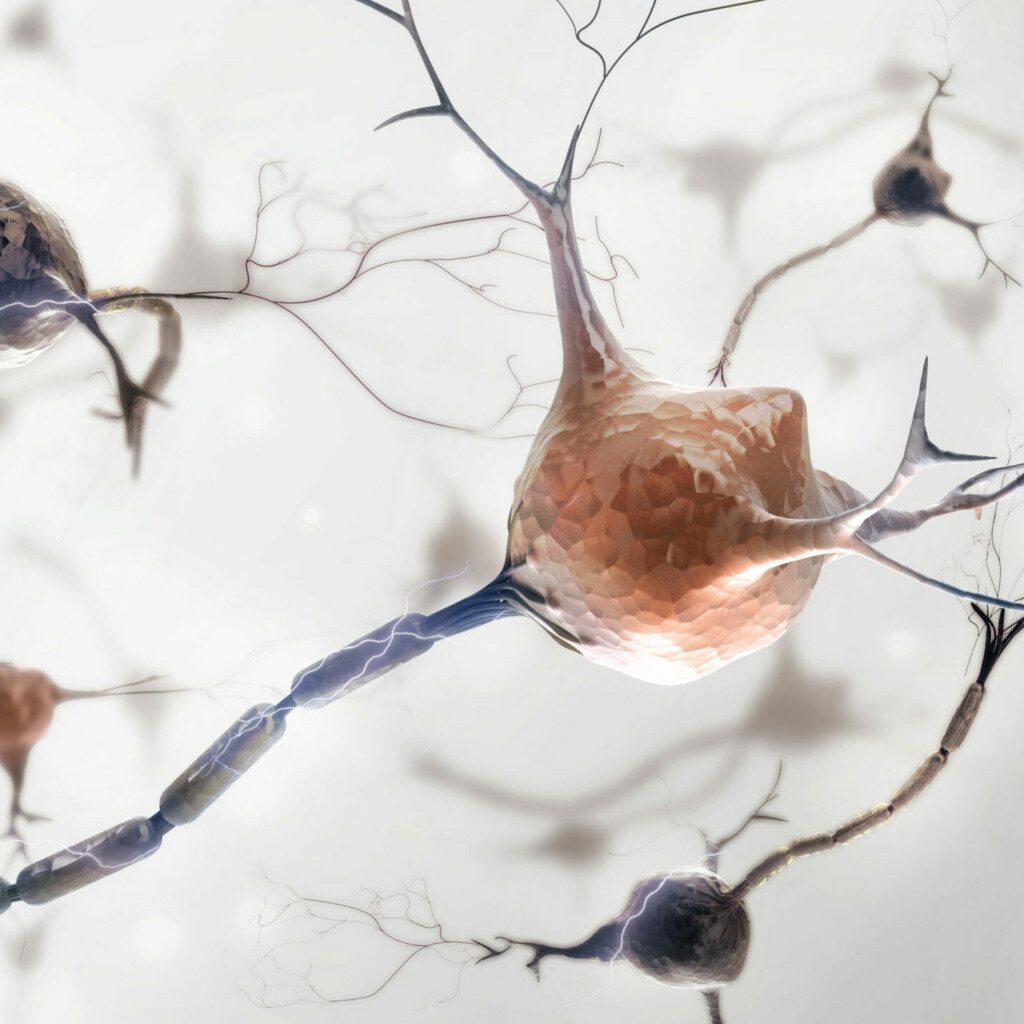
Arsenicum album
Anemia and chlorosis. Degenerative changes. Gradual loss of weight from impaired nutrition. Unable to lie down; fears suffocation. Air-passages constricted. Asthma worse midnight. Burning in chest. Suffocative catarrh. Cough worse after midnight; worse lying on back. Expectoration scanty, frothy. Darting pain through upper third of right lung. Wheezing respiration. Hemoptysis with pain between shoulders; burning heat all over. Trembling, twitching, spasms, weakness, heaviness, uneasiness in extremities. Cramps in calves. Swelling of feet. Sciatica. Burning pains. Peripheral neuritis. Diabetic gangrene. Paralysis of lower limbs with atrophy.
Tachycardia, pain, dyspnea, faintness. Irritable heart in smokers and tobacco-chewers. Pulse more rapid in morning. Dilatation. Cyanosis. Fatty degeneration. Angina pectoris, with pain in neck and occiput.
Urine scanty, burning, involuntary. Bladder as if paralyzed. Albuminous. Epithelial cells; cylindrical clots of fibrin and globules of pus and blood. After urinating, feeling of weakness in abdomen. Bright’s disease. Diabetes. Weakness in small of back. Drawing in of shoulders. Pain and burning in back.
Calcarea carbonica
This great Hahnemannian anti-psoric is a constitutional remedy par excellence. Its chief action is centered in the vegetative sphere, impaired nutrition being the keynote of its action, the glands, skin, and bones, being instrumental in the changes wrought. Increased local and general perspiration, swelling of glands, scrofulous and rachitic conditions. Incipient phthisis. Tickling cough, fleeting chest pains, nausea, acidity and dislike of fat. Gets out of breath easily. A jaded state, mental or physical, due to overwork. Abscesses in deep muscles; polypi and exostoses. Pituitary and thyroid disfunction.
Raised blood coagulability. Is a definite stimulant to the periosteum. Is a hemostatic and gives this power probably to the gelatine injections. Easy relapses, interrupted convalescence. Persons of scrofulous type, who take cold easily, with increased mucous secretions.
Kali phosphoricum
Prostration. Weak and tired. Especially adapted to the young. Marked disturbance of the sympathetic nervous system. Conditions arising from want of nerve power, neurasthenia, mental and physical depression. Drooping of eyelids. Paralysis of the vocal cords. Anxiety, nervous dread, lethargy. Indisposition to meet people. Extreme lassitude and depression. Very nervous, starts easily, irritable. Brain-fag; hysteria; night terrors.
Somnambulance. Loss of memory. Slightest labor seems a heavy task. Great despondency about business. Shyness; disinclined to converse. Incontinence of urine. Paralytic lameness in back and extremities. Exertion aggravates. Pains, with depression, and subsequent exhaustion.
Lycopodium Clavatum
Numbness, also drawing and tearing in limbs, especially while at rest or at night. Heaviness of arms. Tearing in shoulder and elbow joints. One foot hot, the other cold. Chronic gout, with chalky deposits in joints. Profuse sweat of the feet. Pain in heel on treading as from a pebble. Painful callosities on soles; toes and fingers contracted. Sciatica, worse right side. Cannot lie on painful side. Hands and feet numb. Right foot hot, left cold. Cramps in calves and toes at night in bed. Limbs go to sleep. Twitching and jerking. 
Tickling cough. Dyspnea. Tensive, constrictive, burning pain in chest. gradually developing, functional power weakening, with failures of the digestive powers, where the function of the liver is seriously disturbed. Atony. Malnutrition. Mild temperaments of lymphatic constitution, with catarrhal tendencies
Phosphorus
Irritation, inflammation and degeneration of mucous membranes, serous membranes. Inflammation of spinal cord and nerves – causing paralysis. Destroyed bone, especially the lower jaw and tibia. Disorganized blood – causing fatty degeneration of blood vessels and every tissue and organ of the body and thus gives rise to hemorrhages, and hematogenous jaundice.
Destructive metabolism. Yellow atrophy of the liver and sub-acute hepatitis. Loss of animal fluids, with great nervous debility, emaciation, amative tendencies. Great susceptibility to external impressions, to light, sound, odors, touch, electrical changes, thunderstorms. Suddenness of symptoms, sudden prostration, faints, sweats, shooting pains, etc. Polycythemia. Blood extravasations: fatty degenerations, cirrhosis, caries, are pathological states.
Muscular pseudo-hypertrophy, neuritis. Inflammation of the respiratory tract. Paralytic symptoms. Ill effects of iodine and excessive use of salt. Tertiary syphilis, skin lesions, and nervous debility. Scurvy. Pseudo-hypertrophic paralysis. Ataxia and dynamic. Osteo myelitis. Bone fragility.
Pulsatilla Pratensis
The disposition and mental state are the chief guiding symptoms to the selection of Pulsatilla. Sad, crying readily; weeps when talking; changeable, contradictory. Mucous membranes are all affected. Discharges thick, bland, and yellowish green. Often indicated after abuse of allopathic Iron tonics, and after badly managed measles by allopath. Thirstless, peevish, and chilly. Great sensitiveness. Wants the head high. Feels uncomfortable with only one pillow. Lies with hands above head. Involuntary micturition at night, while coughing or passing flatus. After urinating, spasmodic pain in bladder.
Capricious hoarseness; comes and goes. Dry cough in evening and at night; must sit up in bed to get relief; and loose cough in the morning, with copious mucous expectoration. Pressure upon the chest and soreness. Great soreness of epigastrium. Urine emitted with cough. Pain as from ulcer in middle of chest. Expectoration bland, thick, bitter, greenish. Short breath, anxiety, and palpitation. Smothering sensation on lying down.
Drawing, tensive pain in thighs and legs, with restlessness, sleeplessness and chilliness. Pain in limbs, shifting rapidly; tensive pain, letting up with a snap. Numbness around elbow. Hip-joint painful. Knees swollen, with tearing, drawing pains. Boring pain in heels toward evening; suffering worse from letting the affected limb hang down. Veins in forearms and hands swollen. Feet red, inflamed, swollen. Legs feel heavy and weary.
Natrum muriaticum
Great debility: most weakness felt in the morning in bed. Constrictive sensation throughout the body. Great weakness and weariness. Oversensitive to all sorts of influences. Hyperthyroidism. Psychic causes of disease; ill effects of grief, fright, anger, etc. Depressed, particularly in chronic diseases. Consolation aggravates. Irritable; gets into a passion about trifles. Awkward, hasty. Wants to be alone to cry. Tears with laughter. Eyelids heavy. Muscles weak and stiff. Letters run together. Sees sparks. Fiery, zigzag appearance around all objects. Asthenopia due to insufficiency of internal recti muscles. 
Numbness, tingling of tongue, lips, and nose. Vesicles and burning on tongue. Cough from a tickling in the pit of stomach, accompanied by stitches in liver and spurting of urine. Stitches all over chest. Cough, with bursting pain in head. Shortness of breath. Tachycardia. Sensation of coldness of heart. Heart and chest feel constricted. Fluttering, palpitating; intermittent pulse. Heart’s pulsations shake body. Intermits on lying down.
Pain in back, with desire for some firm support. Every movement accelerates the circulation. Palms hot and perspiring. Arms and legs, but especially knees, feel weak. Hangnails. Dryness and cracking about fingernails. Numbness and tingling in fingers and lower extremities. Ankles weak and turn easily. Painful contraction of hamstrings. Cracking in joints on motion. Coldness of legs with congestion to head, chest, and stomach.
Silicea Terra
Imperfect assimilation and consequent defective nutrition. It goes further and produces neurasthenic states in consequence, and increased susceptibility to nervous stimuli and exaggerated reflexes. Diseases of bones, caries and necrosis. Organic changes. Periodical states; abscesses, quinsy, headaches, spasms, epilepsy, feeling of coldness before an attack. Keloid growth. Side effects of vaccination. Suppurative processes. Ripens abscesses since it promotes suppuration.
Sciatica, pains through hips, legs and feet. Cramp in calves and soles. Loss of power in legs. Tremulous hands. Paralytic weakness of forearm. Affections of fingernails, especially if white spots on nails. Ingrowing toenails. Icy cold and sweaty feet. The parts lain on go to sleep. Offensive sweat on feet, hands, and axillae. Sensation in tips of fingers, as if suppurating. Pain in knee. Calves tense and contract. Pain beneath toes. Soles sore. Soreness in feet from instep through to the sole. Suppurates.
P. S: This article is only for doctors and students having good knowledge about Homeopathy and allopathy.

For proper consultation and treatment, please visit our clinic.
 Dr. Sayyad Qaisar Ahmed (MD {Ukraine}, DHMS), Abdominal Surgeries, Oncological surgeries, Gastroenterologist, Specialist Homeopathic Medicines.
Senior research officer at Dnepropetrovsk state medical academy Ukraine.
Location: Al-Haytham clinic, Umer Farooq Chowk Risalpur Sadder (0923631023, 03119884588), K.P.K, Pakistan.
Find more about Dr Sayed Qaisar Ahmed at:
https://www.youtube.com/Dr Qaisar Ahmed