

Ramsay Hunt syndrome happens when shingles affects nerves in our face close to either one of our ears. Ramsay Hunt syndrome, or herpes zoster oticus, is when shingles affects either ear. A shingles rash near the facial nerves by our ears can cause other complications, including facial paralysis and ear pain. When this happens, it’s called Ramsay Hunt syndrome.
Ramsay Hunt syndrome happens when shingles causes inflammation in one of your cranial nerves. A person can only develop shingles and Ramsay Hunt syndrome if he/she previously had exposure to chickenpox. Shingles occurs when the virus that causes chickenpox, the varicella-zoster virus (VZV), reactivates in the body. This typically happens when our immune system weakens.
A person may have Ramsay Hunt syndrome if he/she has shingles on face on the inside, outside, or around the ear. In some cases, the rash can also appear in mouth, especially on the roof of mouth or the top of throat. In other cases, patient may not have a visible rash but still have some paralysis in face. When face is paralyzed, the muscles may feel harder or impossible to control, as if they’ve lost their strength.
Ramsay Hunt syndrome can cause symptoms that include:
- facial muscle paralysis on the side of the face affected by the rash,
- pain in affected ear,
- neck pain,
- tinnitus (ringing noise in ear),
- hearing loss,
- trouble closing the eye on the affected side of face,
- decreased sense of taste,
- vertigo,
- slightly slurred speech.
Learn more about shingles on the face.
Diagnosis
How is Ramsay Hunt syndrome diagnosed?
A doctor typically diagnoses Ramsay Hunt syndrome after carrying out a physical exam and taking medical history. Perform tests if the cause of symptoms is not clear or to determine the extent of patient’s nerve damage. These can include:
- a biopsy or fluid sample from the rash,
- a blood test,
- imaging tests, such as an MRI,
- electrodiagnostic testing to create images of your nerves.
Allopathic treatment for Ramsay syndrome
Treatment for Ramsay Hunt syndrome usually involves antiviral medications in combination with a high dose of corticosteroids, such as prednisone. Once doctor suspects advise antiviral medicines such as acyclovir (Valtrex, Zovirax) to treat the disease. They may also prescribe drugs for the pain.

Therapy with intravenous acyclovir (10 mg/kg or 500 mg/m2 every 8 hours for 7–10 days) should be initiated at the first sign of infection. A switch to oral antiviral therapy (acyclovir, valacyclovir, or famciclovir) can be considered when the patient is afebrile and new lesion formation has ceased. When feasible, the dosage of immunosuppressive medications should be temporarily reduced in immunosuppressed patients with Ramsay syndrome.
Despite the lack of data from large-scale controlled trials, the safety and efficacy of intravenous acyclovir have led to its acceptance as the drug of choice for varicella in severely immunocompromised patients.
Oral antiviral therapy may be efficacious in modestly immunocompromised patients (e.g., those with solid tumor malignancies or a low-dose corticosteroids), but prospectively acquired data are limited.
Tropical
There are a variety of topical treatments, including topical acyclovir 5% cream, lidocaine, and capsaicin. Capsaicin applied at least 5 times a day, depletes neurotransmitters at involved nerve endings. Topical lidocaine also can be used.
For acute infection, a good approach is wet-to-dry dressings with sterile saline solution or Burow solution (5% aluminum acetate dissolved in water), which should be applied to the affected skin for 30-60 minutes 4-6 times daily. The acyclovir cream often is applied 5 times a day for 4 days. Calamine lotion {zinc oxide with 0.5% iron (III) oxide}, may be used as an antipruritic agent. Calamine also is used as a mild antiseptic to prevent infections that can be caused by scratching the affected area, as well as an astringent for weeping or oozing blisters. Topical ozone therapy may be beneficial in diminishing pain and shortening the course, but of course with many adverse effects.
Antiviral agents
For the allopathic treatment of viral infections in immunocompetent individuals, oral antiviral agents are the cornerstone of allopathic therapy. Recommended particularly for patients aged 50 years and older, those with moderate to severe pain or rash, and individuals with non-truncal involvement, these medications are crucial in managing the viral infection effectively. Patients younger than 50 years with mild symptoms and truncal involvement also should consider oral antivirals to prevent the development of postherpetic neuralgia (PHN).
Among the preferred antivirals, Brivudine, famciclovir, and valacyclovir are better than acyclovir. It is essential to initiate antiviral therapy within 72 hours of the onset of the rash to maximize its effectiveness, although treatment still may be beneficial for those presenting later if they experience severe symptoms or complications. Famciclovir or valacyclovir should be administered for 7-10 days
📢 Acyclovir and its derivatives (valacyclovir, famciclovir, penciclovir, and desciclovir), are banned in many countries for their sever and lifelong side effects. 
Corticosteroids
For immunocompetent individuals experiencing moderate to severe pain from Ramsay Hunt syndrome that does not adequately respond to initial therapies, corticosteroids such as prednisone may be added to the treatment regimen. These steroids are particularly considered when patients exhibit severe inflammatory symptoms or when other allopathic pain management strategies fail to provide relief. Corticosteroid can be used alone or in combination with other treatments such as gabapentin, pregabalin, or tricyclic antidepressants. However, their use should be carefully managed due to potential side effects, and treatment should be tailored to the individual’s specific health profile and response to other treatments.
Agents for pain control
Effective pain management is critical in the treatment of Ramsay Hunt syndrome, varicella and herpes zoster. For mild to moderate pain, acetaminophen or an NSAIDs may be sufficient, and these can be used alone or in combination with weaker opioids such as codeine or tramadol
In cases of moderate to severe pain, stronger opioids like oxycodone or morphine are recommended. If pain persists despite opioid treatment, additional medications such as gabapentin or pregabalin, tricyclic antidepressants (especially nortriptyline), or corticosteroids may be considered.
Tips for living with shingles
Allopathy has not any effective antiviral that’s why allopath often recommends accepting the problem and live with it for rest of life. Allopathic doctors recommend their patients that they you’ll need to adjust their lifestyle while he/she is recovering from the condition; and advise these ways to live with shingles:
- Make sure to rest, eat balanced meals, and relax so you can heal faster.
- Wear comfortable, loose-fitting clothes.
- Try easy exercise as directed by a doctor.
- Find relaxing activities to do while healing, such as watching TV, reading books, or participating in low-key hobbies.
Homeopathic treatment for Ramsay Hunt syndrome
Homeopathic Vaccination for varicella Zoster
All vaccines are Homeopathic medicine not allopathic, said Dr. Qaisar Ahmed MD, DHMS. 
Vaccine, suspension of weakened, killed, or fragmented microorganisms or toxins or other biological preparation, such as those consisting of antibodies, lymphocytes, or messenger RNA (mRNA), that is administered primarily to prevent disease.
Vaccine Invention
The very first vaccine (According to the world first Materia medica “Pen-Ts’ao” written in 2700BC by orders of king “Shen-Nung”.) experiment did by chines doctors (herbalists/Ayur-Vedas) There are dozens of Homeopathic medicines for smallpox and antivirals beneficial for smallpox, chickenpox, varicella zoster, shingles etc. These Homeopathic antiviral medicines can cure not only chickenpox but will completely remove the varicella virous from body forever without any side effects. These medicines not only slow down the viral activity which will allow one’s body’s immune system to destroy the virus and heal faster itself, but they act as antivirals too.
History of Homeopathy
Homeopathy or ” similar therapy” is a phylum of ” alternative medicines” is belonging to 7000 years ago. Hippocrates (350 -460 BC), had used homeopathic remedies to cure his patients and he believed, we should cure similar with similar (Salehi, 2011). Jalinus (130 -200AC) was a famous anatomist, physiologist and homeopath. His books were used to cure the patients during about 1000 years. Samuel Hahnemann was a German physician and chemist; he proved some of the homeopathic remedies on him and established the symptoms in the books: “organon of medicines” is about the philosophy of homeopathy and “rules of homeopathy” (1805), “chronic diseases” and “Materia medica pura”.
Homeopathic Vaccines & Treatments
Homeopathic Vaccine for Varicella family like: Chickenpox, Morbilli/Measles, varicella zoster, Herpes Zoster and some Homeopathic anti-viral medicines:
Morbillinium
A good antiviral Homeopathic medicine. As a prophylactic (vaccine) given to those who are, or may be, exposed to infection, I prescribe a dose of the 200th twice or thrice daily (Dr Qaisar Ahmed MDM, DHMS). For an attack of a viral disease, I find nothing better than Morbillinium. 200, eight or ten globules in six ounces of water, a tablespoon every two hours. The effect of this is heightened by giving alternately Belladonna in the same way. These two medicines will be sufficient to carry through any uncomplicated case, and in my experience do even better than Pulsatilla. As the viral poison has a great affinity for the mucous passages, the eyes, the ears and the respiratory mucous membranes.
Variolinum
Variolinum 1M/10M or CM for prophylactic and for vaccination purpose – single dose is enough. In 2023 a study published in International Journal of research studies proves efficacy of Variolonum in Ramsay Hunt syndrome, smallpox, chickenpox, Varicella zoster virus (VZV) and shingles.
Other symptoms are – exanthema of sharp, pointed pimples, usually small, seldom large and suppurating, dry, resting on small red areolae, frequently interspersed with spots of red color, sometimes severe itching. Petechial eruptions. Var. 1m in water every two hours, given on third day of eruption of a confluent case cut short the attack. Shingles.
Fever very severe, commencing with chills running down back like streams of cold water, causing shivering and chattering of teeth. Hot fever with no thirst. Very profuse and bad-smelling sweat.
Prophylactic variolinum-6x is proven by Dr. Burnett. For treatment 1M or higher Dr. Qaisar Ahmed MD, DHMS.
Note: Never advise Variolinum to the patients with weak immune system especially in lower potencies. Dr. Qaisar Ahmed MD, DHMS, Is. Jurisprudence.
Hepar Sulph
Abscesses: suppurating glands are very sensitive. Papules prone to suppurate and extend. Acne in youth. Suppurate with prickly pain. Easily bleed. Angio-neurotic edema. Unhealthy skin: every little injury suppurates. Chapped skin, with deep cracks on hands and feet. Ulcers, with bloody suppuration, smelling like old cheese. Ulcers very sensitive to contact, burning, stinging, easily bleeding. Sweats day and night without relief. “Cold sores” very sensitive. Cannot bear to be uncovered; wants to be wrapped up warmly. Sticking or pricking in afflicted parts. Putrid ulcers, surrounded by little pimples. Great sensitiveness to slightest touch. Chronic and recurring urticaria. Monkeypox. Smallpox. Herpes circinate. Constant offensive exhalation from the body.
Natrium Sulphuricum
Itching while undressing. Jaundiced, watery blisters. Sycotic excrescences; wart-like red lumps all over body. Monkeypox.
Medorrhinum
Yellowness of ski, Intense and incessant itching (and pricking) all over (back, vagina, labia etc). Fiery red band passing down neck, back, and perineum, and involving genitals and pubes. Fiery red rash about anus in babies the water/wetting scalds it terribly. Herpes zoster or shingles.
Scald-head. Tinea capitis, eyelids involved. Copper-colored spots (syphilitic) remaining after eruptions, thin yellow-brown and detach in scales, leaving skin clear and free. Small pedunculated warts, with pinheads, like small button mushrooms, on various parts of body and thigh. Favus. Fetid odor of body. Pains along urethra while urinating, drawing burning. (Suppressed gonorrhea).
Aconitum Napellus
Amaurosis, Anger, Apoplexy, Asthma, Bronchitis, Catalepsy, Catheter fever, Chest affections, Chickenpox, Monkeypox, Smallpox, Enteritis, Erythema nodosum, Excitement, Eye affections, Face flushing. Fear and its effects. Glands swollen. Glossitis. Hodgkin’s disease. Hyperpyrexia. Influenza. Jaundice.
Measles, Miliaria, Mumps, Esophagus inflammation, Pleurisy, Puerperal fever. Purpura. Quinsy. Remittent fever. Roseola. Scarlatina or scarlet fever. Shivering. Sleeplessness, Tetanus. Tetany. Thirst. Throat affections. Tongue/mouth affections, Traumatic fever. Urethra, spasmodic stricture, Urethral fever. Urine, suppression of. Uterus prolapsus. Vaccination side effects, Yawning. Yellow fever.
Bryonia Alba
Bryonia should be advise in first stag; Symptoms are: Aphthae. Apoplexy. Asthma. Bilious attack. Breast, inflamed. Bronchitis. Cancer, Chlorosis. Constipation. Consumption. Coryza. Cough.
Eczema. Enteric fever. Eruptions. Gastroenteritis. Hemorrhages. Hands, swollen. Headache. Heart inflammation. Influenza. Intermittent fevers. Jaundice. Joints, pain in. Lactation, Liver malfunctioning.
Lumbago. Measles, Monkeypox, Smallpox, Scarlatina/scarlet fever, Pleurisy, Suppressed eruptions and their bad effects. Meningitis. Menstruation, vicarious. Miliaria. Milk fever. Myalgia. Nephritis. Nosebleed. Peritonitis. Phlegmasia alba dolens. Pleurodynia.
Morning cough, Puerperal fever. Pyuria. Relapsing fever. Remittent fever. Rheumatism. Screaming. Side, pain in. Sleep, anxious dreams in. Spina bifida. Stiff neck. Thirst. Tongue, coated. Toothache. Trachea, pain in. Vertigo. Waking, starts and screams on. Water-brash. Whooping-cough. Yellow fever.
Sulphur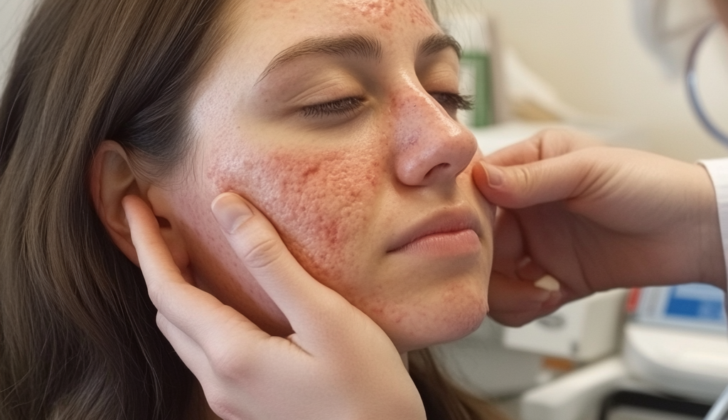
Acne. Adenoids. Ague. Anemia. Anus, prolapse of. Asthma. Atelectasis. Bedsores. Biliousness. Boils. Catarrh. Chagres fever. Chancre. Cheloid. Consumption. Corns. Cough. Crusta serpiginosa. Dental fistula. Diabetes. Diarrhea. Dysentery. Eczema. Eruptions. Eyes affections. Freckles. Ganglion. Gland’s affections. Gleet. Headache. Herpes. Influenza. Intermittent. Irritation. Itch. Jaundice. Lupus. Monkeypox.
Nettle Rash. Rectum affections. Skin affections. Ulcers. Urticaria. Vaccination. Warts. White swelling.
Apis Melifistida
Abscess, Apoplexy. Carbuncle. Chancre. Dissection wounds. Dropsy. Erysipelas. Erythema nodosum. Eyes affections; optic neuritis. Feet burning. Gangrene. Hands swelling. Injuries. Intermittent fever. Irritation. Labial inflammation.
Punctured wounds. Scarlatina, Monkeypox, Smallpox. Self-abuse. Suppressed eruptions and their effects. Sycosis. Syphilis. Throat, sore. Tongue edema; ulceration of. Trachea, irritation of. Tumors. Typhus. Urethritis. Vaccination. Varicose veins. Variola. Wounds.
Antimonium Tartaricum
Similarity of the smallpox pustule to those produced by Tartar emetic (Monkeypox). Hughes recognizes it almost as a routine agent. Vesication and pustulation.
Asphyxia neonatorum. Chickenpox, Smallpox, Monkeypox. Cholera morbus. Coccygodynia. Cough. Group. Delirium-Tremens. Dyspepsia. Ecthyma. Eyes, inflamed. Impetigo. Intermittent fever. Laryngitis.
Lumbago. Myalgia. Paralysis agitans. Ramsay Hunt syndrome. Plica-polonica. Psoriasis. Rheumatism. Ringworm. Screaming. Stiff neck. Sycosis. Synovitis. Taste, altered. Thirst. Tongue, coated. Tremors. Varioloid. Vomiting. Whooping-cough.
Thuja Occidentalis
Boenninghausen employed this remedy with success and believed it to be the best curative and preventive agent in smallpox, Monkeypox and Chickenpox. It suits especially the eruptive stage, with milky, flat, painful and offensive pustules upon a dark inflamed area. Variola.
Vaccinum
Vaccine poison is capable of setting up a morbid state of extreme chronicity, named by Burnett Vaccinosis, symptoms like those of Hahnemann’s Sycosis. Neuralgias, inveterate skin eruptions, chilliness, indigestion with great flatulent distension. Irritable, impatient ill-humored, nervous.
Inflamed and red lids. Skin hot and dry. Pimples and blotches. Eruption like variola.
Arsenicum Album
Desquamation of the skin of the body. Skin dry as parchment, cold and bluish. Yellowish/pale skin. Shootings, hot itching, and violent burning in the skin. Reddish or bluish spots in the skin. Petechiae. Inflamed spots, as from morbilli, chiefly in the head, face, and neck.
Miliary eruptions, red and white. Conical pimples, whitish or reddish, with burning itching. Nettle Rash. Eruption of painful black pustules, sometimes itchy pimples, small and tickling. Eruption of small red pimples, which increase and change into gnawing ulcers, covered with a scurf. Vesicular eruptions.
Herpes, with vesicles, and violently burning, especially at night, or with coverings, like fish-scales. Skin jaundiced; general anasarca; black blisters. Pustules filled with blood and pus. Tetters spots, covered with phlyctenules and furfur, with burning nocturnal pains.
Ulcers with raised and hard edges, surrounded by a red and shining crown; with the bottoms like lard, or of a blackish blue color, with burning pains or shooting, principally when the parts affected become cold. Ulcers, hard on the edges, stinging, burning spongy; with proud flesh; turning black; flat; pus thin, ichorous (cancers), Fetid smell, ichorous suppuration, ready bleeding, putridity, and bluish or greenish color of the ulcers.
Thin crusts or proud flesh on the ulcers. Want of secretion in the ulcers. Carbuncles (burning). Inflammatory tumors with burning pains. Warts. Ulcers inform of a wart. Chilblains. Varices. Discolored nails.
Lachesis
Ecchymosis: wounds and ulcers bleed readily and copiously (small wounds bleed a good deal; ulcers bleed readily; cicatrices bleed readily; pain in old cicatrices), wounds bleeding a great while; skin very hard to heal, masses of blood pass through the pores. 
Varicose swellings. Dropsical swelling over whole body. Hard and pale tumefaction. Skin yellow, green, lead-colored, or bluish-red or blackish, chiefly round the wounds and ulcers. Yellow, red, copper-colored spots. Pale, livid spots, with fainting fits. Dry, miliary itch, with eruption of large vesicles of a yellow or of a bluish black color, with swelling of parts affected, and pains which drive to despair.
Miliary eruption, which subsequently resembles nettle-rash, scarlatina, or morbilli. Erysipelas and vesicular eruptions with a red crown. Excoriated places, on touching which a burning pain is felt. Rupia and other skin affections, with angioleucitis (Cooper).
Ulcers, surrounded by pimples, vesicles, and other small ulcers (on a purple skin). Ulcers with great sensitiveness to touch, uneven bottom, ichorous, offensive discharge when touched, especially around the lower extremities.
Gangrenous ulcers. Gangrenous blisters. Superficial ulcers, foul at bottom, with a red crown. Cancerous ulceration (of wounds), or putrefaction of the flesh, which becomes detached from the bones, and falls off piecemeal. Gangrenous wounds, with inflammatory fever, weak, quick, and intermittent pulse, fainting nausea, spasmodic and bilious vomiting, convulsions, and cold sweats. Papule, warts, hard swellings.
Panaris. Red and itching lumps and tuberosities. Carbuncles, with copper-colored surroundings and many smaller boils around them. Flat exanthemata which do not fill up; pustulous exanthemata; spongy excrescences.
Crotalus Horridus
Swelling and discoloration, skin tense and shows every tint of color, with excruciating pain. Vesication. Sallow. Yellow color of the whole body. Great sensitiveness of skin of right half of body. Purpura hemorrhagic. Hemorrhage from every part of body. Bloody sweat. Chilblains, felons. Dissecting wounds. Pustular eruptions. Insect stings. Post-vaccination eruptions. Bad effects of vaccination. Lymphangitis and septicemia. Boils, carbuncles, and eruptions are surrounded by purplish, mottled skin and oedema. Anthrax. Sore sensation relieved by pressure.
Baptisia
Great burning and heat in skin; Livid spots over body and limbs. Eruption like measles or urticaria. Confluent smallpox, Monkeypox, tardy eruption. Foul, gangrenous, eating syphilitic sores.
Anacardium Orientale
Intense itching, eczema, with mental irritability; vesicular eruption; swelling, urticaria; eruption like that of Poison-Oak (Xerophily; Grindel; Croton). Lichen planus; neurotic eczema. Warts on hands. Ulcer formation on forearm.
Sarracenia
Polyctenid herpes. Psoriasis. Scrofulous eruptions. Variola; (the decoction taken when eruption is out and beginning to pustulate aborts secondary fever and prevents pitting). Monkeypox. 
Eruption out, pustules dissipate, first on face, fever lessens, urine though scanty and dark becomes abundant and pale, strength returns. Eruptions similar to crusta lactea; on forehead and hands papular eruptions, changing to vesicular, with the depression as in smallpox lasting from seven to eight days.
Hydrastis Canadensis
Small-pox internally and locally. The power of Hydrastis over smallpox seen in modifying the disease, abolishing its distressing symptoms, shortening its course, lessening its danger and greatly mitigating its consequences.
Petroleum
Petroleum acts on sweat and oil glands, symptoms worse during the winter season.
Burning pain, itching, redness, excoriation, and oozing, or itching pimples and tatters, on scrotum and between scrotum and thigh. Diminished sexual desire, frequent nocturnal discharges. Discharge of prostatic fluid (Prostatitis), weakness and nervous irritability after coition. Reddish eruption on glans, with itching. Herpes zoster or shingles.
In female patients, Catamenia too early, with a menstrual flux which excites itching. Leucorrhea like egg white, Leucorrhea with lascivious dreams.
During pregnancy diarrheas and vomiting. Itching and furfur on the mammie; the nipples itch and have a mealy coating.
Nitric Acidium
Skin dryness, Itching nettle-rash, especially in open air. Blackness of pores, brown spacelabs, reddish brown spots and deep-colored aphelia on skin. Copper or violet-colored spots. Itching titters, pimples, or exanthema in general; stinging exanthema, corns on feet with pain. Herpes zoster or shingles.
Large furunculi. Mercurial ulcers. Carious ulcers with burning pains (especially when they are touched) and bleed easily. Condyloma moist, like cauliflower, hard, rhagade, or in thin pedicles. Tightness of skin. Swelling of glands, warts, wens.
Male Sexual Organs and Nitric Acidium
Violent itching in genital organs, falling off of hair from parts, excoriation between scrotum and thighs. Red spots covered with scabs on prepuce. Small, itching vesicles on prepuce, bursting soon and forming a scurf. Secretion behind glans, as in gonorrhoeic Bolani. Swelling, inflammation of prepuce, and phimosis. Para phimosis. Ulcers, like Cancers (after Mercury; especially with exuberant granulations), on prepuce and glans (with pricking, stinging pains).
Deep, fistulous, irregular, ragged ulcers on the glans, with elevated, lead-colored, extremely sensitive edges. Syphilis; secondary syphilis. Excrescences, like sycosis, on prepuce and glans, with smarting pain and bleeding when touched, with oozing of a fetid and sweetish pus. Red, scurfy spots on the corona glandes. Herpes zoster or shingles.
Relaxation of testes. Inflammatory swelling of testes, with painful drawing of the spermatic cord, as far as side of abdomen.
Absence of sexual desire and of erections. Great lasciviousness, with copious discharge of prostatic fluid. Painful, and almost spasmodic, nocturnal erections. Frequent nocturnal emissions.
Female Sexual Organs and Acidium Nitricum
Itching, burning pain, and sensation of dryness in vulva, great failing off genital hairs. Stitches up vagina, or from without inward, when walking in open air. Violent stitches in vagina. Excoriations in vulva between thighs, Ulcer, with burning itching in vagina. Excrescences on vaginal portion of uterus as large as lentils; great voluptuousness of mucous membrane in genitals after coitus. Uterine hemorrhages from overexertion of body. Metrorrhagia, a principal remedy. Coffee-ground, offensive discharge from uterus at climaxes, or after labor.
Hard nodosities on breast. Atrophy of breasts, chapping of the skin, or cracks may extend deeply into the tissues, brown spacelabs, titters, ulcers suppurating, with copious pus. Herpes zoster or shingles. Dry and itching eruptions, like scabies, brown, or vinous, or else reddish, and herpetic spots on skin. Annular desquamation (annular herpes). Moist, scabious herpes, with itching and burning sensation.
Lycopodium Clavatum
Ulcerates. Abscesses beneath skin. Hives; worse, warmth. Violent itching; fissured eruptions. Acne. Herpes zoster or shingles. Chronic eczema associated with urinary, gastric and hepatic disorders, bleeds easily. Skin becomes thick and indurated. Varicose veins, naevi, erectile tumors. Brown spots, freckles worse on left side of face and nose. Dry, shrunken, especially palms; hair becomes prematurely gray. Dropsies. Offensive secretions; viscid and offensive perspiration, especially of feet and axilla. Psoriasis.
Sepia Officianalis
Homeopathic medicines for genital herpes have burning itching, humid or scurfy herpes preputial; choppy herpes, with a circular desquamation of skin. Herpes zoster or shingles. Eruptions on glans and labia; indolent Cancers; itching and dry eruptions on genitals, condyloma; chancres on glans and prepuce.
Hard nodosities on breast. Atrophy of breasts, chapping of the skin, or cracks may extend deeply into the tissues, brown spacelabs, titters, ulcers suppurating, with copious pus.
Dry and itching eruptions, like scabies, brown, or vinous, or else reddish, and herpetic spots on skin.
Annular desquamation (annular herpes). Moist, scabious herpes, with itching and burning sensation.
Sarsaparilla
Herpes and offensive sweat about genitals; the skin lies in folds; eruptions are prone to appear in spring, their base inflamed, the crusts detach readily out of doors and the adjoining skin becomes chapped.
Emaciated, shriveled, lies in folds, dry, flabby. Herpetic eruptions; ulcers. Rash from exposure to open air; dry, itching; comes on in spring; becomes crusty. Rhagades; skin cracked on hands and feet. Skin hard, indurated. Herpes zoster or shingles. Intolerable stench on genitals. Herpetic eruption on genitals. Itching on scrotum and perineum. Nipples small, withered, retracted. Before menstruation, itching and humid eruption of forehead. Menses late and scanty. Moist eruption in right groin before menses.
Abrotanum
Eruptions come out on face; are suppressed, and the skin becomes purplish. Skin flabby and loose. Furuncles. Falling out of hair. Itching chilblains. Herpes zoster or shingles. 
Natrum muriaticum
Greasy, oily, especially on hairy parts. Dry eruptions, especially on margin of hairy scalp and bends of joints. Fever blisters. Urticaria; itch and burn. Crusty eruptions in bends of limbs, margin of scalp, behind ears. Warts on palms of hands. Eczema; raw, red, and inflamed; worse, eating salt, at seashore. Affects hair follicles. Alopecia. Hives, itching after exertion. Greasy skin.
Natrium Muriaticum for Male Sexual Organs
Itching, titters, and excoriation between scrotum and thighs. Itching and stinging on glans and scrotum., secretion behind glans, like gonorrhoeic Bolani. Phimosis.
Excessive excitement of genital organs, and of the amative feelings; or dullness of sexual desire. Want of energy during coition. Impotence. Pollutions after coition. Strong fetid odor from genital organs. Hydrocele. Loss of hair from pubes.
Natrium Muriaticum for female Sexual Organs
Prolapses uteri with aching in loins, itching in genital organs, Repugnance to coition – Coition are painful from dryness of vagina; burning smarting during; in anemic women with dry mouth and dry skin. Leucorrhea – Acrid (greenish) increased discharge when walking. Abundant discharge of transparent, whitish, and thick mucus from vagina.
Vulvitis with falling off of hair. Itching of external parts with falling off of hair. Pimples on mons veneris. Child refuses breast; nursing sore mouth. Lancinating pains in breasts. Stitches beneath nipples (Breasts sensitive to slightest touch).
Causticum
Herpes zoster or shingles. Soreness in folds of skin, back of ears, between thighs. Warts large, jagged, bleeding easily, on tips of fingers and nose. Old burns that do not get well, and ill effects from burns. Pains of burns. Cicatrices freshen up; old injuries reopen. Skin prone to intertrigo during dentition.
Graphitis
Obstinate dryness of the skin, absence of perspiration. Red spots on the skin, like fleabites. Erysipelatous inflammations, vesicular erysipelas, like zona, on the abdomen and on the back. Itching of the varices on the lower limbs. Itching-stinging on the surface of a mole.
Herpes zoster or shingles. Eruptions oozing out a thick honey-like fluid. Titters are humid, scabby eruptions, sometimes with secretion of corrosive serum, or with itching in the evening, and at night. Eruption of pimples and nodules (principally under hair and on covered parts) which itch very much. Swelling and induration of the glands.
Encysted tumors, Corrosive nodules. Excoriation of the skin (in the bends of the limbs, groins, neck, behind the ears), especially in children, Proud flesh, and fetid pus, in ulcers, with tearing pains, burning, and shooting. Scrofulous and syphilitic ulcers. Burning pain in an old cicatrix. Deformity and thickness of the nails.
Male Sexual Organs and Graphitis
Tension and cramp-like pains in the genital parts, with troublesome voluptuous ideas. Eruption of pimples on the prepuce, and on the penis. Dropsical swelling of the prepuce and the scrotum.
Female Sexual Organs and Graphitis
Great aversion to coitus. Vesicles and pimples on the vulva, Excoriation on the vulva and between the thighs. Soreness of the vagina. 
Cutting pains on the appearance of the catamenia and during the catamenia, flow of blood from the anus, pains in the limbs, ulcers become worse, swelling of the cheeks or of the feet, catarrh, with hoarseness and coryza, toothache, Painful sensibility and excoriation of the breasts, with eruption of running phlyctenule. Obstruction and induration of the mammary glands. Hard cicatrices remaining after mammary abscess.
Hepar sulph
Abscesses: suppurating glands are very sensitive. Papules prone to suppurate and extend.
Ulcers/acne in youth. Suppurate with prickly pain, easily bleed. Herpes zoster or shingles. Unhealthy skin: every little injury suppurates. Chapped skin, with deep cracks. Ulcers, with bloody suppuration, smelling like old cheese and are very sensitive to contact, burning, stinging, easily bleeding.
Sweats day and night without relief. “Cold sores” very sensitive, Sticking or pricking in afflicted parts. Putrid ulcers, surrounded by little pimples. Great sensitiveness to slightest touch. Chronic and recurving urticaria. Smallpox. Herpes Cincinnatus. Herpes zoster or shingles. Constant offensive exhalation from the body.
Male
Herpes, sensitive, bleed easily. Ulcers externally on prepuce similar to chancre. Excitement and emission without amorous fancies. Itching of glans, frenum, and scrotum. Suppurating inguinal glands. Figworts with offensive odor. Humid soreness on genitals and between scrotum and thigh. Obstinate gonorrhea.
Female
Discharge of blood from uterus. Itching of pudenda and nipples, worse during menses. Menses late and scanty. Abscesses of labia with great sensitiveness. Extremely offensive leucorrhea. Smells like old cheese. Profuse perspiration at the climacteric.
Merc solubilis
Vesicular and pustular eruptions. Ulcers, irregular in shape, edges undefined. Pimples around the main eruption. Itching, worse from warmth of bed. Crusta lactea; yellowish-brown crusts, considerable suppuration. Herpes zoster or shingles. Glands swell every time patient takes cold. Buboes. Orchitis
Vesicles and ulcers; soft chancre. Cold genitals. Prepuce irritated, itches. Nocturnal emissions, stained with blood.
Menses profuse, with abdominal pains. Leucorrhea excoriating, greenish and bloody; sensation of rawness in parts. Stinging pain in ovaries. Itching and burning; worse, after urinating; better, washing with cold water. Mammie painful and full of milk at menses. 
Kreosotum
Skin. Soft, unnatural feel of skin, with pegged teeth. Violent itching all over body, esp. towards evening, and with burning sensation in arms and legs, after scratching. Burning itching at night, and heat over whole body. Nettle-rash. Eruption, like bug-bites, with violent itching esp. in evening. Large, greasy-looking, pox-shaped pustules over whole body. Herpes zoster or shingles. Mealy and pustular, dry or humid titters (on backs of hands and fingers, in palms, on ears, elbows, knuckles, and malleoli), with violent itching in almost every part of body.
Male Sexual Organs and Kreosotum
Burning in genitals (during coition) and impotence. Prepuce bluish black with hemorrhages and gangrene.
Female Sexual Organs and Kreosotum
Premature catamenia, burning in the parts, Dwindling away of mammie, with small, hard, painful lumps in them. Cramp-like pains in external genitals. Excoriation, with smarting pains between genitals and thighs. Shootings in vagina, as if produced by electricity. Voluptuous itching in vagina. Itching in vagina, inducing rubbing in evening, succeeded by smarting, swelling, heat, and induration of external parts, with soreness in vagina when urinating.
Desire for coition especially in morning, after coition, pain, as of excoriation, and hard knottiness in neck of uterus, or swelling of the genital parts (both male and female) with burning pains (worse in morning than in evening). Herpes zoster or shingles.
After coition discharge of dark blood, the next day. Vaginal Prolapses. Prolapses uteri. Pulling, stitches, and shootings in the mammary glands.
Mezereum
Bones affections, neuralgias. Cutaneous ulcers form over bony protuberances. Liver spots. Contraction of tendons. Red rash, itching violently. Crusta lactea (dry dandruff like crusts in scalp). Ear, affections of; sensitive to air. Erythema. Exostoses. Eyes, affections of. Glands enlarged. Gleet. Skin covered with elevated white scabs. Hematuria. Hernia. Herpes zoster. Miliary eruptions. Irritation. Furunculi. Inflamed ulcers, with burning and shooting, or with gnawing pain. Mercury effects. Neuralgia. Osteoma. Pediculosis. Pityriasis. Vesicles around the ulcers, itching violently and burning. Rheumatism. Scrofula. Syphilis. Tinea capitis. Tinea versicolor. herpes on tongue, swelling of. Ulcers. Vaccination side effects.
Alumen
Tendency to induration of neck of uterus and mammary glands. Chronic yellow vaginal discharge. Chronic gonorrhea, yellow, with little lumps along urethra. Aphthous patches in vagina. Menses watery.
Herpes zoster or shingles. Ulcers, with indurated base. To be thought of in indurated glands, epithelioma, etc; veins become varicose and bleed. Herpes zoster or shingles. Indurations resulting from long-continued inflammatory irritations. Glands inflame and harden. Alopecia, Scrotal eczema and on back of penis. 
Sulphur
Skin dry, scaly, unhealthy; every little injury suppurates. Freckles. Itching, burning; worse scratching and washing. Pimply eruption, pustules, rhagades, hangnails. Excoriation, especially in folds. Herpes zoster or shingles. Feeling of a band around bones. Skin affections after local medication. Pruritus, especially from warmth, in evening, often recurs in spring and in damp weather.
Thuja Occidentalis
Polypi, tubercles, warts epithelioma, naevi, carbuncles; ulcers, especially in Ano-genital region. Freckles and blotches. Perspiration sweetish, and strong. Dry skin, with brown spots. Zona; herpetic eruptions. Tearing pains in glands. Glandular enlargement. Nails crippled; brittle and soft. Eruptions only on covered parts; worse after scratching. Very sensitive to touch. Coldness of one side. Sarcoma; polypi. Brown spots on hands and arms.
Arsenicum Album
Itching, burning, swellings; oedema, eruption, papular, dry, rough, scaly; worse cold and scratching. Malignant pustules. Ulcers with offensive discharge. Anthrax. Poisoned wounds. Urticaria, with burning and restlessness. Psoriasis. Scirrhous. Icy coldness of body. Epithelioma of the skin. Gangrenous inflammations.
Rhus Toxicodendron
Hot perspiration, bluish, purplish appearance. Boils, carbuncles, ulcers, with bluish, purple surroundings. Dark blisters. Bed-sores, with black edges. Blue-black swellings. Pyemia; dissecting wounds. Purpura, with intense prostration. Senile erysipelas. Wens. Cellulitis. Varicose ulcers.
Anacardium Orientale
Intense itching, eczema, with mental irritability; vesicular eruption; swelling, urticaria; eruption. Lichen planus; neurotic eczema. Warts on hands. Ulcer formation on forearm.
Xerophyllum
Erythema, with vesication and intense itching, stinging, and burning. Blisters, little lumps. Skin rough and cracked; feels like leather. Dermatitis, especially around knees. Inflammation resembling poison-oak. Inguinal glands and behind knee swollen.
Grindelia Robusta
Rash, like roseola, with severe burning and itching. Vesicular and papular eruptions. Herpes zoster. Itching and burning. Ulcers, with swollen, purplish skin.
Croton Tiglium
Feels hide-bound. Intense itching: but scratching is painful. Pustular eruption, especially on face and genitals, with fearful itching, followed by painful burning. Vesicles; confluent oozing. Vesicular erysipelas, itching exceedingly. Herpes zoster; stinging, smarting pains of the eruption.
Borax
Skin difficult to heal; dingy, unhealthy-looking skin; every injury tends to ulceration. Erysipelatous inflammations, with swelling and tension of the part affected, and fever. Erysipelatous inflammation on the lower leg, with chilliness, followed by heaviness and pulsation in the head; later, bleeding of the nose. Tendency of old wounds to suppurate. Whitish pimples, with red areola. Herpetic eruptions. Purulent and phagedenic vesicles.
Sepia Officianalis
Herpes circinate in isolated spots. Itching; not relieved by scratching; worse in bends of elbows and knees. Chloasma; herpetic eruption on lips, about mouth and nose. Ringworm-like eruption every spring. Urticaria on going in open air; better in warm room. Hyperidrosis and bromhidrosis. Sweat on feet, worse on toes, intolerable odor. Lentigo in young women. Ichthyosis with offensive odor of skin.
Antimuonium Crudum
Eczema with gastric derangements. Pimples, vesicles, and pustules. Sensitive to cold bathing. Thick, hard, honey-colored scabs. Urticaria; measle-like eruption. Itching when warm in bed. Dry skin. Warts. Dry gangrene. Scaly, pustular eruption with burning and itching, worse at night.
Antimuonium Tartaricum
Pustular eruption, leaving a bluish-red mark. Smallpox. Warts. Fever: Coldness, trembling, and chilliness. Intense temperature. Copious perspiration. Cold, clammy sweat, with great faintness. Intermittent fever with lethargic condition.
Anthracinum
best in epidemic spleen diseases, septic inflammation, carbuncles and malignant ulcers, boils and boil-like eruptions, acne. Terrible burning. Induration of cellular tissue, abscess, bubo, and all inflammation of connective tissue in which there exists a purulent focus.
Tissues: Hemorrhages, black, thick, tar-like, rapidly decomposing, from any orifice. Glands swollen, cellular tissues edematous and indurated. Septicemia. Ulceration, sloughing and intolerable burning. Erysipelas. Black and blue blisters. Dissecting wounds. Bad effects from inhaling foul odors. Gangrenous parotitis. Succession of boils. Gangrene. Foul secretions.
Belladona
Dry and hot; swollen, sensitive; burns scarlet, smooth. Eruption like scarlatina or chickenpox, suddenly spreading. Erythema; pustules. Glands swollen, tender, red. Boils. Acne rosacea. Suppurative wounds. Alternate redness and paleness of the skin. Indurations after inflammations. Erysipelas.
Fever: A high feverish state with comparative absence of toxemia. Burning, pungent, steaming, heat. Feet icy cold. Superficial blood-vessels, distended. Perspiration dries only on head. No thirst with fever.
How long does Ramsay Hunt syndrome last?
There is not any specific treatment in allopathy for Ramsay Hunt syndrome. If a patient experiences nerve damage, he/she may continue to have some symptoms of Ramsay Hunt syndrome after recovery. Some people may continue to have symptoms for many years. 
However, if treated with Homeopathy, Ramsay Hunt syndrome could be treated for ever in 20-50 days (depends on stage, severity, overall health condition etc.)
What are the complications of Ramsay Hunt syndrome?
Ramsay Hunt syndrome can cause complications, such as long-term facial weakness, paralysis, or uncontrolled movements. Long-term complications are more likely in people who experience severe facial paralysis.
If facial paralysis affects one’s ability to blink or close the eye, he/she can develop damage to the cornea, or the surface of the eye. This can result in irritation or vision loss.
People with Ramsay Hunt syndrome can also have long-term pain after recovering from shingles due to postherpetic neuralgia. This happens when nerves become damaged.
Getting proper Homeopathic treatment, within 3 days of developing symptoms can lower the severity of symptoms, help prevent complications and give full recovery.
P. S: This article is only for doctors and students having good knowledge about Homeopathy and allopathy.

For proper consultation and treatment, please visit our clinic.
 Dr. Sayyad Qaisar Ahmed (MD {Ukraine}, DHMS), Abdominal Surgeries, Oncological surgeries, Gastroenterologist, Specialist Homeopathic Medicines.
Senior research officer at Dnepropetrovsk state medical academy Ukraine.
Location: Al-Haytham clinic, Umer Farooq Chowk Risalpur Sadder (0923631023, 03119884588), K.P.K, Pakistan.
Find more about Dr Sayed Qaisar Ahmed at:
https://www.youtube.com/Dr Qaisar Ahmed