
Diabetes Insipidus Causes
Your body makes a hormone called vasopressin in a part of your brain called the hypothalamus. Vasopressin is stored in your pituitary gland.
When you’re thirsty or a little dehydrated, your vasopressin levels go up. Your kidneys absorb more water and put out concentrated urine. If you’ve had enough to drink, vasopressin levels fall, and what comes out is clear and diluted. Some medicines, health conditions, and even your genetics can make you more likely to develop diabetes insipidus.
When your body doesn’t make enough vasopressin, the condition is called central diabetes insipidus. Anyone can get this condition, but it’s not common. Only about 1 in every 25,000 people get it.
If you make enough vasopressin, but your kidneys don’t respond to it the way they should, you have nephrogenic diabetes insipidus.
In either form, the result is the same. Your kidneys can’t keep water, so they release a lot of pale urine even if you’re dehydrated.
Types of Diabetes Insipidus
The main types of diabetes insipidus include central, nephrogenic, and pregnancy related.
Central diabetes insipidus
You get this type when damage to your hypothalamus or pituitary gland affects how your body makes or releases vasopressin hormone (Vasopressin is also called antidiuretic hormone or ADH). Vasopressin tells our kidneys to hold on to water, which makes our urine more concentrated. If you have central diabetes insipidus, your kidneys remove too much fluid from your body, and you pee more. This damage can result from:
- A tumor,
- A head injury,
- Aneurysm,
- Diseases such as Langerhans cell histiocytosis,
- Infection,
- Inflammation,
- Surgery etc.
Nephrogenic diabetes insipidus
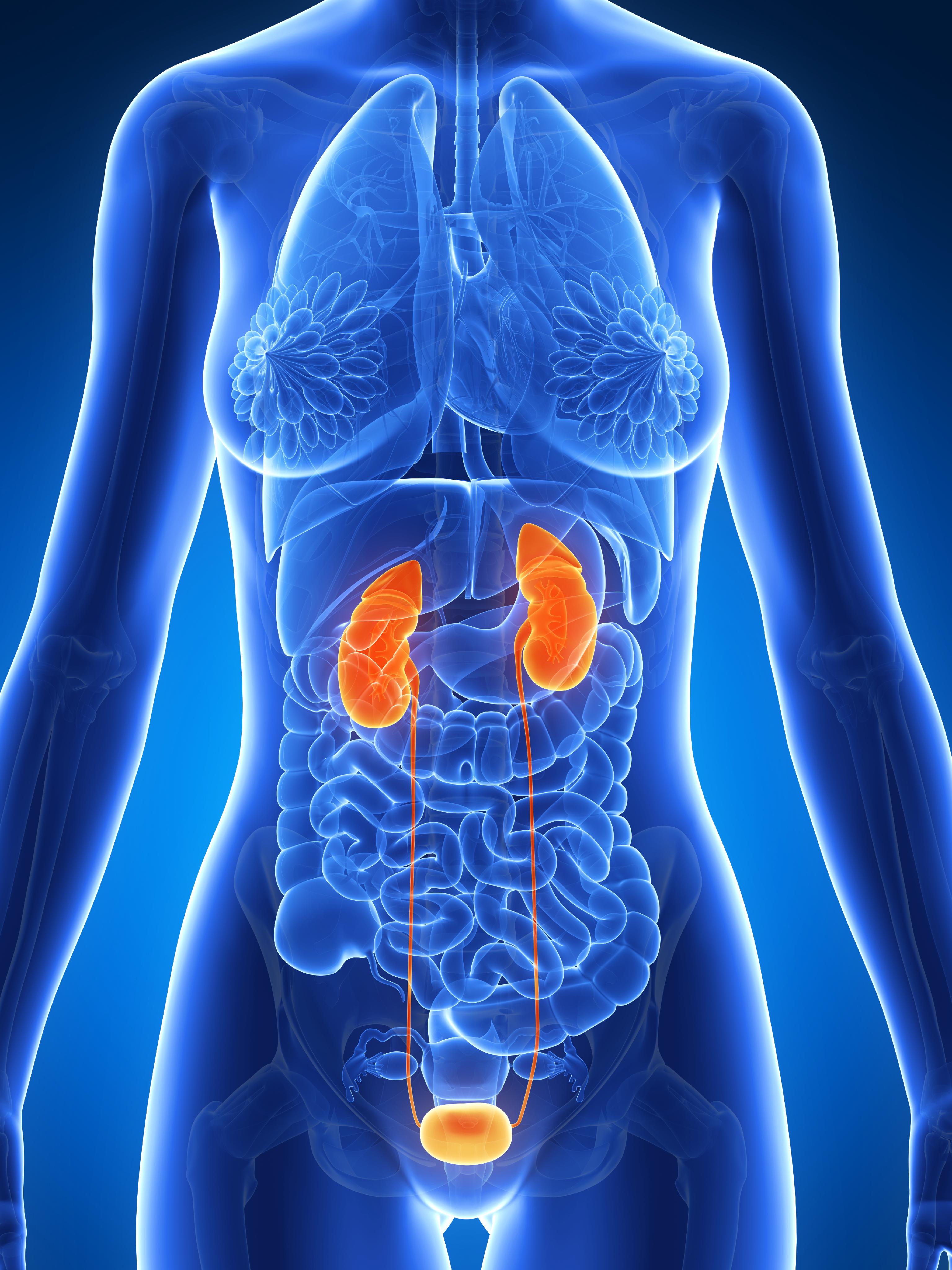 You get this when your kidneys don’t respond to vasopressin and take too much fluid from your bloodstream. Doctors don’t always know why it happens, but some causes include:
- A blocked urinary tract,
- Chronic kidney disease,
- High levels of calcium in blood,
- Low levels of potassium in blood,
- Some allopathic medications such as:
- Lithium.
- Corticosteroids (prednisone or hydrocortisone – They can trigger “steroid-induced diabetes” by causing the liver to release extra sugar and increasing insulin resistance.), antipsychotic medicines (clozapine, olanzapine, and quetiapine – they can cause significant weight gain and insulin resistance).
- Blood Pressure and Heart Medications:
-
- Thiazide diuretics: (e.g., hydrochlorothiazide) can cause the body to lose electrolytes, which may elevate blood sugar.
- Beta-blockers: (e.g., metoprolol) can reduce the amount of insulin your pancreas produces, though some newer ones like carvedilol do not have this effect.
- Cholesterol-lowering Drugs: Statins can slightly increase insulin resistance and raise blood sugar levels, although the cardiovascular benefits generally outweigh this minor risk.
-
- Immunosuppressants: Drugs like tacrolimus and cyclosporine (often used for organ transplant patients) can interfere with the body’s ability to release insulin.
- HIV/Hepatitis C Treatments: Protease inhibitors are known to affect metabolic health, sometimes leading to insulin resistance.
- Hormonal Treatments: Androgen deprivation therapies (used for prostate cancer) and long-term use of oral contraceptives in women with risk factors have also been linked to an increased risk of developing Type 2 diabetes.
Gestational diabetes insipidus
This is very rare. You get this type only during pregnancy. Sometimes, your placenta makes an enzyme that breaks down vasopressin. Other pregnant people make more prostaglandin, a hormone-like chemical that makes their kidneys less sensitive to vasopressin. Most cases of gestational diabetes insipidus are mild and don’t cause clear symptoms. The condition usually goes away after birth, but it might come back in another pregnancy.
Symptoms of Diabetes Insipidus
Symptoms include:
- Severe thirst,
- Polyuria (peeing more than 3 liters a day),
- Getting up to pee a lot at night,
- Peeing in your sleep (bed-wetting),
- Pale, colorless urine,
- Low urine concentration,
- Preference for cold drinks,
- Dehydration,
- Weakness,
- Muscle pains,
- Crankiness.
With dehydration, you might notice:
- Extreme thirst (often drinking more than 1 gallon of liquid per day),
- Fatigue, or feeling extremely tired,
- Feeling sluggish,
- Dry mouth and lips,
- Dizziness,
- Confusion,
- Nausea,
- Fainting.
Does diabetes insipidus cause weight loss?
Diabetes insipidus can cause weight loss, especially in infants and children. Severe thirst, a main symptom of this condition, can get in the way of a normal appetite. This means people with diabetes insipidus may eat less and not have the best nutrition, leading to weight loss in adults and slow growth in children.
Diabetes Insipidus Symptoms in Infants and Children
 Many of the symptoms are similar in younger people. In infants, watch for:
- Crankiness,
- Slow growth,
- Poor feeding,
- Weight loss,
- Fever,
- Vomiting.
In children, signs include:
- Drinking a lot of water,
- Peeing often, sometimes every hour,
- New bed-wetting or waking up during the night to pee,
- Dehydration,
- Low energy.
Diabetes Insipidus Risk Factors
Factors that raise your chances of having diabetes insipidus are:
- Genetics. Changes in the genes that you inherit from your parents can make you more likely to get diabetes insipidus. This happens in 1%-2% of cases.
- Medications. Certain allopathic medications (explained above), can cause kidney problems and trouble making the right amount of urine.
- Certain metabolic disorders. Conditions that cause high levels of calcium or low levels of potassium in your blood may lead to this condition.
- Brain surgery or head injury. Changes in your brain from surgery or an injury may raise your risk.
Diabetes Insipidus Diagnosis
Your doctor will do a physical exam. A checkup may not show any signs of central diabetes insipidus DI, except maybe an enlarged bladder or symptoms of dehydration.
Doctor would ask questions about health history, including your family’s health. Every patient might get a series of tests that include:
Urinalysis
Your doctor sends a sample of your urine to a lab to see whether it’s dilute or concentrated. They can also check for glucose (sugar). Higher levels can mean diabetes insipidus or diabetes mellitus. You might need to collect your urine over a 24-hour period to measure the volume you pass in a day.
Blood test
A few different blood tests can measure the electrolytes, glucose, and vasopressin levels in your blood. This lets your doctor know if you have diabetes mellitus or diabetes insipidus, and which type you have.
Water deprivation test
After not drinking anything for a while, the test measures the changes in your body weight, blood sodium, and urine concentration. Your doctor may order the short-form test that you do at home or a formal test done in the hospital. During the long test, your doctor will closely measure your blood pressure, heart rate, and body weight. Testing takes about 12 hours. Sometimes your doctor may give you a dose of artificial vasopressin after testing to help figure out which type of diabetes insipidus you have.
MRI
Genetic screening
Diabetes insipidus vs. SIADH
-
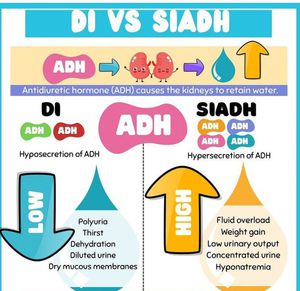
Diabetes insipidus causes your body to let go of too much water, which means lots of trips to the toilet.
-
SIADH, on the other hand, causes your body to retain too much fluid. This extra fluid waters down your blood, causing electrolyte imbalances.
Electrolytes minerals in your body with a tiny electric charge. Sodium is an important electrolyte in your blood, and SIADH can lead to hyponatremia or low sodium levels.
Diabetes insipidus vs. diabetes mellitus
Despite having similar names, diabetes insipidus and diabetes mellitus are two different diseases. The only things they have in common are that they make you thirsty and make you pee a lot. These conditions are caused by problems with different hormones.
If you have diabetes insipidus, the hormones that help your body balance liquids (vasopressin or ADH) don’t work. Only one in every 25,000 people gets this condition.
With diabetes mellitus (often shortened to “diabetes”), your body can’t use energy from food like it should. This is because there’s a problem with how your body makes or uses the insulin hormone. It’s far more common than diabetes insipidus.
What are type 1 and type 2 diabetes mellitus?
With type 1 and type 2 diabetes, your body has trouble making and using the insulin hormone. Insulin is needed to change food into energy your body can use. Without enough insulin, you’ll have too much glucose, or sugar, in your blood. High blood sugar can make you really sick.
If you have type 1 diabetes, your immune system attacks the cells that make insulin. Type 2 diabetes, the most common type, happens when your body doesn’t make enough insulin or your body doesn’t respond the right way to insulin, also called insulin resistance.
Complications of Diabetes Insipidus
Diabetes insipidus that isn’t under control can make you more likely to have complications such as:
- Dehydration. Diabetes insipidus makes it hard for your body to hold on to water. It’s easy to get dehydrated.
- Electrolyte imbalance. When you lose too much water, your electrolyte levels can be abnormal. This might cause:
- A headache,
- Feeling tired all the time (fatigue),
- Irritability,
- Muscle pain.
- Less sleep. All those nighttime trips to the bathroom to pee disrupt your sleep, resulting in less restful nights.
How does diabetes insipidus affect pregnancy?
Diabetes Insipidus Allopathic Treatment
With allopathic drugs the condition is not curable but treatable (life-long medication and dietary regime). First, your doctor will tell you to drink plenty of fluids. That will replace the constant loss of water. Other treatments depend on which type you have:
Central diabetes insipidus. You’ll take medications such as desmopressin. It usually comes as a tablet, nasal spray, liquid, or injection. Desmopressin controls urine output, maintains fluid balance, and prevents dehydration. There are also treatments to help these drugs work better.
Diabetes Insipidus Homeopathic Treatment
P. S: This article is only for doctors and students having good knowledge about Homeopathy and allopathy.

For proper consultation and treatment, please visit our clinic.
 Dr. Sayyad Qaisar Ahmed (MD {Ukraine}, DHMS), Abdominal Surgeries, Oncological surgeries, Gastroenterologist, Specialist Homeopathic Medicines.
Senior research officer at Dnepropetrovsk state medical academy Ukraine.
Location: Al-Haytham clinic, Umer Farooq Chowk Risalpur Sadder (0923631023, 03119884588), K.P.K, Pakistan.
Find more about Dr Sayed Qaisar Ahmed at:
https://www.youtube.com/Dr Qaisar Ahmed