
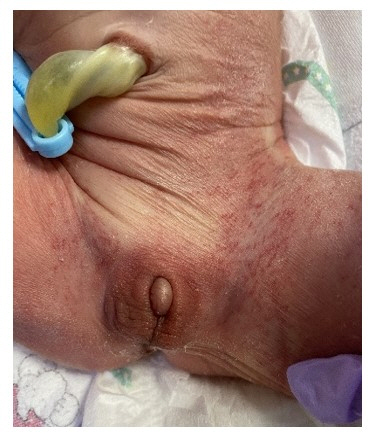
Ambiguous Genitalia is an uncommon condition results in genitals that aren’t obviously male or female. When a child is born with ambiguous genitalia, they might have underdeveloped sex organs or have both male and female characteristics. The outward appearance of the genitals won’t necessarily match the child’s genetic sex or internal sex organs. This condition is a sex development disorder, not a disease, that is fairly apparent at birth or soon after.
Causes of Ambiguous Genitalia
Ambiguous genitalia cause generally revolve around interrupted development of developing sex organs. For example:
- Hormonal Imbalances: An imbalance in the hormones responsible for sexual development during pregnancy can lead to ambiguous genitalia. This may be due to issues with the adrenal glands, placenta, or other factors.
- Genetic Factors: Certain genetic conditions, such as congenital adrenal hyperplasia, can result in ambiguous genitalia.
- Chromosomal Abnormalities: Conditions like Turner syndrome and Androgen Insensitivity Syndrome (AIS) involve chromosomal abnormalities that affect sexual development.
- Allopathic medication or Hormonal Exposure: If the mother takes specific medications or hormones during pregnancy, it can affect the development of the child’s genitals.
- Idiopathic: In some cases, the exact cause of ambiguous genitalia may remain unknown.
PS: Dr Qaisar Ahmed said that the estrogen levels (decreased) play the most important role in ambiguous genitalia of future fetus, that’s why The Mother should be treated to avoid abnormal pregnancies and kids in future.
Symptoms of Ambiguous Genitalia
The biggest sign that a child has ambiguous genitalia is that their external sex organs don’t look like a standard penis or vagina. Other ambiguous genitalia symptoms include:
- Imbalanced hormones.
- Early, late, or absent menstruation.
- Lack of a urethral opening at the end of the penis, or hypospadias.
Atypical genitalia could look different in every case, depending on which sex chromosomes have been affected. In females, uncertain genitalia could present itself as:
- Larger than normal clitoris that resembles a tiny penis.
- A urethral opening in an abnormal spot.
- Fused labia or labia that resemble a scrotum.
- A pocket of tissue inside the labia that could be mistaken for testicles and a scrotum.
In males, uncertain genitalia could present itself as:
- A penis that never forms, is tiny, or resembles a large clitoris.
- A urethral opening at the base of the penis, not at the tip.
- A little, open scrotum that could be mistaken for labia.
- Testicles that don’t descend.
Depending on when genital development gets interrupted and what caused it, symptoms can be more or less severe.
Diagnosis
It’s possible to detect this condition before a child has been born, but it won’t be confirmed until a healthcare provider is able to examine the child in person. Depending on the severity of the condition, a quick diagnosis might need test results like:
- Blood tests to assess chromosomes and hormone levels.
- Imaging tests (X-rays, ultrasounds, or MRI scans).
- Laparoscopies or biopsies to check out tissue taken from the sex organs
Risk Factors
It’s possible that a child’s family history affects the development of their genitalia. A large number of sex development disorders happen due to too much use of allopathic drugs especially antibiotics, steroids and supplements and inherited genetic abnormalities.
If a fetus has a family history of any of the following, they’re at a higher risk of atypical genitalia:
- Death during infancy without a cause.
- Difficulty getting pregnant, lack of menstruation, and extra facial hair for females.
- Abnormal genitals.
- Irregular physical maturation during puberty.
- Inherited genetic disorders that mess up the adrenal glands, also called congenital adrenal hyperplasia.
Allopathic treatment for Ambiguous Genitalia
Ambiguous genitalia treatment starts by determining the cause of the condition. After they determine the cause, your doctor will help you figure out a treatment plan and a sex assignment. You might need to meet with specialists like:
- A neonatologist,
- A geneticist,
- An endocrinologist,
- A surgeon,
- A Urologist,
- A psychologist.
The team of health care providers will support you as you decide the best way to approach your child’s condition, sexual function, gender identity, and chances for fertility in the long term. You might be looking at hormone replacement therapy or reconstructive surgery. You might need to consider cosmetic surgery when your child is still an infant if it’s medically important (like the absence of a urethral opening).
Treatment for ambiguous genitalia has many layers. In addition to the factors mentioned above, you should keep your child’s emotional health at the top of your priority list.
Homeopathic treatment for Ambiguous Genitalia
In nature – there is cure with each and every disease on earth, we don’t need to harm our kidneys, gut and liver’s health with chemicals. Ambiguous genitals are an abnormality and could be treated with Homeopathy successfully – without any surgeries. 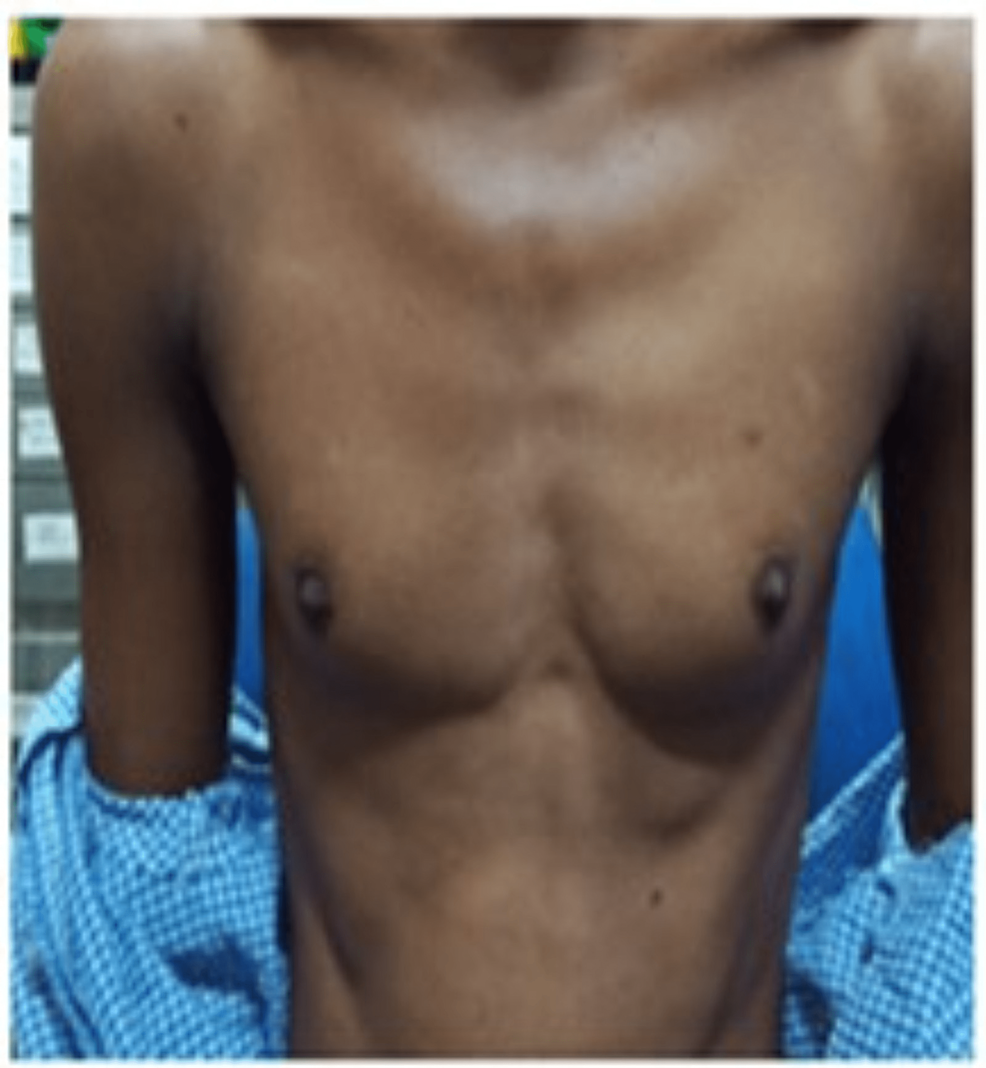
Dr Qaisar Ahmed said that the estrogen levels play the most important role in ambiguous genitalia of future fetus, that’s why The Mother should be treated to avoid abnormal pregnancies and kids in future. Here are few of my (Dr Qaisar Ahmed) experience medicines:
Lycopodium
Patients having problems with erections – no erectile power; impotence. Premature emission. Enlarge genitals. Ambiguous genitals. Condyloma. Vaginal dryness. Manses too late; last too long, too profuse. Vagina dry. Coition painful. Right ovarian pain. Varicose veins of pudenda. Leucorrhea, acrid, with burning in vagina. Discharge of blood from genitals during stool.
Agnus castus
Yellow discharge from urethra. No erections. Impotence. Parts cold, relaxed. Desire gone. Scanty emission without ejaculation. Loss of prostatic fluid on straining. Gleety discharge. Testicles, cold, swollen, hard, and painful. Ambiguous genitals. Scanty menses. Abhorrence of sexual intercourse. Relaxation of genitals, with leucorrhea. Agalactia; with sadness. Sterility. Leucorrhea staining yellow; transparent. Hysterical palpitation with nosebleed.
Sabal Serolita
Prostatic troubles; enlargement; discharge of prostatic fluid. Wasting of testes and loss of sexual power. Coitus painful at the time of emission. Sexual neurotics. Organs feel cold. Ambiguous genitals. Ovaries tender and enlarge; breasts shrivel. Young female neurotics; suppressed or perverted sexual inclination.
Pituitaria Glandula
Pituitary exercises a superior control over the growth and development of the sexual organs, stimulates muscular activity and overcomes uterine inertia. Its influence over unstriped muscular fiber is marked. Cerebral hemorrhages – absorbs clots. Uterine inertia in second stage of labor where os is fully dilated. High blood pressure, chronic nephritis, prostatitis. Vertigo, difficult mental concentration, confusion and fullness deep in frontal region. Use lower potencies.
Baryta Carbonicum
Specially indicated in infancy and old age. Scrofulous children, especially backward – mentally and physically, are dwarfish, do not grow and develop, have scrofulous ophthalmia, swollen abdomen, take cold easily, always have swollen tonsils. Ambiguous genitalia. Degenerative changes begin; cardiac vascular and cerebral; hypertrophied prostate or indurated testes, abnormal pelvic organs, very sensitive to cold, offensive foot-sweats, very weak and weary, must sit or lie down or lean on something. Averse to meeting strangers. Dyspepsia’s of the young who have masturbated and who suffer from seminal emissions, together with cardiac irritability and palpitation. Delayed menses.
Baryta Carbonicum effects glandular structures, and useful in general degenerative changes, especially in coats of arteries, aneurism, and senility. Blood-vessels soften and degenerated, distended, aneurisms, ruptures, and apoplexies.
Calcarea Flour
A powerful tissue remedy for hard, stony glands, varicose and enlarged veins, and malnutrition of bones. Hard knots in female breast. Goiter. Congenital hereditary syphilis. Induration threatening suppuration. Many cases of cataract have undoubtedly been influenced favorably by it. Congenital syphilis manifesting itself in ulcerating of mouth and throat, caries and necrosis with boring pains and heat in parts. Arterio-sclerosis; threatened apoplexy. Tuberculosis. Used after operations, the tendency to adhesions is reduced. 
Hydrocele; indurations of the testicles. Spasms. Calc. Abnormal vascular structure. Vascular tumors with dilated blood-vessels. Varicose veins. Aneurism. Valvular disease. When the tuberculous toxins attack the heart and blood-vessels. Osseous tumors. Rachitic enlargement of femur. Pain lower parts. Ganglia or encysted tumors.
Causticum
Drawing pains in the muscular and fibrous tissues, with deformities, progressive loss of muscular strength, tendinous contractures. Broken down senile. Local paralysis, muscles of bladder and extremities. Warts. Urine involuntary when coughing, sneezing. Expelled very slowly and sometimes retained. Involuntary during first sleep at night; also, from slightest excitement. Retention after surgical operations. Loss of sensibility on passing urine. Menses cease at night, flow only during day. Leucorrhea at night. Menses delay, late.
Rhus Toxicodendron
Dark, turbid, high-colored, scanty urine, with white sediment. Dysuria, with loss of blood. Swelling of glands and prepuce-dark-red erysipelatous; scrotum thick, swollen, edematous. Itching intense. Swelling of vulva with intense itching. Pelvic articulations stiff. Menses early, profuse, and prolonged, acrid. Skin red, swollen; itching intense. Vesicles, herpes; urticaria; pemphigus; erysipelas; vesicular suppurative forms. Glands swollen. Cellulitis. Burning eczematous eruptions with tendency to scale formation.
Cyclamen Europaeum
Anemic and chlorotic conditions. Affections of uterus. Gastro-intestinal and Genito-urinary tracts affected. Sleepiness, moroseness, and lassitude. Pain about anus and perineum. Menses profuse, black, membranous, clotted, too early, with labor-like pains from back to pubes. Menstrual irregularities with megrim and blindness, or fiery spots before eyes. After menses, swelling of breasts, with milky secretion.
Graphites
Swollen genitals. Constriction, spasms. Induration of tissue. Cancer of pylorus. Fullness and hardness in pelvic organs. Inguinal region sensitive, swollen. Prolapse of uterine organs. Smarting of sphincter muscles. Varices of the rectum. Anal fissure. Induration of ovaries and uterus and mammae.
Staphisagria
Diseases of the Genito-urinary tract and skin, most frequently give symptoms calling for this drug. Acts on teeth and alveolar periosteum. Ill effects of anger and insults. Sexual sins and excesses. Very sensitive. Lacerated tissues. Pain and nervousness after extraction of teeth. Sphincters lacerated or stretched.
Secale Cornutum
Contraction of the unstriped muscular fibers, mortification, gangrene, shriveled skin-thin, scrawny. Muscles twitch. Paralysis of bladder. Retention, with unsuccessful urging. Ambiguous Genitalia. Discharge of black blood from bladder. Enuresis. Menstrual colic, with coldness and intolerance of heat. Passive hemorrhages in feeble, cachectic ladies. Burning pains in uterus. Brownish, offensive leucorrhea. Menses irregular, copious, dark; continuous oozing of watery blood until next period. Threatened abortion about the third month. Genital organs relaxed, putrid discharges, tympanites, coldness, suppressed urine.
Formication, pain and spasmodic movements. Formication under skin. Numbness. Poor blood circulation t pelvic organs, pelvic bluish, shriveled, spread apart, numbed, violent cramps, tingling, shriveled, mottled dusky-blue sclerae and edema especially in neonatorum. Dry gangrene, developing slowly. Varicose ulcers. Burning sensation. Formication; petechiae. Livid spots. Mature slowly.
Sabal Serrulata
Irritability of the genito-urinary organs. Sabal Serulata promotes nutrition and tissue building. Ovarian symptoms marked. General and sexual debility. Unquestioned value in prostatic enlargement, epididymitis, and urinary difficulties. Acts on membranous-prostatic portion of urethra. Iritis, underdeveloped prostatic trouble. Undeveloped glands especially mammary.
Nocturia. Enuresis; paresis of sphincter vesicae. Chronic gonorrhea. Difficult urination. Cystitis with prostatic hypertrophy. Wasting of testes and loss of sexual power. Coitus painful at the time of emission. Sexual neurotics. Organs feel cold. Ovaries tender and enlarge, breasts shrivel. Young female neurotics; suppressed or perverted sexual inclination.
Natrium Muriaticum
Cutting distending pain in abdomen. Burning pains and stitching after stool. Anus contracted, torn, bleeding. Constipation: stool dry, crumbling. Pain just after urinating. Has to wait a long time for it to pass if others are present. Emission, even after coitus. Impotence with retarded emission.
Menses irregular; usually profuse. Vagina dry. Leucorrhea acrid, watery. Bearing-down pains. Prolapsus uteri, with cutting in urethra. Hot during menses.
Nux Vomica
Irritable bladder; from spasmodic sphincter. Frequent calls; little and often. Hematuria. Ineffectual urging, spasmodic and strangury. Renal colic extending to genitals, with dribbling urine, itching in urethra and pain in neck of bladder. Easily excited desire. Emissions from high living. Constrictive pain in testicles. Orchitis – swelling or inflammation of one or both of testicles, testicles enlarged, hot, and painful.
Menses too early, lasts too long; always irregular, blood black with faint spells. Prolapsus uteri. Dysmenorrhea, with pain in sacrum, extend to rectum, with sensation as if bowels wanted to move.
Hamamelis Virginiana
Anus feels sore and raw. Pulsation in rectum and sexual organs. Ovarian congestion and neuralgia. Vicarious menstruation. Uterine hemorrhage, bearing-down pain in back. Menses dark, profuse, with soreness in abdomen. Metrorrhagia, occurring midway between menstrual periods. Intermenstrual pain. Vagina very tender. Vulva itches. Milk-leg, hemorrhoids, and sore nipples, after confinement. Metrorrhagia; passive flow. Vaginismus, ovaritis, soreness over whole abdomen. Phlegmasia alba.
Pain in spermatic cord, running into testes. Varicocele. Pain in testicles. Orchitis – swelling or inflammation of one or both of testicles, testicles enlarged, hot, and painful. Epididymitis. 
Pulsatilla Crudum
Amenorrhea. Tardy menses. Too late, scanty, thick, dark, clotted, changeable, intermittent. Chilliness, nausea, downward pressure, painful, flow intermits. Leucorrhea acrid, burning, creamy. Pain in back; tired feeling. Orchitis – swelling or inflammation of one or both of testicles, testicles enlarged, hot, and painful.; pain from abdomen to testicles. Thick, yellow discharge from urethra; late stage of gonorrhea. Stricture: urine passed only in drops, and stream interrupted. Acute prostatitis. Pain and tenesmus in urinating.
Atimonium Crudum
Urine frequent, with burning, and backache; turbid and foul odor. Twitching and jerking of muscles. Eruption on scrotum and about genitals. Impotence. Atrophy of penis and testicles. Excited; parts itch. Before menses, toothache; menses too early and profuse. Menses suppressed from cold bathing, with feeling of pressure in pelvis and tenderness in ovarian region. Leucorrhea watery; acrid, lumpy.
Acid Phosphoricum
Urine frequent, profuse, watery, milky. Diabetes. Micturition, preceded by anxiety and followed by burning. Frequent urination at night. Phosphaturia. Emissions at night and at stool. Seminal vasculitis (Inflammation of the seminal vesicles). Sexual power deficient; testicles tender and swollen. Parts relax during embrace. Prostatorrhea, even when passing a soft stool. Eczema of scrotum. Edema of prepuce, and swollen glans-penis. Herpes preputialis. Sycotic excrescences. Menses too early and profuse, with pain in liver. Itching; yellow leucorrhea after menses. Milk scanty; health deteriorated from nursing.
Oxalicum Acidum
Defected spinal cord, motor paralysis. Periodical remissions. Spasmodic symptoms. Colic. Burning in small spots in abdomen. Terrible neuralgic pains in spermatic cord. Testicles feel contused and heavy. Seminal vasculitis (inflammation of the seminal vesicles). Frequent and copious urination. Burning in urethra and pain in glans when urinating. Must urinate when thinking of it. Urine contains oxalates.
Hepar Sulphuricum
Urine voided slowly, without force-drops vertically, muscles weak. Bladder difficulties and deformities. Herpes, sensitive, bleed easily. Ulcers externally on prepuce similar to chancre. Excitement and emission without amorous fancies. Itching of glans, frenum, and scrotum. Suppurating inguinal glands. Figworts of offensive odor. Humid soreness on genitals and between scrotum and thigh. Obstinate gonorrhea “does not get well”.
Discharge of blood from uterus. Itching of pudenda and nipples, worse during menses. Menses late and scanty. Abscesses of labia with great sensitiveness. Extremely offensive leucorrhea. Profuse perspiration at the climacteric.
Kalium Carbonicum
Nocturia. Pressure on bladder long before urine comes. Involuntary urination when coughing, sneezing, etc. Complaints from coition. Deficient sexual instinct. Excessive emissions, followed by weakness. Menses early, profuse or too late, pale and scanty, with soreness about genitals; pains from back pass down through gluteal muscles, with cutting in abdomen. Pain through labium, extending through abdomen to chest. Delayed menses in young girls, with chest symptoms or ascites. Difficult, first menses. Complaints after parturition. Uterine hemorrhage; constant oozing after copious flow, with violent backache.
Plumbum Metallicum
Constipation. Obstructed evacuation from impaction of feces. Neuralgia of rectum. Urinary – frequent, ineffectual tenesmus. Albuminous; low specific gravity. Chronic interstitial nephritis, with great pain in abdomen. Urine scanty. Tenesmus of bladder. Emission drop by drop. Loss of sexual power. Testicles drawn up, feel constricted.
Vaginismus, with emaciation and constipation. Induration of mammary glands. Vulva and vagina hypersensitive. Stitches and burning pains in breasts. Tendency to abortion. Menorrhagia with sensation of string pulling from abdomen to back.
Argentum Metallicum
Diuresis. Urine profuse, turbid, sweet odor. Frequent urination. Polyuria. Crushed pain in testicles. Seminal emissions, without sexual excitement. Frequent micturition with burning.
Ovaries feel too large. Bearing-down pain. Prolapse of womb. Eroded spongy cervix. Leucorrhea foul, excoriating. Palliative in scirrhous of uterus. Pain in left ovary. Climacteric hemorrhage. Sore feeling; throughout abdomen; worse by jarring. Uterine disease with pain in joints and limbs.
Berberis Vulgaris
Burning pains. Sensation as if some urine remained after urinating. Urine with thick mucus and bright-red, mealy sediment. Bubbling, sore sensation in kidneys. Pain in bladder region. Pain in the thighs and loins on urinating. Frequent urination: urethra burns when not urinating. Neuralgia of spermatic cord and testicles. Smarting, burning, stitching in testicles, in prepuce and scrotum.
Pinching constriction in mons veneris, vaginismus, contraction and tenderness of vagina. Burning and soreness in vagina. Desire diminished, cutting pain during coition. Menses scanty, gray mucus, with pain in kidneys and chilliness, pain down thighs. Leucorrhea, grayish mucus, with painful urinary symptoms. Neuralgia of ovaries and vagina.
Thuja Occidentalis
Urethra swollen inflamed. Urinary stream split and small. Sensation of trickling after urinating. Severe cutting after. Frequent micturition accompanying pains. Desire sudden and urgent but cannot be controlled. Paralysis sphincter vesicae. Inflammation of prepuce and glans; pain in penis. Balanitis. Gonorrheal rheumatism. Gonorrhea. Chronic induration of testicles. Pain and burning felt near neck of bladder, with frequent and urgent desire to urinate. Prostatic enlargement.
Vagina very sensitive. Warty excrescences on vulva and perineum. Profuse leucorrhea; thick, greenish. Severe pain in left ovary and inguinal region. Menses scanty, retarded. Polypi; fleshy excrescences. Ovaritis; worse. Profuse perspiration before menses.
Lyssinum
Lascivious; priapism, with frequent emissions. No emission during coition. Atrophy of testicles. Complaints from abnormal sexual desire. Uterine sensitiveness; conscious of womb. Feels prolapsed. Vagina sensitive, rendering coition painful. Uterine displacements. 
Apis Melifica
Edema of labia; relieved by cold water. Soreness and stinging pains; ovaritis; worse in right ovary. Manses suppressed, with cerebral and head symptoms, especially in young girls. Ambiguous genitals. Dysmenorrhea, with severe ovarian pains. Metrorrhagia profuse, with heavy abdomen, faintness, stinging pain. Sense of tightness. Bearing down, as if menses were to appear. Ovarian tumors, metritis with stinging pains. Great tenderness over abdomen and uterine region.
Belladona
Testicles hard, drawn up, inflamed. Nocturnal sweat of genitals. Flow of prostatic fluid. Desire diminished. Ambiguous genitals. Sensitive forcing downwards, as if all the viscera would protrude at genitals. Dryness and heat of vagina. Dragging around loins. Pain in sacrum. Manses increased, bright red, too early, too profuse. Hemorrhage hot. Mastitis pain, throbbing, redness, streaks radiate from nipple. Breasts feel heavy; are hard and red. Tumors of breast, pain worse lying down. Badly smelling hemorrhages, hot gushes of blood.
Iodium
Testicles swollen and indurated. Hydrocele. Loss of sexual power, with atrophied testes. Ambiguous genitals. Great weakness during menses. Menstruation irregular. Uterine hemorrhage. Ovaritis. Wedge-like pain from ovary to uterus. Dwindling of mammary glands. Nodosities in skin of mammae. Acrid leucorrhea, thick, slimy, corroding the linen. Wedge-like pain in the right ovarian region.
Selenium Metallicum
Dribbling of semen during sleep. Dribbling of prostatic fluid. Irritability after coitus. Loss of sexual power, with lascivious fancies. Increases desire, decreases ability. Semen thin, odorless. Sexual neurasthenia. On attempting coition, penis relaxes. Hydrocele. Ambiguous genitals.
Caladium Seguinum
Pruritus. Glans very red. Organs seem larger, puffed, relaxed, cold, sweating, skin of scrotum thick. Erections when half-asleep; cease when fully awake. Impotency; relaxation of penis during excitement. No emission and no orgasm during embrace. Ambiguous genitals. Pruritus of vulva and vagina during pregnancy. Voluptuousness. Cramp pains in uterus at night.
Amber Gresia
Nymphomania, itching of pudendum, with soreness and swelling. Manses too early. Profuse, bluish leucorrhea. Worse at night. Discharge of blood between periods, at every little accident. Ambiguous genitals. Voluptuous itching of scrotum. Parts externally numb; burn internally. Violent erections without voluptuous sensations.
Argentum Nitricum
Impotence. Erection fails when coition is attempted. Cancer-like ulcers. Desire wanting. Genitals shrivel. Coition painful. Ambiguous genitals. Gastralgia at beginning of menses. Intense spasm of chest muscles. Organs at night. Nervous erethism at change of life. Leucorrhea profuse, with erosion of cervix bleeding easily. Uterine hemorrhage, two weeks after menses; Painful affections of left ovary.
P. S: This article is only for doctors having good knowledge about Homeopathy and allopathy, for learning purpose(s).
For proper consultation and treatment, please visit our clinic.
None of above-mentioned medicine(s) is/are the full/complete treatment but just hints for treatment; every patient has his/her own constitutional medicine.
 Dr. Sayyad Qaisar Ahmed (MD {Ukraine}, DHMS), Abdominal Surgeries, Oncological surgeries, Gastroenterologist, Specialist Homeopathic Medicines.
Senior research officer at Dnepropetrovsk state medical academy Ukraine.
Location: Al-Haytham clinic, Umer Farooq Chowk Risalpur Sadder (0923631023, 03119884588), K.P.K, Pakistan.
Find more about Dr Sayed Qaisar Ahmed at:
https://www.youtube.com/Dr Qaisar Ahmed
https://www.facebook.com/ahmed drqaisar
https://www.drqaisarahmed.com.