
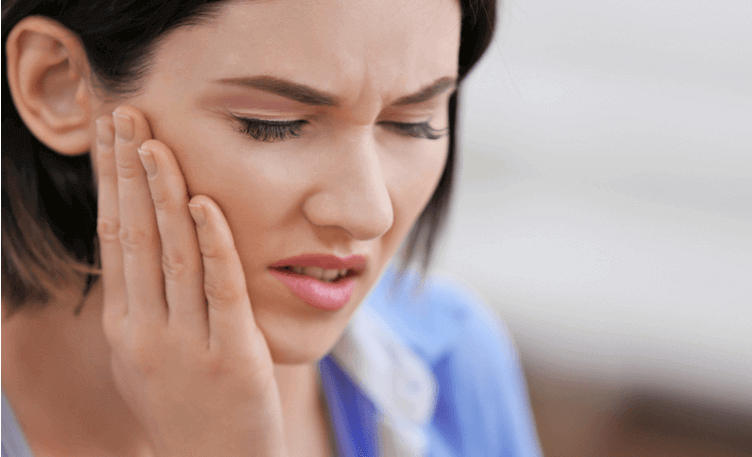
Trigeminal neuralgia (TN), also known as tic douloureux, is a type of chronic pain disorder that involves sudden attacks of severe facial pain. It affects the trigeminal nerve (the fifth cranial nerve) which provides feeling and nerve signaling to parts of the head and face. TN is a type of neuropathic pain, sometimes caused by an injury or nerve lesion.
Pain attacks last a few seconds (but can last up to two minutes) and may occur over and over again several times a day, but sometimes it lasts for a day or more. The pain typically affects one side of the face, including areas such as the cheek, jaw, teeth, gums, and sometimes the forehead and eye.
TN occurs most often in people over age 50, although it can occur at any age, including infancy. The disorder is more common in women than in men.
Types of trigeminal neuralgia
Types of trigeminal neuralgia are categorized based on the cause:
Classic: This is the most common form, in which a blood vessel (usually the superior cerebellar artery) is found to be pushing on part of the trigeminal nerve root.
Secondary: In these cases, TN is caused by another disorder (such as multiple sclerosis, a tumor, or arteriovenous malformation). Individuals with secondary TN are more likely to be younger and to have pain on both sides of the face. Only 15% of TN cases are secondary.
When no clear cause can be found even after a diagnostic workup (evaluation), it is considered idiopathic TN. This is the least common type of TN.
Symptoms of trigeminal neuralgia
Symptoms of TN include:
Sudden, intense pain, often described as a shock-like or stabbing pain typically on one side of the face. Burning, throbbing, numbness, tingling, or dull aching sensation in between attacks. In some cases, trigeminal neuralgia can worsen over time, leading to longer and more frequent pain attacks.
The intensity of pain can be physically and emotionally devastating. TN attacks typically stop for a period of time and then return. Pain attacks can be triggered by vibration or contact with the cheek (such as when shaving, washing the face, or applying makeup), teeth brushing, nose blowing, eating, drinking, talking, noise or being exposed to the wind. The pain may affect a small area of the face, or it may spread. The pain rarely occurs during sleep.
In some cases, the condition can be progressive, meaning that the attacks can get worse over time, with longer and more frequent episodes. Patient may feel pain all the time. In many such cases, allopathic medication to control the pain also becomes less effective over time.
What are the trigeminal nerves and how do they work?
The trigeminal nerves are a pair of cranial nerves that connect the brain and brain stem to different parts of the face. The trigeminal nerves have three branches that send and receive sensations from the upper, middle, and lower portions of the face.
- The ophthalmic (upper) branch supplies sensation to most of the scalp, forehead, and front of the head.
- The maxillary (middle) branch supplies sensation to the cheek, upper jaw, top lip, teeth and gums, and side of the nose.
- The mandibular (lower) branch supplies nerves to the lower jaw, teeth and gums, and bottom lip. 

More than one nerve branch can be affected by TN, but the maxillary or mandibular branches are the most commonly affected. When the ophthalmic branch is affected, redness or unexplained tears in the eyes may also occur at the same time as pain attacks. In rare cases, both sides of the face may be affected at different times, or even at the same time; this is called bilateral TN.
How is trigeminal neuralgia diagnosed?
Diagnosing trigeminal neuralgia
A doctor will conduct a physical examination, review the person’s full medical history, and consider their symptoms when diagnosing TN. A workup usually includes a neurological examination and imaging with MRI (magnetic resonance imaging) to look for structural abnormalities (such as compression of the trigeminal nerve) or other disorders that could cause facial pain.
Treating trigeminal neuralgia with allopathy
Generally, the first line of allopathic treatment for people living with TN is allopathic medication, but allopathic medication is unable to relieve pain or produces intolerable side effects. Allopath usually advise surgery. In some cases, complementary approaches, usually combined with medications, may help manage TN but chances are very low.
Allopathic medications for trigeminal neuralgia
📢 Note: TN is a progressive disorder that becomes resistant to allopathic medication over time.
There are several types of allopathic medication that can help TN:
- Anticonvulsant medicines, which are used to temporary block pain signals, it can reduce the frequency of attacks. These drugs include carbamazepine, oxcarbazepine, gabapentin, pregabalin, lamotrigine, topiramate, or phenytoin. If a single drug fails to improve symptoms, more than one drug may be used at the same time.
- Other medications may be tried, particularly if anticonvulsants are not effective (their side effects are too bothersome). These drugs include baclofen and Botulinum toxin A.
Common allopathic pain-relieving medications (such as aspirin and ibuprofen) and opioid medications such as hydrocodone are not usually helpful in treating TN.
Surgery for trigeminal neuralgia
If medication fails to relieve pain or produces intolerable side effects such as cognitive disturbances, memory loss, excess fatigue, bone marrow suppression, or allergy, the allopathic doctors recommend surgical treatment. With allopathic doctors, surgery is a common approach for almost all diseases.
Several neurosurgical procedures are available to treat TN. The choice of procedure depends on:
- The nature of the pain,
- The person’s preference, physical health, blood pressure, and previous surgeries,
- The presence or absence of multiple sclerosis,
- Which trigeminal nerve is most affected (particularly when the upper/ophthalmic branch is involved).
Microvascular decompression
MVD is the most invasive surgery for TN. It is also the most effective at preventing pain long-term. MVD involves relieving pressure from surrounding blood vessels that either wrap the nerve or are touching it. Unlike rhizotomies (described below), the goal is not to produce numbness in the face after this surgery. 
Rhizotomy (rhizolysis)
This is a procedure in which nerve fibers are damaged in order to block pain. People who use a rhizotomy for TN always experience some degree of sensory loss and facial numbness. There are several different forms of rhizotomy used to treat TN, including balloon compression, glycerol injection, radiofrequency thermal lesioning, and stereotactic radiosurgery. These surgeries may relieve pain for a few years but are less effective long term.
Radiosurgery
In this procedure doctor’s aims is to focused radiation on damaged nerve fibers from the trigeminal nerve close to where it is connected to the brainstem. Unlike other surgical procedures, pain relief resulting from this procedure may take over a month to develop.
Side effects of surgery
Facial numbness may occur after many of these surgical procedures, and TN will often return even if the surgery is initially successful. Depending on the procedure, these include hearing loss, balance problems, leaking of the cerebrospinal fluid, infection, anesthesia dolorosa (persistent intense pain in the face or mouth), and sometimes stroke.
Homeopathic treatments for trigeminal neuralgia
There are many medicines for neuralgias or nerve’s pains in Homeopathy, here are few of them:
Magnesia Phosphorica
Illusions of the senses; sobbing, crying, lamenting all the time about pain in affected parts. Mental depression and anxiety. Drowsiness on every attempt to study. Very forgetful. Dullness and inability to think clearly.
Headache: pains shooting, darting, stabbing, shifting; intermittent and paroxysmal. Headache: excruciating; spasmodic; neuralgic or rheumatic; aggravates by external application of warmth. Nervous headache, with sparks before eyes; diplopia.
Severe headache began in occiput on waking, extending overhead, located over both eyes, with severe nausea, and terminated 5 p.m. in a pronounced chill. Severe pricking overhead and forehead.
Double vision (horizontal); sparks; rainbow colors; photophobia. Pupils contracted. Dark spots before eyes. Dull vision from weakness of optic nerve. Nystagmus; strabismus, spasmodic; ptosis. Twitching of lids. Neuralgia: supra-orbital or orbital; intermittent, darting, lightning-like pains aggravates by warmth, exquisitely sensitive to touch; with increased lachrymation. 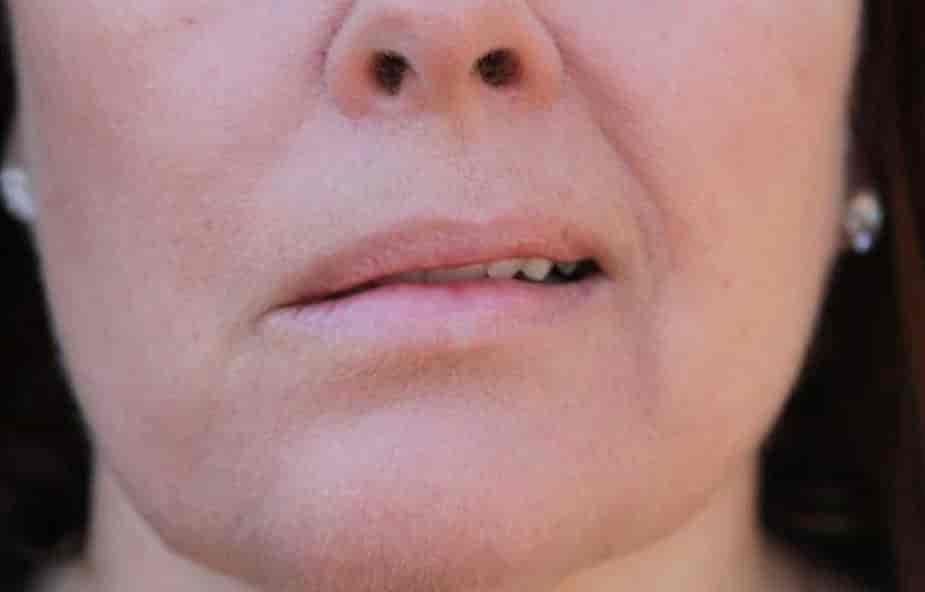
Nervous otalgia, intermittent and spasmodic; aggravates by heat. Sharp intermittent pains behind ear. Neuralgia: supra- and infra-orbital, intermittent, spasmodic, lightning-like pains.
Face distorted from pains and weakness; cramping colic. Lockjaw. Hydroa on upper lip. Convulsive twitching of angles of mouth. Neuralgia from washing or standing in cold water. Sensation of painful contraction of jaw-joint for several days, with a nervous backward jerking.
Toothache; teeth sensitive to touch or cold air. Severe pinching, stabbing, neuralgic pain over root of bicuspid; can be covered with point of finger. Complaints of teething children; spasms during dentition, without febrile symptoms.
Spasmodic constriction of throat on attempting to swallow liquids, with sensation of choking. Flow of mucus through posterior nares into throat; with sneezing and tingling in nose and on tongue. Sensation of a cornhusk lodged in upper part of throat, with constant inclination to swallow.
Kalium Phosphoricum
One of the greatest nerve remedies. Conditions arising from want of nerve power, neurasthenia, mental and physical depression. States of dynamic and decay, gangrenous conditions. Malignant tumors. Anxiety, nervous dread, lethargy. Indisposition to meet people. Extreme lassitude and depression. Very nervous, starts easily, irritable. Brain-fag; hysteria; night terrors. Somnambulance. Loss of memory.
Occipital headache; better, after rising. Vertigo, from lying or on standing up, from sitting, and when looking upward. Cerebral anemia. Headache of students, and those worn out by fatigue. Headaches are relieved by gentle motion. Headache, with weary, empty, gone feeling at stomach.
Weakness of eyesight; loss of perceptive power; after diphtheria; from exhaustion. Drooping of eyelids. Humming and buzzing in the ears.
Nose: Nasal disease, with offensive odor; fetid discharge. Facial neuralgia relieved by cold applications. Toothache, with easily-bleeding gums. Gums spongy and receding.
Capsicum Annum
Sensation of constriction. Inflammation of petrous bone. Burning pains and general chilliness. Older people who have exhausted their vitality, especially by mental work, and poor living; blear-eyed appearance; who do not react. Marked tendency to suppuration in every inflammatory process. Myalgia, aching and jerking of muscles.
Excessive peevishness. Homesickness. Sleeplessness and disposition to suicide. Wants to be let alone. Delirium tremens. Bursting headache; worse, coughing. Hot face. Red cheeks. Face red, though cold. Burning and stinging in ears. Inflammation of mastoid. Tenderness over the petrous bone; extremely sore and tender to touch. Otorrhea and mastoid disease before suppuration. 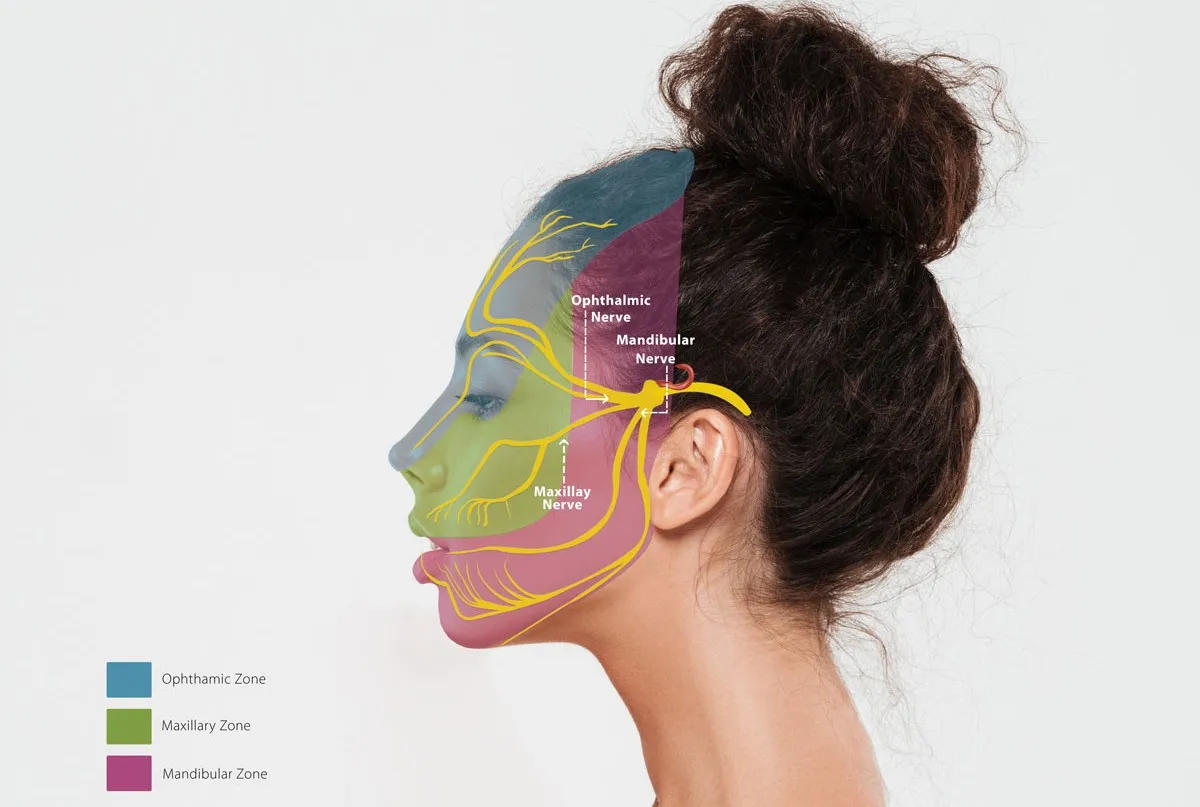
Colocynthis
Most of its symptoms are in the abdomen and head (intense neuralgias). It is especially suitable for irritable patients easily angered, and ill effects therefrom. The neuralgic pains are nearly always relieved by pressure. Cramps and twitching and shortening of muscles. Constrictions and contractions. Cystospasm following surgeries on orifices.
Extremely irritable. Mortification caused by offense. Anger, with indignation. Vertigo when turning head to the left. Lateral cutting headache, with nausea, vomiting. Burning pains, digging, rending, and tearing. Frontal headache; worse, stooping, lying on back, and moving eyelids.
Eyes: pains sharp, boring, better pressure. Sensation on stooping, as if eye would fall out. Gouty affections of eyes. Violent pain in eyeballs which precede the development of glaucoma.
Tearing, shooting, and swelling of face; left side great soreness. Get relief from pressure. Neuralgia, with chilliness; teeth seem too long. Sounds re-echo in ears. Pain in stomach, always with pain of teeth or head.
Hecla Lava
Vertigo. Chronic headache. Destructive (syphilitic) ulceration of nasal bones. Facial neuralgia or headache. Polypoid growth, deforming face, forcing eyeball upward and everting lid, obstructing nostrils; extending downward into mouth, impeding breathing and mastication; epistaxis; headache.
Toothache, teeth are very sensitive to pressure, with swelling about jaws. Neuralgia. Abscess; or enlargement of bone remaining after tooth extraction. Right cuspid of upper jaw very sensitive to slight pressure on crown; swelling and indurated tumor under ala nasi, very sensitive to touch; conjunctivitis.
Lachesis Mutus
Trifacial neuralgia, heat running up into head. Tearing pain in jawbones. Purple, mottled, puffed, swollen, bloated, jaundiced, chlorotic. Pain through head on awaking. Pain at root of nose. Pressure and burning on vertex. Waves of pain; worse after moving. Sun headaches. With headache, flickering, dim vision, very pale face. Vertigo. Relieved by onset of a discharge (menses or nasal catarrh). Defective vision after diphtheria, extrinsic muscles too weak to maintain focus. Tearing pain from zygoma into ear. Coryza, preceded by headache.
Spigelia Anthelmia
A best medicine for eye, heart, and nervous system. Trigeminal neuralgia (fifth nerve is very prominent in its effects). Is especially adapted to anemic, debilitated, rheumatic, and scrofulous patients. Stabbing pains. Heart affections and neuralgia. Pain beneath frontal eminence and temples, extending to eyes. Semi-lateral, involving left eye; pain violent, throbbing; worse, making a false step. Pain as if a band around head. Vertigo, hearing exalted. 
Tongue fissured, painful. Tearing toothache; worse, after eating and cold. Foul odor from mouth. Offensive taste. Prosoplasia, involving eye, zygoma, cheek, teeth, temple, worse, stooping, touch, from morning until sunset.
Nux Moschata
Vertigo when walking in open air; aches from eating a little too much. Pulsating in head. Cracking sensation in head. Sensitive to slightest touch in a draught of air. Bursting headache; better hard pressure. Objects look larger, very distant, or vanish. Motes before eyes. Mydriasis. Nose oversensitive to smell. Tongue numbed, paralyzed. Dryness of throat.
Carbolicum Acidum
Stupor, paralysis of sensation and motion, feeble pulse and depressed breathing, death due to paralysis of respiratory centers. Acts primarily on the central nervous system. Increased olfactory sensibility. Orbital neuralgia over right eye.
Cactus Grandiflora
Headache, sensation as of a weight on vertex. Right-sided pulsating pain. Congestive headaches, periodical, threatening apoplexy. Blood-vessels to the head distended. Pulsation in ears. Dim sight. Right sided prosoplasia, constricting pains, returns at same hour daily. Constriction of esophagus. Suffocative constriction at throat, with full, throbbing carotids in angina pectoris.
Gelsemium Sempervirens
Headache, with muscular soreness of neck and shoulders. Headache preceded by blindness; better, profuse urination. Scalp sore to touch. Delirious on falling asleep. Wants to have head raised on pillow.
Verbascum Thapsus
Neuralgia affecting zygoma, temporal maxillary joint, and ear (Menyanth), particularly of left side, with lachrymation, coryza, and sensation as if parts were crushed with tongs. Talking, sneezing, and change of temperature aggravate the pains; also, pressing teeth together. Pains seem to come in flashes, excited by least movement, occurring periodically at same hour in morning and afternoon each day.
Arsenic Album
Headaches relieve by cold, other symptoms worse. Periodical burning pains, with restlessness; with cold skin. Hemicrania, with icy feeling of scalp and great weakness. Sensitive head in open air. Delirium tremens; cursing and raving; vicious. Scalp itches intolerably; circular patches of bare spots; rough, dirty, sensitive, and covered with dry scales; nightly burning and itching; dandruff. Scalp very sensitive; cannot brush hair. Burning in eyes. Intense photophobia; better external warmth. Ciliary neuralgia, with fine burning pain.
Phosphorus
Vertigo of the aged, after rising. Heat comes from spine. Neuralgia: parts must be kept warm. Burning pains. Chronic congestion of head. Brain-fag, with coldness of occiput. Vertigo, with faintness. Skin of forehead feels too tight. Itching of scalp, dandruff, falling out of hair in large bunches.
China Officianalis
As if skull would burst. Sensation as if brain were balancing to and fro, and striking against skull, receiving great pain. Intense throbbing of head and carotids. Spasmodic headache in vertex, with subsequent pain, relieved from pressure and warm room. Scalp sensitive; worse combing hair. Aches worse in open air, from temple to temple. Worse by contact, current of air, stepping. Dizzy when walking.
Blue color around eyes. Hollow eyes. Yellowish sclerotia. Black specks, bright dazzling illusions; night blindness in anemic retina. Spots before eyes. Photophobia. Distortion of eyeballs. Intermittent ciliary neuralgia. Pressure in eyes. Amaurosis; scalding lachrymation. 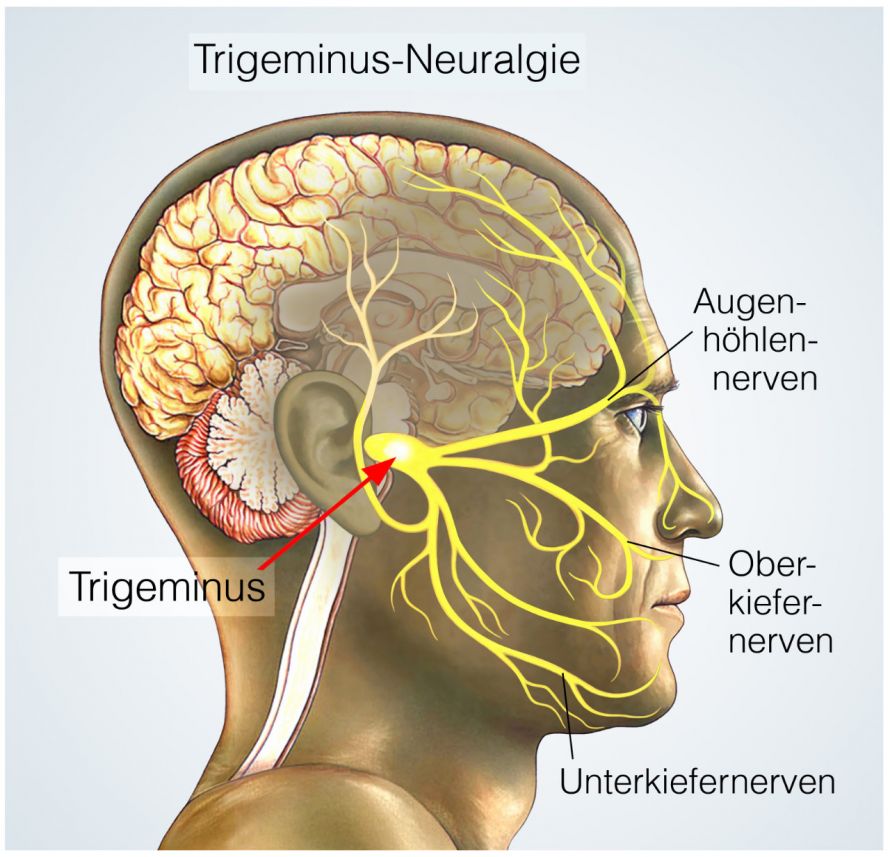
Sulphur
Constant heat on top of head. Heaviness and fullness, pressure in temples. Beating headache; worse, stooping, and with vertigo. Sick headache recurring periodically. Tinea capitis, dry form. Halo around light. Heat and burning in eyes. Black motes before eyes. Chronic ophthalmia, with much burning and itching. Parenchymatous keratitis. Cornea like ground glass.
Sulphuricum Acidium
Right-sided neuralgia; painful shocks; skin feels pinched. Sensation as if brain was loose in forehead and falling from side to side. Compressive pain inside of occiput; relieved by holding the hands near the head. Pain of outer parts, as if there were subcutaneous ulceration; painful to touch. Thrust in right temple as if plug were pressed in. Intra-ocular hemorrhage following traumatism. Great chemosis of conjunctiva, with aching and sharp pain.
Kalmia Latifolia
Vertigo; worse stooping. Confusion of brain. Pain in front and temporal region from head to nape and to teeth; from cardiac origin. Vision impaired. Stiff, drawing sensation when moving eyes. Rheumatic iritis. Scleritis, pain increased by moving the eye.
Plantego Major
Ciliary neuralgia. Twinges of pain indifferent parts of head, now through r. temple, extending backward; then through occiput from ear to ear; then in other parts of head more or less severe. Severe, lightning-like stitches over eye, disappearing suddenly, involving whole forehead, and accompanied at the height with nausea at pit of stomach; increases with hard pressure, with cold hand, decreases with warmth. Intermittent pulsative pain in vertex and in small spot beneath scalp. Headache with toothache.
Ciliary neuralgia from decayed teeth; dull, heavy ache in eye, with exquisite tenderness of ball. Aching deep in orbit. Lids sore, swollen.
Arnica Montana
Head hot, with cold body; confused; sensitiveness of brain, with sharp, pinching pains. Scalp feels contracted. Cold spot-on forehead. Chronic vertigo: objects whirl about especially when walking. Diplopia from traumatism, muscular paralysis, retinal hemorrhage. Darting, pulling, and shootings in the head, principally in the temples.
Hypericum Perforatum
Heavy; feels as if touched by an icy cold hand. Throbbing in vertex; worse in close room. Brain seems compressed. Right side of face aches. Brain-fag and neurasthenia. Facial neuralgia and toothache of a pulling, tearing character, with sadness. Head feels longer elongated to a point. In fractured skull, bone splinters. Brain feels alive. Pains in eyes and ears. Falling out of hair.
Symphytum Officinale
Pain in occiput, top and forehead; changing places. Pain comes down bone of nose. Inflammation of inferior maxillary bone, hard, red, swelling.
Belladonna
Vertigo, with falling to left side or backwards. Sensitive to least contact. Throbbing and heat. Palpitation reverberating in head with labored breathing. Pain; fullness, especially in forehead, occiput, and temples. Boring of head into pillow; drawn backward and rolls from side to side. Constant moaning. 
Face red, bluish-red, hot, swollen, shining; convulsive motion of muscles of face. Swelling of upper lip. Facial neuralgia with twitching muscles and flushed face. Throbbing deep in eyes on lying down. Pupils dilated. Eyes feel swollen and protruding, staring, brilliant; conjunctiva red; dry, burn; photophobia; shooting in eyes. Exophthalmos. Ocular illusions; fiery appearance. Diplopia, squinting, spasms of lids. Sensation as if eyes were half closed. Eyelids swollen. Fundus congested.
Silica Tera
Headache every morning. Tension and pressure in the head. Tearing pains in the head, often semi lateral, with shootings which seem to pass out through the eyes, and into the bones of the face and the teeth, or which manifest themselves every morning, with heat in the head, principally in the forehead, great restlessness.
Zinc Metallicum
It corresponds to nerve-poisoning of various kinds. Rolls head from side to side. Bores head into pillow: occipital pain, with weight on vertex. Alzheimer’s disease. Brain-fag; headaches of hard office work/students. Forehead cool; base of brain hot. Roaring in head. Starting in fright.
Pterygium; smarting, lachrymation, itching. Pressure as if pressed into head. Itching and soreness of lids and inner angles. Ptosis. Rolling of eyes. Blurring of one-half of vision; worse with allopathic stimulants or supplements. Squinting. Amaurosis, with severe headache. Red and inflamed conjunctiva; worse, inner canthus.
Ignatia Ammara
Head feels hollow, heavy; worse, stooping. Headache as if a nail were driven out through the side. Cramp-like pain over root of nose. Congestive headaches following anger or grief; worse, smoking or smelling tobacco, inclines head forward. Asthenopia, with spasms of lids and neuralgic pain about eyes. Flickering zigzags.
Sepia Officianalis
Vertigo, with sensation of something rolling round in head. Prodromal symptoms of apoplexy. Stinging pain from within outward and upward mostly left, or in forehead, with nausea, vomiting; worse indoors and when lying on painful side. Jerking of head backwards and forwards. Coldness of vertex. Headache in terrible shocks at menstrual nisus, with scanty flow. Hair falls out. Open fontanelles. Roots of hair sensitive. Pimples on forehead near hair.
Onosmodium Virginianum
Loss of memory. Nose feels dry. Confused. Dull, heavy, dizzy, pressing upward in occiput. Occipital-frontal pain in morning on waking, chiefly left side. Pain in temples and mastoid. Dull headache over eye, extending around to back of head and neck.
P. S: This article is only for doctors and students having good knowledge about Homeopathy and allopathy.

For proper consultation and treatment, please visit our clinic.
 Dr. Sayyad Qaisar Ahmed (MD {Ukraine}, DHMS), Abdominal Surgeries, Oncological surgeries, Gastroenterologist, Specialist Homeopathic Medicines.
Senior research officer at Dnepropetrovsk state medical academy Ukraine.
Location: Al-Haytham clinic, Umer Farooq Chowk Risalpur Sadder (0923631023, 03119884588), K.P.K, Pakistan.
Find more about Dr Sayed Qaisar Ahmed at:
https://www.youtube.com/Dr Qaisar Ahmed
https://www.facebook.com/ahmed drqaisar