

Tinea Versicolor or Pityriasis Versicolor Skin is a fungal infection that tends to cause small, discolored patches on skin by interfering with its normal pigmentation is known as tinea versicolor.
This condition mostly affects teenagers and results in patches that are either lighter or darker than the surrounding skin.
Tinea versicolor, which is also called pityriasis versicolor, is not painful or contagious. But it can lead to emotional distress or self-consciousness. Antifungal creams, lotions or shampoos can help treat tinea versicolor. But even after successful treatment, skin color may remain uneven for several weeks or months. This condition often tends to recur depending upon the weather conditions and are more apparent due to sun exposure.
In most cases, Tinea Versicolor or Pityriasis Versicolor affects the trunk shoulders and back of the body and sometimes also cause mild itching.
What is Tinea Versicolor or Pityriasis Versicolor Skin?
A skin condition caused due to Malassezia Fungal infection that tends to result in the appearance of small, discolored patches in different parts of the body, this Malassezia fungus generally lives on the surface of our skin.
Causes
A yeast called Malassezia causes tinea versicolor; it normally lives on the skin of most adults without producing disease. It exists in two forms, a yeast form and a form that resembles “penne and meatballs” when viewed microscopically.
This second form makes patches of discolored slightly scaly skin called tinea versicolor. Medical professionals believe that a chemical produced by Malassezia, azelaic acid, is responsible for the loss of pigment. Most people with this condition are perfectly healthy.
Because the tinea versicolor or pityriasis versicolor fungus is part of the normal adult skin flora, this condition is not overtly contagious. It often recurs after treatment, but usually not immediately, so treatment may need to be repeated only every year or two.
Where a yeast called Malassezia is the reason behind this infectious condition, it is important to know that. Tinea versicolor is caused when there is an uncontrolled growth of this yeast all over the skin due to some of the following reasons-
- Oily skin.
- Hot or humid weather conditions.
- Weak immune system.
- Excessive sweating.
- Hormonal changes.
- A weakened immune system.
Symptoms
- Patches that are white, pink, red, or brown and may be lighter or darker than the skin around them.
- Spots that don’t tan the way the rest of your skin does.
- Spots that show up more boldly when you do tan.
- Spots that may occur anywhere on your body but are most commonly seen on your neck, chest, back, and arms.
- Spots that are dry and scaly and may itch or hurt, although this is rare.
Diagnosis
Where symptoms are an alarming sign of a condition, one needs a proper diagnosis to get to the root of the problem. Here are some of the diagnosis techniques that your doctor might use to diagnose the condition of tinea versicolor-
- Skin Biopsy- A diagnosis treatment that requires a skin sample that is scraped from the affected area. This sample is then taken under a microscope for closer observation.
- Black Light Examination- A diagnosis process that uses ultraviolet lights that are reflected on the affected area. If the color of light turns fluorescent in color, then it is an indication of tinea versicolor.
- Potassium hydroxide microscopy- A very unique technique that includes dipping the removed skin cell into potassium hydroxide and observing it under a microscope.
Differentiation:
Some skin problems have symptoms that look like tinea versicolor or pityriasis versicolor for example:
Vitiligo: a disease that makes you lose your skin color
Pityriasis rosea: a rash that causes small spots that fan out on your body.
Allopathic Treatment for Tinea Versicolor or Pityriasis Versicolor
Many antifungal agents are available to apply to the skin to treat tinea versicolor or pityriasis versicolor.
Over the counter (OTC) remedies include:
- clotrimazole
- miconazole
- ciclopirox
Apply these twice a day for 10-14 days. Unfortunately, these come in small tubes and are hard to apply to large areas. Sprays of clotrimazole are available and can be a more practical treatment approach. Another OTC option is selenium sulfide shampoo 1% or 1% ketoconazole shampoo. Some doctors recommend applying these for 15 minutes twice a week for two to four weeks.
Many prescription-strength antifungal creams can treat tinea versicolor, as well as a stronger form of selenium sulfide (2.5%) and prescription-strength ketoconazole shampoo (2%). However, these pose the same application problems as their OTC counterparts.
Oral treatment for tinea versicolor has the advantage of simplicity. Two doses of fluconazole or itraconazole a week for four weeks can be pretty effective. Some common medications such as alprazolam and montelukast may interact with fluconazole, so your doctor will need to know what other drugs you take before treating tinea versicolor orally.
Terbinafine is not an effective treatment for this disease.
Homeopathic Treatment for Tinea Versicolor or Pityriasis Versicolor
Tinea Versicolor or Pityriasis Versicolor and even vitiligo is easily curable with Homeopathic treatment; here are few best proven Homeopathic medicines for these diseases:
Sulphur
Dry, scaly, unhealthy; every little injury suppurates. Freckles. Tinea versicolor or pityriasis versicolor. Itching, burning; worse scratching and washing. Pimply eruption, pustules, rhagades, hangnails. Excoriation, especially in folds. Feeling of a band around bones. Skin affections after local medication. Pruritus, especially from warmth, is evening, often recurs in springtime, in damp weather.
Zincum Metalicum 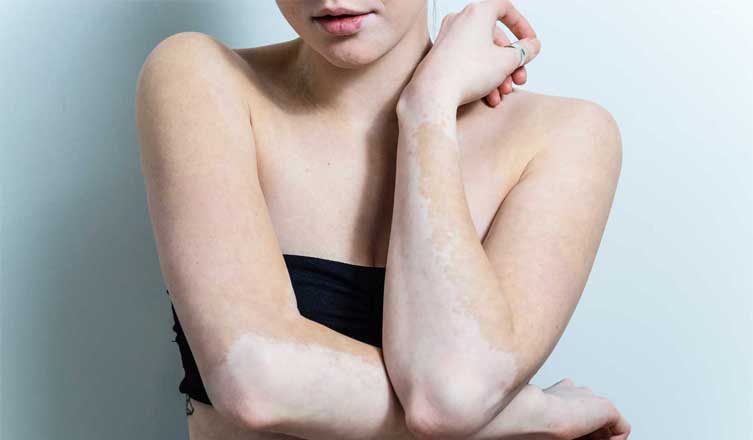
Formication of feet and legs as from bugs crawling over the skin, preventing sleep. Eczema, especially in the anemic and neurotic. Itching of thighs and hollow of knees. Retrocession of eruptions. Tinea versicolor or pityriasis versicolor.
Sepia Officianalis
Herpes circinatus in isolated spots. Itching; not relieved by scratching; worse in bends of elbows and knees. Chloasma; herpetic eruption on lips, about mouth and nose. Tinea versicolor or pityriasis versicolor. Ringworm-like eruption every spring. Urticaria on going in open air; better in warm room. Hyperhidrosis and bromhidrosis. Sweat on feet, worse on toes, intolerable odor. Lentigo in young women. Ichthyosis with offensive odor of skin.
Mezereum
Eczema; intolerable itching; chilliness with pruritus; worse in bed. Tinea versicolor or pityriasis versicolor. Ulcers itch and burn, surrounded by vesicles and shining, fiery-red areola. Zona, with burning pain. Bones, especially long bones, inflamed and swollen; caries, exostosis; pain worse night, touch, damp weather. Eruptions ulcerate and form thick scabs under purulent matter exudes.
Thuja Occidentalis
Polypi, tubercles, warts epithelioma, naevi, carbuncles; ulcers, especially in ano-genital region. Freckles and blotches. Perspiration sweetish, and strong. Dry skin, with brown spots. Zona; herpetic eruptions. Tinea versicolor or pityriasis versicolor. Glandular enlargement. Nails crippled; brittle and soft. Eruptions only on covered parts; worse after scratching. Very sensitive to touch. Coldness of one side. Sarcoma; polypi. Brown spots on hands and arms.
Mercuris Solubus
Almost constantly moist. Persistent dryness of the skin contra indicates mercurius. Excessive odorous viscid perspiration; worse, night. General tendency to free perspiration, but patient is not relieved thereby. Vesicular and pustular eruptions. Tinea versicolor or pityriasis versicolor. Ulcers, irregular in shape, edges undefined. Pimples around the main eruption. Itching, worse from warmth of bed. Crusta lactea; yellowish-brown crusts, considerable suppuration. Glands swell every time patient takes cold. Buboes. Orchitis.
Clematis Erecta
Red, burning, vesicular, scaly, scabby. Itches terribly; worse, washing in cold water; worse face and hands and scalp around occiput. Glands hot, painful, swollen; worse inguinal glands. Glandular indurations and tumors of breast. Varicose ulcers. Tinea versicolor or pityriasis versicolor.
Tellurium Metallicum
Itching of hands and feet. Herpetic spots; ringworm. Ring-shaped lesions, offensive odors from affected parts. Barber’s itch. Stinging in skin. Fetid exhalations. Offensive foot-sweat. Eczema, back of ears and occiput. Circular patches of eczema. Tinea versicolor or pityriasis versicolor.
Thyroidinum
Psoriasis associated with adiposity (not in developing stage). Skin dry, impoverished. Cold hands and feet. Eczema. Uterine fibroids. Browne swelling. Swelling of glands of stony hardness. Sluggish cases. Jaundice with pruritus. Ichthyosis, lupus. Itching without eruption, worse night.
Kalium Sulphuricum
Psoriasis. Eczema; burning, itching, papular eruption. Nettle-rash. Polypi. Epithelioma. Seborrhoea. Favus. Ringworm of scalp or beard with abundant scales.
Hamamelis Virginiana
Bluish chilblains. Phlebitis. Purpura. Varicose veins and ulcers; very sore. Burns. Ecchymosis. Traumatic inflammations.
Calceria Carbonicum
Unhealthy; readily ulcerating; flaccid. Small wounds do not heal readily. Glands swollen. Nettle rash; better in cold air. Warts on face and hands. Petechial eruptions. Chilblains. Boils.
Arsenicum Album 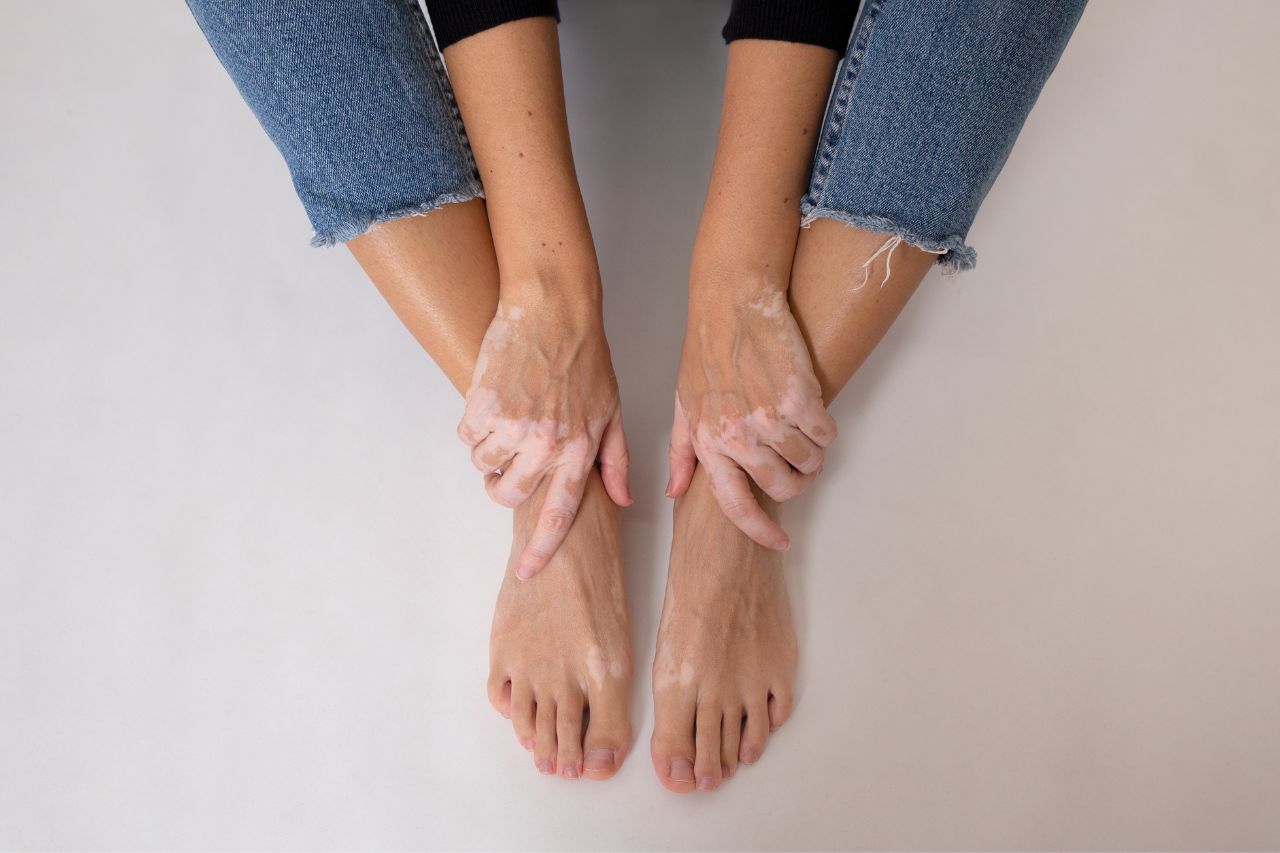
Itching, burning, swellings; oedema, eruption, papular, dry, rough, scaly; worse cold and scratching. Malignant pustules. Ulcers with offensive discharge. Anthrax. Poisoned wounds. Urticaria, with burning and restlessness. Psoriasis. Scirrhous. Icy coldness of body. Epithelioma of the skin. Gangrenous inflammations.
Arsenic Sulphuratum Flavum
Leukoderma and squamous syphilides. Sciatica and pain around the knee.
Berberis Aquifolium
The top recommendation for clearing acne scars, reducing spots, and bringing a natural glow. Waxy, yellowish white. Eczema. Herpes. Pityriasis. Psoriasis. Spleen affections. Syphilis.
Antimuonium Crudum
Itching. Eruptions, measles and/or chickenpox-like eruption, miliary eruptions and nettle-rash. Tumors and blisters. Thick, hard scabs, often honey-yellow, here and there a crack oozing a green sanious fluid, burning. Urticaria white, with red areolae, which itch fearfully. Pustules with yellowish or brown scurf. Freckles. Hepatic spots. Deep spongy ulcers with gastric ulcers. Fistulous ulcers. Horn-like excrescences and disposition to abnormal organizations of the skin. Corns and callous excrescences on the feet. Nails discolored and deformed. Red and hot swellings. Degeneration of the skin. Fungus of the joints.
Antimuonium Tartaric
Itching in the skin. Itching pimples, and miliary eruption. Eruptions like scabies. Eruption of pustules, like varioloids, filled with pus, with red areola (like smallpox), and which afterwards form a crust, and leave a white scar. Itching round inveterate ulcers. Pustular eruption on different portions of the body, leaving a bluish-red mark.
Santalum Album
Used to improve skin complexion and reduce blemishes.
Medorrhinum
A powerful and deep-acting medicine, often indicated for chronic ailments due to suppressed gonorrhea. Yellow. Intense and incessant itching; worse night and when thinking of it. Fiery red rash about anus in babies. Copper-colored spots. Favus. Tumors and abnormal growth.
Psorinum
Dirty, dingy look. Dry, lusterless, rough hair. Intolerable itching, skin gets raw or may even start to bleed. Herpetic eruptions, especially on scalp and bends of joints with itching; worse, from warmth of bed. Enlarged glands. Sebaceous glands secrete excessively, oily skin. Indolent ulcers, slow to heal. Eczema behind ears. Crusty eruptions all over. Urticaria after every exertion. Pustules near fingernails.
Acid Nitricum
Dryness of the skin. Itching urticaria. Blackness of pores. Brown sphacelus. Reddish-brown spots (scattered over body, especially in Caucasian people) and deep-colored ephelis on skin. Copper or violet-colored spots. Itching tetters. Pimples, or exanthema in general; stinging exanthema. Pain from chilblains and corns on feet. In a moderately cold temperature limbs become as if frozen, inflamed, and itching, and skin cracks. Large furunculi. Mercurial ulcers.
Silicia Tera
Felons, abscesses, boils, old fistulous ulcers. Delicate, pale, waxy. Cracks at end of fingers. Painless swelling of glands. Rose-colored blotches. Scars suddenly become painful. Pus offensive. Promotes expulsion of foreign bodies from tissues. Every little injury suppurates. Long lasting suppuration and fistulous tracts. Dry finger tips. Eruptions itch only in daytime and evening. Crippled nails. Indurated tumors. Abscesses of joints. After impure vaccination. Bursa. Lepra, nodes, and coppery spots. Keloid growths.
Staphisagria
Tingling, as from insects, over whole body. Chronic miliary eruptions, sometimes with convulsive jerks. Eczema; thick scabs, dry, and itch violently; scratching changes location of itching. Herpetic eruptions, with itching in evening; and burning sensation after scratching them. Tinea Versicolor. Arthritic nodosities on the joints. Dry, crusty tetters on the joints. Painful engorgement and induration of the glands. Unhealthy skin, easily suppurating. Frequent furunculi. Ulcers, with tearing shootings (gnawing pains), or itching smarting. Jerking and tearing round ulcers. Wens and encysted tumors burst after Staphisagria.
Natrum Muriaticum
Greasy/oily skin and hairs. Dry eruptions. Itching and pricking in skin. Rash over whole body, with stinging sensation in skin. Pityriasis. Fever blisters. Urticaria; itch and burn. Crusty eruptions in bends of limbs, margin of scalp, behind ears. Cracks in the skin. Warts on palms of hands. Eczema; raw, red, and inflamed; worse, eating salt, at seashore. Affects hair follicles. Alopecia. Hives, itching after exertion. Herpes circinate. Leucocythemia/leukemia. Seborrhea.
Phosphorus
Ecchymosis (purple large flat patch on skin). Ephelis (brown and or white patches on skin). Odour of body, changed. Fungus haematodes (an archaic 19th-century medical term for a highly vascular, soft malignant tumor, most commonly identified as retinoblastoma or similar encephaloid (brain-like) cancers. It was historically described as “soft cancer” or a bleeding fungus-like growth, often appearing in the eye or extremities). Wounds bleed very much, even if small; they heal and break out again. Jaundice. Little ulcer outside of large ones. Petechiae. Ecchymosis. Purpura hemorrhagic. Scurvy.
Borax Veneta
Psoriasis. Erysipelas in face. Itching on back of finger-joints. Herpes. Erysipelatous inflammation with swelling and tension. Chilblains relieved in open air. Trade eruptions on fingers and hands, itching and stinging. Ends of hair become tangled/Plica-polonica. Psoriasis. Skin difficult to heal; dingy, unhealthy, every injury tends to ulceration. Erysipelatous inflammations, with swelling and tension of the part affected. Tinea Versicolor or Pityriasis Versicolor. Erysipelatous inflammation, with chilliness, followed by heaviness and pulsation in the head; later, bleeding of the nose. Tendency of old wounds to suppurate. Whitish pimples, with red areola. Purulent and phagedenic vesicles.
Baryta Carbonicum
Arterial fibrosis. Blood-vessels soften and degenerate, become distended, and aneurisms, ruptures, and apoplexies result. degenerative changes. Sensation in different parts, like the pricks of burning needles, itching and crawling sensations. Intolerable itching and tingling over the whole body at night. Excoriation and oozing in several parts of the skin. Injuries in the skin healing with difficulty. Swelling and induration of the glands. Whitlows.
Baryta Muriaticum
Pricking in the skin. Burning and pricking in excoriated places. Small itchy eruptions. Glands inflamed and ulcerated. Hemorrhages. Tinea Versicolor or Pityriasis Versicolor.
Kalium Bromatum
Nodular form of chronic gout. Acne of face, pustules. Itching; worse on chest, shoulders, and face. Anaesthesia of skin. Psoriasis.
Lycopodium Clavatum
Skin ulcers. Abscesses beneath skin. Hives. Violent itching; fissured eruptions. Acne. Chronic eczema associated with urinary, gastric and hepatic disorders, bleeds easily. Skin becomes thick and indurated. Varicose veins, naevi, erectile tumors. Brown spots, freckles worse on left side of face and nose. Dry, shrunken, especially palms; hair becomes prematurely gray. Dropsies. Offensive secretions; viscid and offensive perspiration. Psoriasis.
Psoralea Corylifolia (Babchi)
Sometimes used as a “mother tincture” for external application to stimulate re-pigmentation when exposed to sunlight.
Bovista
Facial pimples, dark skin or any other skin affection caused by the injudicious use of cosmetic products can benefit from the use of the remedy Bovista which is used to clear the skin. Bovista holds a significant place among homeopathy medicines for the treatment of skin problems consequent to the excessive use of cosmetics. Bovista helps in clearing facial skin and makes it look bright and glowing. It also removes pimples or other afflictions resulting from the use of cosmetics.
Mercurius Solubilis
Almost constantly moist. Excessive odorous viscid perspiration; worse, night. General tendency to free perspiration, but patient is not relieved thereby. Vesicular and pustular eruptions. Ulcers, irregular in shape, edges undefined. Pimples around the main eruption. Itching, worse from warmth of bed. Crusta lactea; yellowish-brown crusts, considerable suppuration. Glands swell every time patient takes cold. Buboes. Orchitis.
Kalium Bromatum
Acne of face, pustules. Itching; worse on chest, shoulders, and face. Anesthesia of skin. Psoriasis. Sebaceous cysts. Seborrhea.
P. S: This article is only for doctors and students having good knowledge about Homeopathy and allopathy.

For proper consultation and treatment, please visit our clinic.
 Dr. Sayyad Qaisar Ahmed (MD {Ukraine}, DHMS), Abdominal Surgeries, Oncological surgeries, Gastroenterologist, Specialist Homeopathic Medicines.
Senior research officer at Dnepropetrovsk state medical academy Ukraine.
Location: Al-Haytham clinic, Umer Farooq Chowk Risalpur Sadder (0923631023, 03119884588), K.P.K, Pakistan.
Find more about Dr Sayed Qaisar Ahmed at:
https://www.youtube.com/Dr Qaisar Ahmed
https://www.facebook.com/ahmed drqaisar