

Acne Pimples and Blackheads are a skin condition that is commonly referred to as pimples.
Acne occurs when skin pores get clogged by grease, dust and/or makeup particles. Each pore is connected to the hair follicle from which hair is emerged out. At the side of the hair follicle the sebum gland is present which produce sebum (oily substance on the skin).
Generally, the oil glands help to keep the skin lubricated and protects from damage by the sun heat UV rays and other substances.
Hormones
Sometimes due to hormonal effects, especially the androgen hormones (especially in puberty), the sebaceous gland produces excessive grease/oil, in result pores become blocked, accumulating dirt, debris and bacteria. The more secretion of sebum is caused by the hormonal effects, especially the androgen hormones.
When the HAIR FOLLICLES become plugged in pores, oil and dead skin cells called blackheads, blemishes, whiteheads, pimples, or zits. Hair follicles are connected to oil glands (sebaceous glands).
In other words,……When your body produces an excess amount of sebum that accumulate inside the follicle and combining with dead skin cells form a SOFT PLUG. If the clogged pore becomes infected with bacteria, inflammation results and cause the follicle wall to bulge out (abscess) that is called acne or pimples. 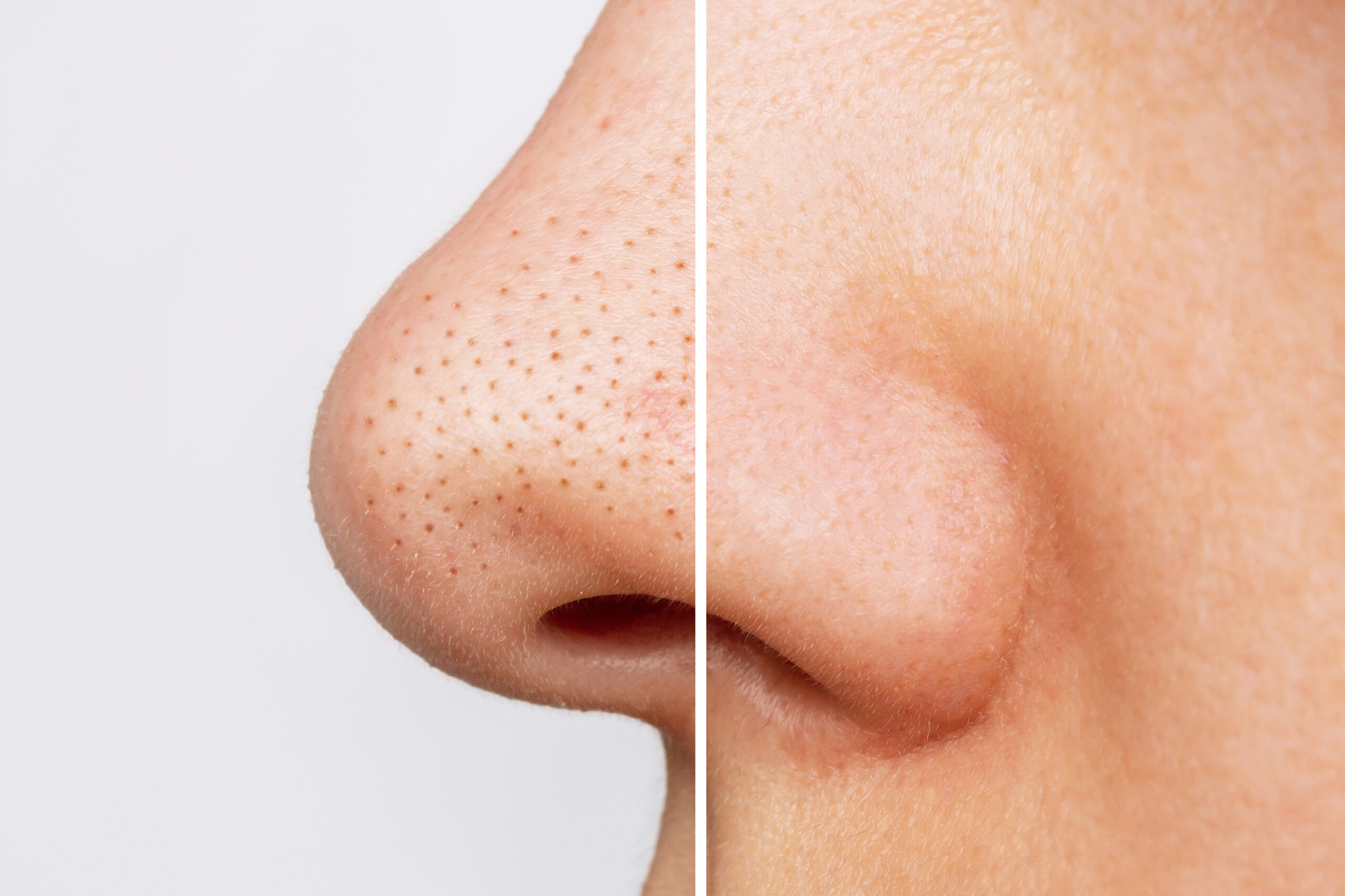
Types of Acne Pimples & Blackhead:
Non- inflammatory Acne (Non inflammatory acne includes blackheads and whiteheads. These normally don’t cause swelling) and
Inflammatory Acne or Pimples (Pimples are red and swollen and are inflamed, for example: Papules, pustules and Nodules)
1. Blackheads:
They clearly visible on the face skin. Blackheads are developing when a pore is clogged by a combination of sebum and dead skin cells. The top of the pore stays open, despite the rest of it being clogged.
2. Whitehead:
Whiteheads are a mild form of acne, they are small, round, white bumps on the skin’s surface.
This type of acne occurs when a pore becomes clogged with sebum, dead skin cells, and debris, but does not open outside and is covered with a thin layer of skin. It appears white on its surface. Whiteheads could be on the face, shoulders, neck, chest, and spine.
3. Papules:
Papules are a type of acne vulgaris that show up small bumps on the face.
This sort of acne happens when a pore becomes blocked with sebum, dead skins cells and the inflammation set in, inflammation brakes down the surrounding wall of the pores and form bumps like structures. The skin around these pores is typically pink and painful/tender to touch.
4. Pustules:
Pustules are similar to papules; they are clearly visible on the skin surface; They are red at their base and have whitish or yellowish pus; they are painful to touch.
5.Nodules:
This nodular type of acne is hard and larger than papules and postures. They are extensive, solid, painful and nodular like deep seated in the skin. These sorts of acnes could cause scar formation if not treated in time. ![Acne] Why does this always happen? Steamed face followed by squeezing blackheads = inflamed pimples : r/SkincareAddiction](https://preview.redd.it/md6954rcopl71.jpg?width=640&crop=smart&auto=webp&s=c878738958d0bf9cb3bd8dcc9ae6346dd6d4bf5e)
6. Cysts:
Cysts develops when pores are blocked by a combination of bacteria, sebum, and dead skin cells, theses blocks are deep within the skin and further below the surface than nodules. They are larger than nodules and appeared like a cystic structure. They are painful and filled with pus. Cysts can cause scars.
Factors that stimulate sebaceous gland to secrete more sebum
More androgen hormone secretion- The sebum glands are very sensitive to androgen hormone. Rising of androgen hormone levels cause the oil glands to more enlarge and to produce more sebum. Excessive sebum can break down cellular walls in the pores, causing bacteria to grow.
Food habits
Unhealthy food habits like junk foods, fast foods, fatty foods etc also contribute factor of more androgen secretion which in results acne formation.
Unhealthy lifestyle
Sedentary lifestyle, lack of exercise, habitual irregular meals, late night sleep and/or insomnia etc., are also could be major cause(s) for acne formation.
Stress
Staying constantly in a stress, pressure packed lifestyle, compromission or suppression of natural emotions either due to situation demand or by the own nature, can put a major impact on endocrine system including sebum gland. That can also a contributing factor for development of acne. The suppression of emotion of any form like anger, grieves, vexation, anxiety, jealousy etc., all affects the hypothalamic–pituitary–adrenal axis and thus all body/health.
Medicines
Some allopathic medications contain corticosteroids androgen and lithium, also increase the androgen hormone level and causes of more acne pimples and blackheads development. Birth control pills can also cause acne. 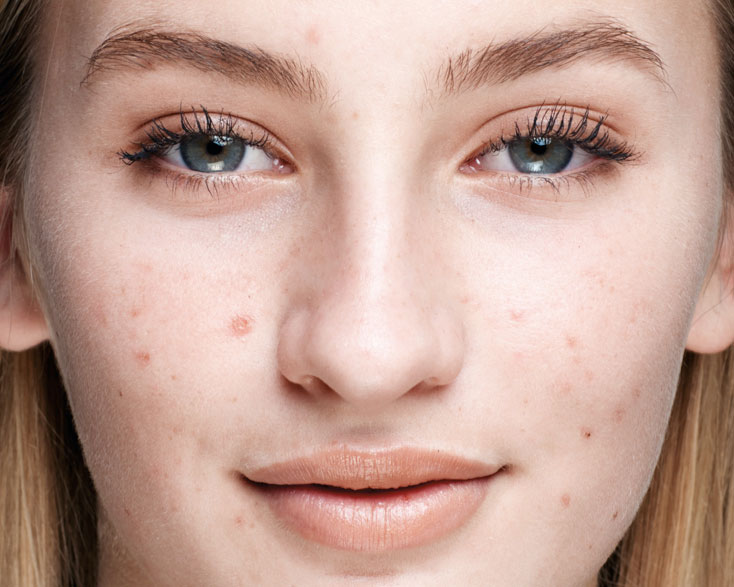
Cosmetics
greasy cosmetics are also causing acne more. Cosmetic induced acne generally occurs on the chin and cheeks; these acne presents as small, whitish bumps, which are more noticeable when the skin is stretched.
Menstrual cycle
Acne appears during the menstrual cycle because fluctuating hormone levels during this period, and sometimes in pregnancy too.
Propionibacterium acne
Propionibacterium acne is a bacterium that lives on human skin and uses the sebum as nutrients/food. More sebum secretion makes a suitable environment for growth of Propionibacterium acne and sets up an inflammatory condition and develop acne.
Allopathic treatment for acne pimples and blackheads
Over the Counter (OTC) Products
Allopathic solutions include medicated cleansers, lotions, creams, gels, and face pads. They typically contain acne-fighting ingredients such as:
- Benzoyl peroxide,
- Glycolic acid,
- Salicylic acid,
- Azelaic acid,
- Niacinamide,
- Topical retinoids.
These ingredients work by either preventing the plugging of hair follicles, fighting bacteria on the skin, reducing oil production, or exfoliating the top layer of skin.
Allopathic medications
Retinoids
The most commonly prescribed topical retinoids for acne vulgaris include adapalene, tazarotene, and tretinoin. These retinoids should be applied once daily to clean, dry skin, but they may need to be applied less frequently if irritation occurs. Skin irritation with peeling and redness may be associated with the early use of topical retinoids and typically resolves within the first few weeks of use.
Topical antibiotics
They also have anti-inflammatory properties. Topical antibiotics are not comedolytic, and bacterial resistance may develop to any of these agents. Commonly prescribed topical antibiotics for acne vulgaris include clindamycin, erythromycin, and, more recently, dapsone and minocycline.
Dapsone
Topical dapsone is a new sulfone antibiotic with anti-inflammatory properties that has been shown to be effective for mild-to-moderate acne, and it has a convenient once-daily application schedule. It is available as 5% twice-daily and 7.5% once-daily formulations.
Minocycline
Topical foam Minocycline 4% was evaluated in three 12-week phase 3 trials (n=2418) in patients aged 9 years or older. Each study demonstrated statistically significant disease improvement with minocycline topical compared with vehicle for the coprimary endpoint of absolute reduction of inflammatory lesions and investigator assessment. Side effects – still under experimental stage.
Antibiotic resistance in C acnes (formerly P acnes) is common and is a significant threat to acne treatment. Antimicrobials should be combined with a topical retinoid for greater clearing of lesions and to increase the potential for shortened antibiotic treatment. They should be used with benzoyl peroxide to reduce the likelihood of resistance.
Concurrent use of oral and topical antibiotics should be avoided and should not be used as monotherapy. If acne relapses, use the same antibiotic if it was previously effective. 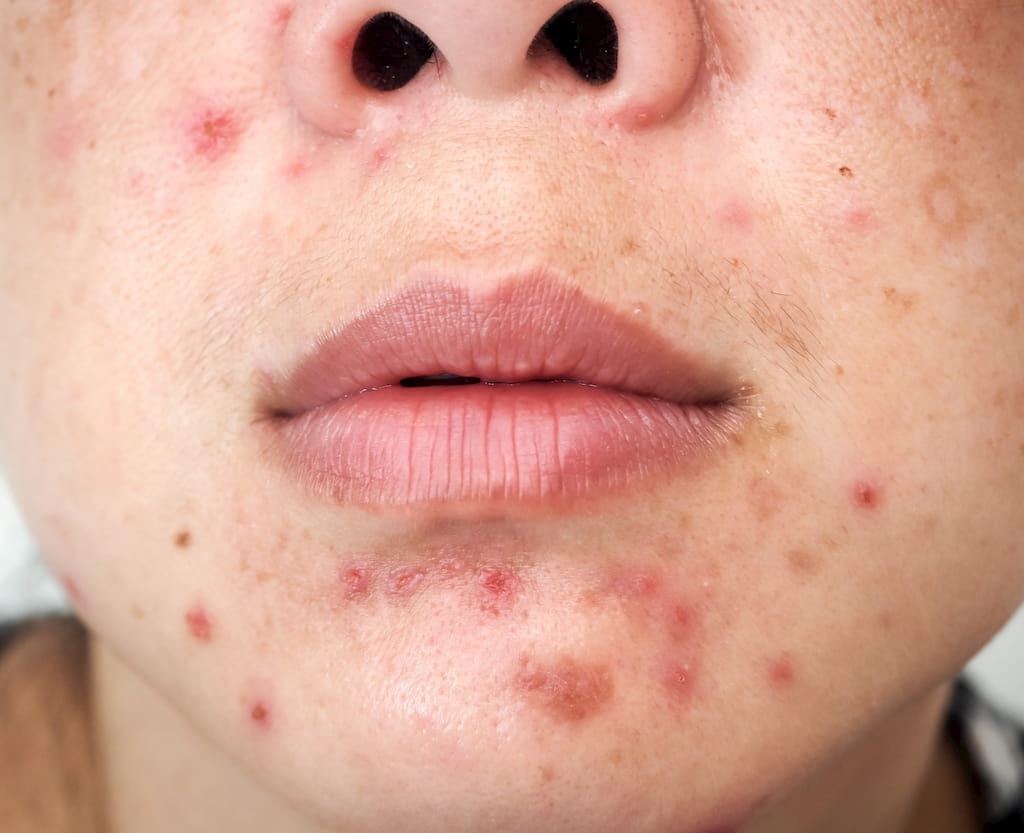
Benzoyl peroxide
It may also be helpful to use benzoyl peroxide for 5-7 days between antibiotic courses to reduce resistance in organisms on the skin. Benzoyl-O1 products are also effective against C acnes (formerly P acnes).
Benzoyl peroxide products are available over the counter and by prescription in a variety of topical forms, including soaps, washes, lotions, creams, and gels. Benzoyl peroxide products may occasionally cause a true allergic contact dermatitis. More often, an irritant contact dermatitis develops, especially if used with tretinoin or when accompanied by aggressive washing methods. If intensive erythema and pruritus develop, a patch test with benzoyl peroxide is indicated to rule out allergic contact dermatitis.
Androgen receptor antagonists
Clascoterone 1% topical cream is a first-in-class topical androgen receptor inhibitor approved for acne vulgaris in patients aged 12 years and older. The exact mechanism is unknown.
Systemic treatments
Oral antibiotics
Systemic antibiotics are a mainstay in the treatment of moderate-to-severe inflammatory acne vulgaris. These agents have anti-inflammatory properties, and they are effective against C acnes (formerly P acnes). The tetracycline group of antibiotics is commonly prescribed for acne. The more lipophilic antibiotics, such as doxycycline and minocycline, are generally more effective than tetracycline.
Sarecycline
Sarecycline is a new first-in-class tetracycline-derived antibiotic indicated for adults and children aged 9 years and older with non-nodular moderate-to-severe acne vulgaris. Compared with currently available tetracyclines, it has a narrow spectrum of activity, including less activity against enteric gram-negative bacteria, and it also elicits anti-inflammatory effects.
Clinical trials showed onset of efficacy, observed by improvement of inflammatory lesions, was evident at the first follow-up visit (ie, 3 weeks).
Greater efficacy may also be due to less C acnes (formerly P acnes) resistance to minocycline. However, C acnes (formerly P acnes) resistance is becoming more common with all classes of antibiotics currently used to treat acne vulgaris. C acnes (formerly P acnes) resistance to erythromycin has greatly reduced its usefulness in the treatment of acne.
Sub-antimicrobial
Sub antimicrobial therapy or concurrent treatment with topical benzoyl peroxide may reduce the emergence of resistant strains. Enteric-coated, delayed-release formulations of doxycycline can further reduce gastrointestinal adverse effects.
Oral antibiotic use can lead to vaginal candidiasis; doxycycline can be associated with photosensitivity; and minocycline has been linked to pigment deposition of the skin, mucous membranes, and teeth.
Other antibiotics, including trimethoprim alone or in combination with sulfamethoxazole, and azithromycin, reportedly are helpful. 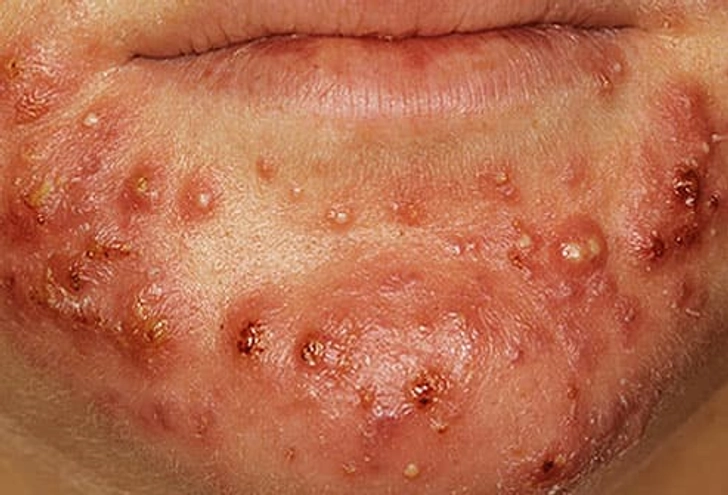
Hormonal therapies
Some hormonal therapies may be effective in the treatment of acne vulgaris. Estrogen can be used to decrease sebum production. Additionally, it reduces ovarian production of androgens by suppressing gonadotrophin release. Oral contraceptives also increase hepatic synthesis of sex hormone–binding globulin, resulting in an overall decrease in circulating free testosterone. Combination birth control pills have shown efficacy in the treatment of acne vulgaris, but severe and life side effect are the main concern.
Blood pressure drugs
Spironolactone may also be used in the treatment of acne vulgaris. Spironolactone binds the androgen receptor and reduces androgen production. Adverse effects include dizziness, breast tenderness, and dysmenorrhea. Dysmenorrhea may be lessened by co-administration with an oral contraceptive.
A 2015 large retrospective study of healthy women aged 18-45 years confirms potassium monitoring is unnecessary for these patients while taking spironolactone. Pregnancy must be avoided while taking spironolactone because of the risk of feminization of the male fetus, and spironolactone is not recommended for males because of the potential for gynecomastia
A black box warning regarding possible cancer risk was placed on spironolactone (developed both benign and malignant tumors)
Isotretinoin
It is a systemic retinoid at a dose of 0.5 mg/kg/d for 4 weeks and increased as tolerated until a cumulative dose of 120-150 mg/kg is achieved, effective in the treatment of severe, recalcitrant acne vulgaris. Isotretinoin causes normalization of epidermal differentiation, depresses sebum excretion by 70%, is anti-inflammatory, and even reduces the presence of C acnes (formerly P acnes).
Coadministration with steroids at the onset of therapy may be useful in severe cases to prevent initial worsening.
Side effects
Isotretinoin is a teratogen, so pregnancy must be avoided. Contraception counseling is mandatory, and two negative pregnancy test results are required prior to the initiation of therapy in women of childbearing potential. The baseline laboratory examination should also include cholesterol and triglyceride assessment, hepatic transaminase levels, and a CBC count. Pregnancy tests and a lipid panel and liver enzyme examination should be repeated monthly during treatment while dosing is changing.
Other adverse effects include dry skin, lips, and eyes; muscle aches; and headaches. Patients experiencing severe headaches, decreased night vision, or adverse psychiatric events should stop taking isotretinoin immediately. Mood changes and depression have also been reported during treatment.
Other studies have described new-onset depression in both isotretinoin and antibiotic groups, suggesting depression is associated with acne, regardless of treatment.
Inflammatory bowel diseases
IBD (Inflammatory bowel diseases) have also been controversially linked to isotretinoin use. A number of case reports have linked isotretinoin with the onset of IBD, with a wide variety of severity of acne, dose of isotretinoin, and duration of treatment prior to the development of IBD. Subsequent case-control and cohort studies had conflicting results, with some suggesting no association between isotretinoin and IBD and others suggesting an association between isotretinoin and ulcerative colitis but not Crohn disease.
While using isotretinoin, the patient is considered at high risk for abnormal healing and the development of excessive granulation tissue following procedures. Many dermatologists delay elective procedures, such as dermabrasion or laser resurfacing (eg, with carbon dioxide laser or erbium:YAG laser), for up to 1 year after completion of therapy.
Homeopathic Treatment for Acne Pimples & Blackhead
Homeopathy offers a very short-term cure to acne pimples and blackheads infections. Homeopathic medicines will target the root cause/triggers factors of the disease.
Antimonium Crudum
If acne is of granular like eruption, lumpy, red, burning, suppurating postural like eruptions on the face with red areola have an inflamed (red, and sensitive/painful) base.
Blotches type acne over cheek with heat sensation; Postural type acne: The emotional picture of the person could be depressed (the deep-seated triggers factor), exhausted for life.
Sulphur
Herpes across the nose. Dry, scaly, unhealthy; every little injury suppurates. Freckles. Itching, burning; worse scratching and washing. Pimply eruption, pustules, rhagades, hangnails. Excoriation, especially in folds. Feeling of a band around bones. Skin affections after local medication. Pruritus, especially from warmth, is evening, often recurs in springtime, in damp weather.
Hepar Sulphuricum
Yellowish complexion, unhealthy skin. Vesicular erysipelas, with pricking. Ulcers in corners of mouth. Papules prone to suppurate and extend. Acne in youth. Suppurate with prickly pain. Easily bleed. Angioneurotic edema. Chapped skin, with deep cracks on hands and feet. Ulcers, with bloody suppuration. Putrid ulcers, surrounded by little pimples. Great sensitiveness to slightest touch. Chronic and reoccurring urticaria. Smallpox. Herpes Cincinnatus. Constant offensive exhalation from the body.
Calceria Sulphuricum
Cuts, wounds, bruises, etc., unhealthy, discharging pus; they do not heal readily. Yellow, purulent crusts or discharge. Purulent exudates in or upon the skin. Skin affections with yellowish scabs. Many little matter less pimples under the hair, bleeding when scratched. Dry eczema in children.
Silica Tera
Pale and earthy complexion. White spots on cheeks, from time to time. Red, burning spots on cheeks and nose. Itching in whiskers. Furunculus on cheek. Cracks and rhagades. Scabious eruption on lips. Felons, abscesses, boils, old fistulous ulcers. Delicate, pale, waxy. Cracks at end of fingers. Painless swelling of glands. Rose-colored blotches. Scars. Side effects of vaccination: Bursa. Lepra, nodes, and coppery spots. Keloid growths.
Berberis Aquifolium
A medicine of the choice for the skin. Acne. Blotches and pimples. Clears the complexion. Pimply, dry, rough, scaly. Eruption on scalp extending to face and neck. Tumor of breast, with pain. Psoriasis. Acne. Dry eczema. Pruritus. Glandular induration.
Dulcamara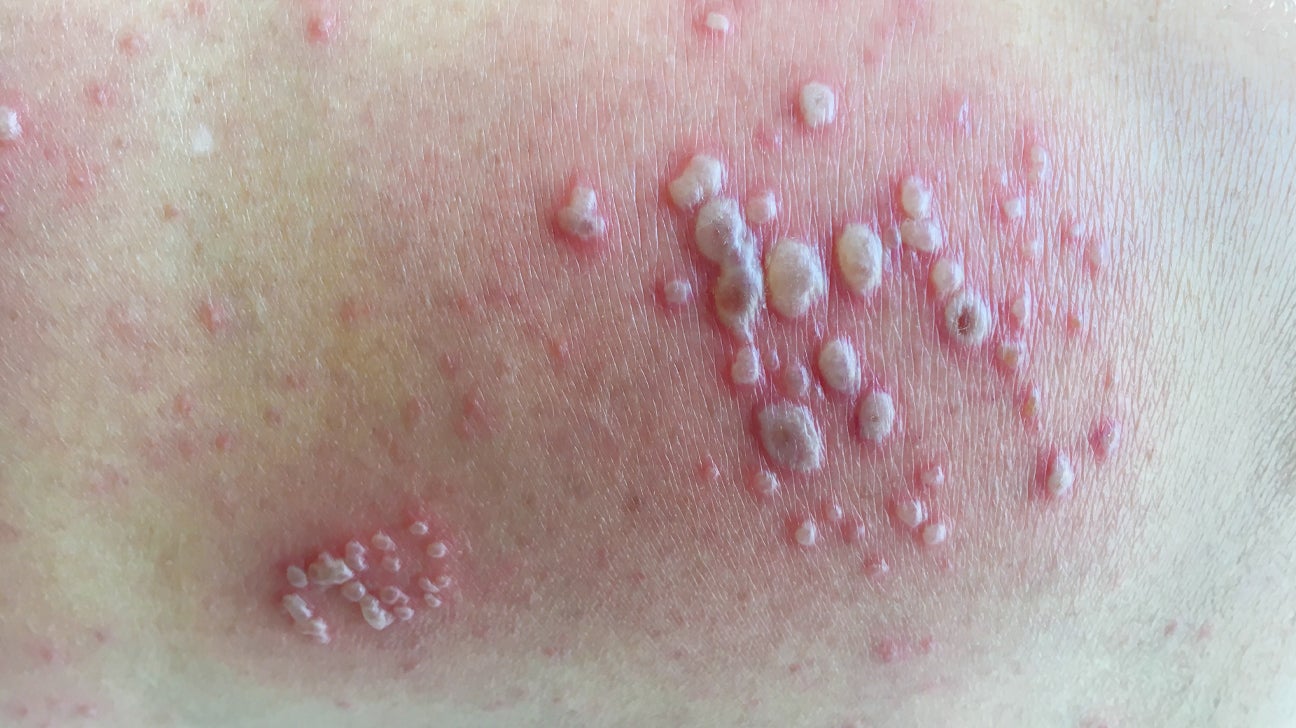
Humid eruption on cheeks and face generally. Adenitis. Pruritus, always worse in cold, wet weather. Herpes zoster, pemphigus. Swelling and indurated glands from cold. Vesicular eruptions. Sensitive bleeding ulcers on skin. Little boils. Red spots, urticaria, brought on by exposure, or sour stomach. Humid eruptions on face, genitals, hands, etc. Warts, large, smooth, on face and palmar surface of hands. Anasarca. Thick brown-yellow crusts, bleeding when scratched.
Bovista
Scurf and crusts about nostrils and corners of mouth. Lips chapped. Bleeding of nose and gums. Cheeks and lips feel swollen. Acne worse in summer; due to use of cosmetics. Blunt instruments leave deep impression on the skin. Urticaria on excitement, with rheumatic lameness, palpitation and diarrhea. Itching on getting warm. Eczema, moist; formation of thick crusts. Pimples cover the entire body; scurvy; herpetic eruptions. Pruritus ani. Urticaria on waking in the morning, worse from bathing. Pellagra.
Lycopodium
Grayish-yellow color of face, with blue circles around eyes. Withered, shriveled, and emaciated; copper-colored eruption. Itching; scaly herpes in face and corner of mouth. Ulcerates. Abscesses beneath skin; worse warm applications. Hives; worse, warmth. Violent itching; fissured eruptions. Acne. Chronic eczema associated with urinary, gastric and hepatic disorders, bleeds easily. Skin becomes thick and indurated. Varicose veins, naevi, erectile tumors. Brown spots, freckles worse on left side of face and nose. Dry, shrunken, especially palms; hair becomes prematurely gray. Dropsies. Offensive secretions; viscid and offensive perspiration, especially of feet and axilla. Psoriasis.
Natrum Muriaticum
Oily, shiny, as if greased. Earthy complexion. Fevers-blisters. Greasy, oily, especially on hairy parts. Dry eruptions, especially on margin of hairy scalp and bends of joints. Fever blisters. Urticaria; itch and burn. Crusty eruptions in bends of limbs, margin of scalp, behind ears. Warts on palms of hands. Eczema; raw, red, and inflamed; worse, eating salt, at seashore. Affects hair follicles. Alopecia. Hives, itching after exertion.
Causticum
Soreness in folds of skin, back of ears, between thighs. Warts large, jagged, bleeding easily, on tips of fingers and nose. Old burns that do not get well, and ill effects from burns. Pains of burns. Cicatrices freshen up; old injuries reopen. Skin prone to intertrigo during dentition.
Pulsatilla
Urticaria, after rich food, with diarrhea, from delayed menses, worse undressing. Measles. Acne at puberty. Varicose veins.
Psorinum
Swelling of upper lip. Pale, delicate. Humid eruption on face. Sickly. Dirty, dingy look. Dry, lusterless, rough hair. Intolerable itching. Herpetic eruptions, especially on scalp and bends of joints with itching; worse, from warmth of bed. Enlarged glands. Sebaceous glands secrete excessively, oily skin. Indolent ulcers, slow to heal. Eczema behind ears. Crusty eruptions all over. Urticaria after every exertion. Pustules near fingernails.
Arsenicum Iodatum
Acne vulgaris, acne of postural or nodular type. Dry, scaly, itching. Marked exfoliation of skin in large scales, leaving a raw exuding surface beneath. Ichthyosis. Enlarged scrofulous glands. Venereal bubo. Debilitating night-sweats. Eczema of the beard; watery, oozing, itching; worse, washing. Emaciation. Psoriasis. Acne hard, shotty, indurated base with pustule at apex.
Calcarea Carbonica
Crusta lactea; itching, burning after washing. Unhealthy; readily ulcerating; flaccid. Small wounds do not heal readily. Glands swollen. Nettle rash; better in cold air. Warts on face and hands. Petechial eruptions. Chilblains. Boils.
Asteria Rubens
Face red. Pimples on side of nose, chin and mouth. Disposition to pimples at adolescence. Destitute of pliability and elasticity. Itching spots. Ulcers, with fetid ichor. Acne. Psoriasis and herpes zoster worse left arm and chest. Enlarged axillary glands, worse, at night and in damp weather.
Kali Bromatum
The Acnes are of postural, indurate nature. Scars left after the acne heals up. Physical constitution is of obese, younger person.
The person is very nervous, depressed, low spirited in nature. The depression is mingled with anxiety and feels as if he would loss his mind, feels restless and insomnia due to worry or grief from loss of job/of business/of property and/or loss of reputation etc. Melancholic in nature.
Healthy tips for Acne Pimples & Blackhead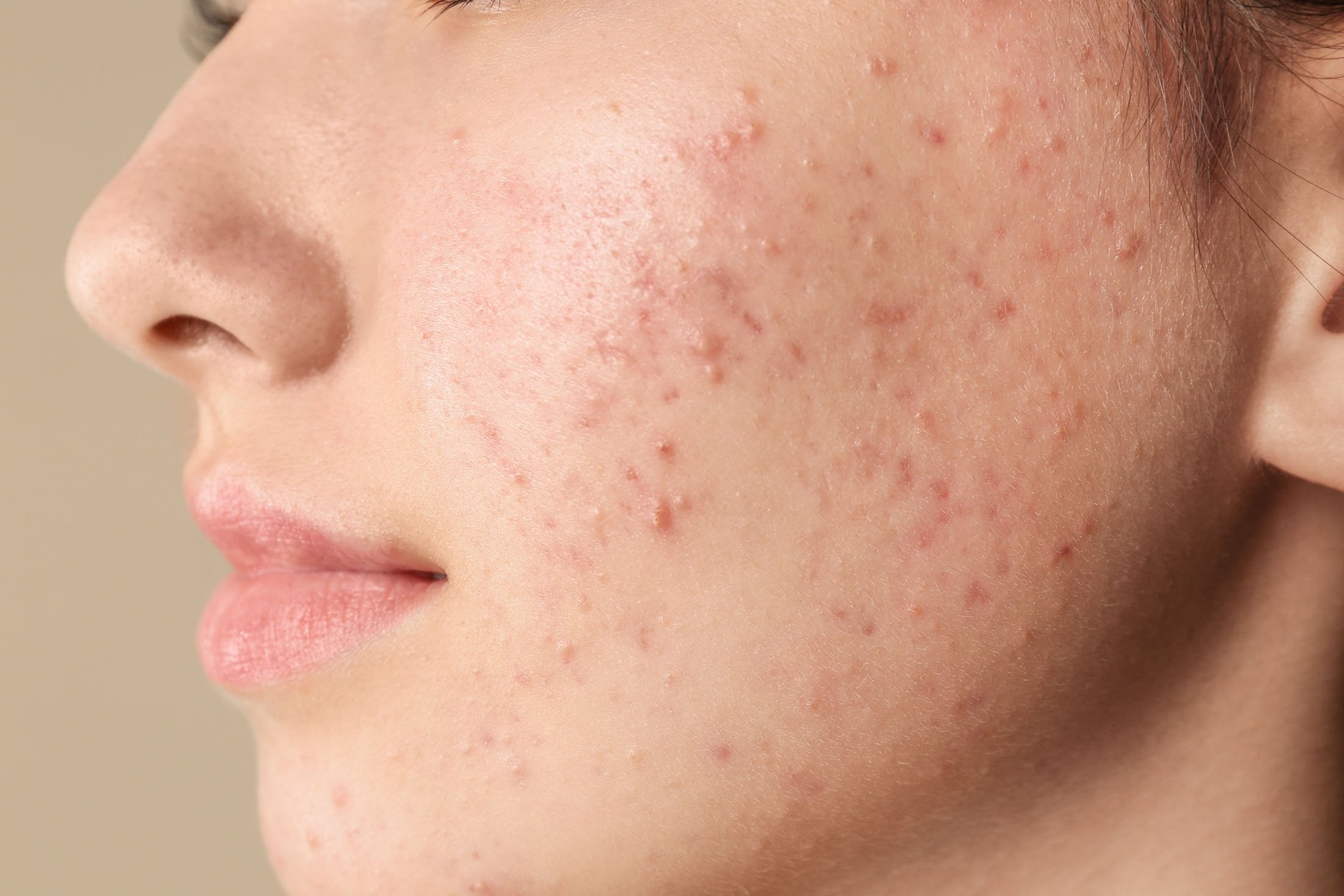
- Wash your face three to five times a day with Dixe Face Wash (any) with fresh water.
- Scrub the skin or burst the pimples when washing your skins.
- Popping the pimples if it is easily possible for you.
- Consult to your doctor for best and helpful treatment.
- Hold the mobiles or telephone away from the face when talking, as it is likely to contain sebum and skin residue.
- Select makeup for your sensitive skin and avoid oil-based cosmetics products.
- Always keep your hair clean, as it collects sebum and skin residue.
- Don’t use greasy hair products, such as those containing cocoa butter.
- Try to avoid excessive sun exposure, it can cause the skin to produce more sebum.
- Several acne medicines also increase the risk of sunburn.
- Avoid anxiety and stress, as it can stimulate to increase more production of cortisol and adrenaline, which exacerbate acne.
P. S: This article is only for doctors and students having good knowledge about Homeopathy and allopathy.

For proper consultation and treatment, please visit our clinic.
 Dr. Sayyad Qaisar Ahmed (MD {Ukraine}, DHMS), Abdominal Surgeries, Oncological surgeries, Gastroenterologist, Specialist Homeopathic Medicines.
Senior research officer at Dnepropetrovsk state medical academy Ukraine.
Location: Al-Haytham clinic, Umer Farooq Chowk Risalpur Sadder (0923631023, 03119884588), K.P.K, Pakistan.
Find more about Dr Sayed Qaisar Ahmed at:
https://www.youtube.com/Dr Qaisar Ahmed
https://www.facebook.com/ahmed drqaisar
Hello.This article was extremely motivating, especially because I was investigating for thoughts on this matter last Friday.
Excellent read, I just passed this onto a colleague who was doing a little research on that. And he actually bought me lunch because I found it for him smile Therefore let me rephrase that: Thanks for lunch!
Thanks for the sensible critique. Me and my neighbor were just preparing to do some research about this. We got a grab a book from our area library but I think I learned more from this post. I’m very glad to see such magnificent info being shared freely out there.
Quality posts is the crucial to interest the people
to pay a quick visit the website, that’s what this web page is providing.
This blog was… how do I say it? Relevant!! Finally I have found something that helped me.
Many thanks!
Very well written article. It will be helpful to anybody who utilizes it, including yours truly :). Keep up the good work – i will definitely read more posts.
Aw, this was a really nice post. In concept I want to put in writing like this additionally – taking time and precise effort to make a very good article… but what can I say… I procrastinate alot and on no account seem to get one thing done.
you’re really a good webmaster. The web site loading speed is incredible. It seems that you’re doing any unique trick. Also, The contents are masterpiece. you have done a magnificent job on this topic!
Hi my friend! I wish to say that this article is awesome, nice written and include almost all important infos. I would like to see more posts like this.
magnificent publish, very informative. I’m wondering why the opposite experts of this sector do not understand this. You should proceed your writing. I’m confident, you have a huge readers’ base already!
It is actually a nice and useful piece of information. I am happy that you just shared this useful information with us. Please keep us informed like this. Thanks for sharing.
good post.Never knew this, appreciate it for letting me know.